








Introduction:Dive deep into Honduras, the largest coffee-producing country in Central America, exploring its regional distribution, geographical conditions, and processing characteristics. Discover the unique flavors of six major regions such as Copán, Montecillos, and El Paraíso, as well as the impact of various processing methods including washed, natural, and wine barrel fermentation. From altitude classification to common varieties, this article provides a comprehensive guide to the essence of Honduran coffee beans.
Honduras is a globally significant exporter of washed Arabica coffee. Not only is it the country with the highest coffee production in Central America, but it also ranks among the top in the global washed coffee market. Surrounded by mountains, the country’s diverse altitudes, microclimates, and refined processing techniques produce coffee beans with rich and layered flavors. This article will detail Honduras’ geographical background, regional classifications, main varieties, processing methods, and the flavor profiles of each region, helping you better appreciate the allure of this new coffee frontier.

Honduras enjoys an exceptionally favorable coffee-growing environment, with over three-quarters of its territory consisting of mountains and plateaus. The mountain ranges stretching from west to east are interspersed with numerous valleys, along with coastal plains and abundant annual rainfall, creating a diverse range of microclimates. Such terrain and climate provide ideal growing conditions for coffee trees at different altitudes and directly influence the final flavor profile of the coffee. Generally, the higher the altitude, the brighter the acidity, the richer the aroma, and the more pronounced the sweetness.
As a key representative of Central American coffee, Honduras’ coffee industry truly took off in the late 20th century. As early as the late 18th century, Spanish merchants introduced coffee to the region, but due to limited transportation and infrastructure, the industry remained underdeveloped for a long time. It wasn’t until the 1970s, when the Honduran government established the official institution IHCAFE to improve quality and technology, that coffee production began to rise rapidly. In 2011, Honduras surpassed Costa Rica and Guatemala to become the largest washed Arabica exporter in Central America and the second largest in the world.
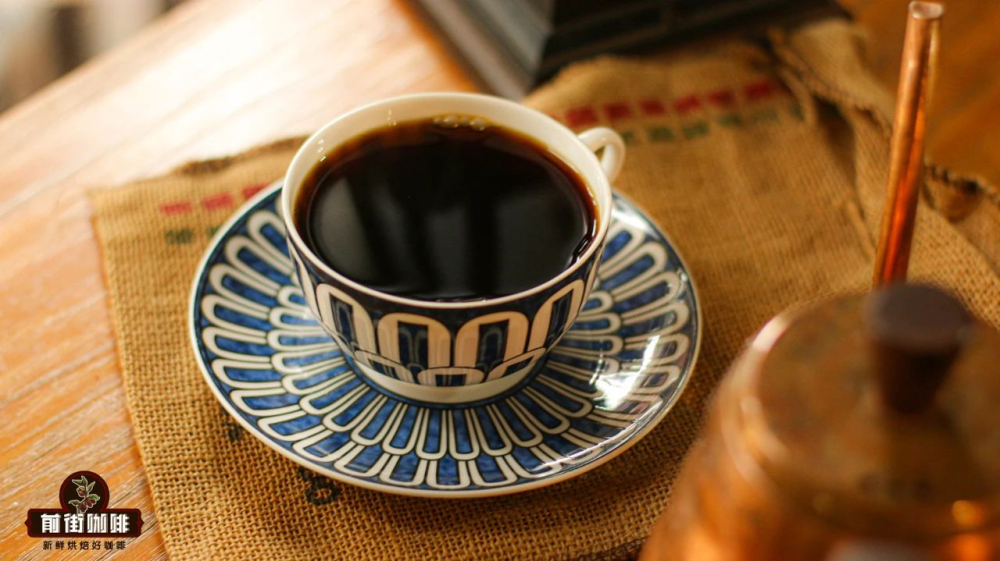
Honduras has a clear coffee grading system, primarily based on altitude and defect rate. Based on altitude, it is divided into three main grades: Strictly High Grown (SHG, above 1200 meters), High Grown (HG, 1000–1200 meters), and Central Standard (CS, 600–1000 meters). Defect rates follow either the U.S. standard (USP) or the European standard (EP), with high-quality export beans typically meeting the EP grade. Therefore, common green bean designations such as Honduras SHG EP indicate that the beans come from high-altitude regions with low defect rates, representing a high-quality grade among washed Arabicas.
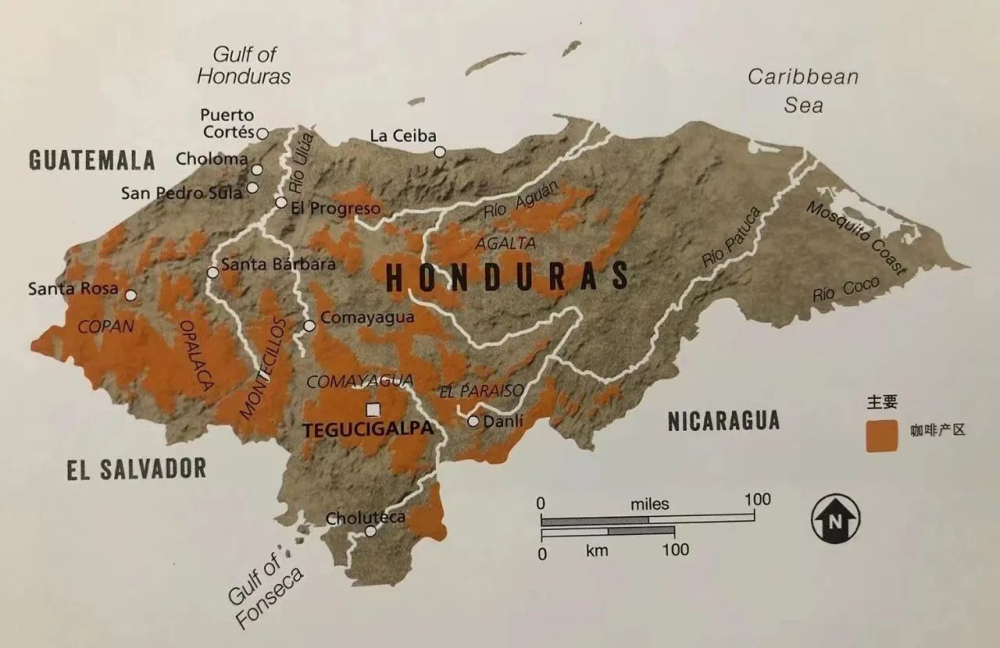
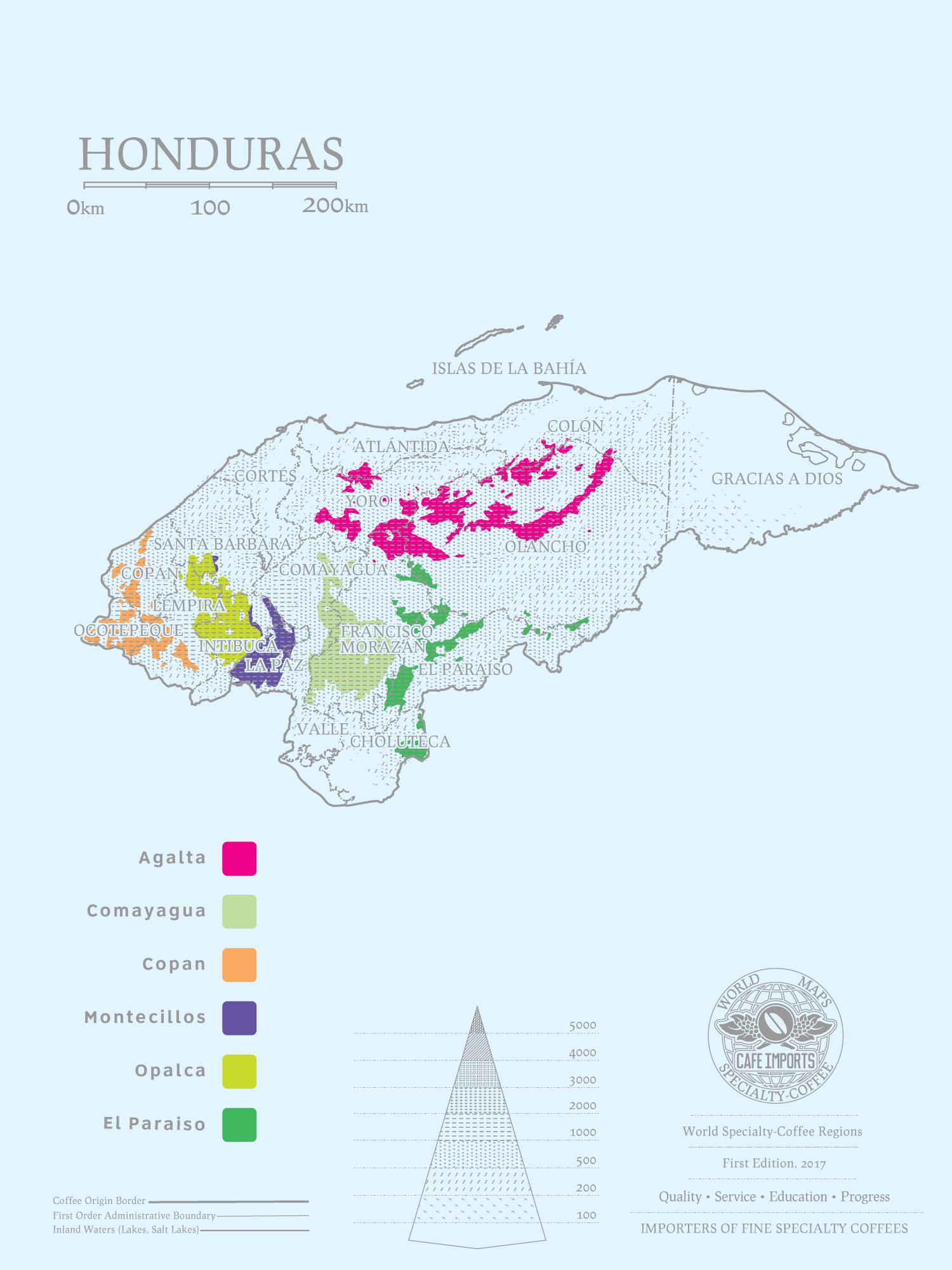
Starting in 2007, the Honduran government strengthened its origin labeling system by dividing the country’s major coffee-growing regions into six distinct blocks to more accurately showcase the flavor characteristics of each area:
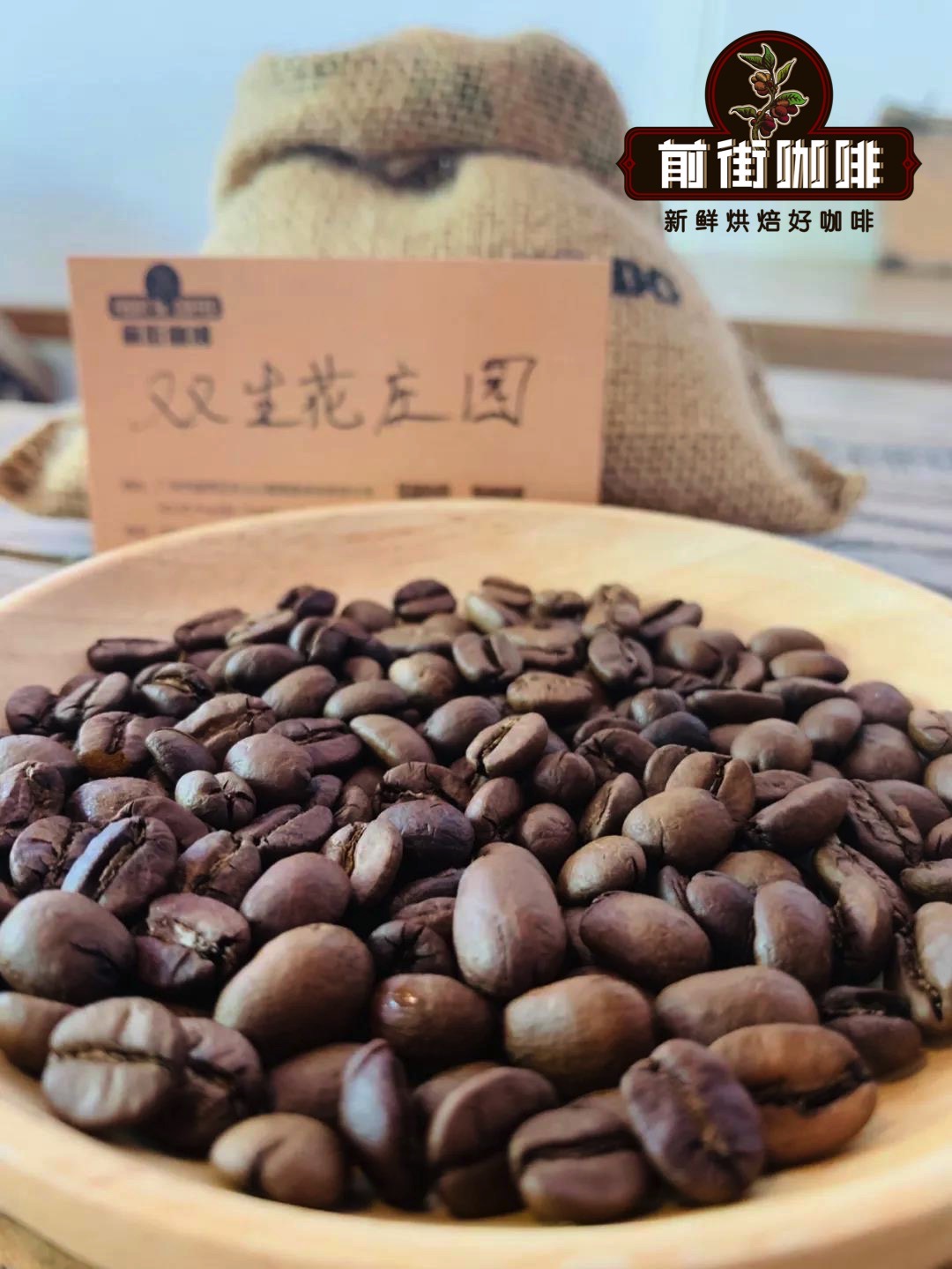
First is the western region of Copán, bordering Guatemala, with altitudes ranging from 1000 to 1500 meters. The cool climate and abundant rainfall make it suitable for cultivating high-quality coffee. The renowned Twin Flowers Estate in this region processes Red Catuai using the natural method, showcasing intense berry, brown sugar, and fermented wine aromas. Meanwhile, the San Vicente mill is known for its washed Pacas, offering complex flavors of cherry, raspberry, almond, and caramel, with bright acidity and distinct layers.
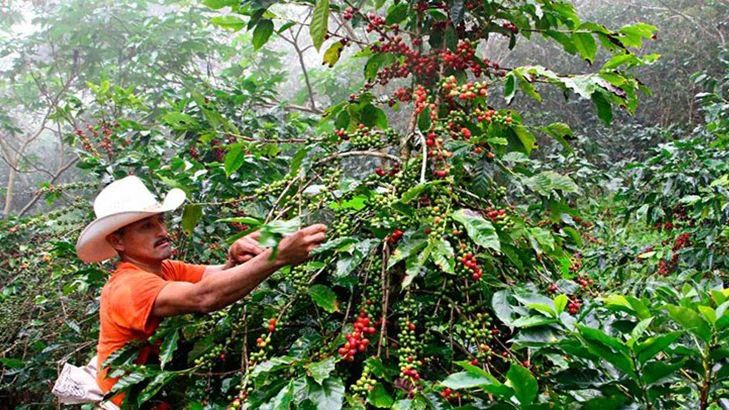
Adjacent to it is the Opalaca region, situated between Santa Bárbara, Intibucá, and Lempira, at elevations of 1100 to 1500 meters. The coffee produced here primarily features traditional varieties such as Bourbon and Typica, with delicate flavors often highlighted by tropical fruit notes like blackberry and grape. The balance of acidity and sweetness makes it a great choice for coffee lovers who enjoy vibrant fruitiness.
Montecillos, near the border with El Salvador, is one of Honduras’ well-known high-altitude regions, with elevations reaching 1200–1600 meters and a cool climate. Main varieties like Bourbon and Catuai are celebrated for their lively acidity, citrus and stone fruit aromas, and smooth mouthfeel, making them highly favored by cuppers.
Located in the central part of Honduras, Comayagua, at elevations of 1000–1500 meters, has a warm and humid climate. The region mainly grows varieties such as Bourbon and Pacas. The coffee here often features distinct lemon and citrus sweetness, along with a creamy body and a chocolatey finish, making it a representative of balanced coffees.
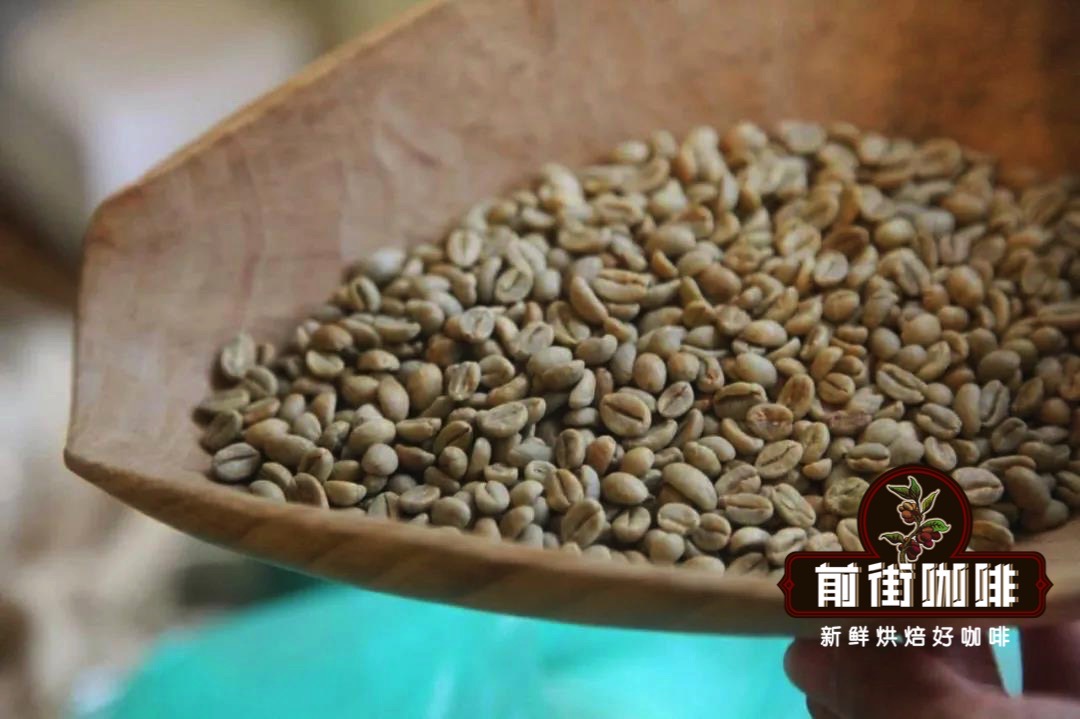
In the southeastern region, Agalta Tropical, situated in the Olancho and Yoro provinces at elevations of 1000–1400 meters, has a warm climate. The main varieties include Bourbon and Typica. The coffee from this area has a unique flavor profile, characterized by honey-like aromas and citrus notes, with soft yet clear acidity and prominent sweetness. It is well-suited for those who prefer mellow fruity flavors.
Finally, near the Nicaraguan border is El Paraíso, at elevations of 1100–1500 meters, where the climate is suitable for cultivating high-altitude varieties. The Laurel Estate here is known for its washed Parainema, offering clear citrus, berry, and grapefruit aromas, with a nutty and dark cocoa finish. The acidity is bright, and the tea-like quality is pronounced, making it an excellent choice for medium to light roast enthusiasts.
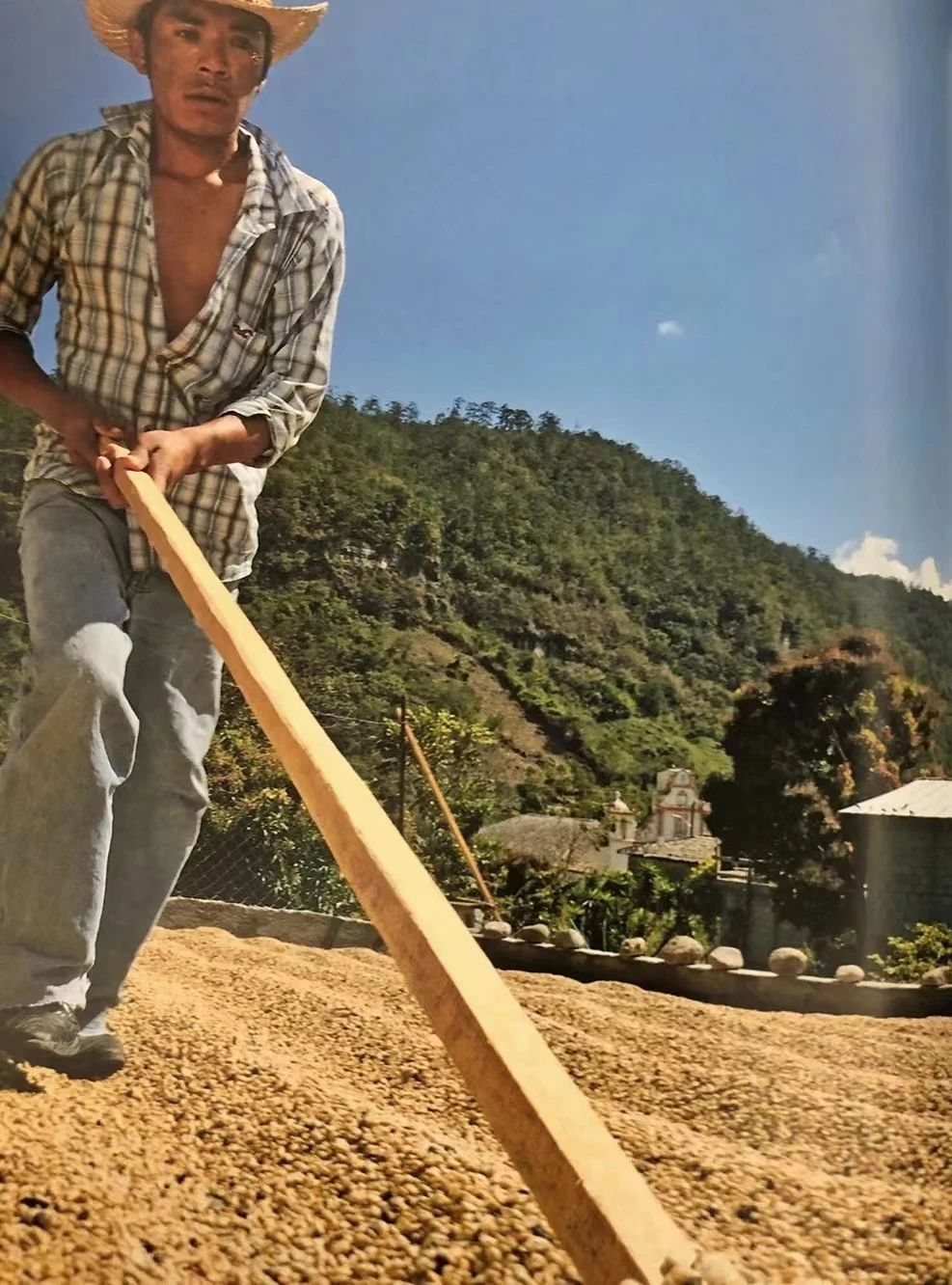
Beyond the six main regions, Honduras also has some small yet exceptional coffee farms, such as the Sweet Orange Estate and Mocha Estate in the Marcala region. The Sweet Orange Estate’s washed Catuai showcases citrus, melon, and floral notes, with a tea-like and nutty finish. Meanwhile, the Mocha Estate offers a series of wine barrel-fermented coffees, such as washed beans fermented in whiskey sherry barrels, delivering intense wine aromas, vanilla cream, and dark cocoa layers. Another variety, Lychee Orchid, is fermented in brandy barrels, featuring fermentation notes, light creaminess, and chocolatey aromas—an ultimate choice for advanced coffee enthusiasts.
In terms of processing methods, Honduras primarily uses traditional washed processing, which includes fruit soaking, pulp removal, fermentation to remove mucilage, washing, and drying, with strict control of moisture content to 12%. Some producers also experiment with natural processing or innovative fermentation techniques, such as wine barrel fermentation, to further enhance flavor complexity and layers. Additionally, Honduran coffee exhibits diverse profiles across different roast levels, with medium roasts being the most popular as they fully highlight sweetness and fruity notes.
In terms of varieties, Honduras mainly cultivates Bourbon, Typica, Caturra, Catuaí, and Pacas. Among them, Bourbon is known for its sweet fruity profile and high cupping scores; Typica offers elegant flavors but has lower yields; Caturra and Catuaí are popular among smallholders due to their adaptability and stable yields; Pacas, with its high productivity and consistent quality, has become one of the main varieties in Central America. The region’s Sherry series, made from the Pacas variety, showcases unique aromatic expressions.
In summary, Honduran coffee beans hold a notable place in the global specialty coffee market thanks to their diverse regions, clear grading system, and innovative processing techniques. Whether you prefer clean and bright fruit acidity, rich chocolatey finishes, or unique fermentation flavors with intense wine notes, Honduras offers options to suit every preference, making it a must-try origin for coffee enthusiasts.
The above content is compiled by CoffeeHunters, a coffee news website.


