







Introduction:Have you ever confused Honduras Lichee Lan with Panama 90+ Lichee Blue? Although their names sound similar, they represent two distinct specialty coffee processing methods: barrel fermentation and washed Geisha. This article delves into the regional background, variety characteristics, and processing differences of these two premium coffees, and provides expert roast curves and pour-over parameters to help you master practical knowledge from flavor identification to brewing techniques.
In the world of specialty coffee, similarly named beans often cause confusion, and Honduras Lichee Lan and Panama 90+ Lichee Blue are common examples. Though they differ by just one character, their origin, variety, and processing method are entirely different. Honduras Lichee Lan uses brandy barrel fermentation, delivering intense wine-like aromas and sweet litchi notes; whereas Panama 90+ Lichee Blue is a washed Geisha variety, showcasing elegant floral and citrus tones. This article will compare these two flavor-distinct coffees across multiple dimensions and offer practical roasting and pour-over recommendations.
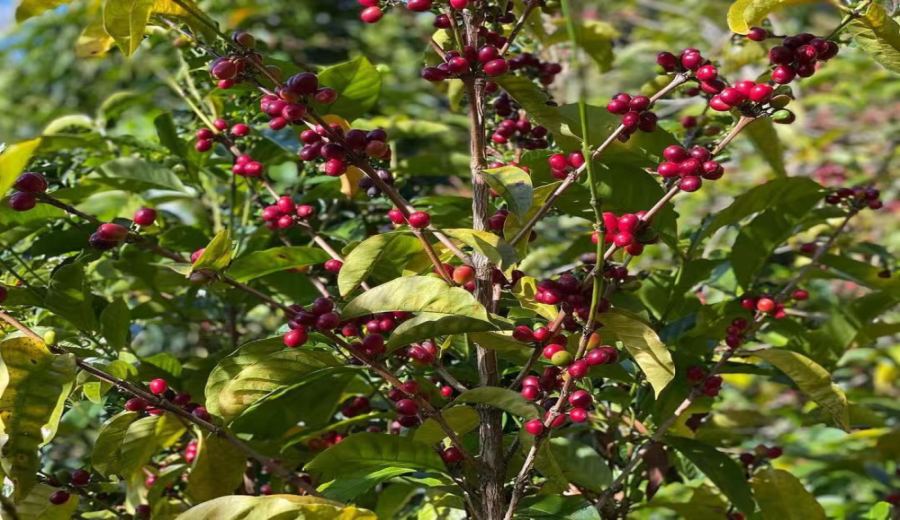
Let’s first take a look at Panama 90+ Lichee Blue. This bean comes from the 90+ series, grown at the Geisha Estate in Panama, and the variety is the traditional Heirloom. The growing altitude ranges between 1250 and 1650 meters, and it is processed using the washed method. According to cupping records, this coffee exhibits complex aromas of green tea, musk, and herbs like basil. On the palate, it has a gentle lemon acidity, along with sweet litchi-like sourness and a nutty cashew finish.
The 90+ series is a top-tier coffee line launched by U.S.-based Ninety Plus Coffee, established in 2006 and known for its unique flavors and precise grading system. The English name of Lichee Blue is 'y-cell-o', inspired by the combination of 'lychee' and the cello note 'Cello Blue'. Notably, this bean was later upgraded from Level 21 to Level 39, indicating an even richer and more refined flavor profile. When cupping, pairing it with music such as David Darling's Cello Blue can further highlight its delicate layers resembling rose, jasmine, and oolong tea.
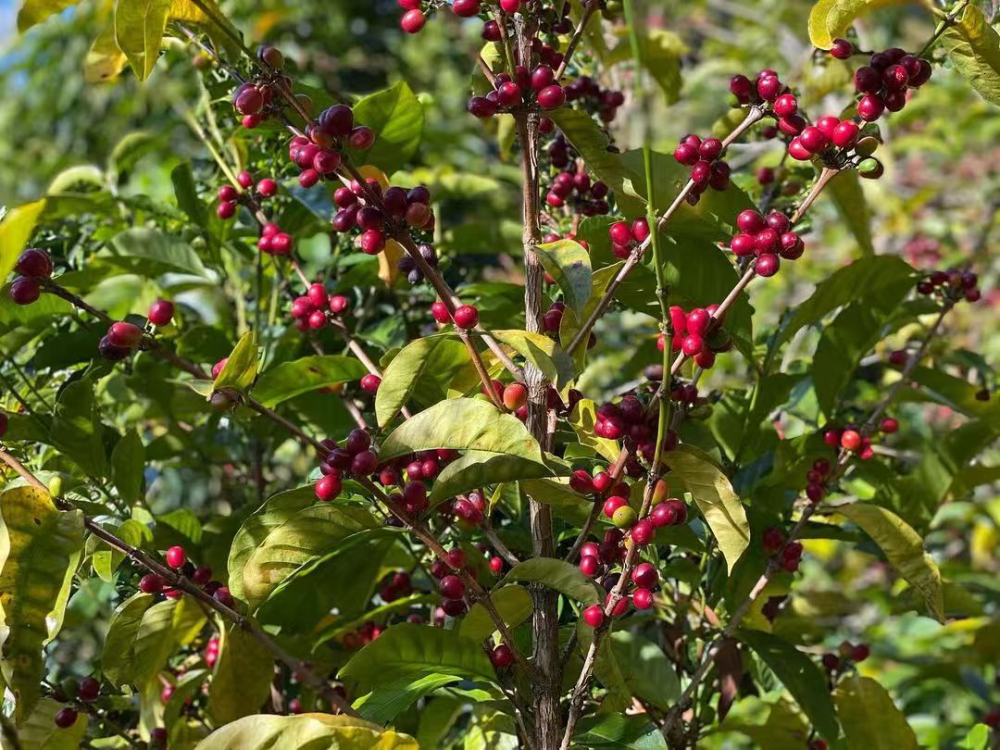
Next, we turn to Honduras Lichee Lan. This bean does not come from one of the six major producing regions, but rather from the Mocha Estate in the Mazagua area of Honduras, at an altitude of 1500 to 1700 meters. The variety is a blend of Catuaí and Caturra, both of which have good disease resistance and adaptability. In terms of processing, Lichee Lan employs refined washing and brandy barrel fermentation—this being one of the biggest differences compared to Panama 90+ Lichee Blue.
The processing of Honduras Lichee Lan is quite meticulous: first, it undergoes refined washing to remove the pulp, then the green beans are placed in brandy oak barrels for fermentation at a low temperature of 15 to 20°C for 30 to 40 days. This process allows the beans to fully absorb the aromatic compounds from the barrels, after which they are shade-dried. The result is a premium coffee with intense flavors, notable brandy aromas, honey sweetness, and a chocolatey finish.
Regarding roasting, one coffee team conducted two different roast curve adjustments for Honduras Lichee Lan, both focusing on light roasting. The first curve starts with a charge temperature of 220°C, turning yellow at 6 minutes 30 seconds and 151.6°C, with first crack occurring at 9 minutes 53 seconds and 183°C. Development after first crack lasts 1 minute 40 seconds, and the final roast temperature is 196°C. Cupping notes show dry aroma of chocolate and berries, wet aroma of flowers and wine, and flavors including chocolate, berries, honey, and litchi, though with slight grassiness.
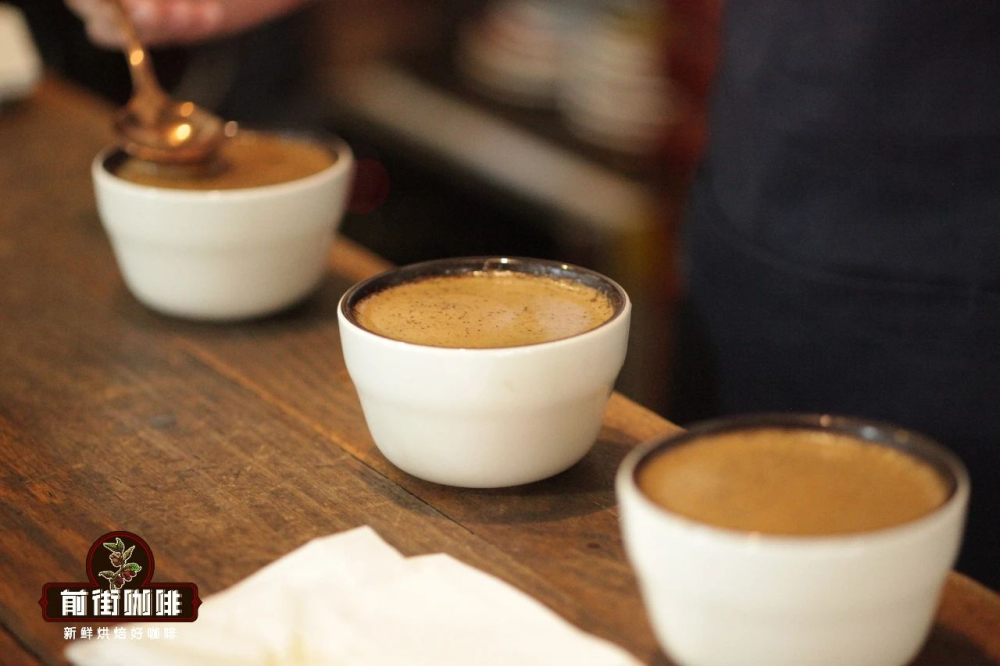
The second roast curve slightly adjusts the parameters: the charge temperature remains 220°C, but yellowing occurs earlier at 5 minutes 50 seconds and 152.6°C, first crack happens at 9 minutes 15 seconds and 183°C, and development time after first crack is extended to 2 minutes 10 seconds, with a final roast temperature of 195°C. This batch performs more robustly in cupping, with dry aroma of honey and chocolate, wet aroma emphasizing wine notes, and flavors that clearly include cream, dark chocolate, litchi, and brandy. It has prominent sweetness and a long-lasting aftertaste.
For pour-over recommendations, it is suggested to use a Hario V60 filter, with water temperature controlled at 90°C, a coffee-to-water ratio of 1:15, and a grind size equivalent to 80% through a Chinese standard No. 20 sieve (fine sugar-like grind). Use a three-stage pouring method: begin with a 30-second bloom using 30 grams of water to help release CO₂ from the coffee grounds; then pour in small circles from the center outward with a thin stream to reach 125 grams for the first pour; finally, when the water level drops halfway, pour again until reaching a total of 225 grams, adjusting the pour rhythm as needed to avoid over-extraction or unwanted flavors. Total extraction time is about 2 minutes.
In terms of actual pour-over flavor performance, the first roast curve of Lichee Lan offers berry, floral, and honey notes on the palate, gradually releasing brandy wine and creamy flavors as it cools, though with noticeable fruit acidity and a shorter aftertaste. The second curve reveals a more complete flavor profile, with initial notes of litchi, brandy, and dark chocolate. It has a rich mouthfeel and pronounced sweetness, plus a long-lasting finish. Clearly, the second curve with extended development time better highlights the potential of barrel-fermented beans.
In summary, although Honduras Lichee Lan and Panama 90+ Lichee Blue share similar names, they differ greatly in origin, variety, processing method, and flavor expression. Lichee Lan features intense brandy aromas and chocolatey tones from barrel fermentation, making it ideal for those who enjoy bold complexity and rich finishes. Meanwhile, 90+ Lichee Blue showcases the bright floral and citrus notes unique to the Geisha variety, with a more delicate flavor. Regardless of which you choose, fresh roasting and proper extraction parameters are key to unlocking their full potential.
The above content is compiled by CoffeeHunters, a coffee news website.


