








Introduction:Although Tanzania is not as well-known as Ethiopia or Kenya, its high-altitude volcanic soil gives rise to coffee, particularly the AA-grade Bourbon variety from the Kilimanjaro region, which is celebrated for its citrus, berry, and honey aromas. This article delves into the main producing regions of Tanzanian coffee, the origins of its varieties, processing techniques, and the rigorous grading system, while also providing practical pour-over recommendations to help you better understand this underrated African specialty coffee bean.
When discussing African specialty coffee, people often immediately think of Ethiopia and Kenya, but Tanzania — another East African country — is frequently overlooked. In fact, Tanzania has a long history of coffee cultivation, especially in the volcanic highlands of northern Kilimanjaro, where its AA-grade beans, processed using the washed method with the Bourbon variety, exhibit an exceptional balance of citrus, berries, honey, and tea-like notes. It’s an excellent choice for coffee enthusiasts exploring African flavor profiles.
When it comes to African coffee, attention is generally focused on Ethiopia and Kenya, but Tanzanian coffee’s performance is actually nothing to scoff at. Tanzania’s grading system is similar to Kenya’s, also based primarily on bean size, with AA being considered the highest quality. A certain coffee brand once imported a batch of AA-grade coffee beans from Kilimanjaro in Tanzania. This article will take you deep into understanding the regional characteristics, varietal background, processing craftsmanship, and flavor profile of these beans, along with offering practical pour-over parameters so you can fully grasp this specialty coffee born from volcanic soil.
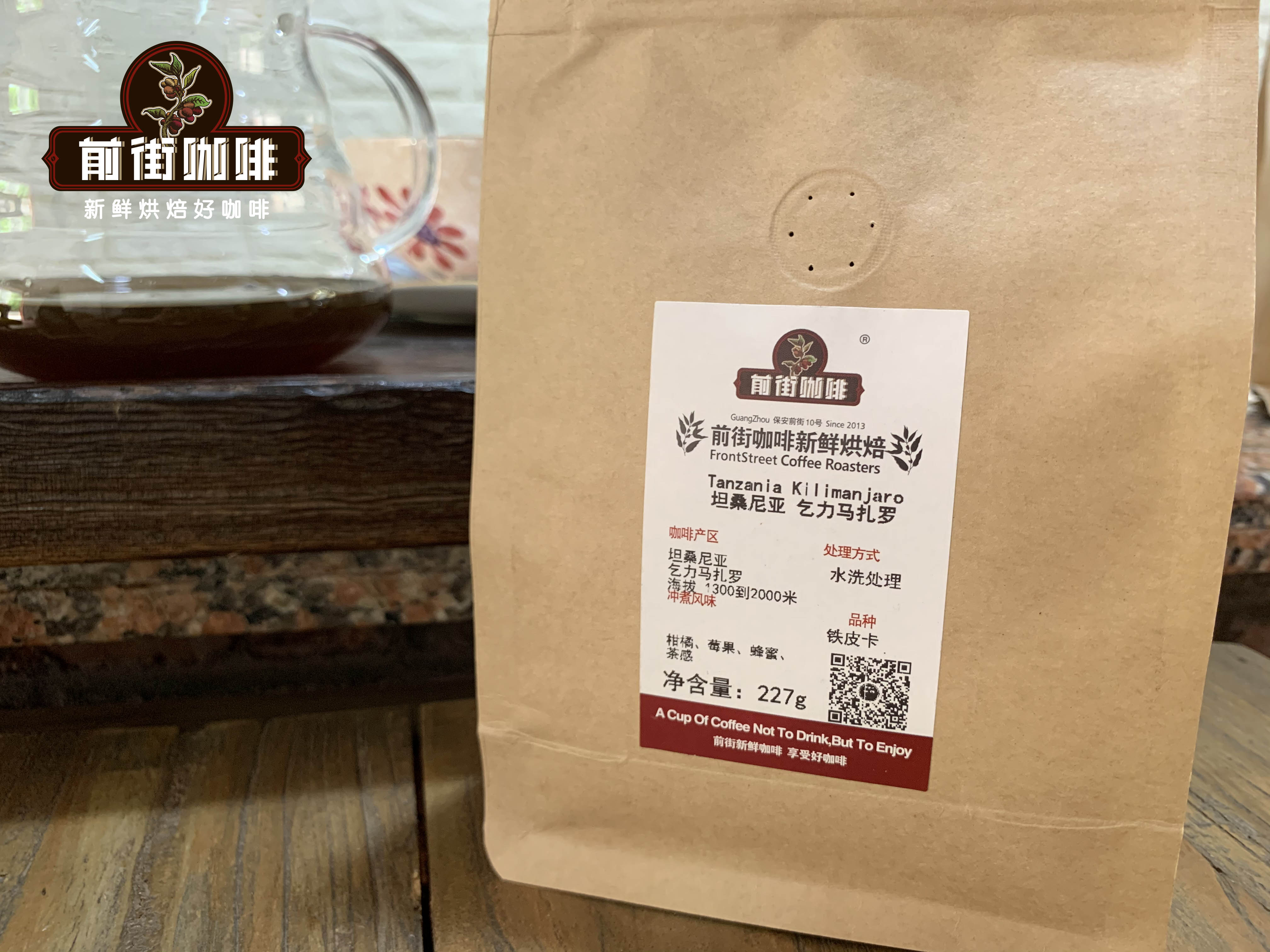
This Tanzanian Kilimanjaro AA-grade coffee bean is grown in the northern volcanic highlands at altitudes ranging between 1,300 and 2,000 meters. The variety is Bourbon, processed via the washed method, and it features a clear flavor profile that includes citrus, berries, honey, and tea-like notes — making it a highly layered cup of coffee.
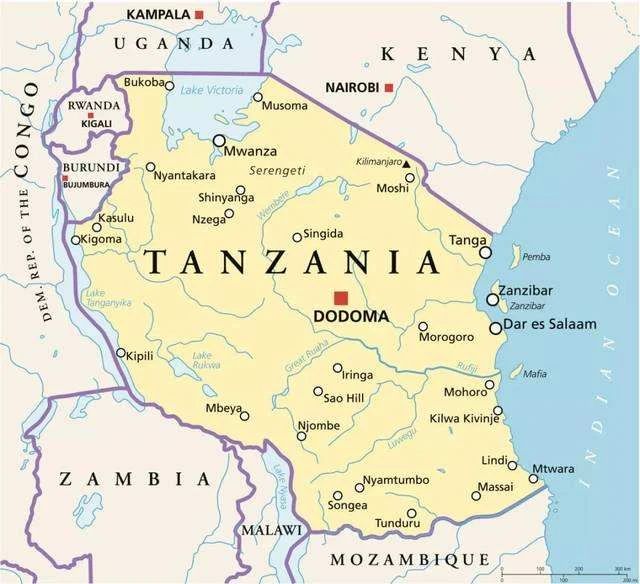
Tanzania’s coffee-growing history dates back to the early 20th century, when it was promoted by the German colonial government, which encouraged local farmers to cultivate Arabica coffee as a cash crop, particularly around the Kilimanjaro area. According to data, Tanzania’s annual coffee production is approximately 50,000 tons, similar to Kenya’s. Though slightly less famous, its quality is certainly no less. The first Arabica seeds were introduced from Réunion Island (then French territory), initially planted in Bayamoyo and Mogoro. The results of cultivation on the slopes of Kilimanjaro in 1893 were particularly successful. Later, in the 1950s, other varieties were introduced from neighboring Burundi and mainly planted in the western part of the country. Today, about 75% of Tanzanian coffee is grown in high-altitude areas, and wild coffee resources remain abundant.
As Africa’s highest peak, Kilimanjaro’s coffee-growing belt is primarily concentrated on mountain slopes at altitudes between 1,300 and 2,000 meters. This region benefits from fertile volcanic soil and suitable climatic conditions, providing an ideal environment for Arabica coffee. Kilimanjaro is not only one of Tanzania’s largest coffee-producing regions, but its output also plays a significant role in the country’s agricultural economy.
The most widely cultivated coffee variety in Tanzania is Bourbon, and this AA-grade Kilimanjaro coffee bean belongs to this variety. Bourbon was first introduced to the Kilimanjaro region of Tanzania by Catholic missionaries in 1898. The Kent variety was also introduced in 1920, but to this day, Bourbon remains the dominant variety in the country. Bourbon and Typica are both ancient branches of Arabica, originally planted on Réunion Island, formerly known as Bourbon Island — hence the name. The leaves of the Bourbon variety are wider than those of Typica, and the tree canopy is denser, with about 30% higher yields per unit. Its beans are slightly rounder and shorter, known for bright berry acidity, rich creamy aromas, and clear fruit acids, though it is relatively more susceptible to disease. Bourbon also has variants with red, yellow, and pink fruits, commonly referred to as Red Bourbon, Yellow Bourbon, and Pink Bourbon.
This Tanzanian coffee bean is processed using the washed method, which is also the most commonly used processing approach locally. The biggest advantage of the washed method is that it highlights the coffee’s bright acidity and clean mouthfeel, resulting in a more vibrant and transparent flavor. The processing steps include: first removing defective beans and impurities, then stripping the pulp and outer skin, followed by placing the beans in a fermentation tank for 18 to 36 hours of fermentation to remove the mucilage adhering to the inner parchment, and finally washing and properly drying the beans to ensure stable moisture content.
Tanzania’s coffee bean grading system is similar to Kenya’s, primarily classifying beans based on size, using screens with different hole diameters for sieving — the larger the number, the bigger the bean. Among them, the AA grade is the highest, with bean sizes of 17–18 mesh (approximately a 7.20mm screen), the AB grade is 15–16 mesh (6.8mm–6.2mm), the PB grade consists of peaberry beans, accounting for about 10% of total production, and the C grade comprises small-to-medium-sized beans of 12–14 mesh (4.8mm–5.6mm).
This Tanzanian Kilimanjaro AA-grade coffee bean imported by a certain coffee brand is undoubtedly the highest-grade representative of the country. For pour-over enthusiasts, it is recommended to use a V60 cone filter for extraction. This filter features a wide mouth and spiral flow ribs that promote air circulation and enhance overall extraction efficiency. The recommended water temperature is 90–91°C, with a grind size roughly equivalent to that of fine sugar, or using a 20-mesh sieve to achieve about 80% fine powder. The coffee-to-water ratio is 1:15, and the suggested coffee dose is 15 grams.
For pour-over, a staged extraction method is advised: start with a 30-second bloom using 30 grams of water, then continue pouring in a slow circular motion until you reach 125 grams, then pause. Once the water level drops, slowly continue pouring, avoiding excessive water height, until the total water volume reaches 225 grams, then stop. The overall extraction time is about 2 minutes and 3 seconds (including the bloom time). These parameters can fully showcase the berry aroma of Kilimanjaro coffee. The cup starts with gentle citrus acidity, develops nutty tones in the mid-palate, and ends with a honey-like sweetness in the aftertaste. It’s a specialty coffee with distinct layers and clear flavors.
The above content is compiled by CoffeeHunters, a coffee news website.


