







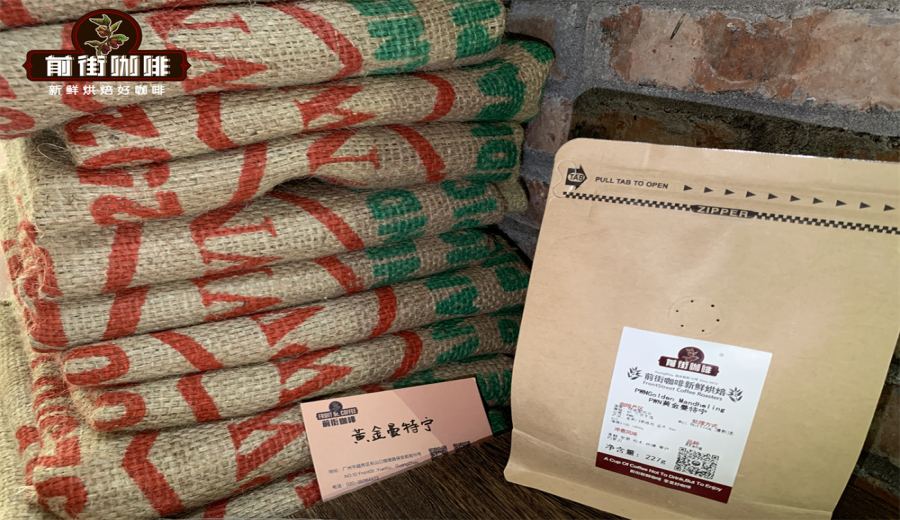
Introduction:Indonesian Mandheling coffee is renowned for its low acidity and rich, full-bodied flavor. Behind this lies a history of Dutch colonial introduction, post-leaf rust disease varietal transitions, and the unique terroirs of Sumatra’s two major producing regions. This article starts with the origin of its name, delves into the characteristics of varietals such as Typica, Tim Tim, and Catimor, explores how the wet-hulling process shapes its bold taste, and provides practical pour-over parameters and single-variable adjustment techniques to help you precisely grasp the charm of this classic coffee.
Mandheling coffee is a representative offering in Indonesia’s specialty coffee scene, known for its low acidity and rich, full-bodied profile. If you’ve ever had a love-hate relationship with this coffee or want to deeply understand the origins of its unique flavor, this article will take you through its historical background, growing environment, varietal evolution, processing methods, and hands-on brewing practices for a comprehensive exploration of Mandheling’s allure.
The Historical Context of Indonesian Coffee
Coffee cultivation in Indonesia dates back to 1696, when it was introduced to Java by Dutch colonists and later expanded to Sumatra. However, about two hundred years later, a leaf rust disease outbreak decimated many coffee trees, severely impacting the industry. To revive production, Indonesia introduced disease-resistant varieties, among which Robusta became dominant, accounting for over 90% of total output to this day. Mandheling, one of the representatives of specialty coffee, belongs to the minority Arabica category.
The Fascinating Misunderstanding Behind the Name
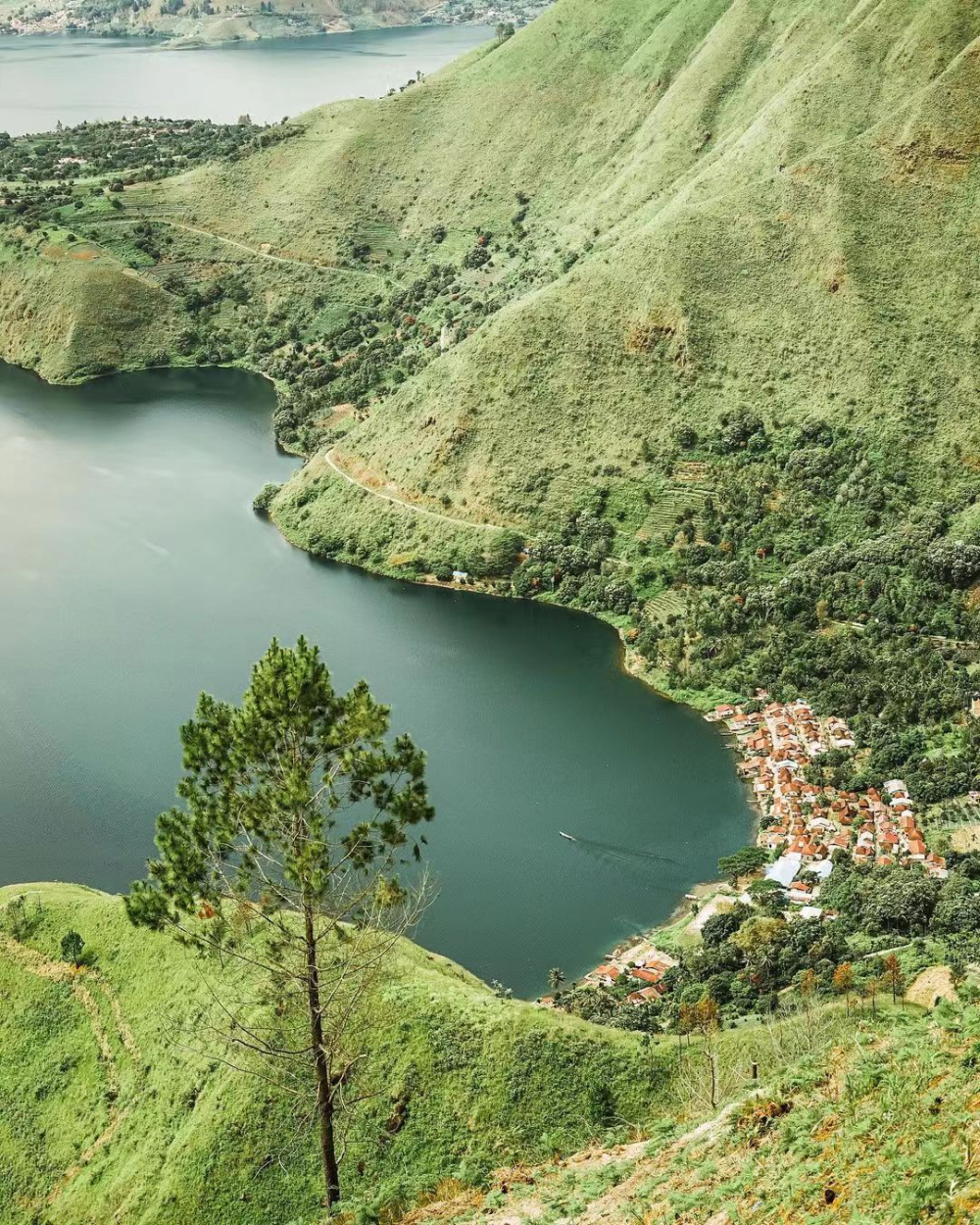
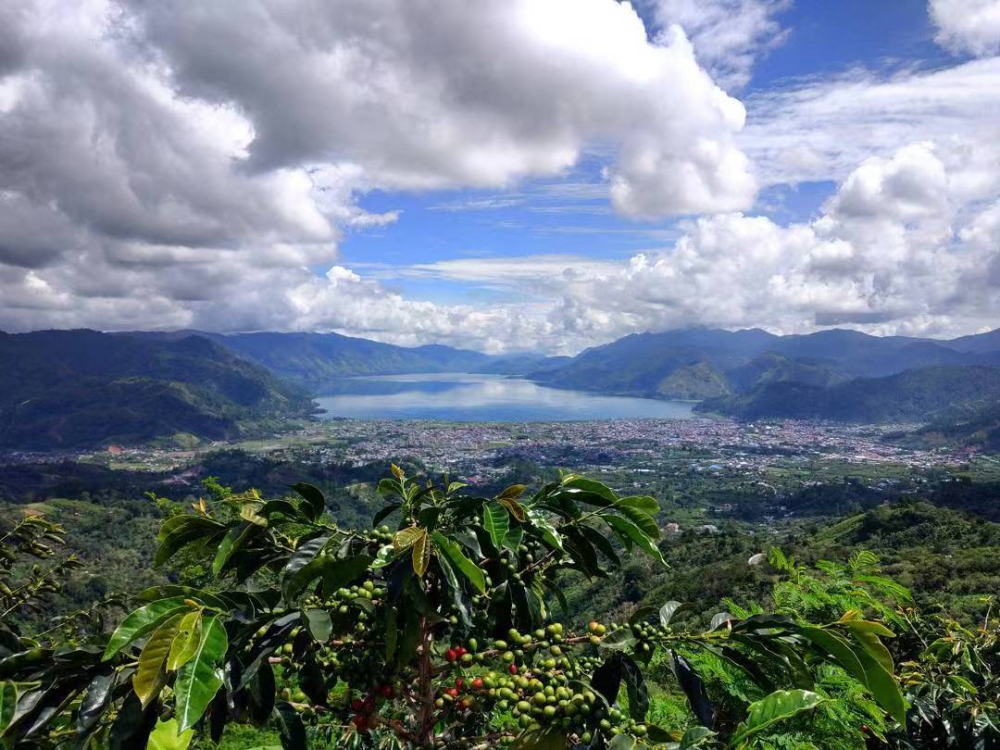
“Mandheling” is not a varietal or place name but originates from a misunderstanding during World War II. It is said that a Japanese soldier, while drinking a strong coffee in Indonesia, asked the shopkeeper about it and mistakenly heard “Mandailing people (Mandheling)” as “Mandheling.” The name has stuck ever since. In reality, these coffee beans are grown on the northern part of Indonesia’s Sumatra Island, primarily around the two major lakes: Lake Toba and Lake Tawar.
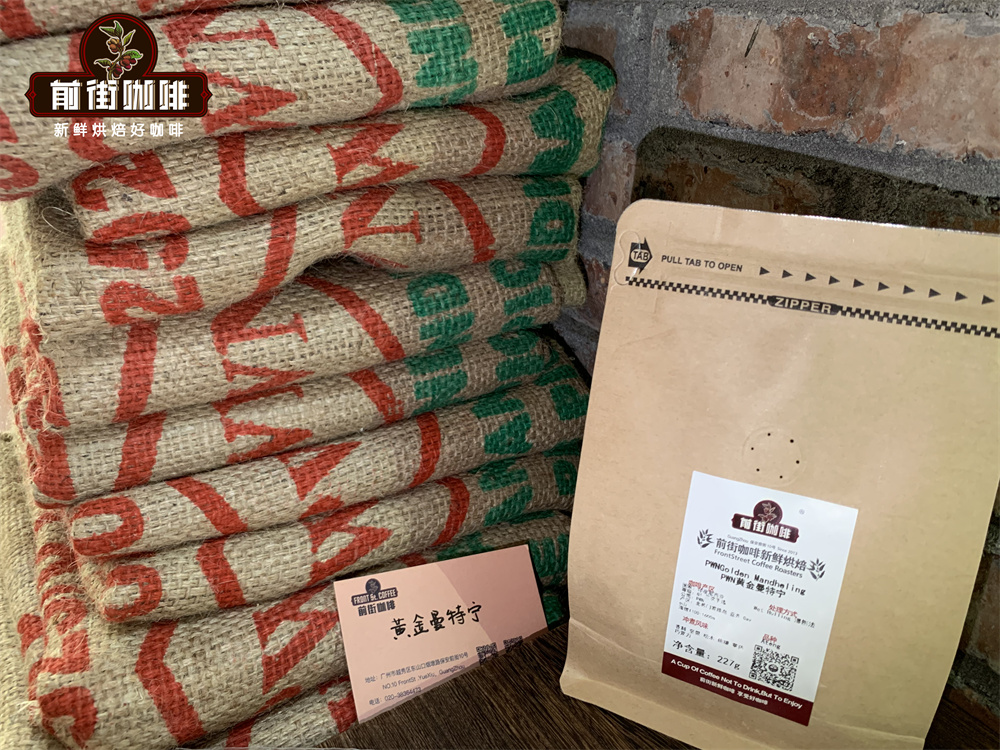
The Terroir Characteristics of Sumatra’s Two Major Producing Regions
The Aceh Province and North Sumatra Province in northern Sumatra are the core producing areas of Mandheling. Around Lake Tawar in Aceh Province, the Gayo Mountains provide altitudes exceeding 1,500 meters. Although once affected by political instability, the industry gradually recovered after the 2005 tsunami. Lake Toba in North Sumatra Province, the world’s largest volcanic lake, sits at an altitude of about 1,400 meters and features a tropical rainforest climate. The humid and rainy environment nurtures well-known coffee-growing regions such as Lintong.The Lintong region by Lake Toba is the main source of this everyday Mandheling bean.。
The Evolution of Mandheling Varietals
After being hit by leaf rust disease in 1877, the once widely planted Typica varietal in Indonesia’s coffee industry was nearly wiped out. To revive production, the government introduced various disease-resistant varietals, including Robusta, Tim Tim (a natural cross between Typica and Robusta), and Catimor (a hybrid of Bourbon varieties and Tim Tim). Among them, Typica adapted to Sumatra and developed a unique herbal-spicy and low-acid, full-bodied flavor, mainly found in the Lake Toba and Lintong regions.Although Catimor is often criticized for flavor defects, in Sumatra’s unique environment, it instead showcases advantages such as woody notes and a rich mouthfeel.。
Wet-Hulling: The Key to Shaping Mandheling’s Flavor
The bold flavor profile of Mandheling is largely attributed to Indonesia’s uniquewet-hulling process. In this method, after fermentation, the parchment layer is removed while the beans are still semi-dry, significantly shortening the processing time. During the process, the mucilage layer, after overnight fermentation and rinsing with water, is removed. The parchment-covered beans are then partially sun-dried to a moisture content of 30–50%, followed by stripping the still relatively hard parchment layer using a specialized machine, and finally drying down to 12%.This method, tailored to Indonesia’s hot and humid environment, reduces acidity and enhances a rich mouthfeel, making it a key shaper of Mandheling’s flavor profile.。
Practical Pour-Over Parameters and Techniques for Mandheling
Mandheling is best enjoyed as a black pour-over coffee to appreciate its full-bodied flavor. It is recommended to use freshly roasted beans (ideally within 5 days of roasting) to fully express the flavor. For a dark-roasted Mandheling, due to its loose bean structure and susceptibility to over-extraction, adjust the grind slightly coarser and lower the water temperature to87℃. It is recommended to use aKONO filter cone, whose smooth curved upper rim tightly adheres to the filter paper, reducing rising steam, while the lower guiding ribs accelerate water flow, extending extraction time to enhance concentration and richness.
Suggested specific parameters:15 grams of coffee, 1:15 coffee-to-water ratio, medium-coarse grind (70% passing rate through a Chinese standard No. 20 sieve), water temperature 87°C. After wetting the filter cone, add the coffee grounds and pour 30 grams of water for a 30-second bloom. Then, pour in a small circular motion centered until reaching 125 grams, then pause. Once the coffee bed drops to about half the cone, continue pouring to 225 grams, and wait for the drip to finish.
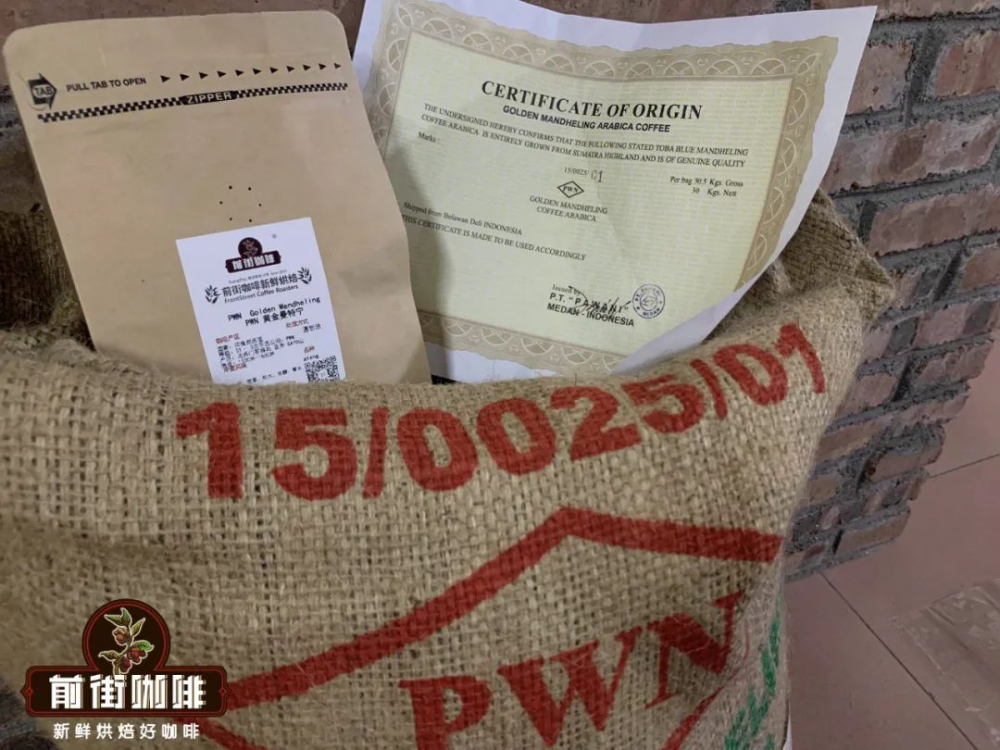
This combination highlights Mandheling’s nutty and chocolatey tones, with noticeable spicy notes at medium temperatures, low acidity, and a solid mouthfeel. If using Golden Mandheling (G1 grade beans hand-sorted four times by PWN), you can even experience the clear layers of dark chocolate and spices, with a long-lasting aftertaste.
Single-Variable Adjustment Method for Pour-Over Parameters
For beginners in pour-over brewing, it is recommended to adjust only one parameter at a time and record the results to accurately identify issues. For example, if the coffee tastes overly acidic or lacks body, it may be due to low water temperature or too coarse a grind. You can first adjust the grind to be slightly finer and rebrew using the same method. If the acidity decreases and the concentration improves, it indicates the adjustment is correct.Through gradual fine-tuning, you can gain a deeper understanding of this coffee’s characteristics and brew a Mandheling that suits your personal taste.。
The above content is compiled by CoffeeHunters, a coffee news website.


