








Introduction:To brew café-quality coffee at home, understanding the SCA Golden Cup extraction standard is key. This article dives deep into the golden range of 1.15%–1.35% TDS concentration and 18%–22% extraction rate, and guides you through core parameters such as time, grind size, water temperature, and coffee-to-water ratio. Learn how to scientifically adjust these factors to enhance the complexity and balance of your pour over coffee, bringing each cup closer to professional standards.
As one of the world’s most important traded commodities after crude oil, coffee—though unlike oil which is buried deep underground, it comes from the fruit of the coffee tree—plays a similarly vital role in the global market. While brewing coffee at home is convenient and economical, it often fails to recreate the unforgettable flavors found in cafés. One key reason is neglecting the “Golden Cup” extraction standard proposed by the SCA (Specialty Coffee Association).
The essence of Golden Cup extraction lies in two numerical indicators: the total dissolved solids (TDS) in the brewed coffee should fall between 1.15% and 1.35%, while the extraction rate should be within 18% to 22% . This combination of values is considered the “Golden Cup range” that delivers optimal flavor balance, clearly marked as a shaded area in professional charts.

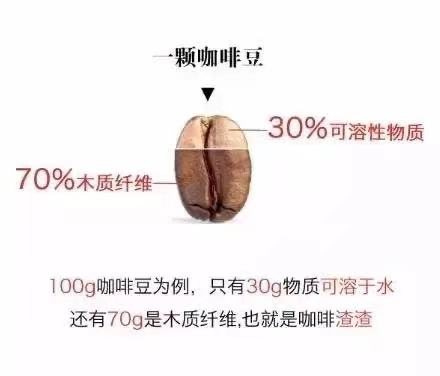
Coffee beans themselves contain over 1,800 compounds, but only about 30% are soluble, and only a portion of those contribute desirable flavors. Through the principles of solid-liquid extraction, we can dissolve the good components of coffee into water while filtering out unwanted residues. However, different brewing methods—such as pour over or espresso—vary greatly in pressure, time, and contact method, leading to significantly different impacts on final flavor.
Take pour over as an example: it employs a drip-like method where hot water contacts coffee grounds, using atmospheric pressure to slowly extract soluble flavors. This is markedly different from the intense flavor profile achieved through high-pressure extraction in espresso machines. During pour over, acidic, sweet, and bitter flavor compounds are released progressively over time; if not well controlled, bitterness can easily overpower delicate fruit acids and sweetness.
In practical pour over brewing, four key parameters directly affect extraction results and flavor expression: brew time, coffee grind size, water temperature, and coffee-to-water ratio. Mastering these variables allows you to adjust the optimal extraction strategy according to the characteristics of different beans.
Timeis a crucial factor influencing the sequence of flavor extraction. It’s generally recommended to keep pour over brew time around about 2 minutes. Within this timeframe, acidic and sweet substances are extracted first, followed by bitterness. Slightly shortening the time helps enhance overall flavor clarity and avoid over-extraction, which can lead to a bitter aftertaste.
Grind sizedetermines the contact surface area between coffee grounds and water. A finer grind increases the surface area, aiding the release of flavor compounds but risking over-extraction; a coarser grind is better suited to higher temperatures or longer brew times. Generally, lighter roasts benefit from a finer grind to highlight acidity, while darker roasts should be slightly coarser to prevent excessive bitterness.
Water temperaturealso plays an undeniable role. According to thermodynamic principles, the higher the water temperature, the more vigorous the molecular activity, and the faster the extraction. It’s usually recommended to use 90–94°C higher temperatures 85–90°C for lighter roasts to bring out acidity, sweetness, and aroma; for darker roasts,
slightly lower temperatureshelp avoid over-releasing bitter compounds. 1:15Coffee-to-water ratio
is key to determining coffee strength and flavor expression. A common recommendation for pour over is
(e.g., 1 gram of coffee to 15 milliliters of water). This ratio provides moderate strength and balanced flavor. If the ratio is too high (e.g., 1:18), the coffee may taste weak with indistinct layers; if too low (e.g., 1:12), it can become overly strong and over-extracted. 92°CTake Ethiopia’s Yirgacheffe region Huakui 5.0 as an example—a natural-process medium-light roast bean with distinct berry and citrus notes. Practical tests show that when the coffee-to-water ratio is expanded to 1:18, the berry acidity becomes noticeably diluted, with even a slight bitterness in the aftertaste. Keeping it at 1:15 not only achieves a balanced acidity and sweetness but also highlights juice-like mango flavors and delicate floral notes, with a sweet black tea-like finish. 80% For actual pour over brewing, it’s recommended to use a Hario V60 filter cone, with about 15 grams of coffee, water temperature controlled at
, and grind size referenced by about
The above content is compiled by CoffeeHunters, a coffee news website.


