







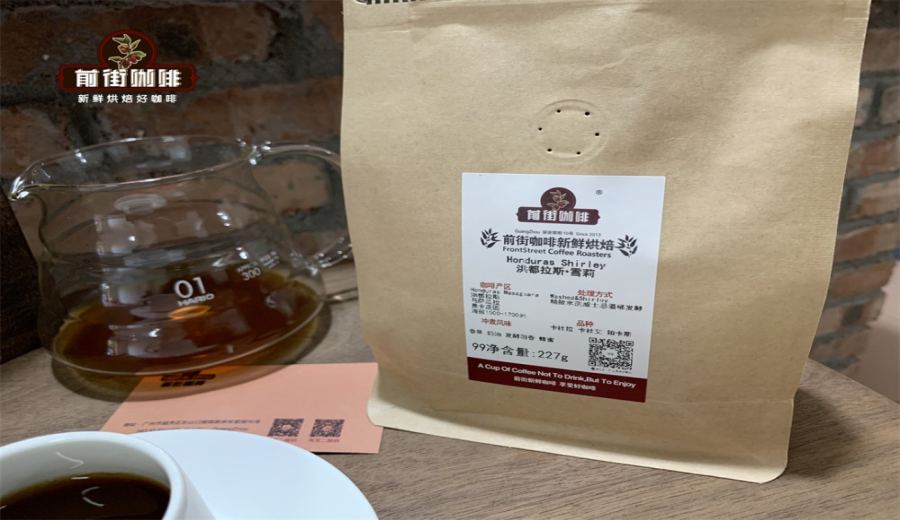
Introduction:An in-depth exploration of how the geographic features and microclimates of Honduras’ six major coffee-growing regions shape their unique flavor profiles—from varietal differences between Caturra and Pacas to the science behind sweet orange estate’s wine barrel fermentation process. This article provides complete pour over parameters for two popular processed coffees, Sherry and Litchi Orchid, along with flavor profile analyses to help you master the brewing essence of Central American specialty coffee.
With over 280,000 hectares of coffee cultivation nationwide, Honduras firmly holds the title of Central America’s largest coffee-producing country. While the international market remains focused on Blue Mountain or Costa Rica, this mountainous Central American nation has successfully differentiated itself in the fiercely competitive global market through innovative wine barrel fermentation techniques—producing specialty beans with whiskey aromas aged in sherry barrels, and Litchi Orchid coffee crafted in brandy barrels.
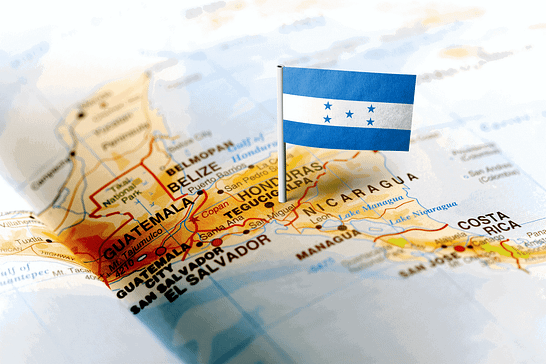
The longitudinal valley terrain of Central America endows Honduras with diverse microclimates, ranging from tropical rainforests along the Caribbean coast to highland areas bordering Nicaragua in the south. The complex topography with an elevation span of over 2,000 meters creates unique flavor expressions across each region. Though the predominantly mountainous terrain is less conducive to large-scale mechanization, it has fostered a refined processing workflow where the vast majority of coffee relies on manual harvesting—an essential factor in maintaining the high quality of Honduran coffee.
The distribution of producing regions exhibits clear geographic block characteristics:CopánLocated at the northwestern border with Guatemala,1000-1500 metersin altitude, combined with significant diurnal temperature variations, fosters coffees with pronounced floral characteristics;Montecillosbenefits from1200-1600 metersof high elevation and cool nighttime temperatures, allowing coffee cherries to ripen slowly and accumulate abundant sugars, yielding specialty beans with peach-apricot aromas and caramel sweetness. Located in the southeastern part of the country,Agaltaregion, within its1100-1400 metersaltitude range and tropical climate, produces a unique tropical fruit profile with a rich chocolate finish.
Delving into the representativeMocha Estate, this coffee plantation situated in the Jesús de Otoro Valley of Masaguara, owes its identity to the853 to 1500 metersof varying elevation, making it the birthplace of two wine barrel-processed beans. The surrounding mountainous terrain creates a distinctive microclimate, complemented by a local economy centered on coffee cultivation, ensuring precise quality control at every stage from planting to processing.
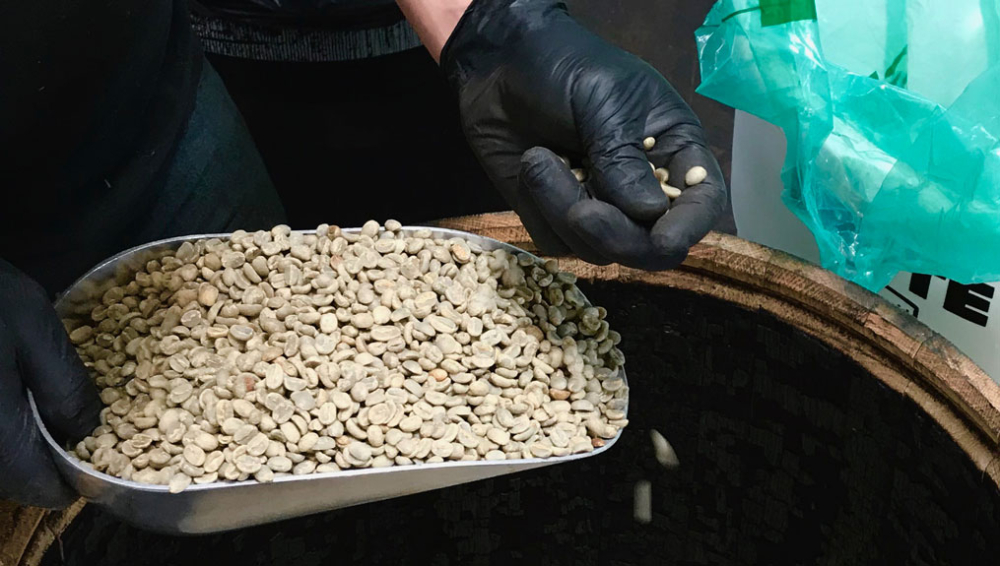
The physical characteristics of Honduran coffee beans significantly influence subsequent processing and extraction performance: their generally larger oval-shaped beans, rigorously hand-sorted to remove underripe fruits, ensure each bean reaches optimal maturity. Notably, local farmers maintain coffee tree heights below150 centimetersfor practical reasons—balancing ease of harvesting while avoiding the challenges and risks of tree damage associated with taller growth.
In terms of variety selection, Honduran coffee farms primarily cultivate five major Arabica cultivars:CaturraAs a natural mutation of Bourbon, its dwarf characteristics facilitate dense planting management;CatuaiIs a hybrid of Mundo Novo and Caturra, which, though less resistant to disease, excels in yield per unit area; thePacasvariety, originating from El Salvador, has demonstrated a combination of high yield and premium quality in Honduras after being introduced and improved by IHCAFE since 1974. These varietal differences further enrich the flavor profiles across each region.
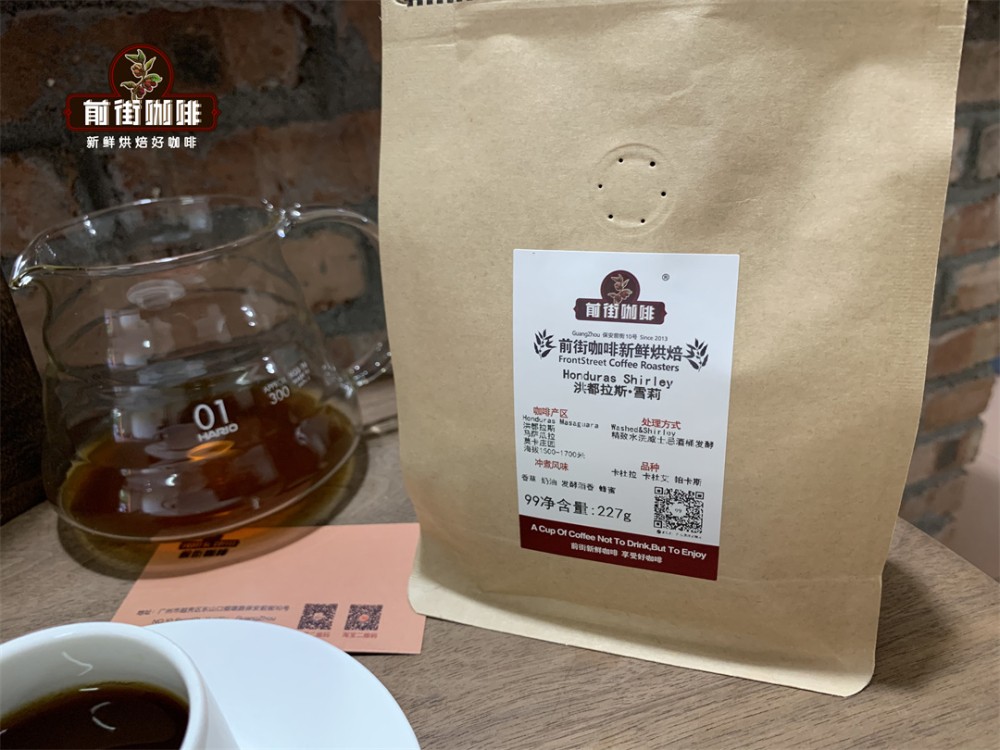
The key technical details of wine barrel processing deserve deeper understanding: the difference from traditional washed processing begins at the fermentation stage. After standard depulping, harvested coffee cherries are not directly transferred to water tanks for fermentation but are instead placed in wooden barrels previously used to storewhiskey (for Sherry coffee) or brandy (for Litchi Orchid coffee), undergoing15-20℃constant-temperature30-40 daymicrobial fermentation. During this process, the original esters in the barrels chemically react with the sugars inside the coffee beans, ultimately forming distinctive alcoholic aroma characteristics.
Professional pour over recommendations for wine barrel-processed beans: use aV60 filterwith a1:15 coffee-to-water ratio, setting the grind size tomedium-coarse (similar to coarse sugar, approximately 80% passing through a #20 sieve), with water temperature precisely controlled at91℃. The recommended segmented extraction process begins with a 30-second bloom usingdouble the coffee dose (30 grams) of water, followed by maintaininga slow, circular pour until reaching 125 grams for the first segment, with the total brew volume reaching225 gramsand allowing the V60 to fully drain (total time around2 minutes). This parameter setup effectively highlights the balanced expression of wine and fruity flavor layers.
Practical advice on coffee bean storage and freshness: although beans are most vibrant within the first 5 days post-roast, properly packaged coffee reaches its peak flavor after a4-7 dayresting period. For those who prefer freshly ground coffee, purchasing whole beans and grinding just before brewing is recommended to maximize the retention of volatile aromatic compounds. It’s important to note that once ground, oxidation accelerates significantly—aim to brew within24 hoursfor the optimal flavor experience.
The above content is compiled by CoffeeHunters, a coffee news website.


