







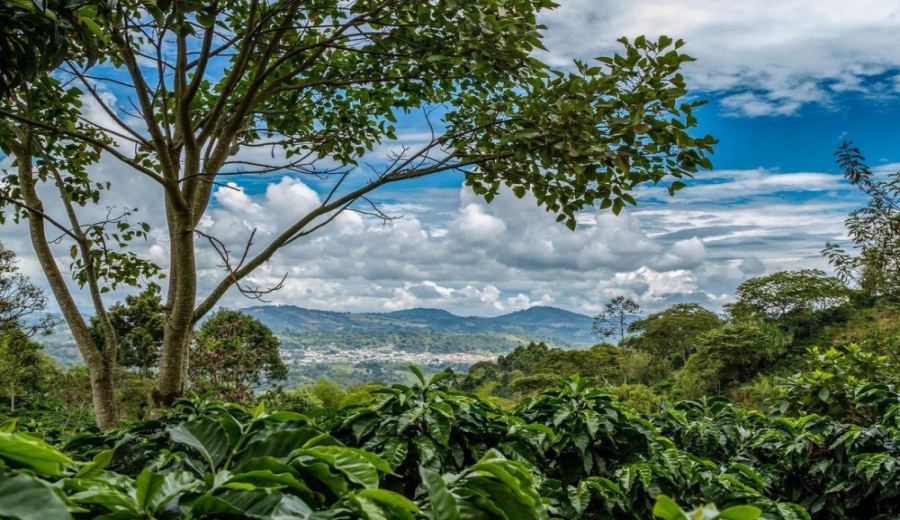
Introduction:Colombian Huila coffee is renowned for its captivating flavors of nuts, chocolate, and caramel, making it a popular choice among global specialty coffee enthusiasts. This article delves into the characteristics of Colombia’s major coffee-growing regions, highlights the unique taste profile of Huila coffee, and provides practical three-stage pour over techniques and roasting suggestions to help you master the extraction secrets of this classic bean flavor.
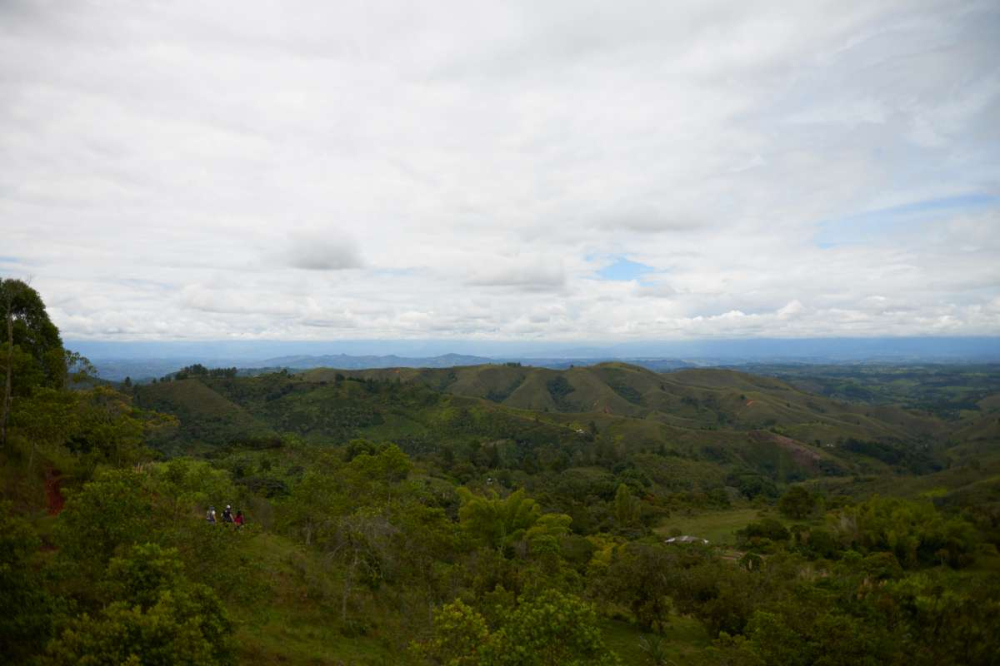
Thanks to its dual-port advantage of bordering both the Atlantic and Pacific Oceans, Colombia holds a significant competitive edge in the cost of coffee export transportation across South America. The country’s coffee-growing regions are distributed along the Eastern, Central, and Western Cordilleras, forming a diverse specialty coffee ecosystem that includes Medellín, Santander, Huila, Cauca, and Nariño. Each region, due to differences in altitude, climate, and soil, produces distinctly unique flavor profiles.
Most Colombian coffee-growing areas are located in high-altitude mountainous regions, particularly in the south such as Huila, Cauca, and Nariño, which are the most representative. Although these areas do not produce as much as the north, their cooler climate and significant day-night temperature variations result in pronounced acidity layers and distinctive aromas. In recent years, they have gradually become focal points in the global specialty market.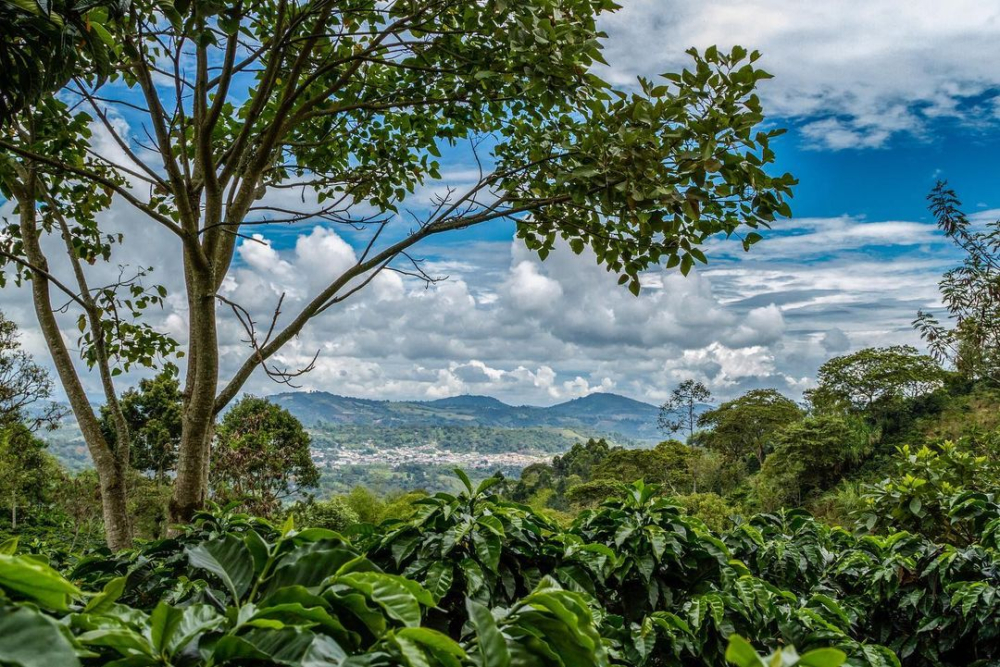
Located in northern Colombia, the Medellín region is known for its plump beans, clear aroma, and balanced acidity, and is regarded as a model of high-quality coffee in the country. The "MAM Golden Triangle" formed by Medellín, Armenia, and Manizales is favored for its high quality, rich aroma, and long aftertaste. Medellín coffee, carefully selected by the FNC association, also excels in flavor consistency and cleanliness, making it worthy of careful tasting by coffee enthusiasts.
Santander Province, as one of the earliest coffee-growing areas in Colombia, accounts for only about 5% of the country’s total production but holds a position that cannot be overlooked. The average altitude of the region ranges between 1,400 and 1,600 meters, with unique climatic conditions. Cupping tests show that its coffee beans often exhibit strong flavors, long-lasting aftertastes, and fresh herbal notes, making it suitable for drinkers who prefer complex flavors.
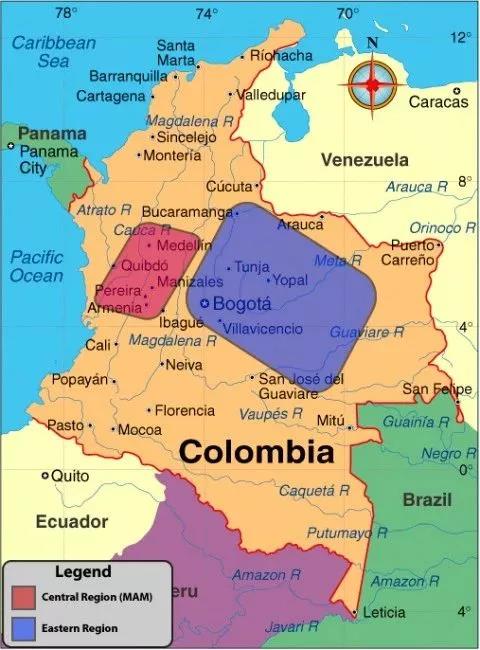
Huila is located in southwestern Colombia and is one of the country’s top coffee-producing regions, accounting for about 12% of total output. It includes several well-known sub-regions, often branded and circulated under regional names. Huila coffee is celebrated for its rich flavors of nuts, dark chocolate, and caramel. Cupping tests confirm that these characteristics are consistently present in most batches, making it a classic flavor favored by many baristas and amateur enthusiasts.
Cauca Province, situated in southwestern Colombia, contributes 8% of the nation’s coffee production and is an important region for the country’s coffee origin certification. The region has an average altitude of 1,758 meters, reaching up to 2,100 meters, with day-night temperature variations of up to 11°C. This environment helps coffee beans mature slowly, accumulating richer flavor compounds. Cauca coffee is known for its high acidity and natural sweetness, appealing to those seeking a refreshing balance of acid and sweetness.
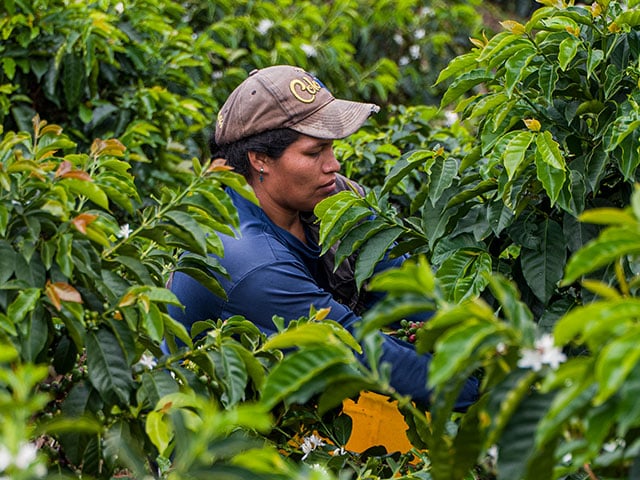
Nariño is located at the southwesternmost tip of Colombia. Though it accounts for only 3% of national production, it enjoys uniquely favorable growing conditions. The region lies near the equator, around 1 degree north latitude, with most areas exceeding 1,600 meters in altitude and some even reaching 2,300 meters. The area features numerous high mountains and volcanic soils, along with distinct wet and dry seasons, providing the nutrients and humidity regulation necessary for coffee growth. Nariño coffee often boasts intense fruit aromas and rich layers, making it an excellent choice for those seeking unique flavors.
For extraction, it is recommended to use a Hario V60 #01 filter, with water temperature controlled at 90-91°C, a coffee dosage of 15 grams, a 1:15 coffee-to-water ratio, and a grind size set to medium-fine (approximately 80% through a #20 sieve).It is suggested to use a three-stage pour over method:First, pour 30 grams of water for a 30-second bloom, then continue pouring in small circles until reaching 125 grams for the first pour. Once the water level drops and is about to expose the coffee bed, pour again up to 225 grams before stopping. Finally, remove the filter just before the water level is about to run out. The overall extraction time is recommended to be between 2 minutes 00 seconds and 2 minutes 10 seconds to fully release the coffee’s aroma and rich body.
During brewing, it is recommended to use freshly roasted coffee beans (preferably within 5 days of roasting) to achieve optimal flavor expression. Generally, the degassing period for coffee beans is about 4–7 days, during which the flavors gradually develop to their peak, allowing you to easily replicate a professional-level coffee experience at home.
The above content is compiled by CoffeeHunters, a coffee news website.


