







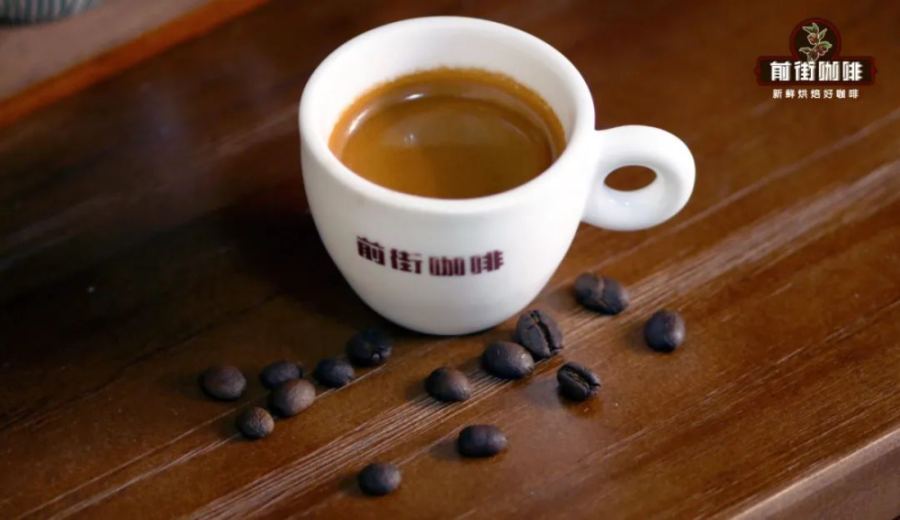
Introduction:Have you ever seen an “exchangeable for SOE” option on a coffee shop menu but weren’t sure how it differs from regular blends? This article delves into the definition of SOE (Single Origin Espresso), its differences compared to espresso blends, and explores aspects such as roast level, flavor profile, stability, and cost. It will help you understand when to choose SOE and when a blend might be more suitable, while also recommending several classic coffee beans ideal for SOE brewing, so you can make more informed coffee choices.
In recent years, more and more coffee shops have started offering “exchangeable for SOE” options on their menus, with some even featuring multiple SOEs from different origins for customers to choose from. However, many consumers still have only a vague understanding of what SOE means, and some even mistakenly believe it is necessarily more advanced or premium than blends. In fact, SOE stands for Single Origin Espresso, which refers to espresso made using beans from a single origin. This concept has gained popularity with the rise of specialty coffee, emphasizing that the beans come from a specific region and can showcase the unique terroir flavors of that area.
Compared to common espresso blends, the most distinctive feature of SOE is its “single origin.” Blends are typically made by mixing beans from two or more different countries or regions, aiming to achieve balanced, rich, and consistent flavors that are suitable for mass production and ensure uniformity in every cup. In contrast, SOE focuses on highlighting the unique characteristics of a particular origin—such as bright acidity, distinctive fruit notes, or floral aromas—so it is often roasted lighter to preserve more of the bean’s inherent flavor traits.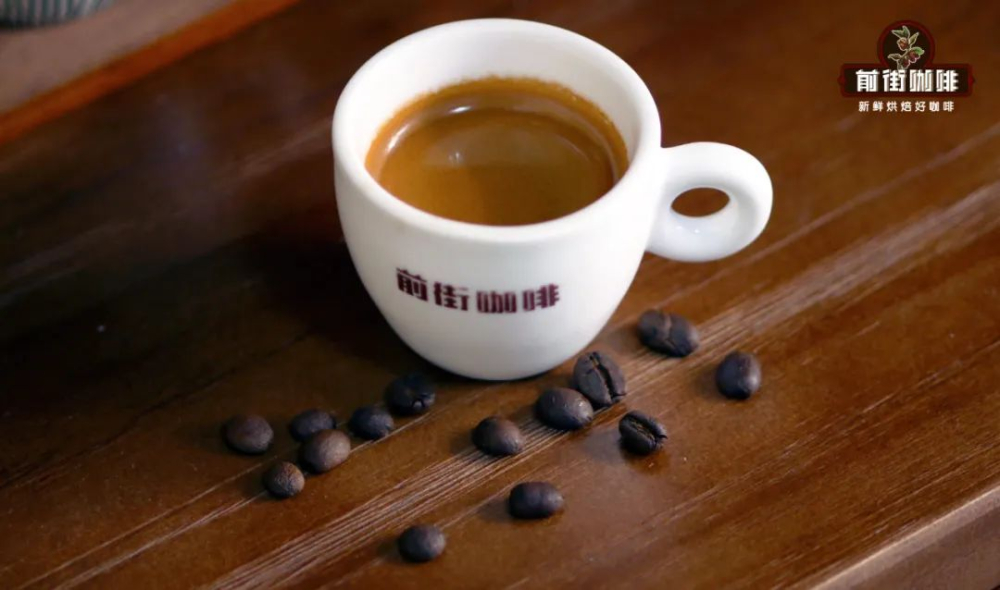
So, does SOE mean it’s better than a blend? The answer is not absolute. While SOE is favored by specialty coffee enthusiasts for its emphasis on regional characteristics, blends still hold clear advantages in terms of stability, cost control, and alignment with mainstream taste preferences. Especially for coffee shops, blends help ensure that the flavor of the espresso remains consistent every day, unaffected by the quality variations of individual batches, making it a key strategy for maintaining product quality.
From a roasting perspective, blends are often medium-dark to dark roasted to bring out rich, layered flavors like caramel, nuts, and dark chocolate, making them suitable as the base for various coffee beverages. On the other hand, SOEs are commonly light to medium roasted, aiming to enhance the brightness of fruit acids, floral notes, or citrus tones. However, this also places higher demands on the roaster’s skill—roasting too light may lead to under-extraction and a thin body, while roasting too dark can mask regional characteristics, leaving only roast flavors.
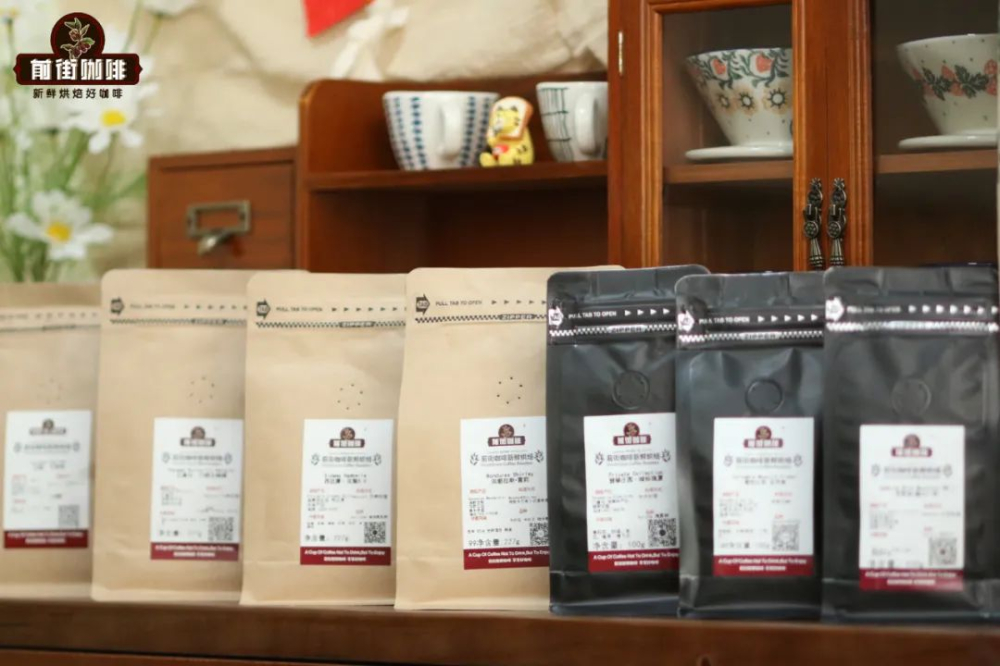
Many people notice that ordering an SOE often costs a few yuan more than a blend, mainly because the selection and processing of single-origin beans are usually more meticulous. Coffee beans used for SOEs mostly come from well-known origins such as Ethiopia, Costa Rica, or Brazil, and require high-quality green beans and skilled processing techniques to deliver rich flavors even with a light roast. Additionally, because the flavor characteristics of single-origin beans are more distinct, they tend to appeal more to consumers who enjoy exploring diverse coffee profiles.
Next, let’s take a look at several classic types of coffee beans suitable for making SOE and their flavor characteristics. First up is a brand’s Yirgacheffe Red Cherry Natural coffee bean. This bean already exhibits strong fruity and sweet notes when brewed using pour over, and when switched to SOE extraction with appropriately adjusted grind size, it can bring out layers of berries, citrus, and caramel—offering a balanced sweet-and-sour taste with a clean mouthfeel. When milk is added, it further reveals a honey-like sweetness.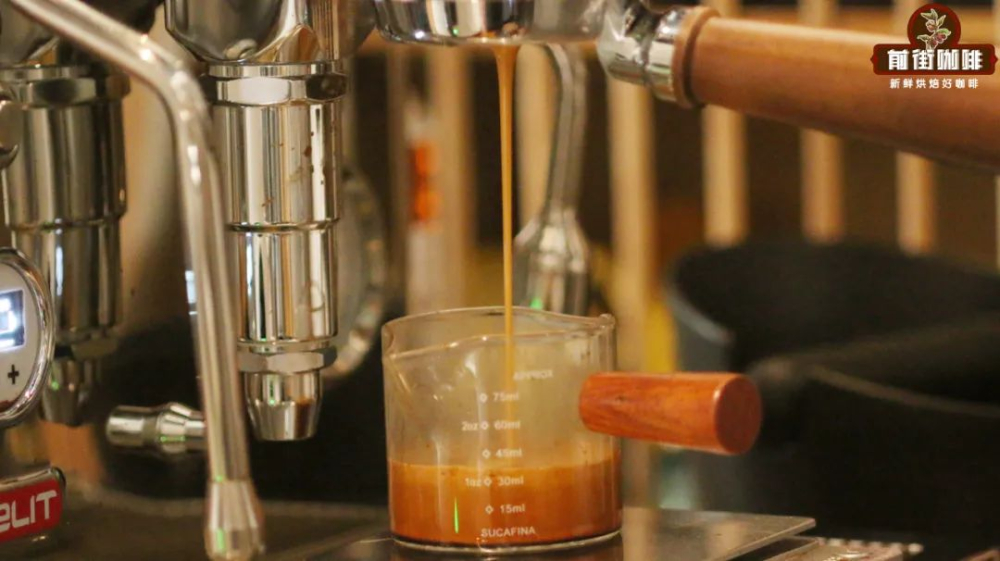
Another noteworthy option is a Honduran coffee bean processed in whiskey barrels with sherry influence. This bean undergoes a special barrel-aging process and, even with a medium roast, retains bright berry acidity and vanilla notes. As an SOE, it delivers a distinct whiskey aroma and vanilla biscuit tones, pairing smoothly with milk to produce a velvety texture reminiscent of chocolate cream. Overall, the flavor is soft yet layered.
The Mozart coffee bean from Costa Rica’s Musician Series excels in anaerobic honey processing, a method that maximizes sweetness and fruitiness during fermentation. When used for SOE extraction, it showcases intense tropical fruit aromas and fermentation notes, making it a must-try for coffee lovers who enjoy bright fruit flavors and unique processing methods.
Finally, if you prefer a smoother, more nutty flavor profile, consider the Yellow Bourbon beans from Brazil’s Queen Estate. The medium-dark roast gives it rich notes of cream, nuts, and peanuts. As an SOE, it offers a full-bodied mouthfeel with lingering chocolatey sweetness, making it perfect for milk-based coffees. It can also be enjoyed on its own to savor its round and full-bodied taste.
The above content is compiled by CoffeeHunters, a coffee news website.


