







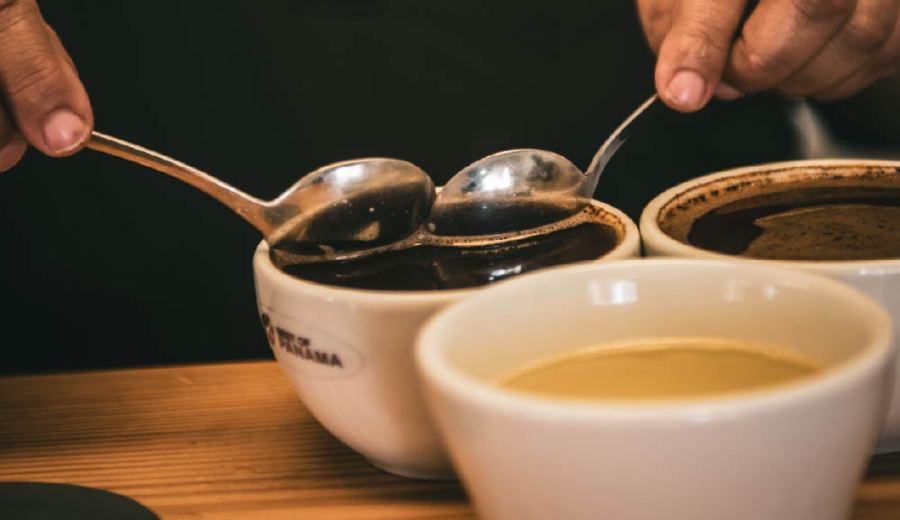
Introduction:Delve into the varietal origins, terroir characteristics, and market positioning of Panama’s Hacienda Esmeralda Geisha coffee. Analyze the practical differences between Red Label and Green Label grades and the impact of processing methods. This article will guide you through the stringent cultivation conditions required for high-altitude Geisha, the quality control logic behind auction lots, and provide shallow-roast pour over recommendations along with a three-stage extraction parameter guide to help you fully experience Geisha’s delicate floral-fruity notes and juicy mouthfeel.
In the world of specialty coffee, Geisha is undoubtedly one of the most iconic and legendary varieties. With its unique complex profile of citrus, floral, and peach notes, it has won the hearts of coffee lovers worldwide. Not only does it frequently rank among the world’s most expensive coffees, but it is also hailed by many baristas as “the aromatic art of coffee.” What exactly makes Geisha so special and highly priced? Let’s explore everything from its varietal origins to actual brewing and tasting practices.
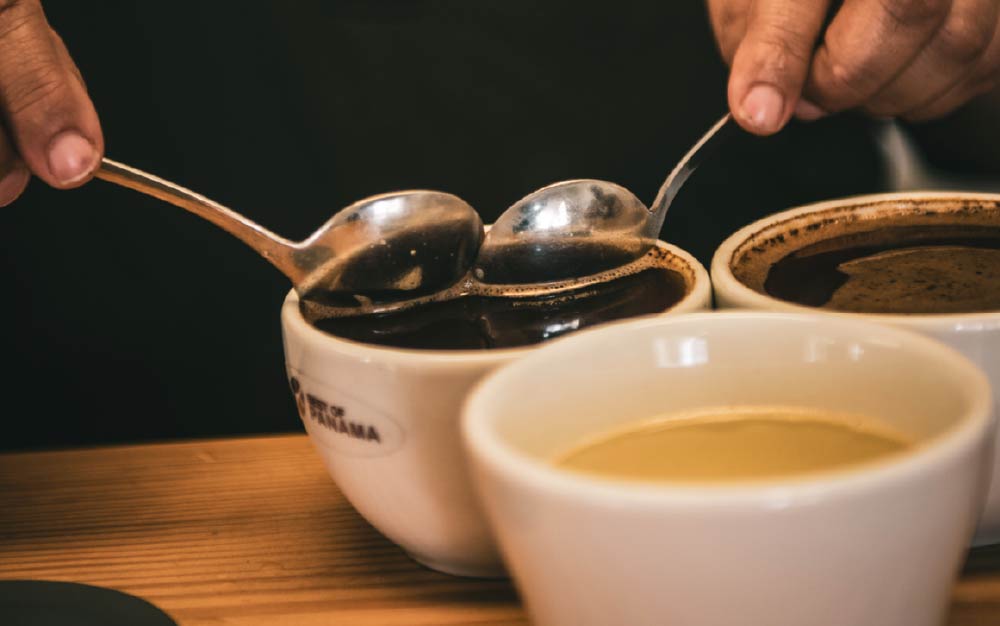
The widespread acclaim for Geisha coffee stems from its exquisite layers of aroma and bright acidity. Upon tasting, it often presents distinct notes of jasmine, citrus, and peach, followed by the sweetness of berries and honey in the mid-palate, with even an oolong-like aftertaste and lingering finish. Such flavor profiles can almost make you think you’re sipping fruit tea rather than a cup of black coffee. In fact, these traits of Geisha are closely related to its varietal genetics, growing altitude, climatic conditions, and post-harvest processing methods—each factor influencing the final cup profile.
However, the high price of Geisha is not solely due to its exceptional flavor but is also greatly affected by its extremely limited production. It is understood that Panama’s annual coffee output is about 10,000 tons, with Hacienda Esmeralda producing only around 150 bags of Geisha green beans per year—approximately 9,000 kilograms. Accounting for Geisha making up just 3% of total production, the actual volume of Geisha available in circulation is only about 270 kilograms. Coupled with market demand driven by its flavor profile and media attention, Geisha maintains its premium pricing status in the specialty coffee market. Furthermore, Geisha is inherently a low-yield and highly demanding variety, requiring very specific growing conditions, which further limits its potential for large-scale cultivation.
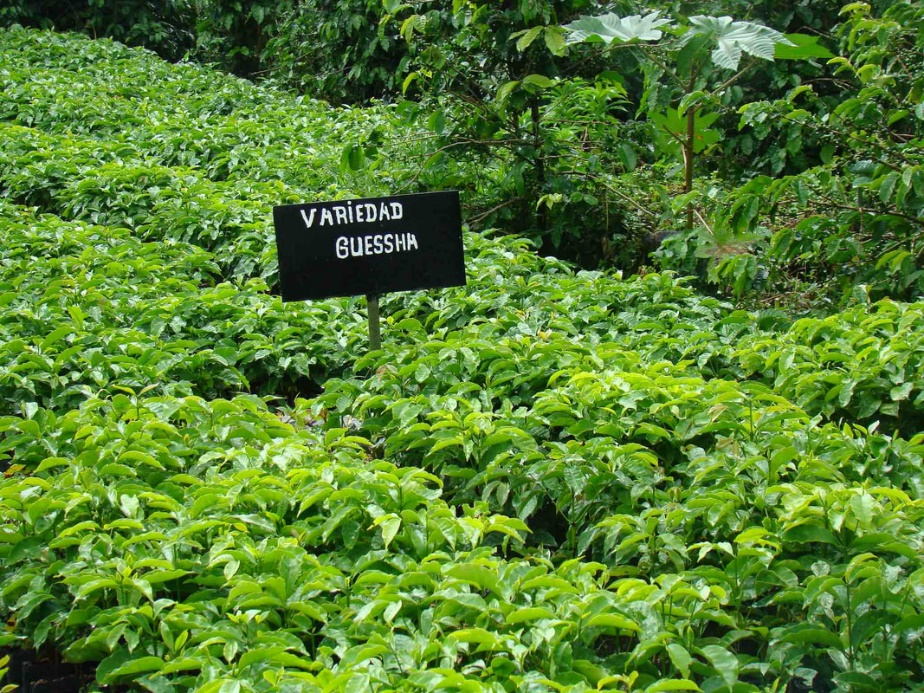
Tracing Geisha’s path to fame, one cannot overlook Panama’s Hacienda Esmeralda. According to the farm’s third-generation owner, Daniel, in 2003, after multiple tests and cuppings, he decided to enter the Geisha variety into that year’s Best of Panama (BOP) competition. Surprisingly, just two weeks before the competition, Geisha exhibited unprecedented complex aromas such as jasmine, citrus, peach, blueberry, and bergamot—notes that were not mainstream at the time—and this led Geisha to win the BOP championship in a single stroke. Between 2005 and 2007, Hacienda Esmeralda also entered Geisha into competitions organized by the Specialty Coffee Association of America (SCAA) and other international events, consistently achieving top honors and solidifying its status as a top-tier specialty coffee. To this day, although Geisha has been planted in various regions globally, the Geisha produced by Hacienda Esmeralda remains regarded as the benchmark that best showcases its classic flavors.
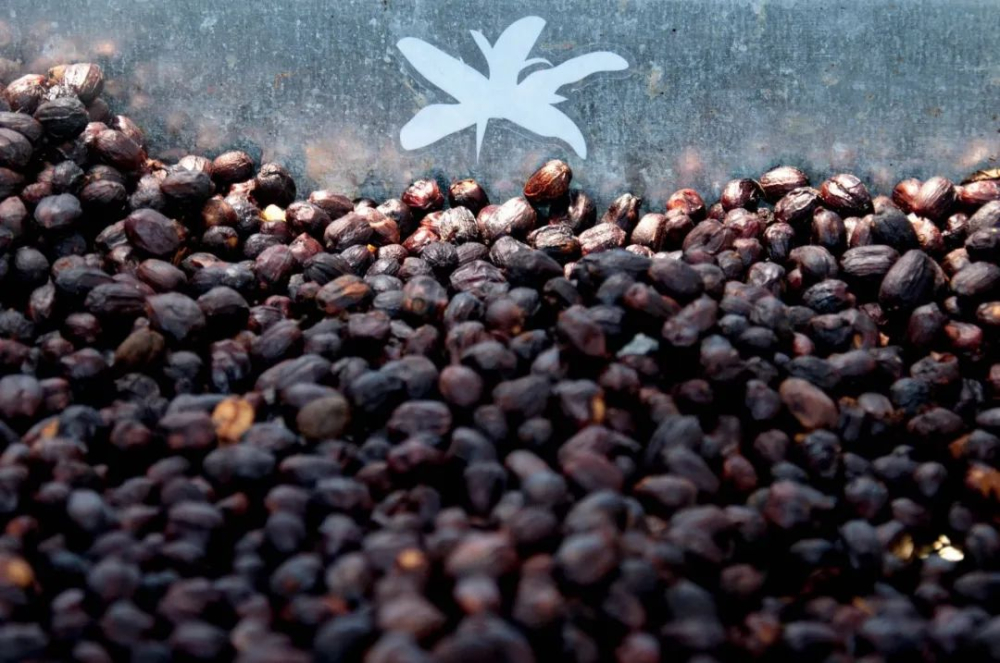
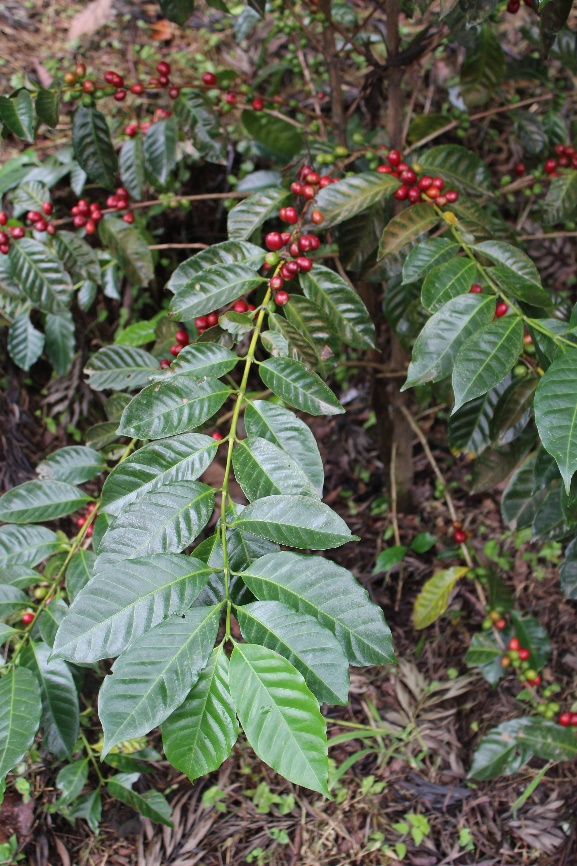
Among Hacienda Esmeralda’s product line, the most attention-grabbing are the Red Label and Green Label grades of Geisha. The Red Label, also known as “Esmeralda Special,” typically comes from extremely high-altitude plots such as Jaramillo and Cañas Verdes farms, grown at elevations of 1,600–1,800 meters. The Geisha from these lots not only generally scores above 90 points in cupping evaluations but also undergoes rigorous selection and a separate auction process. Auction batches of Red Label Geisha are further identified by specific plot numbers; for example, the famous Mario plot is highly sought after by coffee enthusiasts. The sun-dried Red Label Geisha we purchased comes from the Mario plot, emphasizing natural sun-drying processing to highlight intense tropical fruit and honeyed flavor notes.
In contrast, the Green Label Geisha belongs to the “Private Collection” grade. Though not part of the auction, it is still sourced from micro-lots within the same altitude range, such as Jaramillo and Cañas Verdes. Green Label mostly uses washed processing, and its flavor profile is fresher, commonly featuring notes of lemon, berries, pomelo, and Tieguanyin tea, all while showcasing the classic high-altitude characteristics of Geisha and maintaining a high degree of recognizability. Although Green Label is slightly lower in grade compared to Red Label, it remains a popular choice for many Geisha beginners.
To fully highlight Geisha’s delicate aromas and acidity, shallow roasting is the most common approach. During roasting, the roast curve is slightly adjusted based on the processing method (such as sun-dried or washed) to preserve as much of the original flavor as possible. Generally, shallow-roasted Geisha requires a higher brewing temperature and finer grind size during extraction to effectively release its aromatic compounds. It is recommended to use water heated to 92–93°C and a grind size of 80% passing through a #20 sieve (roughly the coarseness of fine sugar, e.g., ek43s grinder setting 10) to fully bring out the layered complexity of Geisha.
For brewing methods, the V60 filter cone is highly suitable for accentuating the aroma layers of Geisha due to its flow rate control and contact time characteristics. Its spiral flow channel design extends the water-coffee contact time and allows for more even extraction, making it especially well-suited for pursuing a Geisha pour over that balances citrus, berry, and floral notes. Below are the actual in-store Red Label Geisha pour over parameters and three-stage extraction steps for your reference:
Pour Over Parameters:
Filter Cone: V60 (resin material)
Water Temperature: 91–92°C
Coffee Dose: 15g
Coffee-to-Water Ratio: 1:16
Grind Size: 20# sieve 80% pass (approx. fine sugar coarseness)
Three-Stage Extraction Steps:
1. First pour: Add 30g of water and allow a 30-second bloom.
2. Second pour: Add 95g of water (total around 125g), completed within about 1 minute.
3. Third pour: When the water level drops to 2/3 of the coffee bed, add the final 100g of water (total around 225g), completed within about 1 minute 35 seconds.
4. Total drip time is about 2 minutes 10 seconds; remove the filter cone to finish extraction.
This extraction method fully showcases the rose-like floral, citrus, berry, and honey notes of the Geisha beans, accompanied by a soft black tea-like finish. The flavors remain enjoyable even as the coffee cools. Additionally, it is recommended to consume the coffee within 5 days post-roast to achieve the optimal aromatic and flavor experience.
The above content is compiled by CoffeeHunters, a coffee news website.


