







Introduction:Mandheling coffee is renowned for its rich and full-bodied flavor, but do you know the unique characteristics and origins of its four major types—Lintong, Golden, Tiger, and Aged? This article will delve into the sources, processing methods, and traits of these well-known Sumatran Mandheling varieties, along with an analysis of their physical green bean appearance and flavor profiles to help you choose the Mandheling beans that best suit your taste.
Mandheling coffee is beloved by coffee enthusiasts worldwide for its deep, intense flavors, yet many remain only vaguely familiar with its four classic categories: Lintong, Golden, Tiger, and Aged. Starting with a geographical exploration of Sumatra’s growing regions, this article will guide you through the origin details, processing techniques, signature flavors, and differences between each type, giving you more confidence in selecting and brewing your Mandheling beans.
The term "Mandheling" generally refers to coffee grown in the southern part of Sumatra, Indonesia, particularly around Lintong and Lake Toba, primarily cultivated from Typica-related varieties such as Typica or its derivatives. These mountainous regions sit at around 900 meters above sea level, with cool and stable climates that provide ideal conditions for coffee cultivation. It's worth noting that although Lintong is considered the core Mandheling-producing area, its defined region has gradually shrunk in recent years, now more precisely pointing to the vicinity of Lintongnihuta. Meanwhile, the Lake Toba area has long been a traditional hub for Mandheling cultivation, together with Lintong forming the classic image of Sumatran coffee.
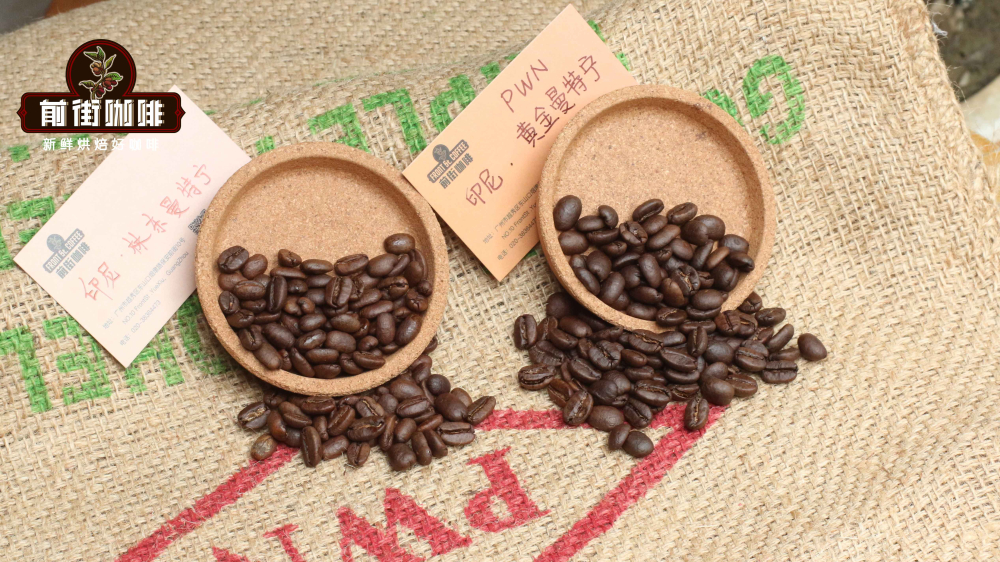
Lintong Mandheling can be further subdivided into regionally specialized products, such as those from Sidikalang (abbreviated as SDK), though the broader term “Lintong” remains widely used in the market. Coffee from this area typically features a rich mouthfeel, with layered notes of herbs, chocolate, and caramel, high body, and overall good balance.
Golden Mandheling is a premium specialty coffee from the Lintong region. Its most distinctive feature lies in its extremely rigorous manual selection process. From the harvesting stage, only fully ripe coffee cherries are chosen, followed by semi-washed (SEMI-WASHED) processing and natural sun drying. After hulling, the beans undergo a second drying phase and multiple rounds of cleaning and hand-sorting, totaling four rounds of selection to ensure the quality of each green bean. This meticulous processing gives Golden Mandheling complex flavors of nuts, spices, licorice, chocolate, and caramel, with low acidity and a smooth, clean mouthfeel—perfect for those who enjoy rich, sweet profiles.
Tiger Mandheling comes from Aceh in northern Sumatra, where coffee is the second-largest export crop. However, as most producers are smallholder farmers (with farms of about 1 to 2 hectares each), the supply chain still largely relies on multiple layers of middlemen, with direct trade being relatively rare. Tiger Mandheling emphasizes sweetness and a clear flavor profile, often showcasing notes of nuts, cream, dark chocolate, and caramel, with a faint hint of a unique herbal aroma reminiscent of traditional Chinese medicine. It is understood that a well-known coffee brand evaluates Tiger Mandheling based on criteria including beans larger than screen size 17, with a defect rate below 4%, ensuring consistent flavor and stable quality.
Aged Mandheling is a specially processed coffee bean, and it is not simply a matter of storing green beans for an extended period. Improper storage can lead to spoilage, discoloration, or even off-flavors. Truly qualified aged coffee must undergo 2 to 3 years of natural maturation in a cool, ventilated environment, during which acidity gradually decreases, the bean structure becomes denser, and flavors shift toward pu-erh-like notes, caramel, herbs, and chocolate. Due to the prolonged storage time, some Aged Mandheling may exhibit complex aromas similar to burlap or leather, which is normal. Visually, the green beans often appear orange-black with pronounced wrinkles, though their size remains relatively uniform.
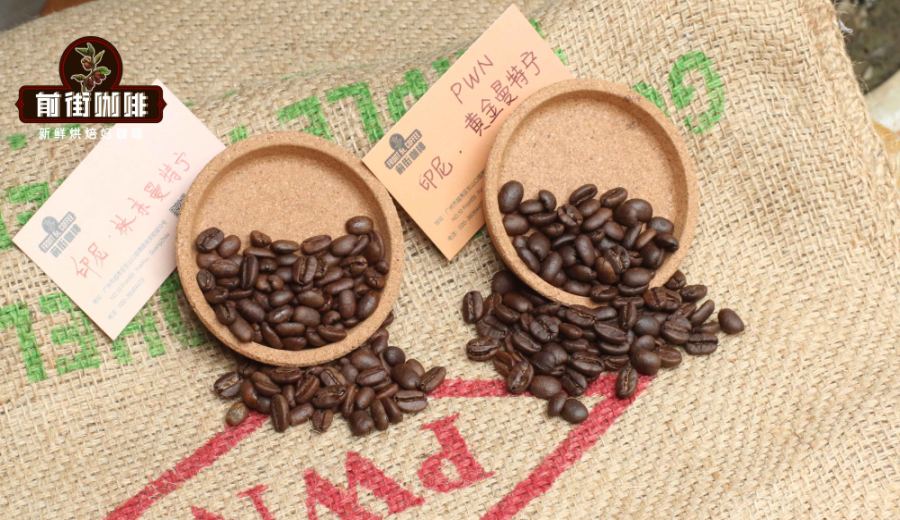
In terms of green bean appearance, the various Mandheling types also show distinct differences.Golden MandhelingWith a high screen size of 18+, large bean size, and dark green raw color, its quality is notably high;Tiger MandhelingFeatures round beans, with a slightly yellowish-green hue and excellent uniformity;Lintong MandhelingTends to have a grayish-green color, inconsistent sizes, and slightly lower uniformity;Aged MandhelingGreen beans are orange-black with noticeable wrinkles, but relatively consistent in size, which is one of its distinguishing features.
Additionally, Mandheling coffee often has a higher proportion of peaberry beans, which is related to the higher moisture content and softer bean texture during early hulling—a regional characteristic of Sumatran coffee. If you’re looking to select Mandheling suitable for pour over, it is recommended to choose based on flavor preference: for bold and herbal notes, consider Lintong or Aged; for smooth sweetness and spice, Golden Mandheling is a great choice; if you seek sweetness and complex aromatics, Tiger Mandheling is worth trying.
The above content is compiled by CoffeeHunters, a coffee news website.


