







Introduction:Located in the Gedeb micro-region at the southern tip of Yirgacheffe, the Gedeo Cooperative produces high-altitude native variety coffee beans using traditional washed and natural processing methods, creating unique fruit and floral flavor profiles. This article delves into the cooperative’s development background, regional characteristics, details how washed and natural processing methods influence flavor, and pairs practical roasting curves and pour over parameters to guide readers in exploring the layered charm of this specialty coffee.
Yirgacheffe is one of Ethiopia’s most representative specialty coffee regions. Its name originates from a combination of local words meaning "to settle down" and "wetland," reflecting the area’s cool and humid climate. This small town, situated in the northwest of the Sidamo region, generally sits at an elevation between 1700 and 2100 meters, making it not only one of Ethiopia’s highest-altitude coffee-growing areas but also a region that, thanks to its unique microclimate, produces coffee beans with distinct floral and fruity notes.
Traditionally, coffee in Yirgacheffe has been primarily cultivated by smallholder farmers. The garden-style cultivation results in limited yields per household but helps maintain the purity of the beans’ flavors. When it comes to the typical flavor profile of this region, many people immediately think of bright citrus acidity, jasmine and white floral notes, as well as fruity and tea-like sweetness in the aftertaste from peaches and almonds—traits that form the core impression of what is known as the “Yirgacheffe flavor.”
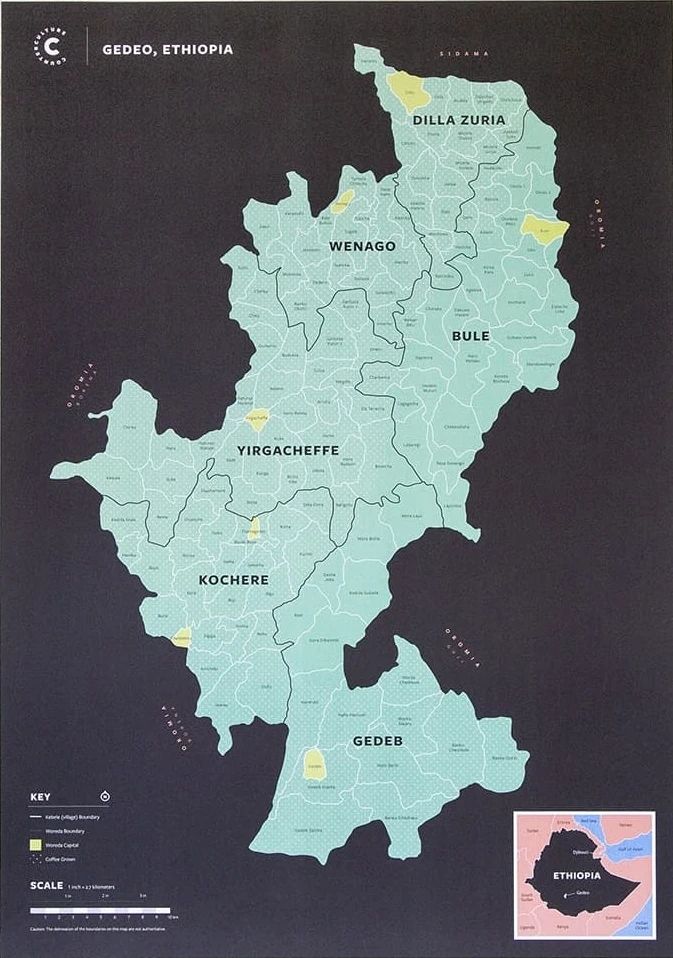
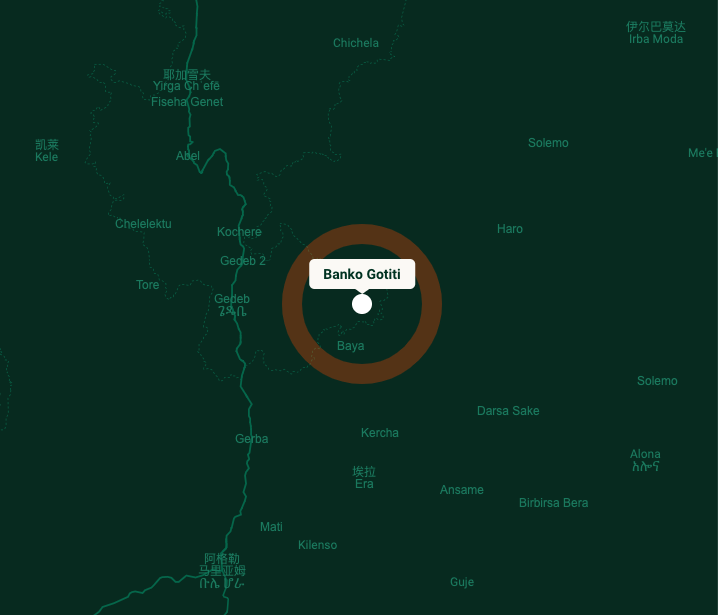
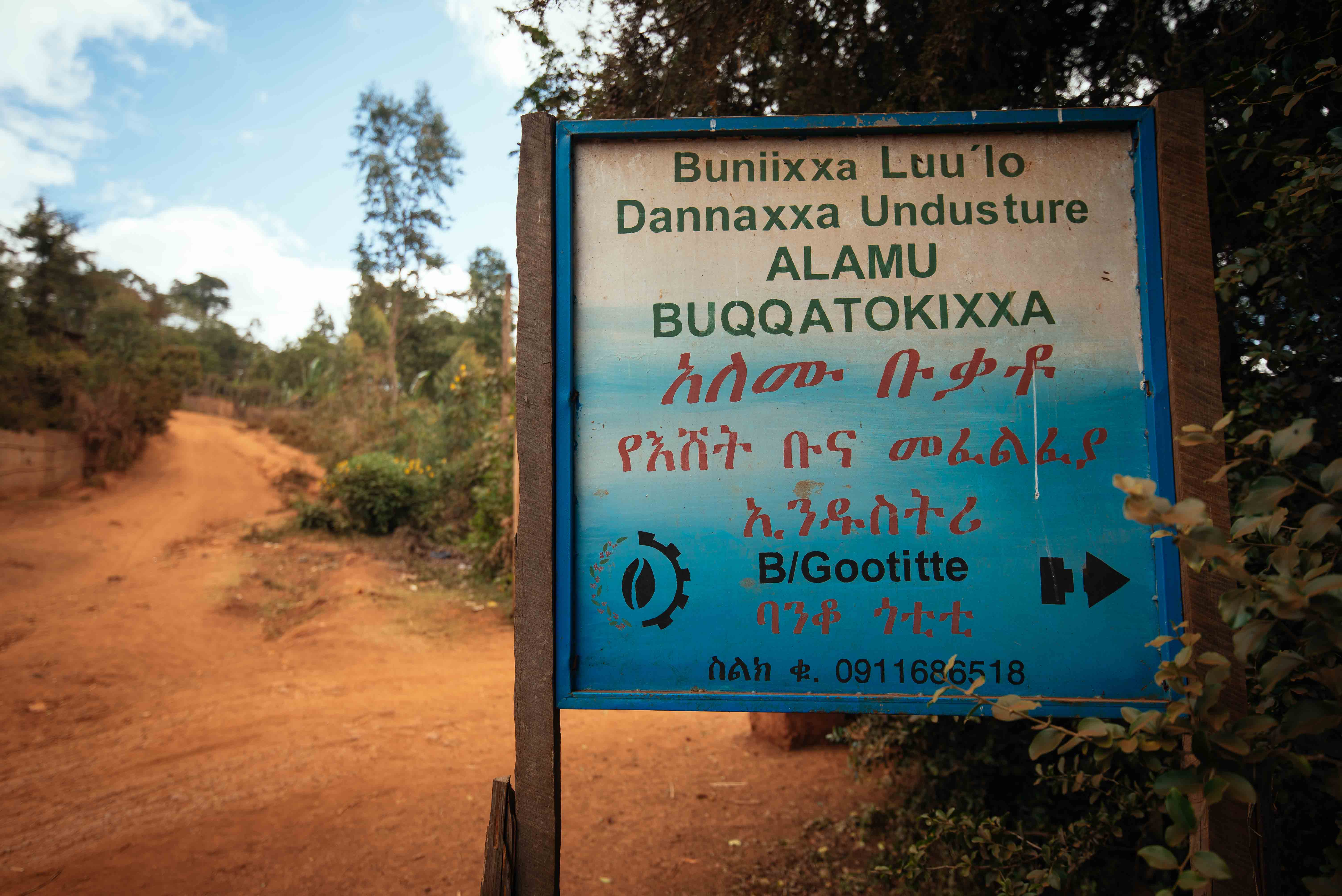
Further south into Yirgacheffe lies the Gedeb region, a micro-area that has gradually emerged as an important player in the specialty coffee market in recent years. This town, located below the town of Kochere, sits at an even higher overall elevation, roughly between 1900 and 2200 meters, offering cooler climatic conditions ideal for the slow ripening of coffee cherries. Although classified under the Kochere region in the ECX auction system, Gedeb is actually an administrative peer to Kochere. Its numerous villages—including Worka Sakaro, Hallo Bayletti, Banko Gotiti, and Banko Dharta—are key coffee-producing areas.
The Gedeo Cooperative was formerly part of the Worka Cooperative under the Yirgacheffe Coffee Farmers Cooperative Union (YCFCU) before becoming independently operational in 2012. It currently consists of around 300 smallholder farmers. The cooperative has chosen to stick with traditional natural and washed processing methods, striving to preserve the most authentic flavor characteristics of the coffee beans, which is why it has been praised by many coffee enthusiasts as the “last pure land of Yirgacheffe.”
In Ethiopia, the diversity of coffee varieties is arguably unparalleled globally. Since most plants grow in wild or semi-wild states and have long avoided artificial selection, identifying and classifying varieties is extremely difficult. Official data shows that nearly 2000 coffee varieties are recorded in the country, of which 1927 are native varieties, with the rest being introduced from abroad. This diversity gives Ethiopian coffee its often richly varied flavor profiles, which is also the origin of the umbrella term “Heirloom (native variety).” Due to large variations in appearance among varieties, uneven bean sizes are quite common.
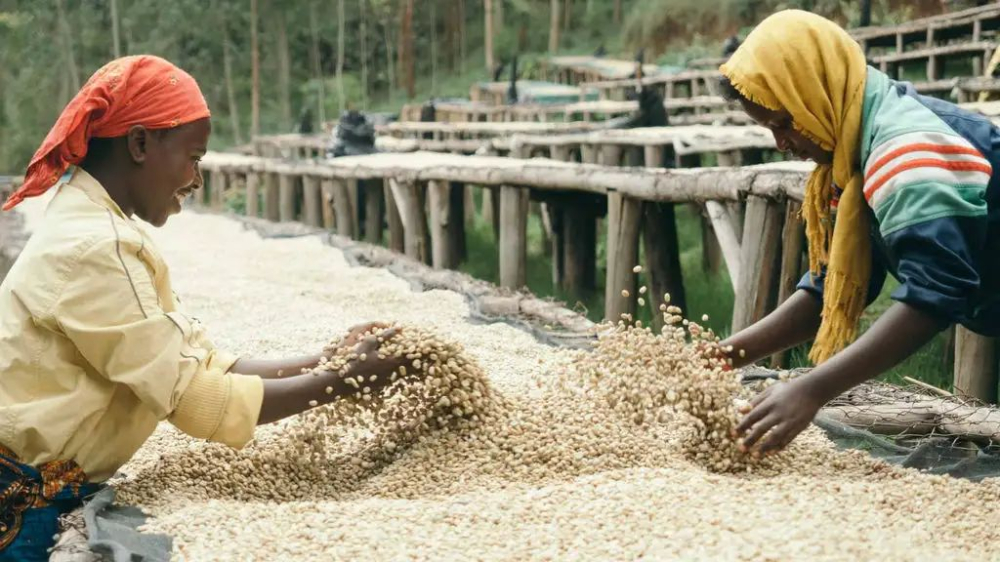
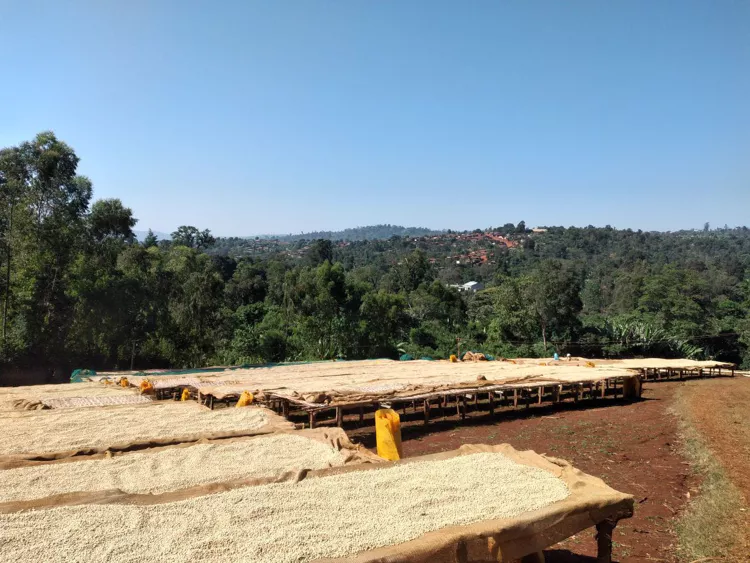
The Gedeo Cooperative mainly employs two traditional processing methods: washed and natural. Among these, washed processing can be traced back to a technique introduced to Ethiopia from Central and South America in 1972. Though the procedure is complex and water-intensive, it highlights the coffee beans’ inherent bright acidity and floral features. The standard washed process includes: using floatation to remove unripe cherries, mechanically removing the pulp and skin, fermenting in tanks to break down the mucilage layer, washing in channels to remove defective beans, and finally evenly spreading the parchment beans on African beds to dry. This method often brings out bright citrus tones, delicate white floral notes, and a silky-smooth mouthfeel.
In contrast, natural processing better preserves the fruity aroma of the coffee cherry, giving the beans richer tropical fruit and berry notes. The natural beans from the Gedeo Cooperative, through proper drying control and fermentation management, often present a creamy richness, honey-like sweetness, and a lingering citrusy acidity and sweetness in the aftertaste, adding more complexity to the overall flavor profile.
From a roasting perspective, the light roast strategy adopted by this roaster fully showcases the flexibility and aromatic potential of Yirgacheffe beans. Taking the Yangjia 800N roaster as an example, the initial charge temperature is set at 175°C, with the damper initially at 3 and the heat maintained at 120. When the turnaround point is reached at 1’32” and the drum temperature drops to 140°C, the damper is adjusted to 4. At this stage, the bean surface turns from green to yellow, and the grassy aroma gradually fades, entering the crucial dehydration phase. Subsequently, based on changes in bean color and temperature, the heat is gradually reduced to 100 and then 80, stabilizing the thermal output during the dehydration process.
When the time reaches 8’28”, the bean surface begins to show obvious quaker marks and black speckles. At this point, the toast-like aroma transitions into a rich coffee fragrance, signaling the approach of first crack. By 9’38”, when first crack begins, the roast is extended with a small flame for 1’30”, and the roast is completed at a final drum temperature of 193.5°C. According to Agtron measurements, the bean color value is 74.6, the crema value is 79.8, and the Roast Delta value is 5.2, indicating a balanced roast level between light and light-medium.
Actual cupping results show that this naturally processed Gedeo coffee has a clear and distinguishable flavor profile, mainly characterized by the bright acidity and sweetness of tropical fruits, the creamy richness, the natural sweetness of honey, and the vibrant layers of berries, with a distinctly citrusy aftertaste. The overall performance is both vibrant and delicately balanced.
For home brewers hoping to recreate this professional-level flavor, it is recommended to use a Hario V60 dripper, with the water temperature controlled at 91°C, a coffee dose of 15 grams, a 1:15 coffee-to-water ratio, and a medium-fine grind size (about 80% passing through a Chinese standard No. 20 sieve). For specific brewing, a step extraction technique can be used: start with a 34-gram bloom for 36 seconds, then pour in a small circular motion until reaching 120 grams for the first pour; when the water level is about to expose the coffee bed, continue pouring to 229 grams and stop, then wait for the water level in the dripper to drop again before removing the dripper. The total brew time is approximately 2 minutes.
The above content is compiled by CoffeeHunters, a coffee news website.


