







Introduction:Understanding the quality characteristics of green coffee beans, their yearly classification, and methods of transportation and storage are essential skills for every coffee enthusiast. This article provides a detailed analysis of how to assess the quality of green beans by examining details such as color, moisture content, and gloss, understanding the differences between new crop, current season, past crop, and aged beans, and exploring how shipping methods such as sea freight and cold packaging affect flavor. Finally, it offers practical storage tips to help you master the secrets of a great cup of coffee from the very beginning.
As the starting point of a cup of coffee, the quality of green coffee beans directly impacts the final flavor profile. Whether you’re a beginner in the world of coffee or a professional roaster, understanding the various characteristics of green beans is a crucial step toward enhancing your coffee tasting experience. From external aspects such as color and gloss to internal factors like moisture content, as well as yearly classifications and appropriate methods of transportation and storage, each aspect holds the key to unlocking flavor.
I. How to Evaluate the Quality of Green Coffee Beans Through Appearance?
Judging the quality of green beans isn’t just about the percentage of defective beans — it also involves observing details such as color, gloss, and moisture content, all of which can affect the final brewing performance.
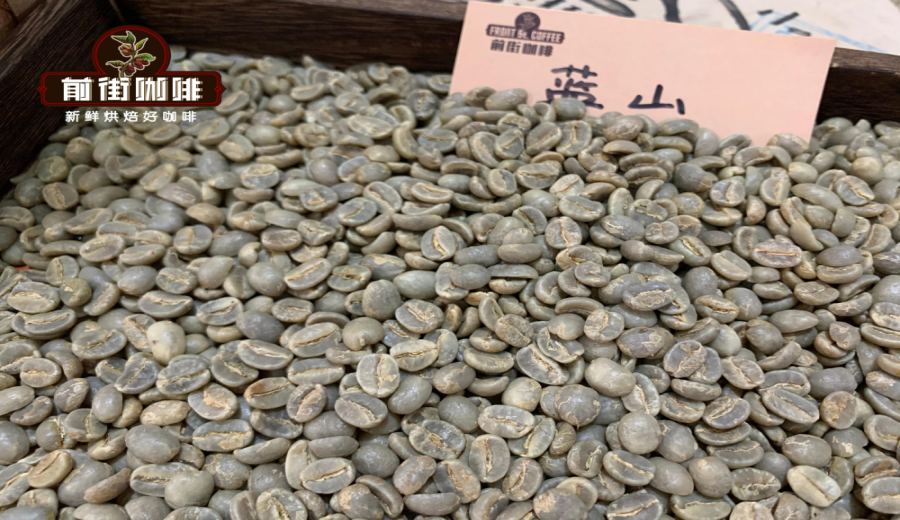
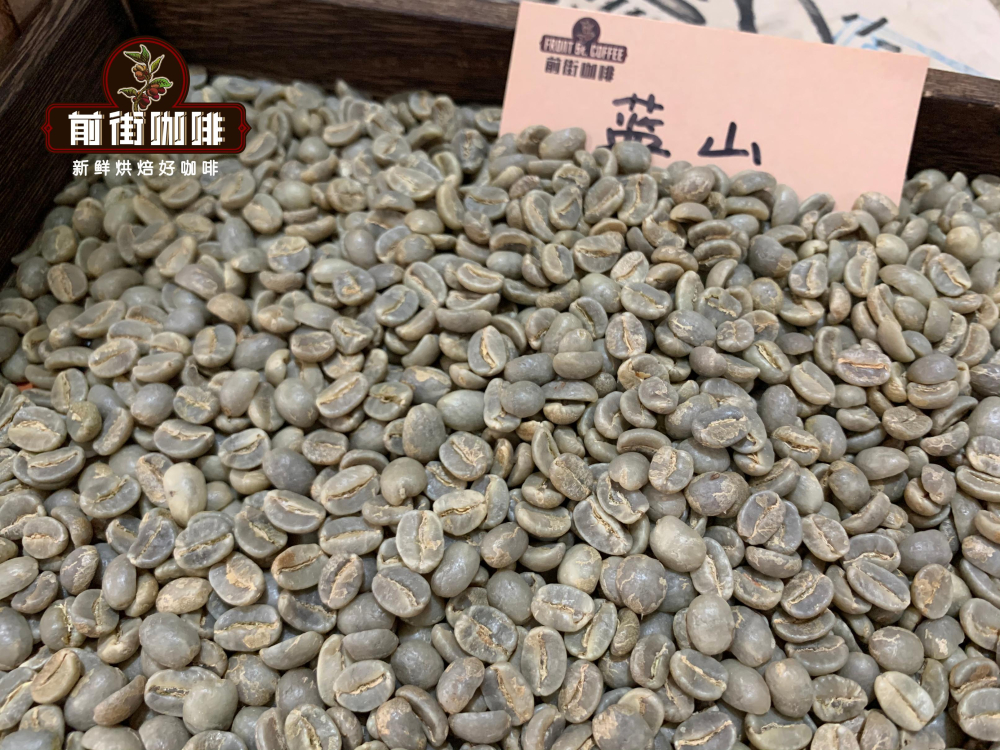
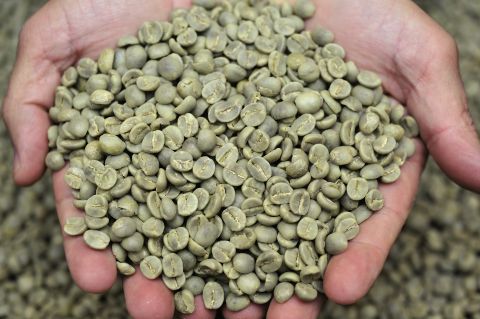
First, look atColor, which varies depending on the processing method. Washed processed coffee beans typically exhibit a bluish-green hue, especially when fresh, but over time they gradually turn green or yellow, and their aroma also diminishes. Generally, freshly harvested washed beans tend to be bluish-green, while natural sun-dried beans are often darker green. Additionally, origin plays a role — for instance, freshly harvested beans from Central America are usually bluish-green, whereas those from East African regions tend to be lighter green. However, color is only one reference factor and should be assessed alongside other elements.
Next isMoisture Content, a key factor in preserving aroma. The moisture content of green beans for export is usually controlled around 12%, but this can fluctuate with seasonal changes as beans in storage absorb or lose moisture due to humidity. For example, during the rainy season or summer, green beans tend to absorb moisture from the air; whereas in dry autumn, moisture evaporates. These fluctuations can alter bean hardness and flavor expression — for instance, beans imported in May or June are usually firmer, but if stored for over six months in a dry and cold environment, moisture loss may lead to a decline in acidity and aroma.
Finally, there’sGloss. Some green beans have a waxy, shiny surface — for example, washed-process Typica varieties from Panama, Colombia, and Hawaii exhibit excellent gloss. In contrast, natural sun-dried beans tend to appear duller. While glossy beans may look more appealing, there is no absolute correlation between gloss and aroma quality, so a comprehensive assessment using other indicators is still necessary.
II. Yearly Classification of Green Beans and Flavor Differences
Green coffee beans are usually named according to their harvest year to distinguish batches and flavor stages. Understanding these classifications helps in selecting the most suitable beans.
New Croprefers to green beans harvested in the current year, typically the latest batch from that harvest year. Some years span two calendar years — for example, 09-10 indicates beans harvested from 2009 to 2010 — and remain classified as new crop until the next season’s new beans arrive. New crop beans contain higher levels of chlorogenic acids and sugars, offering bright flavors and vibrant aromas, but may carry grassy notes right after drying. They require a resting period to allow enzymatic activity to stabilize the aroma.
Current Season Croprefers to the stock of beans available before the next arrival of beans from the same harvest season, or the inventory before the next harvest. The quality of such beans is closely related to storage conditions; improper drying can easily result in hay-like flavors.
Past Croprefers to green beans harvested in the previous year. For example, beans from the 08-09 harvest are considered past crop relative to the 09-10 harvest. Over time, the acidity and aroma of past crop beans gradually fade, and if not stored properly, flavor degradation may occur within a year, sometimes accompanied by hay-like notes.
As forAged Beans, these are beans harvested more than two years ago, such as those from the 07-08 harvest or earlier. Such beans have largely lost their organic acids and aromatic compounds, often exhibiting hay or straw-like flavors, and may even develop a woody or moldy smell. Although some collectors specifically seek aged beans, strict control of storage conditions is essential to maintain their flavor — otherwise, it’s difficult to preserve their qualities.
III. Transportation and Storage: How to Keep Green Beans in Optimal Condition?
Most green coffee beans are exported by sea, and due to the long transit times, temperature variations during the journey can impact the beans. For example, shipping from Central and South America or Africa to their destination takes about a month, and the higher temperatures near the equator can stress the beans. Additionally, port environments in certain origins, such as Tanzania, with their high heat and humidity, can also negatively affect quality.
To minimize losses, the industry commonly employs the following methods:
First isRefrigerated Containers, also known as cold containers, which reduce the impact of high temperatures on green beans and help maintain the quality state at the time of export.
Second isCold Storage, especially in regions with hot, humid summers or overly dry winters. Storing green beans in temperature-controlled warehouses — ideally set around 15°C during summer — can effectively slow down flavor loss.
In terms ofPackaging Methods, common options include jute bags and vacuum bags. Jute bags typically have a three-layer structure with microporous plastic lining, providing a degree of protection against damage and bean spillage. In recent years, an increasing number of exporters have adoptedVacuum Packaging— for instance, Brazil’s DATERRA estate was among the first to use vacuum aluminum foil bags, then pack them in cartons for export, effectively blocking oxygen and slowing oxidation reactions.
IV. The Golden Rules of Green Bean Storage
Although green beans have a much longer shelf life than roasted beans, their flavor compounds still gradually degrade over time. Extending their peak flavor period is an ongoing area of research in the industry.
Research shows that the ideal storage method is to place green beans in vacuum-sealed packaging and then store them in a freezer. This environment blocks moisture and odors, effectively prevents oxygen from entering, and slows down the beans’ respiration and oxidation rate. However, vacuum-freezing requires certain equipment and energy costs, so many coffee businesses only use this method for high-value premium beans, while storing regular beans at room temperature or in cold storage.
It’s important to note that if you’re using vacuum-frozen green beans, you must allow them to come to room temperature before roasting. It’s recommended to take the beans out of the freezer one day before roasting and let them naturally warm up to ambient temperature to avoid condensation that could affect the roasting results.
The above content is compiled by CoffeeHunters, a coffee news website.


