








Introduction:Want to understand where the "rich body" of a cup of coffee comes from? This article delves into the key factors that influence the body of coffee, starting with roast level, and explores the unique flavor profiles of classic dark roast beans such as Golden Mandheling and Queen Estate. It also offers four practical adjustment directions—coffee-to-water ratio, brew time, filter choice, and pouring technique—to help you solve the issue of thin-tasting pour over coffee and create a well-balanced, layered coffee experience.
We often hear people describe a cup of coffee as "strong, rich, and sweet," but "strong" and "rich" are actually two very different sensations. Strength refers to concentration, while richness refers to the texture and body of the coffee in your mouth. This article will start with coffee roasting to help you understand what we mean by the "body" of coffee, and analyze which factors contribute to a thicker, more substantial mouthfeel.

Coffee beans on the market can generally be divided into three roast levels: light, medium, and dark. If you prefer a coffee with a rich, bold flavor, it’s recommended to start with medium-dark roasts. As roast time increases, more caramelization reactions occur inside the beans, releasing deep, captivating aromas such as chocolate, toasted bread, cocoa, nuts, and butter, while also making the coffee taste fuller and more robust.
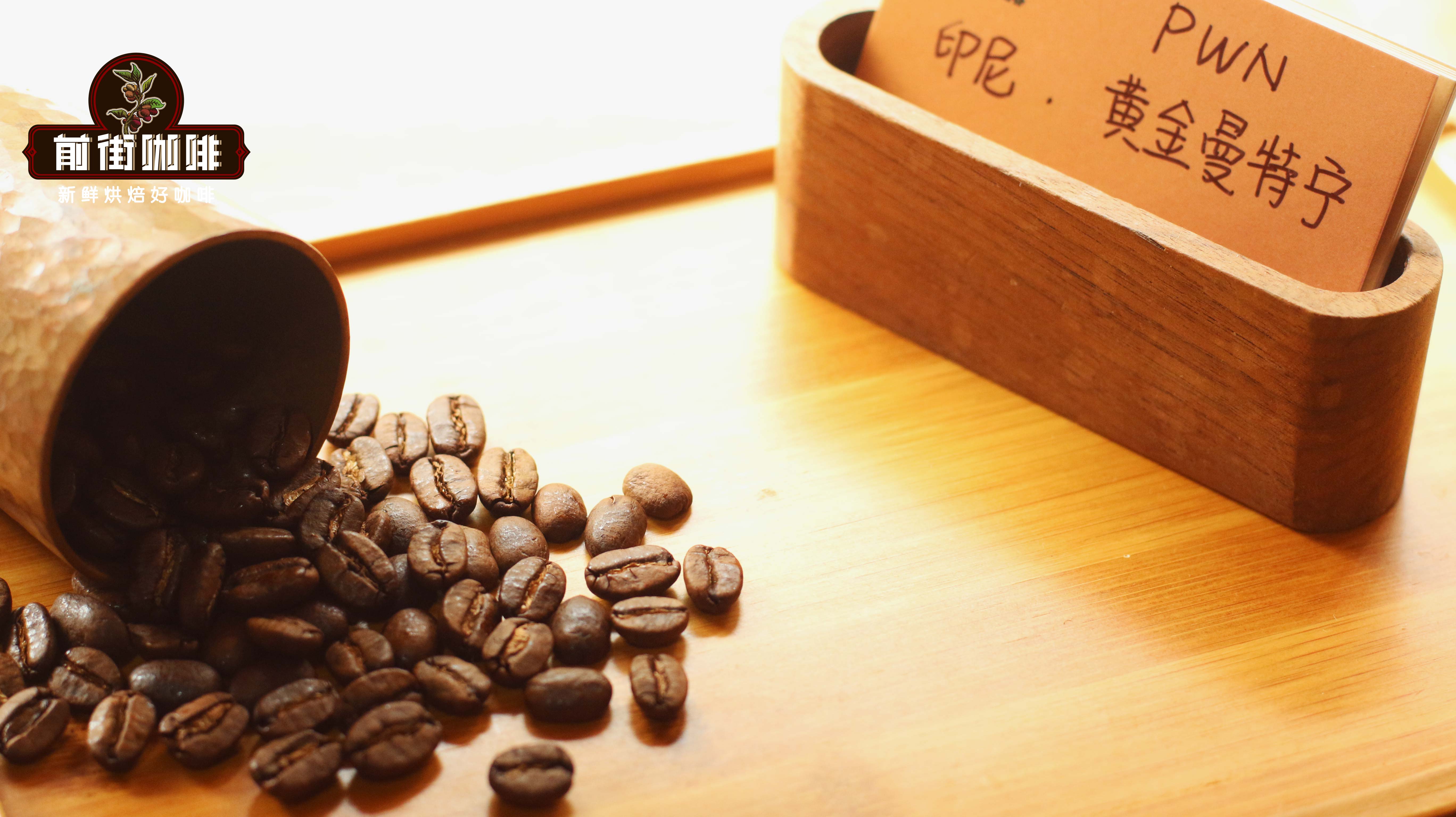
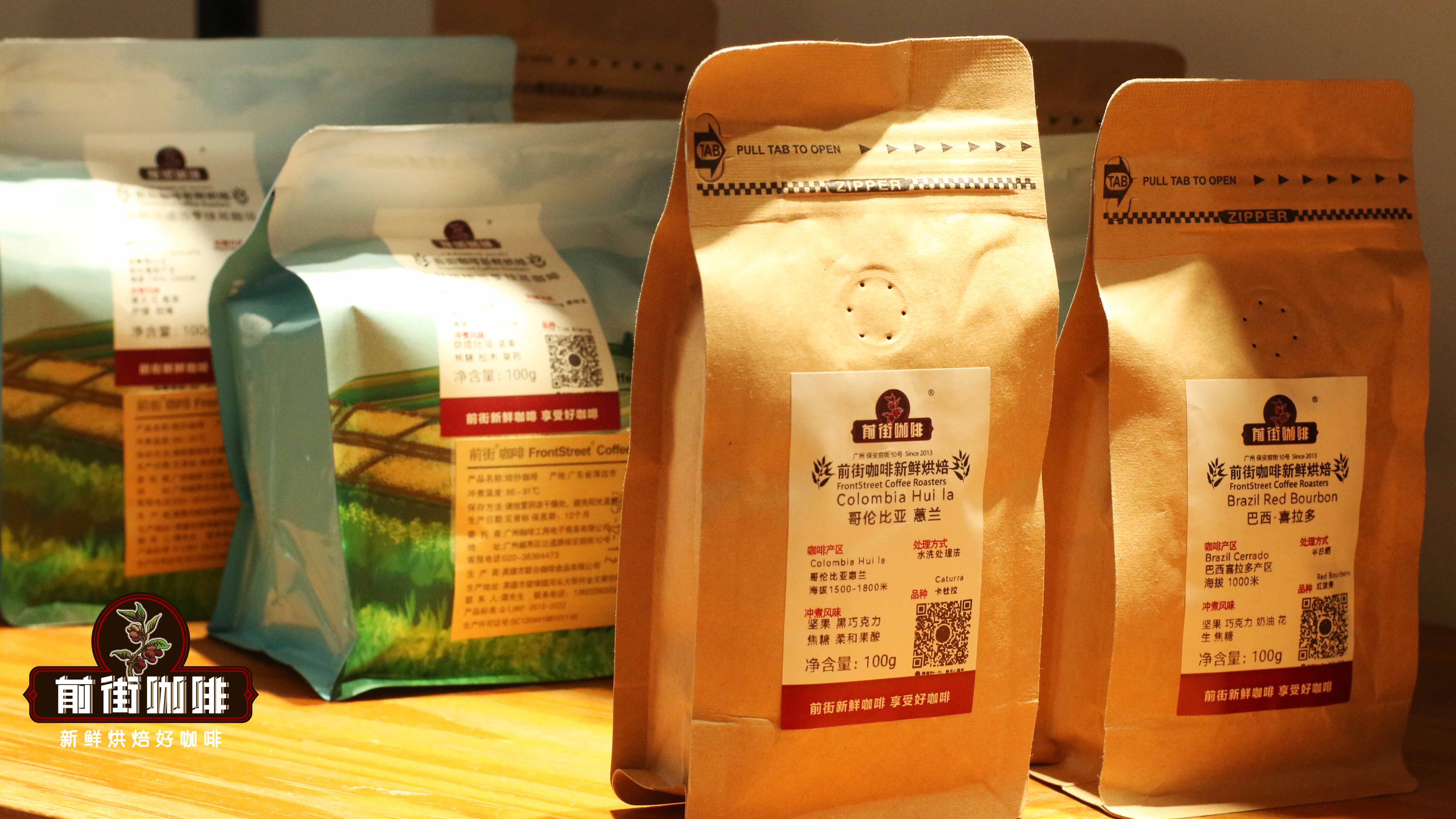
For example, takeGolden Mandheling, this classic dark roast bean is widely praised for its low acidity, black chocolate-like aftertaste, and distinctive spicy notes; whileQueen Estateshowcases rich nutty and roasted peanut aromas, paired with moderate cocoa and malt notes, giving the overall flavor a more rounded profile. Additionally,Colombia Huilais also known for its black chocolate, creamy nut, and caramel notes, featuring a well-balanced and layered taste. If you enjoy coffee with hints of black tea and brown sugar sweetness,2013 Yunnan Typicais also a great choice, with a round body and a clean aftertaste. As forHonduras Catuai, it offers warm notes of buttery toast and chocolate biscuit, perfect for those who prefer a sweet and richly bodied cup.
So-called body refers to the "weight" and "substance" that coffee liquid has when it sits in your mouth, and it is closely related to the concentration of the coffee. Generally speaking, higher concentration coffee tends to have a fuller, more substantial body; the lower the concentration, the more likely it is to taste thin or watery. Dark roast coffee, due to its looser bean structure, is usually easier to extract with a rich body, but if the brewing parameters are not set correctly, it can also easily result in a thin-tasting cup.
If you often find that your brewed dark roast coffee doesn’t feel thick enough, you can adjust in the following four directions: coffee-to-water ratio, brew time, filter choice, and pouring technique, gradually finding the brewing strategy that best suits your taste.
First iscoffee-to-water ratio. When brewing dark roast coffee, it is recommended to keep the ratio between 1:14 and 1:15. If the ratio exceeds 1:15, the coffee liquid can be diluted by too much water, leading to a noticeable drop in flavor and body. A 1:15 ratio is a relatively balanced baseline that isn’t overly intense. However, depending on personal taste preferences, if you still find this ratio too light, you can further reduce it to 1:13 to 1:14 to make the coffee more intense and full-bodied. Of course, besides the ratio, also pay attention to whether the brew time is appropriate to avoid over-extraction or under-extraction.
Next isbrew time. If you’ve already adjusted the coffee-to-water ratio but the coffee still tastes thin, the issue may lie in under-extraction. In this case, it’s recommended to observe the overall brew time, especially when using more than 15 grams of coffee beans—if the total brew time is only about 1 minute and 30 seconds, it’s very likely due to the grind being too coarse, causing the water to flow through too quickly and failing to fully extract the desirable compounds in the coffee. In this situation, it’s suggested to adjust the grind to a finer setting and control the overall brew time between 2:00 and 2:30, allowing the coffee grounds more time to release their flavors and textures, thereby enhancing the overall body.
The third key point isfilter choice. Many people habitually use the V60 dripper when brewing pour over, but if you’re brewing dark roast coffee, it’s actually better to use theKono dripper. Why? Because the V60 dripper’s spiral rib design allows for faster water flow, which is suitable for highlighting the multi-layered flavors of medium-light roasts, but for dark roasts, it can easily lead to under-extraction and a thin-tasting cup. Medium-light roasts require a finer grind and slower extraction speed to bring out delicate fruit acids and aromas; whereas dark roast beans are naturally looser in structure and release aromatic compounds more quickly. Using the V60 dripper may result in overly fast extraction, leading to incomplete flavor development.
In contrast, the Kono dripper’s ribs are mainly concentrated in the lower half. This design effectively slows down the water flow and extends the contact time between the coffee grounds and water, thus improving extraction efficiency and allowing the rich body of dark roast coffee to be fully expressed. This is also one of the reasons why many professional baristas prefer the Kono dripper when handling dark roast beans.
Finally, one must not overlookpouring technique. This doesn’t refer to brewing methods like the three-pour or bloom-first styles, but rather the actual details of pouring—especially how the water stream interacts with the walls of the dripper. If you often let the water stream hit the side walls of the dripper directly, the water is likely to flow straight down into the server without adequately extracting the coffee grounds. This not only reduces effective extraction but also dilutes the coffee liquid, resulting in a thin and flat final cup lacking in layers.
To avoid this, it’s recommended that when pouring in circles, try to focus the water stream toward the center of the coffee bed, avoiding frequent contact or splashing against the side walls of the dripper. Through more precise pouring control, you can not only improve extraction yield, but also ensure each sip of coffee boasts a fuller, richer body.
The above content is compiled by CoffeeHunters, a coffee news website.


