







Introduction:Drip bags are a daily favorite for many coffee enthusiasts due to their convenience and stable flavor, but many still have questions about brewing time, water temperature, and whether they can be reused. This article details the correct brewing parameters for drip bags, including recommended water temperature, coffee-to-water ratio, and three-stage pouring techniques, while also explaining the optimal tasting period and common operational misconceptions. Additionally, we recommend several drip bag products suitable for office use, ranging from bright fruity profiles to rich and sweet finishes, helping you easily enjoy a professional-grade black coffee experience.
Thanks to their ease of use and consistent flavor, drip bags have become an indispensable daily pick-me-up for many coffee lovers in today’s busy modern life. However, many users still have doubts about the ideal brewing time for drip bags, whether they can be brewed multiple times, and how to manage water temperature and ratios. This article will delve into the key points of brewing drip bags, including recommended water temperature ranges, standard coffee-to-water ratios, and practical three-stage pouring techniques, while also clarifying what constitutes the optimal tasting window and common mistakes in usage. Additionally, we’ll introduce several drip coffee options suitable for office environments—whether you prefer bright acidity or rich balance, you’ll find a suitable choice to enjoy a consistently high-quality black coffee right at your desk.
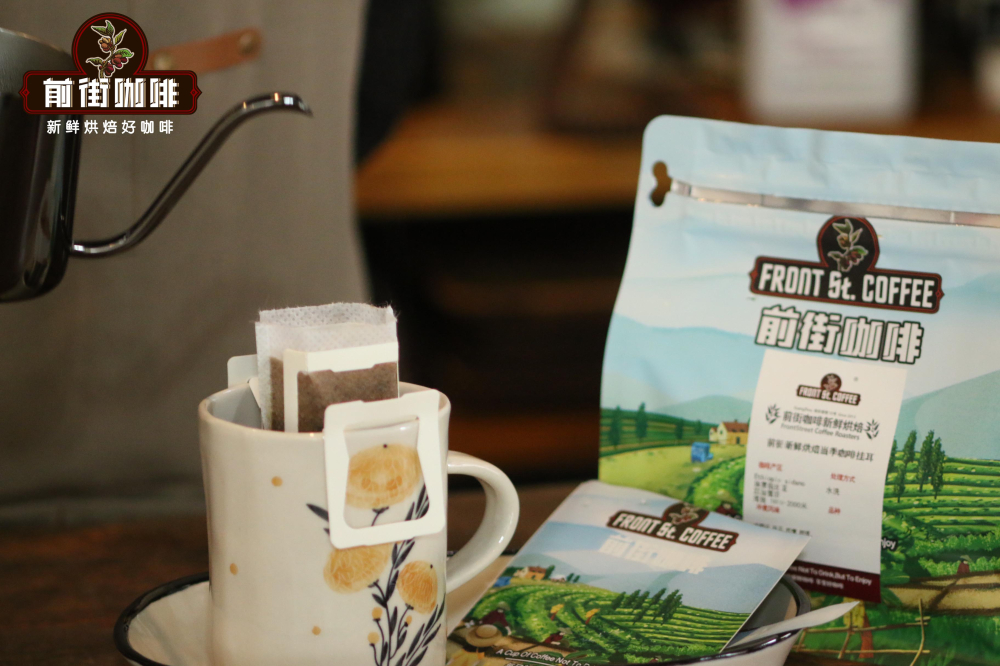
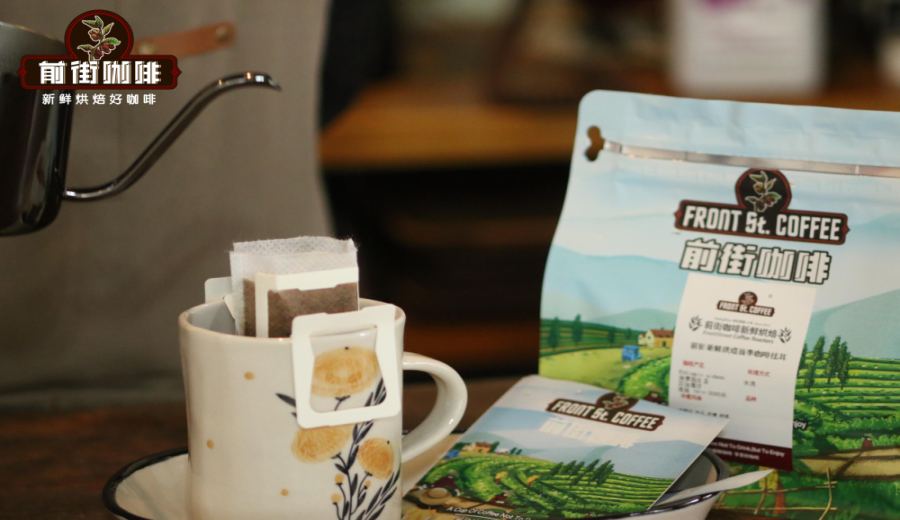
With the growing popularity of specialty coffee culture, drip bags made with freshly roasted coffee beans ground to an optimal size for filtration have become a top choice for many office workers and home drinkers. Compared to traditional pour-over coffee, the preparation steps for drip bags are greatly simplified—just a few simple actions are needed to brew a cup of black coffee with clear aroma and a long-lasting finish.
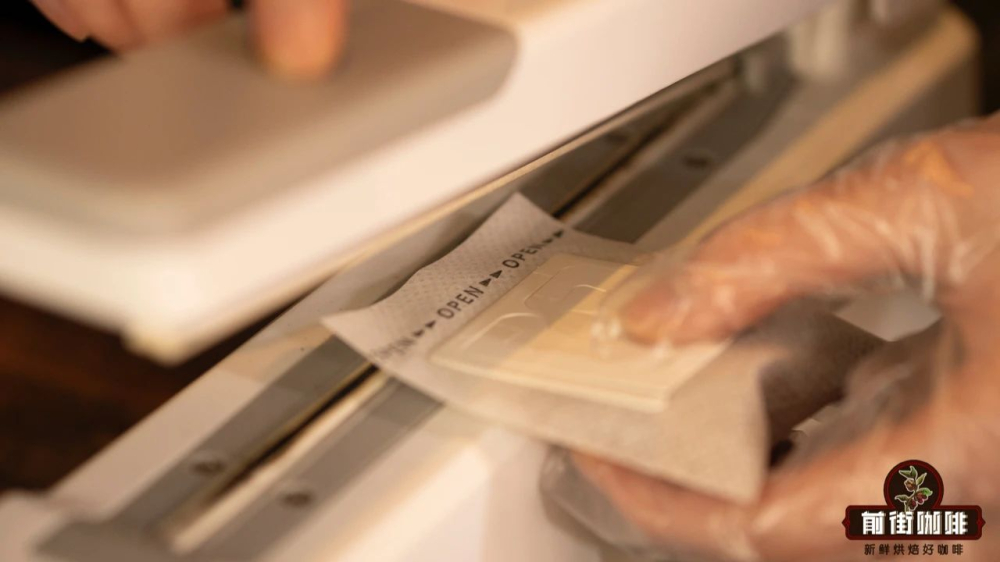
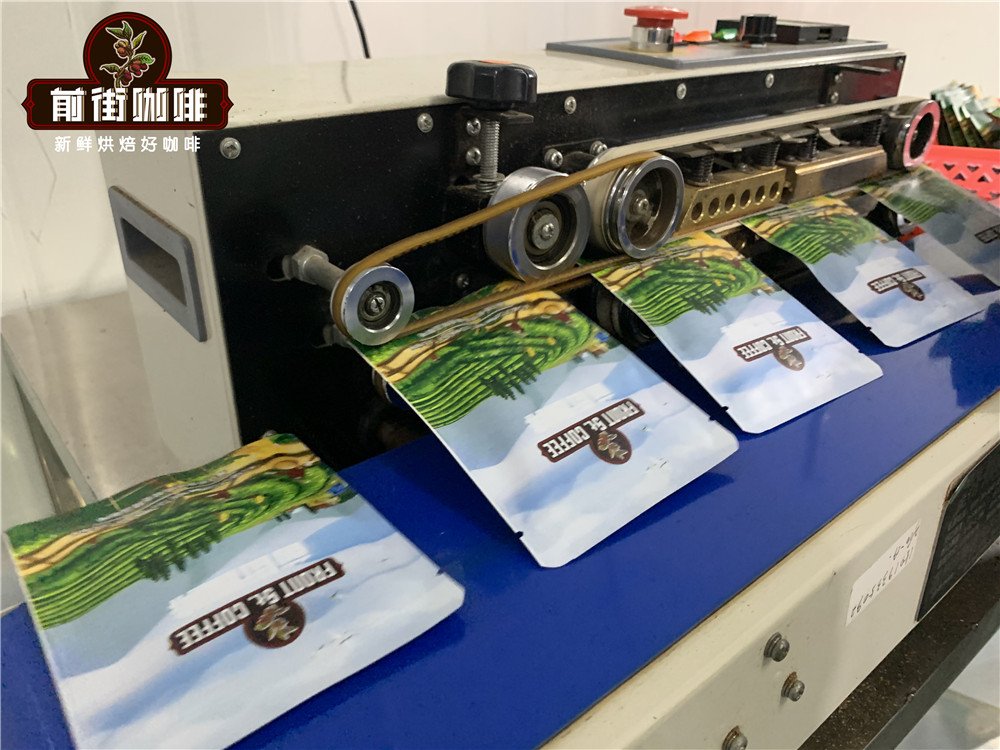
Most drip bags on the market today use freshly roasted coffee beans that are finely ground and quickly packaged to ensure optimal flavor expression. Generally, these coffee grounds are ground and portioned shortly after roasting and stored in individual sealed packaging to delay aroma loss.
The ability of a drip bag to deliver excellent flavor hinges on the freshness of the coffee used. After roasting, coffee beans continuously release carbon dioxide, a process that also carries away some volatile aromas and flavor compounds. Therefore, it’s especially important to choose drip bags that are shipped shortly after roasting. It’s generally recommended to opt for products shipped within five days of roasting to ensure the flavors are at their peak.
In terms of flavor options, drip bags on the market offer a diverse range of profiles. If you enjoy bright floral notes and fruity acidity, you might prioritize fruit-acid-forward drip bags, such as those with distinct citrus and floral characteristics. Meanwhile, consumers who prefer bold textures and lingering sweetness can choose rich-bodied drip bags dominated by nutty and chocolatey tones.
For users who haven’t yet settled on a personal preference, you can also try drip bag blends featuring flavors from multiple coffee-growing regions, experiencing the unique characteristics of different origins in one go—for example, blends that combine Ethiopian floral notes, Kenyan berry acidity, Panamanian citrus brightness, Honduran nuttiness, and the spicy layers distinctive to Indonesian beans.
Understanding the optimal tasting period for drip bags is also one of the key factors affecting brewing performance. Since the coffee grounds in drip bags are pre-ground, their increased surface area causes aroma and flavor compounds to dissipate more easily over time. Even with individual sealed packaging, their aroma retention period is significantly shorter than that of whole beans. Practical testing shows that, calculated from the roasting date, around30 daysis the golden window for drip bag flavor. Beyond this period, aroma and complexity will noticeably decline, impacting overall brewing performance.
When brewing drip bags, some common mistakes should be avoided. For example, using a regular kettle to pour hot water without controlling temperature or pouring rhythm; soaking the drip bag directly in a small cup—even with correct water temperature and ratio, this can easily lead to over-extraction; or even treating the drip bag like a tea bag by steeping it directly, or pouring the coffee grounds into a cup to brew. These practices can all damage the coffee’s original flavor and even result in an unpleasant drinking experience. Additionally, never reuse the same drip bag, as the vast majority of flavor compounds are released during the first brew, leaving only a weak and tasteless liquid if used again.
The correct way to brew drip coffee involves paying attention to the following key parameters: it’s recommended to use88-92°Cwater temperature, adjusted slightly based on roast level—light to medium roasts suit90-91°C, while medium-dark to dark roasts are better with88-89°C; the coffee-to-water ratio is recommended to be1:15, meaning for each 10g drip bag, use 150g (approximately 150ml) of hot water; the brewing method can employ a simplified three-stage pouring technique, which helps achieve even extraction and enhances flavor balance.
For brewing tools, it’s recommended to use a pour-over kettle designed for drip bags (available for around ten yuan, offering stable water flow) along with a simple thermometer, paired with a straight-sided heat-resistant glass or ceramic cup, to complete a professional-grade brewing process.
The standard brewing steps are as follows: First, ensure the cup has enough capacity to prevent the drip bag from touching the coffee liquid during brewing; then open the outer packaging of the drip bag, tear along the dotted line to open the filter pouch, and gently pull the side tabs to securely hang it on the cup rim; the first step is to pour about30mlof hot water, let it sit for20–30 secondsto bloom, activating the release of aroma from the coffee grounds; subsequently, pour again every approximately10 seconds, adding about60mleach time, for a total of two pours; once all the coffee liquid has dripped through, remove the drip bag and gently swirl the cup to evenly distribute the coffee before enjoying a fully flavored cup of black coffee.
Special reminder: Do not attempt to brew the same drip bag again, as the vast majority of flavor compounds that deliver richness and aroma are already released during the first brew—reusing it will only yield a weak and insipid result.
The above content is compiled by CoffeeHunters, a coffee news website.


