







Introduction:Anaerobic fermentation processing has sparked a wave of enthusiasm in the specialty coffee scene in recent years, creating unique bold acidity and complex aromas that have become a popular choice for coffee enthusiasts eager to try something new. This article breaks down the scientific principles of anaerobic fermentation in an accessible way, explaining how microbial reactions in an oxygen-free environment convert sugars and produce a wealth of aromatic compounds. It also includes real-world examples — from processing steps to tasting experiences — to help readers fully grasp the essence and charm of this innovative technique.
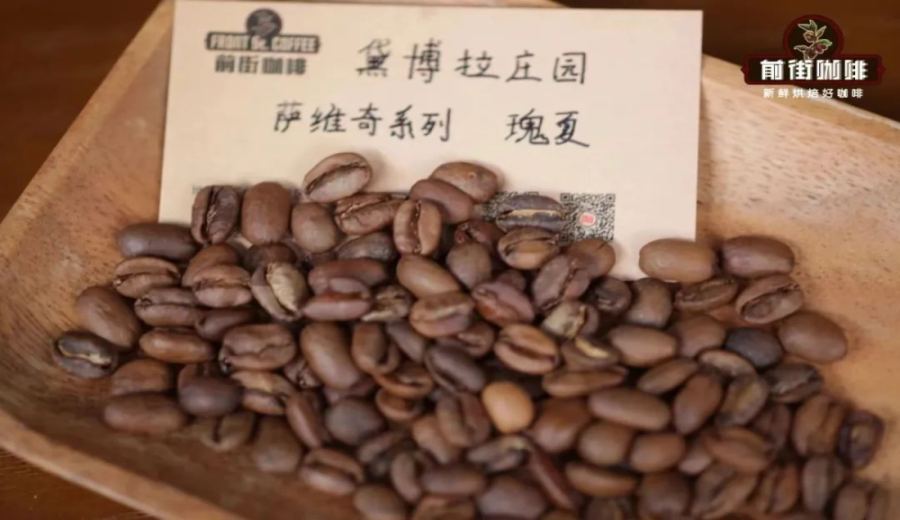
After washed, natural, and honey processes — the three classic coffee processing methods — became widely known, emerging techniques such as anaerobic, enzymatic, and carbonic maceration have made their debut, opening up limitless possibilities for coffee flavors. These innovative methods often impart distinctly different flavor profiles, sparking curiosity about the mechanisms behind them. This article focuses on the key element of "anaerobic fermentation," detailing how it builds upon traditional processing methods by leveraging microbial metabolism in an oxygen-free environment to convert sugars into lactic acid, acetic acid, as well as various esters and aldehydes that contribute to aroma. This process helps shape a soft yet layered acidity experience reminiscent of yogurt. The article also references the Anaerobic Natural Geisha from the Deborah Estate Savery Series, which we have tasted, taking you from theory to actual sensory experience to fully understand the uniqueness and complete workflow of anaerobically processed coffee beans.
In the world of specialty coffee, innovation in processing methods never stops. The once-familiar "traditional camp" — including washed, natural, and honey processes — is no longer the only option. "Trendy camp" techniques such as anaerobic, enzymatic, and carbonic maceration have gradually emerged and gained recognition for their distinctive flavor profiles. Through exploration, we’ve encountered many rare processing methods and discovered that the resulting coffee beans often possess highly recognizable aromas and tastes, compelling us to investigate the reasons behind them.

The term "anaerobic" essentially refers to one stage within the overall processing workflow. Common labeling includes anaerobic natural, anaerobic washed, and anaerobic honey. These labels indicate that the base processing method is still either natural, washed, or honey, but with an added anaerobic fermentation stage incorporated into the traditional steps.
Introducing an anaerobic phase during processing mainly aims to utilize the active anaerobic microorganisms in an oxygen-free environment to convert sugar substances in the coffee pulp into organic acids such as lactic acid and acetic acid, while also generating esters, aldehydes, and other compounds with aromatic properties. This biochemical reaction is the key reason why anaerobically processed coffee can deliver such unique flavors. Take the Anaerobic Natural Geisha from the Deborah Estate Savery Series, for example: in addition to retaining the floral, fruity notes, and citrus tones inherent to the Geisha variety, it also offers a noticeably mild acidity akin to yogurt, showcasing a taste profile distinctly different from that of a typical natural process.

The anaerobic fermentation process places strict demands on environmental control. It is essential to ensure that there is almost no oxygen present within the sealed container and to maintain stable temperature and humidity, so that the anaerobic microbial community can perform at its best. A common approach is to place the depulped coffee seeds in a sealed tank and manage the release of gases and pressure changes during fermentation through a one-way valve or pressure control. The fermentation time, temperature settings, and initial sugar content during this stage all directly influence the final flavor profile of the coffee, making them crucial parameters that producers must closely monitor during the operation.
It’s worth noting that while anaerobic processing can yield rich aromas and unique textures, it is not suitable for all coffee varieties or origins. Each bean has its own characteristics, and fine-tuning fermentation conditions often requires multiple experiments and accumulated experience. For coffee enthusiasts, understanding these processing details not only allows for a deeper appreciation of coffee’s diversity, but also makes it easier to identify the distinct flavor profiles shaped by different processing methods during tasting.
The above content is compiled by CoffeeHunters, a coffee news website.


