








Introduction:The washed processing method is a common technique in specialty coffee, renowned for its bright acidity and clean flavor profile. This article delves into each step of the washed process, including floatation sorting, pulping, fermentation and washing, as well as drying and hulling, while exploring its impact on flavor. It also compares washed processing with natural and honey processes, illustrating how different methods shape the unique character of coffee, helping readers understand the origins of coffee flavors more precisely through the lens of processing methods.
Globally, up to 8.4 billion kilograms of coffee beans are produced annually, but the journey from seed to cup involves several critical stages, with processing being one of the most important factors determining a coffee’s final flavor. The washed process, known for its crisp, bright acidity and high cleanliness, plays a key role in many specialty coffee regions. This article provides a detailed overview of the complete washed processing workflow—from initial floatation selection, to pulp removal, mucilage fermentation, washing, and drying—while analyzing its flavor characteristics and limitations. Additionally, it offers a direct comparison between washed, natural, and honey processes, revealing how each influences the final presentation of the coffee.
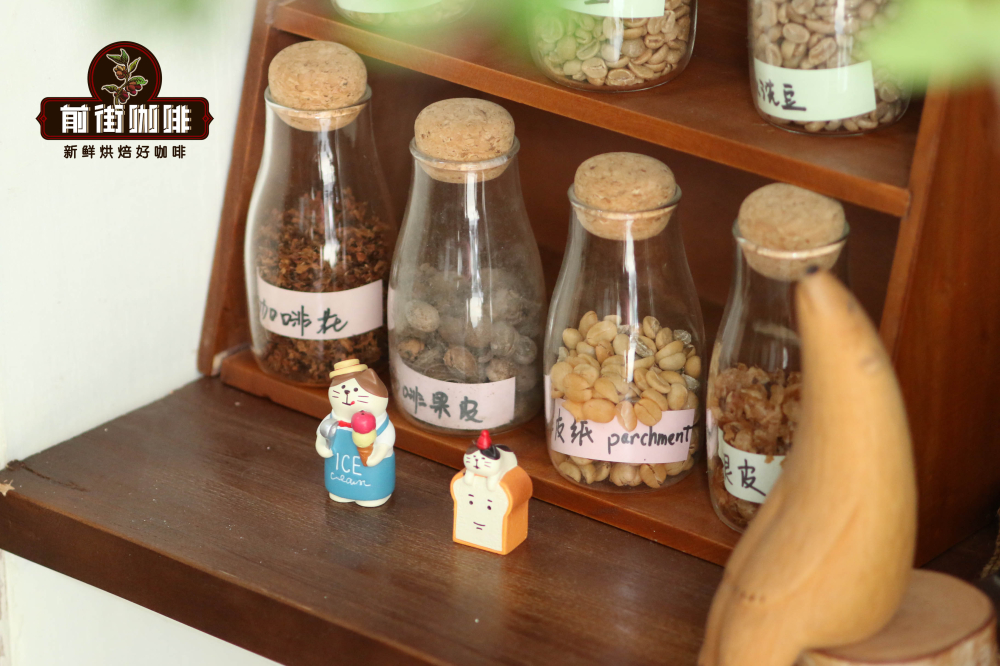
Firstly, coffee beans are actually the seeds inside coffee cherries, encased by layers such as the outer skin, pulp, mucilage, parchment, and the inner silver skin and seed (what we refer to as the coffee bean). These layers are gradually removed during processing. There are three common processing methods: natural (dry), washed, and honey. Among them, the washed process focuses on removing the mucilage layer and significantly reducing impurities through washing, resulting in beans that look neater and more visually appealing, with flavors that are clearer, brighter, and more pronounced in acidity. Compared to other methods, washed processing better highlights the intrinsic qualities of the coffee bean itself, making it a common choice for professional evaluations and competition beans.
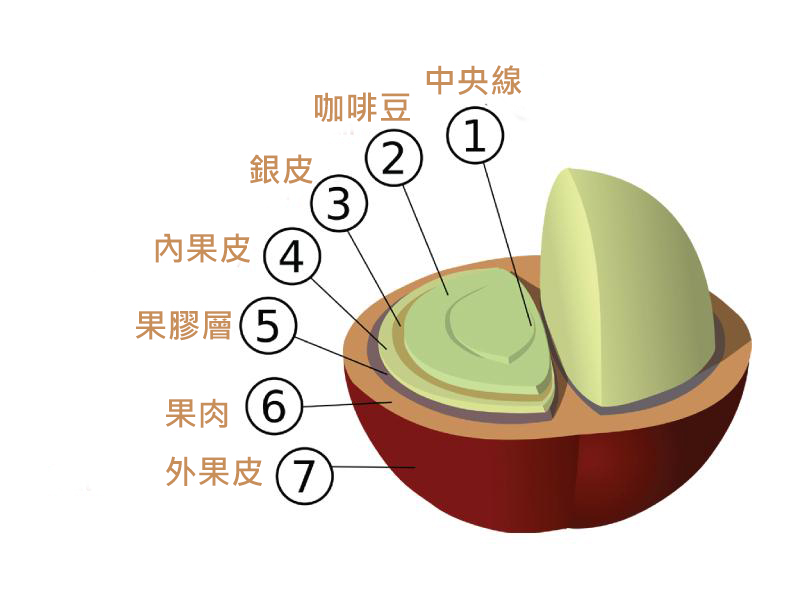
Basic Structure of Coffee CherriesA coffee cherry consists of the outer skin (similar to a cherry's skin), pulp (a thin layer of sweet tissue), mucilage layer (also called the sticky layer, which is sweet and viscous), parchment (also known as the silverskin, a hard fibrous layer protecting the seed), and the innermost silver skin and seed (the coffee bean we refer to). The differences in processing methods lie in the order and way these outer layers are removed, which in turn affects the final flavor profile of the coffee.
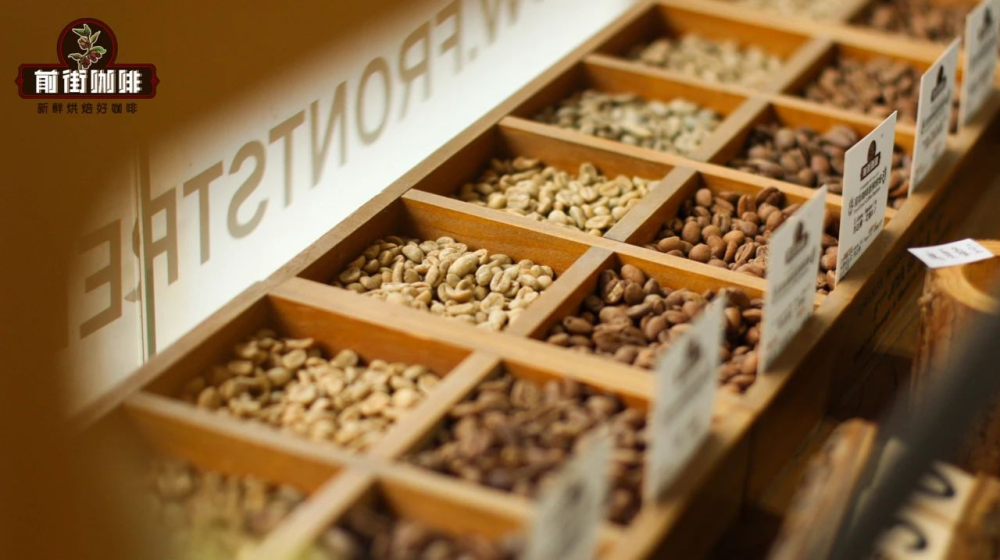
The main steps of the washed processing method can be divided into the following five key stages:
1. Floatation Sorting: Freshly harvested coffee cherries are placed in a water tank. Unripe beans, being less dense, float to the surface, while mature, fully developed cherries sink to the bottom. This step effectively removes defective and unripe beans, improving overall quality.
2. Pulp and Flesh Removal: A depulper (pulping machine) is used to remove the outer skin and most of the pulp. At this stage, the beans still retain the mucilage layer, parchment, and silver skin.
3. Fermentation: Coffee beans covered in mucilage are placed in water tanks for fermentation, where microbes break down the mucilage. Fermentation time varies depending on climate and processing facility practices, typically ranging from 12 to 72 hours. This is also the crucial stage of Kenya’s famous “72-hour washed process,” where multiple rounds of fermentation and washing bring out more refined acidity and complexity.
4. Washing: After fermentation, the mucilage becomes soft but may still leave behind fermentation residues and impurities. Therefore, a large amount of clean water is used to rinse the beans, ensuring a clean surface—though this step also consumes significant water resources.
5. Drying and Hulling: The washed beans are then dried either mechanically or in the sun until their moisture content is reduced to 10–14%. Once dried, a hulling machine is used to remove the parchment and silver skin, completing the final stage of washed processing.
Theadvantagesof the washed process lie in its ability to effectively control quality, reduce mold risk, and make impurity management easier in indoor environments, resulting in neat appearance and good visual appeal. However, it also has notabledisadvantages, including complex procedures, high water consumption (approximately 40–50 liters of water per kilogram of coffee beans), challenges in implementation in water-scarce regions, and relatively higher processing costs.
In terms of flavor, washed beans generally exhibit clean, bright acidity, distinct fruit notes, well-defined texture layers, and minimal off-flavors, making them ideal for those who prefer a refreshing cup. The microbial activity during fermentation can also impart unique flavor profiles such as citrus, berries, or floral notes.
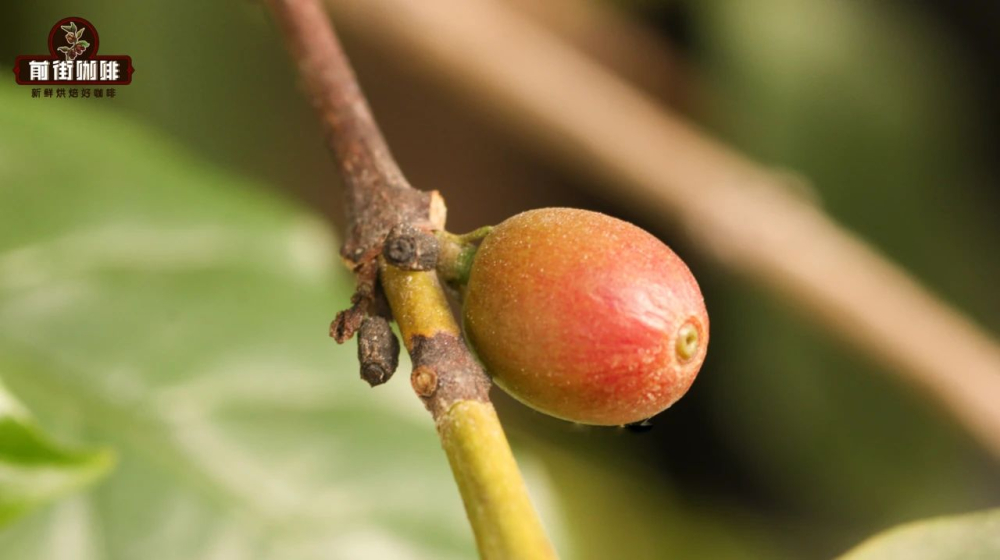
For example, Kenya’s Assaliya coffee beans, grown at altitudes of about 1550–1750 meters using the SL28 and SL34 varieties, undergo the region’s famed “72-hour washed process” involving three cycles of 24-hour fermentation and washing. This results in intense acidity and a delicate mouthfeel, often featuring aromas of dark plum, cherry tomato, and Asian pear. Meanwhile, Ethiopia’s Gedeb Gedeo Zone Yirgacheffe Kochere Cooperative, at even higher altitudes (1900–2300 meters), uses local heirloom varieties and traditional washed processing to produce flavors of citrus and black tea, with creamy, caramel, and almond notes emerging as the cup cools—delivering an overall clean and sweet profile.
Both beans are processed using the washed method, yet their flavor profiles differ greatly due to variations in origin, altitude, and variety, highlighting that while processing is a key factor, it is not the sole determinant of flavor.
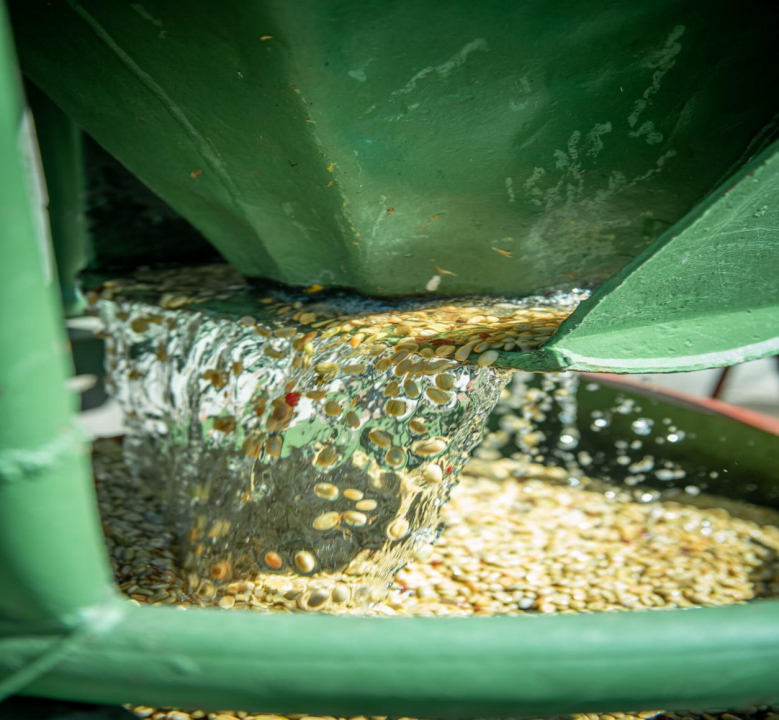
Compared to natural and honey processes, the washed method emphasizes the “true character of the bean,” offering clear flavor lines and distinct acidity. In contrast, the natural process preserves more fruit flavors by drying the entire cherry, adding sweetness and complex aromas. The honey process falls between the two, retaining some mucilage during drying to deliver richer sweetness and a fuller body.
In summary, understanding each step of the washed processing method not only helps us appreciate the diverse flavors of coffee more deeply, but also allows us to anticipate the characteristics a coffee might display based on its processing method when selecting beans. Whether you’re a beginner coffee enthusiast or an extraction aficionado chasing refined flavors, mastering these fundamentals is an essential cornerstone for exploring the world of coffee.
The above content is compiled by CoffeeHunters, a coffee news website.


