








Introduction:The CM processing method, also known as carbonic maceration, originates from red wine brewing techniques. By utilizing an anaerobic environment and special fermentation methods, it allows coffee to exhibit unique wine-like aromas and rich complexity. This article delves into the practical workflows of the two types of this innovative process—natural and washed versions—covering everything from fermentation tank preparation, gas injection, temperature and pressure control, to key drying parameters. It helps you understand how this technique influences coffee flavor and master the skills for selecting high-quality CM-processed coffee.
The CM processing method, fully known as Carbonic Maceration, is a type of anaerobic fermentation. It was first used by Brazilian coffee farmer Sasa on competition beans in 2015, where those beans won the World Barista Championship, bringing widespread attention to this wine-inspired processing technique.
The inspiration for this method indeed comes from wine production. Its core involves placing coffee cherries in a completely sealed stainless steel tank and injecting high concentrations of carbon dioxide gas to simulate an anaerobic environment for prolonged fermentation. This alters the flavor profile of the coffee beans, often resulting in pronounced floral notes, berry characteristics, and a wine-like, mellow acidity.
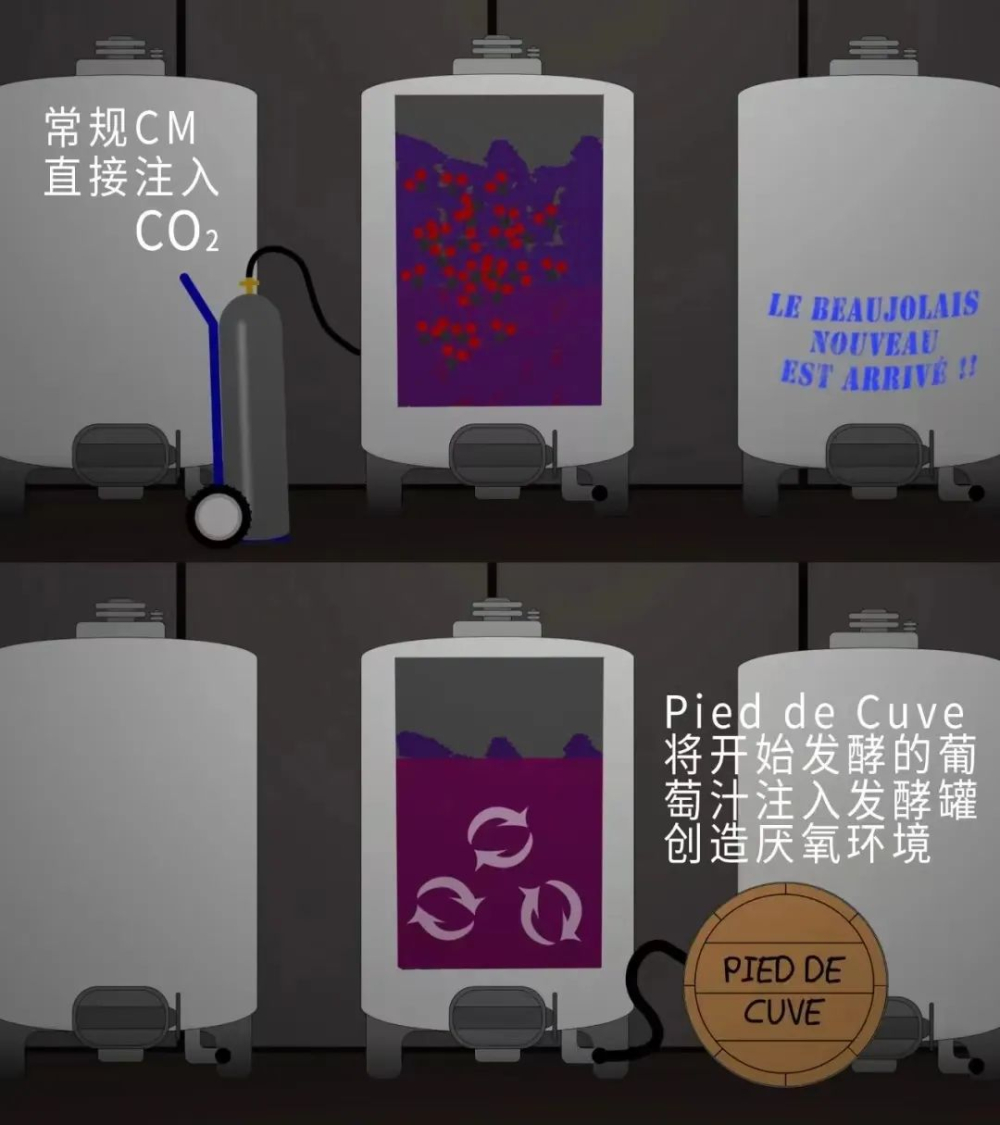
The CM processing method is mainly divided into two types: natural and washed. The biggest difference lies in how the coffee cherries are treated before fermentation and the primary substances involved in the fermentation within the tank. The natural version uses whole, undepulped coffee cherries—that is, coffee fruit with both pulp and mucilage. The washed version, on the other hand, first removes the outer skin and flesh, leaving only the mucilage-covered coffee beans before proceeding with subsequent anaerobic fermentation.
Taking the natural CM process as an example, the first step is to initially wash the freshly harvested coffee cherries to remove impurities and overripe fruits. Then, they are placed into a completely sealed stainless steel fermentation tank, followed by injecting high-pressure carbon dioxide. At this point, the injected gas creates a certain amount of pressure inside the tank, which can "burst" some of the coffee cherries, releasing their internal juices. These juices contain natural yeasts and lactic acid bacteria, among other microorganisms, which can initiate the fermentation reaction in an oxygen-free environment.
Under the dual effects of anaerobic conditions and high-concentration carbon dioxide, aerobic bacteria are suppressed, while anaerobic bacteria such as lactic acid bacteria and yeasts proliferate significantly. They gradually break down the sugars in the coffee cherries, producing various organic acids, esters, aldehydes, and other aromatic compounds. This is the main reason why CM-processed coffee often exhibits intense fruity and floral aromas along with a soft acidity.
Generally speaking, the fermentation time for the natural CM process is controlled at around 36 to 48 hours, but the actual fermentation duration depends on multiple parameters, including the temperature, pH value, pressure, and sugar content changes within the fermentation tank. For instance, a higher fermentation temperature may accelerate the reaction and bring out stronger fruit flavors, but it can also easily lead to over-fermentation and off-flavors. Therefore, precise control of these variables is key to the CM processing method.

As for the washed CM process, the skin and flesh of the coffee cherries must first be removed, leaving only the mucilage-covered seeds. These are then placed in a sealed tank, carbon dioxide is injected, and the contents are mixed evenly through moderate agitation (such as slowly rotating or stirring the tank). The fermentation time for this version also falls within the 36 to 48-hour range, but since the fermentation subject is already depulped coffee beans, more emphasis is placed on the stability and cleanliness of the fermentation environment to avoid contamination by unwanted microbes.
During the washed CM process, it is equally important to continuously monitor key data inside the tank, such as pH value, pressure, and sugar content. Only when these values reach the preset standards are the coffee beans removed and thoroughly rinsed with a large amount of clean water to completely eliminate residual mucilage and pulp. Only then does the coffee enter the conventional drying stage. The drying process still requires careful control of temperature and humidity to ensure the stable quality of the coffee beans, avoiding excessive evaporation or spoilage of the remaining fermentation notes.
Overall, the CM processing method, by simulating the anaerobic environment of wine brewing and combining high-pressure carbon dioxide with precise control of temperature, pressure, and pH, is able to impart layered aromatic profiles and a soft acidity to coffee beans. It has become one of the most talked-about innovative processes in the specialty coffee market. For consumers who enjoy exploring unique flavors and the science behind coffee processing techniques, understanding the principles and operational details of the CM method helps in more accurately selecting and appreciating these uniquely flavored coffee beans.
The above content is compiled by CoffeeHunters, a coffee news website.


