








Introduction:Want to easily brew a refreshing and mellow cold brew coffee at home but not sure how to choose the right coffee beans? This article provides a detailed guide to the practical cold brew process, including coffee-to-water ratio, grind size, and refrigeration time. It also explains the importance of selecting well-aged beans suited for cold brewing, based on extraction characteristics. Then, according to three major flavor profiles—bright floral & fruity, citrusy & berry, and delicate honey-like—we recommend several classic single-origin beans from a well-known coffee brand’s lineup to help you find your perfect cold brew match.
The cold brew process is relatively simple, requiring no complicated equipment. Just mix ground coffee with cold water, let it steep for a while, and then filter—it yields a smooth, low-acid, and layered iced coffee. This method is especially suitable for summer and easy to do at home. However, to brew a cold brew that is both refreshing and flavorful, bean selection and extraction parameters are still key.
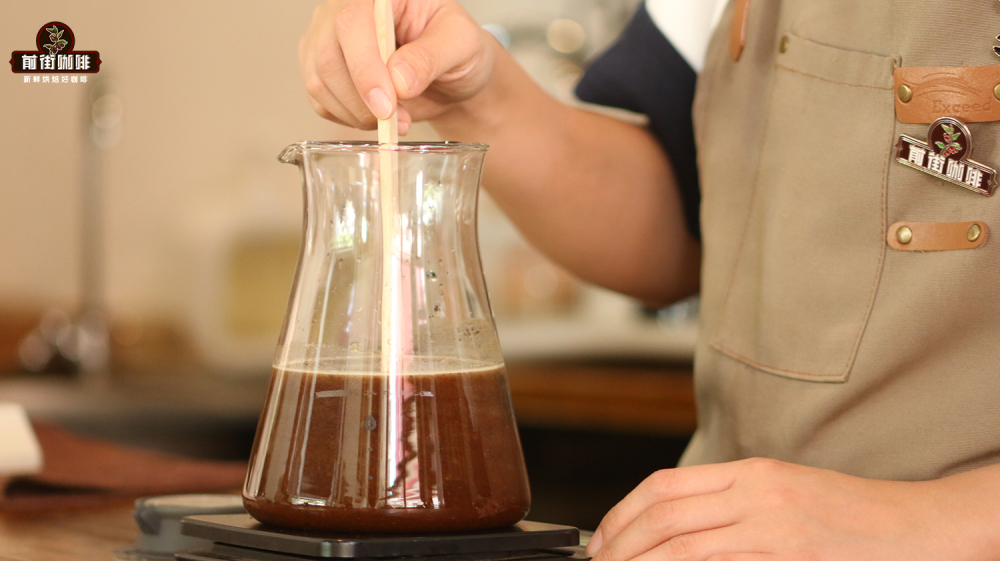
Taking a common cold brew method as an example, it is generally recommended to use a 1:12 coffee-to-water ratio, such as 50 grams of coffee grounds mixed with 600 milliliters of ice water (which can include room temperature water and ice), and grind the coffee to a coarseness similar to about 85% passing through a #20 standard sieve , roughly equivalent to the grind size for a French press. After mixing, seal and place it in the refrigerator. The recommended steeping time is 12 to 24 hours, and occasionally stirring gently during the process helps achieve even extraction. After brewing, filter out the coffee grounds with paper filters. It is recommended to let the resulting coffee liquid sit in the refrigerator for a few more hours to allow the flavors to meld further and the mouthfeel to become smoother.

However, not all coffee beans are suitable for cold brew. Since the cold brew process lacks the volatility brought by hot water, gases in the beans are not easily released. Therefore, choosing beans that have completed their degassing period is particularly important. Generally speaking, beans that are about 15 to 20 days post-roast are not only more flavor-stable but also better able to showcase subtle fruity and sweet notes, avoiding negative impacts on overall flavor due to excessive gas interference.
Next, we can choose the most suitable type of coffee beans based on flavor preferences. First, we recommend the ‘bright floral & fruity’ type. This kind of cold brew typically features delicate floral notes, citrus tones, and sometimes a refreshing oolong tea-like finish. For example, Panamanian Geisha is a classic choice, with its refined and layered flavors; if you’re looking for good value, Panamanian Hua Hu Die (Butterfly) washed beans are also a great option, as they contain a high proportion of Geisha and likewise deliver bright, pleasant floral & fruity aromas with soft citrus notes.
For readers who prefer richer fruit flavors with noticeable sweetness, the ‘citrusy & berry’ type of cold brew is worth considering. These beans often come from renowned producing regions like Ethiopia, naturally boasting bright acidity and abundant fruit characteristics. For instance, two beans offered by a certain brand—the Huakui 5.0 and the Sun-Dried Red Cherry Project—both exhibit intense berry aromas, honey-like sweetness, and clear layering, making them perfect for cold brew lovers chasing explosive fruitiness and sweet aftertastes.
Finally, if you prefer coffee with rich flavors and a hint of sweet wine aroma, you might want to try the ‘delicate honey-like’ type. These coffees are usually processed via anaerobic fermentation or special methods, bringing out deeper fruitiness and unique fermented sweetness. For example, Colombian Flower Moon Night uses anaerobic sun-dried processing, and when brewed as cold brew, it delivers intense strawberry jam, cream, and liquor chocolate flavors, with a smooth and full-bodied mouthfeel; Colombian Rose Valley excels in double anaerobic enzyme processing, and its cold brew version offers captivating rose, peach, and honey aromas, ideal for those who enjoy gentle and lingering flavors. In addition, Costa Rican Mozart, part of the Musician Series, is anaerobically honey-processed, and its cold brew exudes rich raisin, osmanthus, and fermented wine notes, making it an excellent choice for those who love complex aromas.
In summary, the charm of cold brew coffee lies in its low acidity, smoothness, and ability to fully highlight the inherent flavors of the beans. As long as you master the coffee-to-water ratio, grind size, and refrigeration time, and then select suitable beans and processing methods based on your personal taste preferences, you can easily enjoy your own personalized cold brew experience at home.
The above content is compiled by CoffeeHunters, a coffee news website.


