







Introduction:Many coffee enthusiasts struggle to extract an ideal-tasting espresso even when following standard parameters. The key issue often lies in the easily overlooked step of tamping. This article delves into the importance of tamping, starting from scientific principles, detailing the roles of distribution and tamping, analyzing the critical factors affecting extraction. Through comparative experimental data, it reveals the optimal tamping pressure range and techniques, and shares practical methods to solve common issues like uneven tamping, helping you produce a well-formed, evenly extracted shot of espresso.
Making a high-quality espresso may seem like just a few simple steps: grinding, distributing, tamping, and extracting. However, even when strictly adhering to parameter settings, many coffee lovers are still disappointed with the final flavor. Upon deeper analysis, the problem often stems from tamping — a seemingly minor yet crucial step. This article will use practical comparative tests to illustrate the key impact of tamping on uniform coffee extraction, detailing correct operational methods including pressure control, angle adjustment, and practical tips, to help you resolve common issues like uneven puck surfaces or improper tamping pressure.
Why is tamping so important? First, let’s look at a simple comparative experiment: under identical conditions (both using 20g of coffee grounds, aiming to extract 40g of espresso), one group follows standard tamping procedures, while the other skips the tamping step entirely. The results show that the properly tamped group had a smooth extraction process, taking approximately27 secondswith a consistent flow rate; whereas the untamped control group exhibited rapid liquid surge, with an overly fast flow rate and an extraction time that was shortened byabout 8 seconds, resulting in a thin, water-like coffee liquid with noticeably weak flavor. This clearly demonstrates that only by compacting and leveling the coffee puck can we ensure the espresso machine achieves uniform and stable resistance during extraction, leading to an ideal brew.
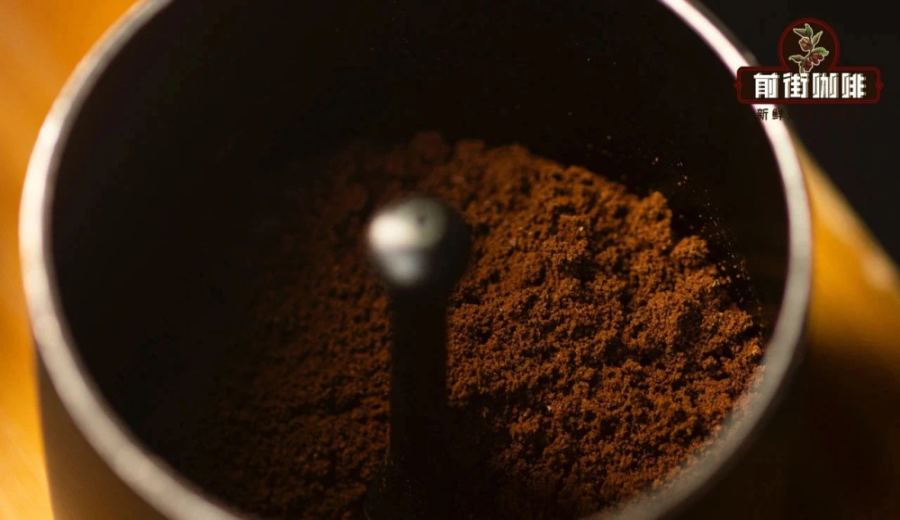
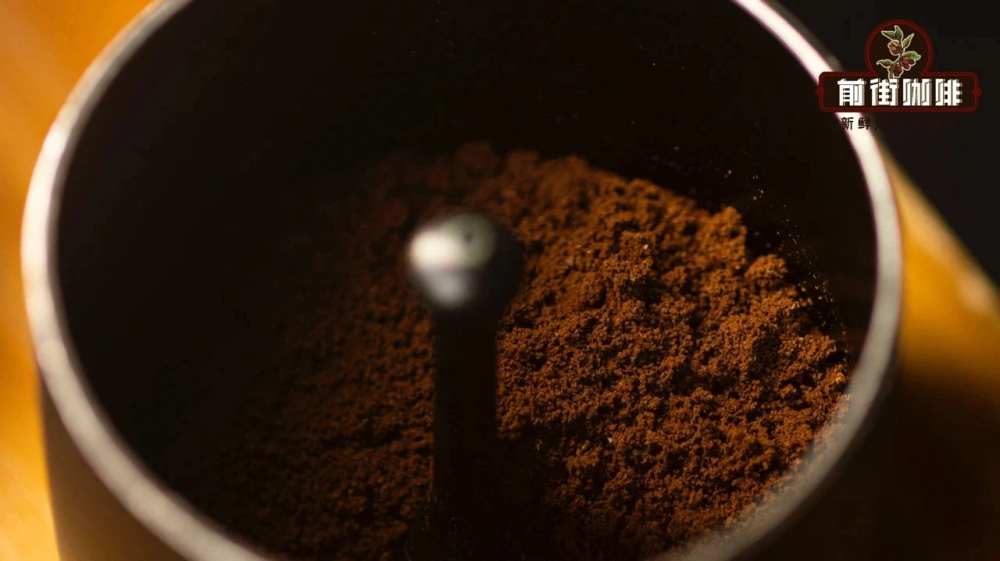
So, what is the real purpose of tamping? When we load extremely fine coffee grounds into the portafilter, there are various-sized gaps between the particles. If high-pressure extraction is applied directly,9barunder the pressure of waterchanneling effect. The core function of tamping is precisely to reduce the gaps between coffee particles by applying even pressure, creating a puck structure with balanced resistance that forces water to penetrate uniformly through the entire coffee bed, thereby achieving consistent flavor extraction.
Then, what is the appropriate tamping pressure range when making espresso? This is a common question among beginners. Novices often assume thatthe harder the better. In reality, the key to tamping lies not in brute force, but in precise control of technique and angle. Professional baristas typically start by securely placing the portafilter, using a specific grip: holding the tamper handle with the palm, thumb facing downward, and using the thumb and index finger to stabilize the tamper end. When performing the tamping motion, the key is to keepthe elbow joint, forearm, tamper, and portafilter all aligned in a vertical line, using the natural downward force of the arm to compact the coffee grounds in one smooth motion.
It’s especially important to ensure the portafilter remains level during tamping, with the tamper applying force vertically downward. Since most commercial espresso machine portafilters are not perfectly level (there may be angle differences between the basket and handle), you need to find the specific angle that suits your equipment to ensure a perfectly vertical downward force is applied. If the tamping direction is off, it can lead to an uneven puck thickness — the higher side being less dense, the lower side overly compact. Such an uneven puck structure will inevitably cause imbalanced water flow during extraction.
To address the issue of uneven pucks, here are two practical solutions: the first is to use thethree-finger grip method, where the index, middle, and ring fingers collectively hold the tamper, providing better overall directional control and reducing application偏差; the second is to consider using a professional tamper withquantitative guiding features, which helps maintain the accuracy of the tamping direction and effectively solves most directional errors.
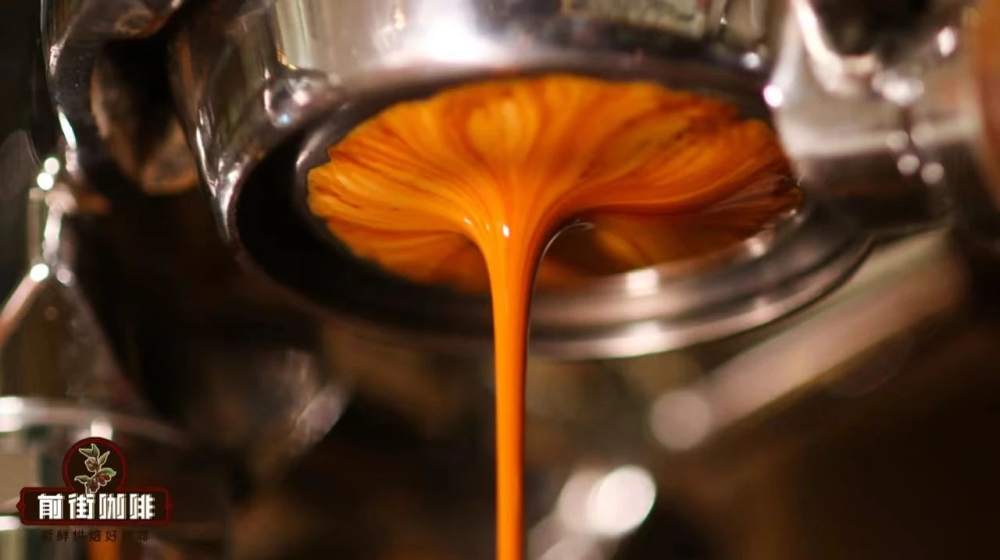
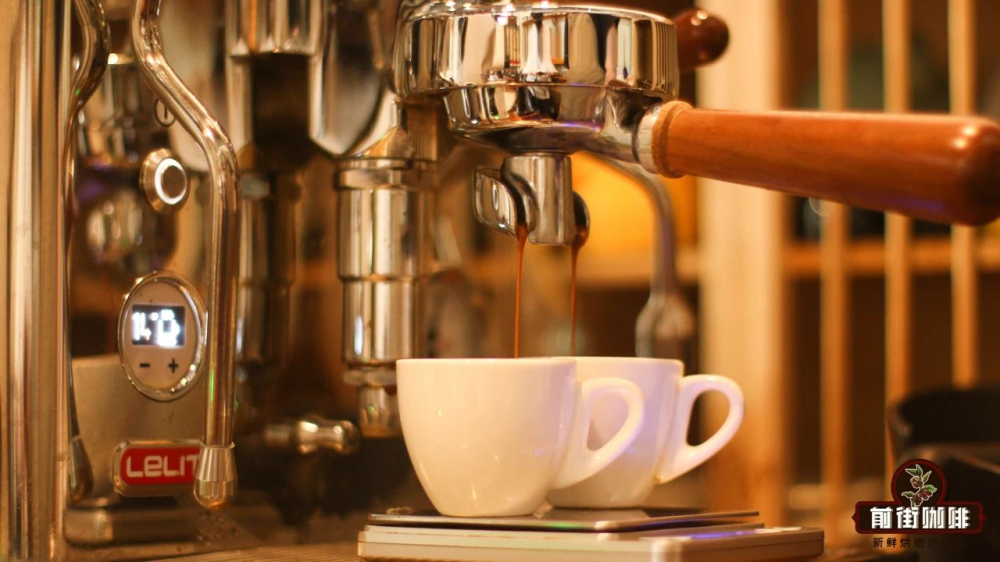
To help you better master espresso preparation, here are proven typical extraction parameters for reference: standard espresso machine working pressure typically maintains at9 bar; recommended brewing water temperature is controlled within the range of90.5~96 degrees Celsius; single extraction time range is20~30 seconds; coffee-to-water ratio generally adopts1:1.7 to 1:2; for coffee dosage, a single shot typically uses10 gramsof coffee, while a double shot uses20 grams; the corresponding ideal extraction yield is20 millilitersfor a single shot,40 millilitersfor a double shot. These parameters can be slightly adjusted based on specific equipment characteristics and personal taste preferences.
Finally, the flavor profile of espresso largely depends on the choice of coffee beans. An excellent espresso blend should offer rich texture layers and a balanced flavor structure. Ideal blends often present distinct fruity acidity, moderate berry aromas, elegant winey undertones, along with intense and mellow chocolate notes, coupled with a pleasant aftertaste. Such blends are not only suitable for espresso but can also excel in pour over and other brewing methods in most cases, offering you a more diverse coffee experience.
The above content is compiled by CoffeeHunters, a coffee news website.


