







Introduction:Indonesian Mandheling coffee is renowned worldwide, but names like Lintong, Golden, and Tiger often leave people puzzled. This article will clarify the origins of the Mandheling name, explain why the Golden Mandheling produced by PWN is considered the orthodox version, and delve into Indonesia’s unique wet-hulling processing method—how it shapes the coffee’s bold and rich flavor profile. It’s an essential beginner’s guide for coffee enthusiasts eager to understand the flavors and processing behind Mandheling.
When it comes to Mandheling, many coffee lovers are no strangers to it. However, common market names like Lintong Mandheling, Golden Mandheling, and Tiger Mandheling often cause confusion. In fact, “Mandheling” is not a region, place name, or coffee variety, but rather a mispronunciation of the name of the Mandailing ethnic group in Indonesia. Over time, this name has come to represent one of the symbols of high-quality Indonesian coffee.
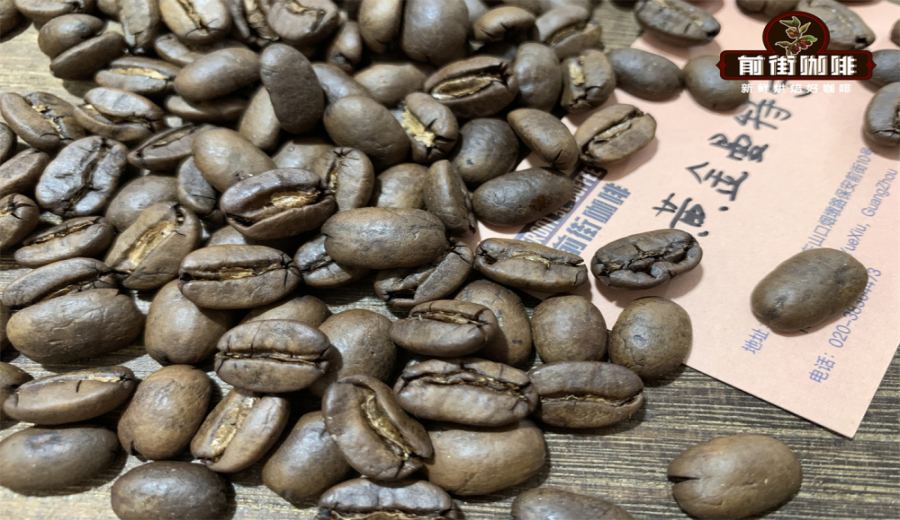
Among the various Mandheling offerings, the Golden Mandheling launched by PWN is widely recognized as the most representative orthodox version. The brand applies strict screening to its beans, with each green bean undergoing triple manual hand-selection to ensure consistent quality. These meticulously chosen beans not only have a neat appearance and a darker green hue, but also deliver a rich and full-bodied taste, accompanied by unique honey and buttery aromas, making them a classic among coffee aficionados.
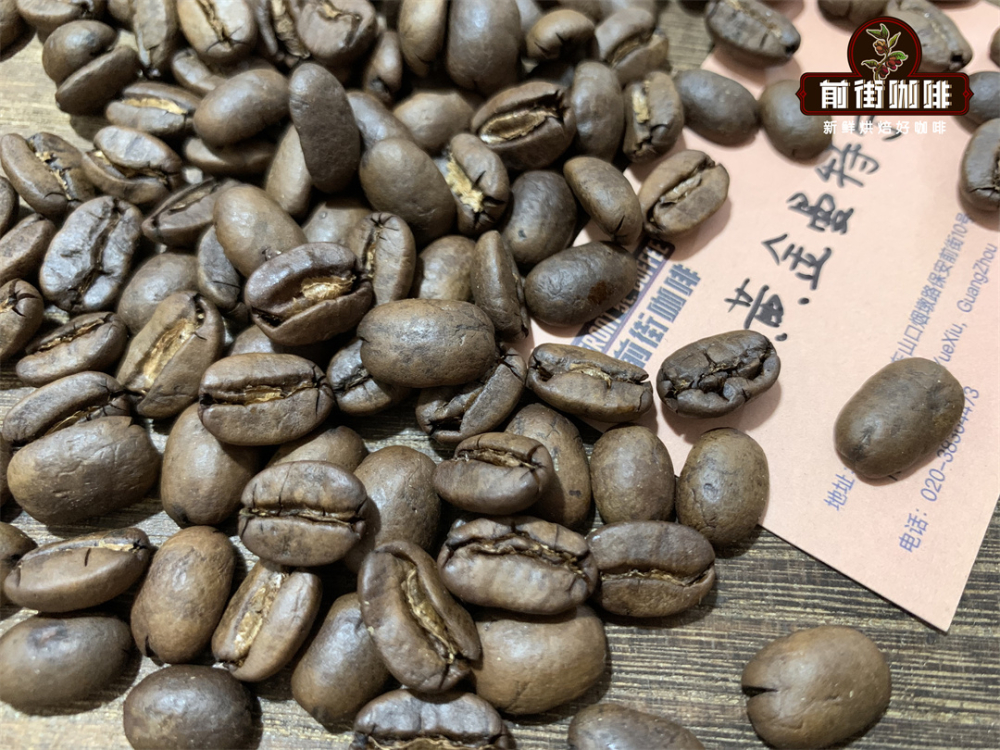
Golden Mandheling comes from the island of Sumatra in Indonesia, with most plantations located at altitudes between 1100 and 1600 meters, representing a high-altitude growing environment. Coffee beans produced in this area are typically classified as G1 grade, the highest quality level. It’s worth mentioning that only Mandheling officially registered and produced by PWN can be rightfully called “Golden Mandheling,” which gives it high recognizability and collectible value in the market.
Compared to regular Mandheling, the differences in Golden Mandheling become immediately apparent. In addition to the rigorous hand-selection process, its beans are larger in size, flatter in shape, darker green in color, and more uniform. In terms of flavor, Golden Mandheling offers a layered taste profile, with common flavor notes including toasted bread, nuts, pine, caramel, and herbs. These flavor combinations give the coffee a rich complexity and a lingering aftertaste, making it highly suitable for drinkers who enjoy bold flavors and distinctive aromas.
Speaking of the unique flavors of Indonesian Mandheling, we must mention the local specialty “wet-hulling” (Giling Basah) processing method. This traditional approach, although the word “wet” appears in its name, is quite different from the commonly known washed process (wet processing). Wet-hulling involves removing the coffee fruit’s pulp, and instead of waiting for the beans to fully dry, the parchment layer is directly scraped off while the beans are still somewhat moist.
The hallmark of this process is its speed, effectively shortening the overall processing time. However, because the beans are not fully dried before mechanical processing, they are more prone to defects. As a result, most processing mills arrange for skilled workers to conduct multiple rounds of hand-selection, typically divided into double-picked (DP) and triple-picked (TP). Among these, beans that have undergone triple-picking have a lower defect rate and more stable quality, which is the standard procedure used for Golden Mandheling.
The flavor characteristics brought about by wet-hulling are quite distinctive. Common cupping notes include low acidity, intense earthiness, smokiness, and chocolatey tones. The overall mouthfeel is bold and layered, though compared to other processing methods, it may appear more subdued and reserved. This flavor profile is closely related to Indonesia’s hot and humid climate, as well as the unique steps of the wet-hulling process, and it has also established Mandheling’s one-of-a-kind status in the world of coffee.
In summary, if you want to deeply understand the essence of Mandheling flavors, starting with Golden Mandheling is an excellent choice. Not only does it come with a rigorous green bean selection system and processing standards, but it also fully showcases the unique personality brought by Indonesia’s wet-hulling method. Whether you’re a beginner just stepping into the world of coffee or a seasoned enthusiast familiar with all kinds of processing methods, you can discover a different depth and charm in the coffee experience it offers.
The above content is compiled by CoffeeHunters, a coffee news website.


