







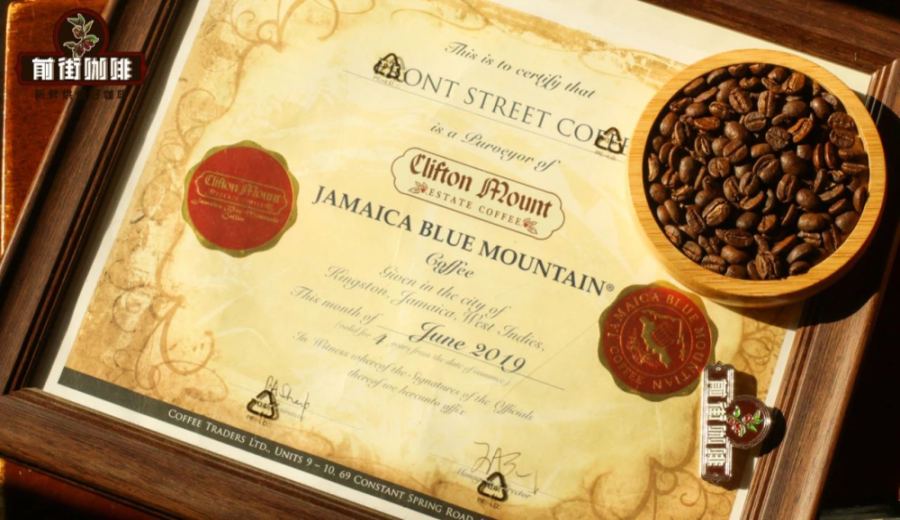
Introduction:Why is Jamaican Blue Mountain coffee so expensive yet still sought after by coffee lovers worldwide? This article delves into its unique geographical environment, rigorous grading system, traditional washed processing and innovative natural sun-drying methods, and takes the Clydesdale Estate as an example to guide you through the entire journey from planting to roasting. It also offers professional pour-over and SOE espresso extraction recommendations to help you better grasp the allure of this top-tier coffee.
The reason Jamaican Blue Mountain coffee has maintained its premier status in the specialty coffee world lies in its strict quality control system and unparalleled geographical conditions. Since its introduction in the 18th century, the high altitude, fertile volcanic soil, and the misty, rainy climate of the Blue Mountains have created its classic flavor profile—balanced acidity, sweetness, and bitterness with distinct layers. This article will detail the history of Blue Mountain coffee, its grading standards, the evolution of processing techniques, and the cultivation and processing details of the renowned Clydesdale Estate. It will also share practical pour-over tips and SOE espresso extraction methods to give you an in-depth understanding of the secrets behind this legendary coffee.
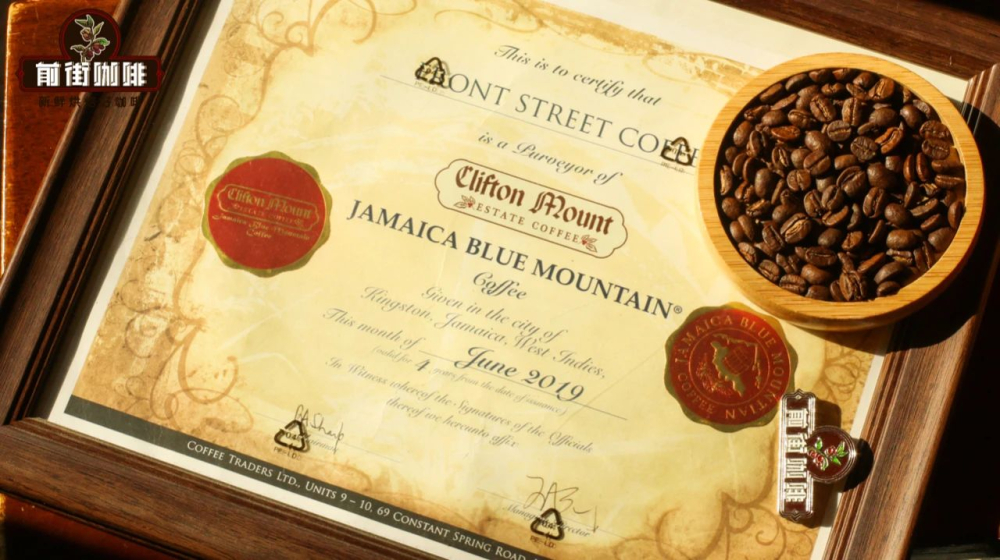
Jamaica enforces extremely strict regulations on its coffee industry, which is a key reason why Blue Mountain coffee can be considered among the world’s top specialty coffees. A well-known coffee brand sells Blue Mountain No. 1 beans, renowned for their balanced sweet, sour, and bitter notes, and it has long been a popular item in stores. However, due to the prevalence of counterfeits on the market, many consumers often wonder how to identify authentic Blue Mountain. By mastering the key information provided in this article, you can easily distinguish genuine beans from fakes and gain insight into the production and quality control processes behind them.
The history of coffee cultivation in Jamaica dates back to the early 18th century. In 1717, King Louis XV of France ordered coffee to be planted locally, and by the mid-1720s, then-Governor Sir Nicholas Lawes introduced Arabica seeds from Martinique and promoted their cultivation in the Saint Andrew area. These coffee trees eventually took root in the Blue Mountains. Subsequently, based on altitude, Jamaican coffee was divided into Blue Mountain coffee, High Mountain coffee, and regular Jamaican coffee, with significant differences in price and flavor between the grades.
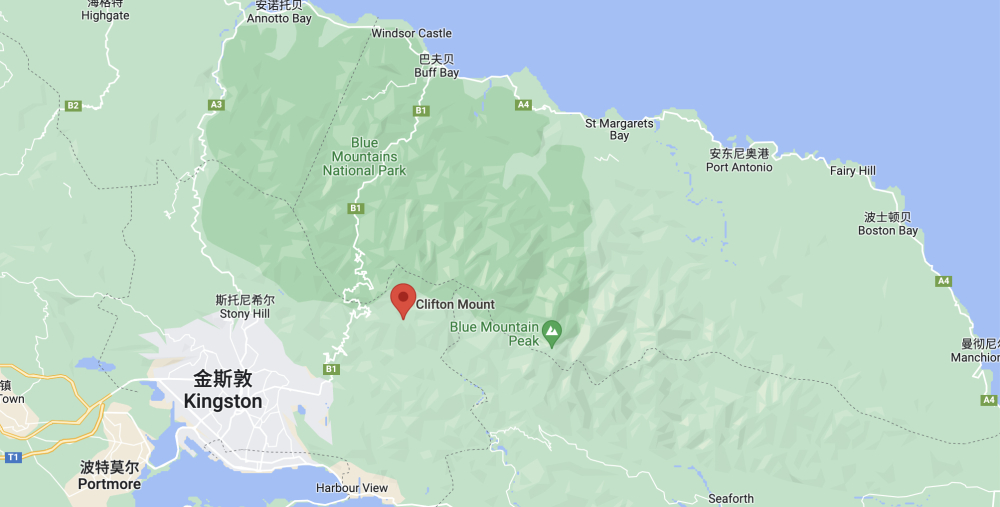
The Blue Mountains are located on the eastern coast of Jamaica, surrounded by the Caribbean Sea. When sunlight shines on the sea, the blue hue reflects off the water onto the mountain peaks, hence the name "Blue Mountain." The main peak of the mountain range reaches an elevation of 2,256 meters, with areas above 1,700 meters designated as protected forests where only coffee cultivation below 1,700 meters is permitted. This region is not only the highest point in the Caribbean but also a renowned tourist destination. The producing area lies within the coffee belt, boasting fertile volcanic soil, clean air, humid climate, along with an average annual rainfall of about 1,980 mm and a stable temperature of 27°C, all contributing to the unique and irreplaceable flavor characteristics of Blue Mountain coffee.
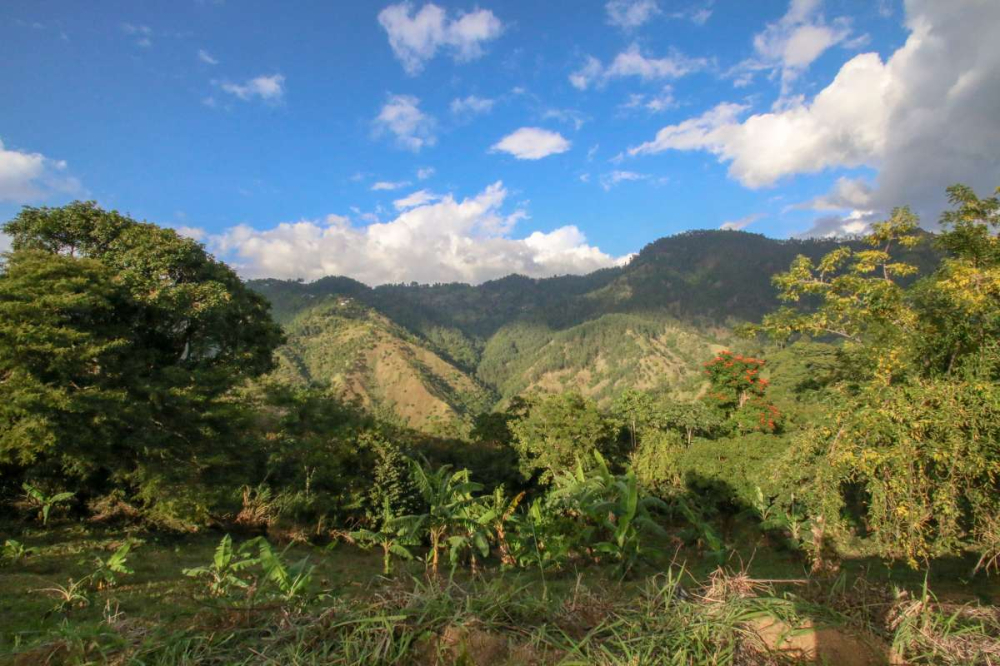 A key factor in Blue Mountain coffee’s rise to global prominence is the revival plan of the 1950s. At that time, the Jamaican government established the Coffee Industry Board (CIB) to centrally manage coffee production. Under CIB regulations, Blue Mountain coffee was clearly graded: only coffee grown at elevations above 900 meters in the core Blue Mountain region could be called “Blue Mountain,” with the highest-quality beans classified as “Blue Mountain No. 1.” The high-altitude environment of this region helps coffee beans accumulate richer flavor compounds.
It’s worth noting that only Typica variety is planted in the Blue Mountain area, and all beans are processed using the washed method, which contributes to the exceptional quality and consistency of Blue Mountain coffee. In contrast, early attempts at natural sun-drying processing were not widely adopted due to higher defect rates. Only coffee beans from the core Blue Mountain area with bean size of 17 or larger are eligible to be labeled as “Blue Mountain No. 1.”
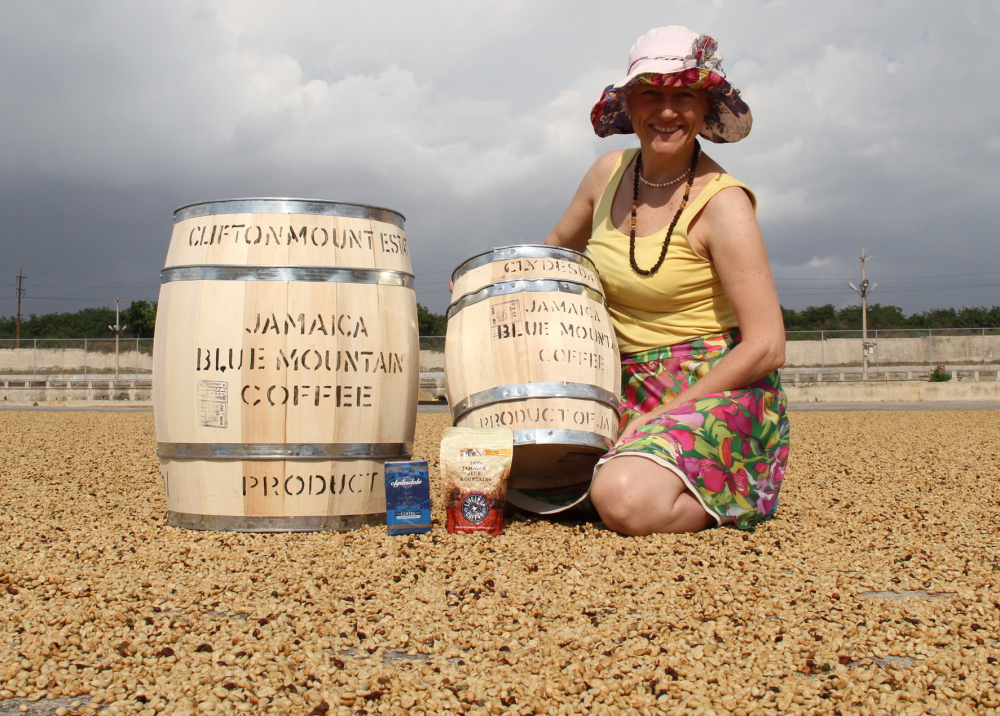
Most currently circulating authentic Blue Mountain coffee is processed using the washed method. After harvesting, the coffee cherries are first manually sorted to remove unripe or overripe fruits, then quickly depulped—the entire process must be completed within 12 hours. Traditional washed fermentation follows, after which the beans are moved to cement platforms for prolonged sun drying to enhance flavor expression. Once dried to a moisture content of 11–13%, the beans are stored in a warehouse for aging, with temperatures maintained at 24–25°C and humidity regulated by dehumidifiers. The aging period lasts approximately 2–3 months to ensure optimal flavor development before shipment.
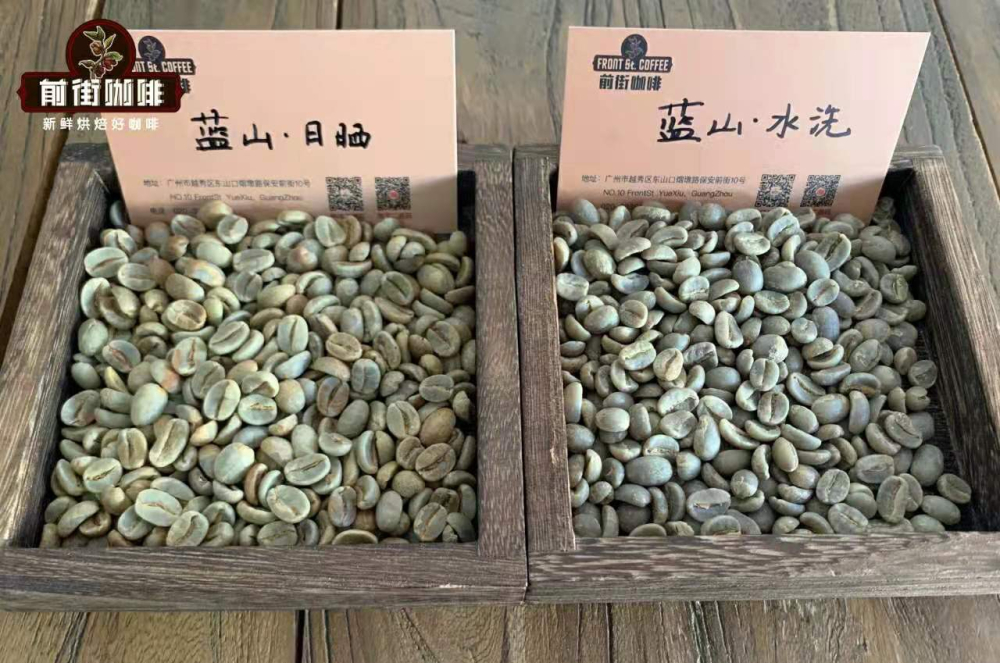
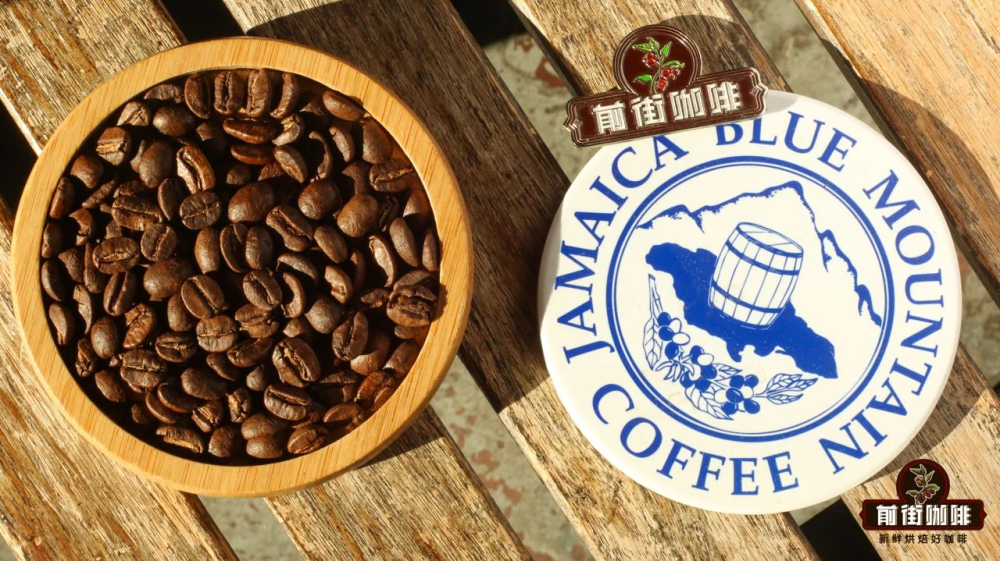 In the past decade, Blue Mountain coffee processing has also seen innovation. In 2020, a natural sun-dried version was launched for the first time, breaking the tradition of washed processing only. Modern natural processing techniques have effectively reduced defect rates and deliver a flavor profile distinctly different from the washed version—marked by more pronounced sweetness. In the same year, a micro-lot Blue Mountain Geisha coffee bean was also introduced, cultivated under the guidance of Panama's Hartmann family. According to tasters, this Geisha offers a bright acidity with citrus and pomelo notes, accompanied by delicate jasmine floral aromas and honey-like sweetness.
There are four renowned estates in the Jamaican Blue Mountain region, including the Clydesdale Estate, Stoneleigh Estate, Golden Cup Estate, and RWS Coffee Estate. Among them, the Clydesdale Estate, with a history of over 200 years, is the only estate in the entire Blue Mountain region to hold “Rainforest Alliance” certification and serves as the primary source of Blue Mountain coffee for a well-known coffee brand.
Coffee cultivation at Clydesdale Estate dates back to around 1750. Since 1978, it has been managed by the Sharp family. The estate is located at the foot of Clydesdale Mountain, with planting and processing areas averaging about 1,310 meters (4,300 feet) above sea level. The high altitude, combined with year-round light fog, ample sunlight, and rainfall, along with mineral-rich soil, slows the ripening of coffee cherries, aiding in the accumulation of aromatic compounds. Due to the steep slopes of the planting areas, harvesting is challenging, requiring skilled workers to hand-pick ripe fruits every spring.
After the Sharp family took over, they carried out large-scale renovations, including the installation of a solar power system, wastewater treatment facilities, and a BMCP processing plant. As the only estate with “Rainforest Alliance” certification, Clydesdale places a high emphasis on environmental protection during production—for example, using processing water for agricultural irrigation and fermenting fruit peels into organic fertilizer for flower cultivation in the estate.
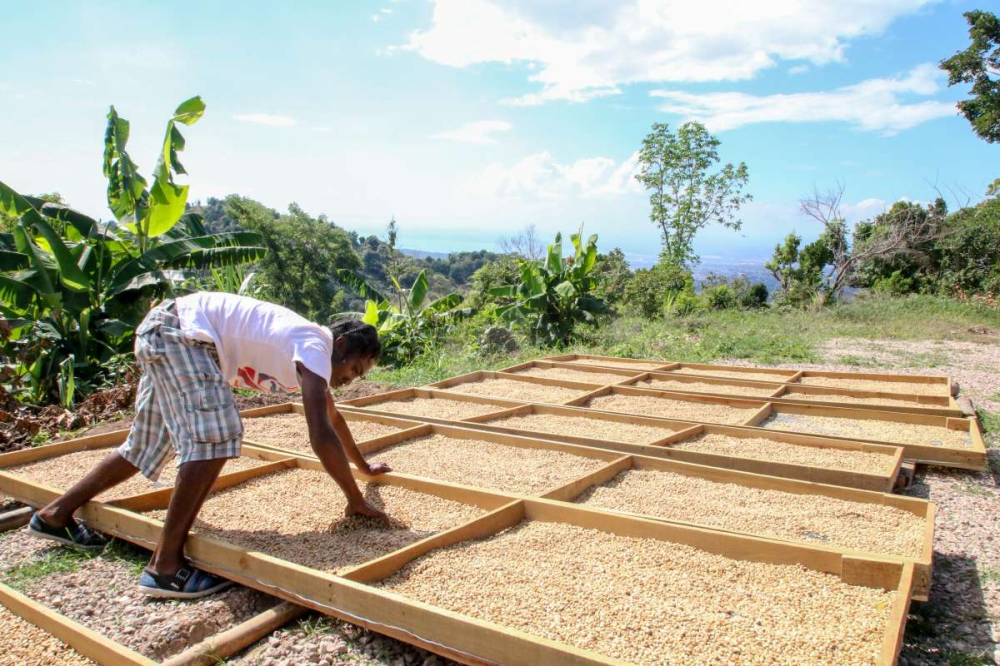 In the processing workflow, Clydesdale Estate first uses floatation to separate ripe and unripe beans, then channels the ripe coffee cherries via water flow into a pulper. The depulped beans, still coated with mucilage and parchment, are placed in water tanks for fermentation. After fermentation, water is used again to remove residual mucilage, and the beans with parchment are then sun-dried until their moisture content drops to 11–12%. They are subsequently transferred to the BMCP processing plant for a one-month resting period to stabilize flavor and internal structure.
The Blue Mountain No. 1 coffee from Clydesdale Estate, sold by a well-known coffee brand, is roasted to a medium-dark level to fully showcase the classic flavors of Blue Mountain—such as chocolate and nut aromas—while retaining gentle acidity and moderate sweetness, resulting in a balanced and rich taste. Freshly roasted beans exhibit dry aroma notes of nuts, melon, and chocolate in cupping, while brewed cups release aromas of oolong tea, caramel, honey, and dark chocolate. The flavor is intense on the palate, featuring dark chocolate, roasted hazelnuts, cream, and brown sugar, with a full-bodied and layered mouthfeel. To ensure optimal flavor, all coffee beans are guaranteed to be shipped within five days of roasting.
For pour-over brewing, it is recommended to use a KONO filter, 15 grams of coffee, a coarse grind (75% passing through a 20-mesh sieve), a 1:15 coffee-to-water ratio, and water temperature controlled at 86–88°C. The step-by-step extraction process is as follows: the first pour is 30 grams of water for a 30-second bloom; the second pour is 100 grams of water in a circular motion from the center outward, waiting until the water level drops halfway; the third pour is 95 grams of water, for a total of 225 grams, with a total extraction time of about 1 minute and 50 seconds. These parameters fully highlight the balanced flavors of Blue Mountain coffee, showcasing its rich notes of nuts, chocolate, and cream.
 With the diversification of specialty coffee, more and more consumers are trying the SOE (Single Origin Espresso) extraction method. Taking Blue Mountain No. 1 as an example, you can tamp 20 grams of freshly ground double shot coffee firmly and directly extract an espresso. Freshly brewed Blue Mountain espresso has a thick crema, with aromas of caramel, toasted spices, and dark chocolate. Upon tasting, you may initially perceive a strong bitterness from the crema, but as you savor it further, the lingering sweetness and coffee aroma gradually emerge.
If you’re not accustomed to the intense flavor of espresso, you can mix it with ice water or hot water at a 1:4 ratio to make a refreshing SOE Blue Mountain Americano; or combine it with fresh milk at a 1:6 ratio to create a smooth SOE Blue Mountain Latte, presenting the delicate flavors of Blue Mountain coffee in different forms.
The above content is compiled by CoffeeHunters, a coffee news website.


