







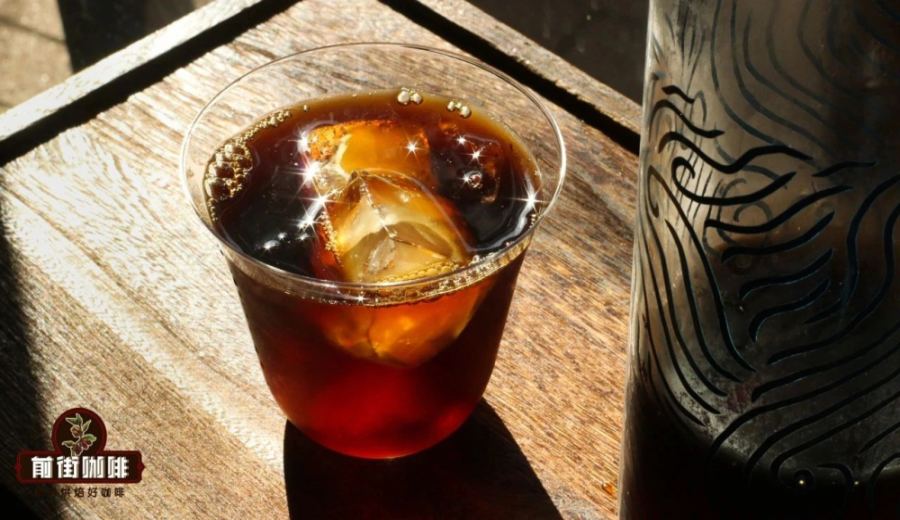
Introduction:Want to brew a cup of cold pour over coffee at home that’s not bitter, bursting with aroma, and smooth and mellow? This article uses the classic Indonesian Golden Mandheling as the base to deeply analyze the key parameters and techniques of professional-level cold pour over. From the coffee-to-water ratio, water temperature control, grind size, to the precise rhythm of segmented pouring, it will guide you through practical techniques to extend extraction and reduce the risk of over-extraction—allowing even dark roasted beans to showcase their delicate aftertaste and rich mouthfeel.
The summer heat can make people feel drowsy, and sipping on a cool, rich black coffee is undoubtedly one of the most refreshing pleasures. However, many coffee enthusiasts often encounter issues such as insufficient aftertaste, overly watery coffee, or even noticeable bitterness when trying to make cold pour over with dark roasted beans. Using the classic Indonesian Golden Mandheling as an example, this article shares an advanced cold pour over process. By adjusting water temperature, grind size, segmented pouring, and coffee-to-water ratio, it effectively enhances overall flavor performance, delivering a superb experience that combines deep aroma with silky smoothness.
Many people, when first attempting to cold pour over dark roasted beans, tend to use high water temperatures or overly fine grinds, which leads to extracting too many unnecessary impurities. This results in obvious bitterness and a rough mouthfeel after the ice dilutes the coffee. In fact, dark roasted beans undergo more caramelization reactions, and using the common method of high-temperature quick extraction can actually emphasize smoky, woody, or burnt notes, disrupting the overall flavor balance. Therefore, switching to a lower water temperature, coarser grind, and segmented flow control extraction method is key to improving cold pour over performance.
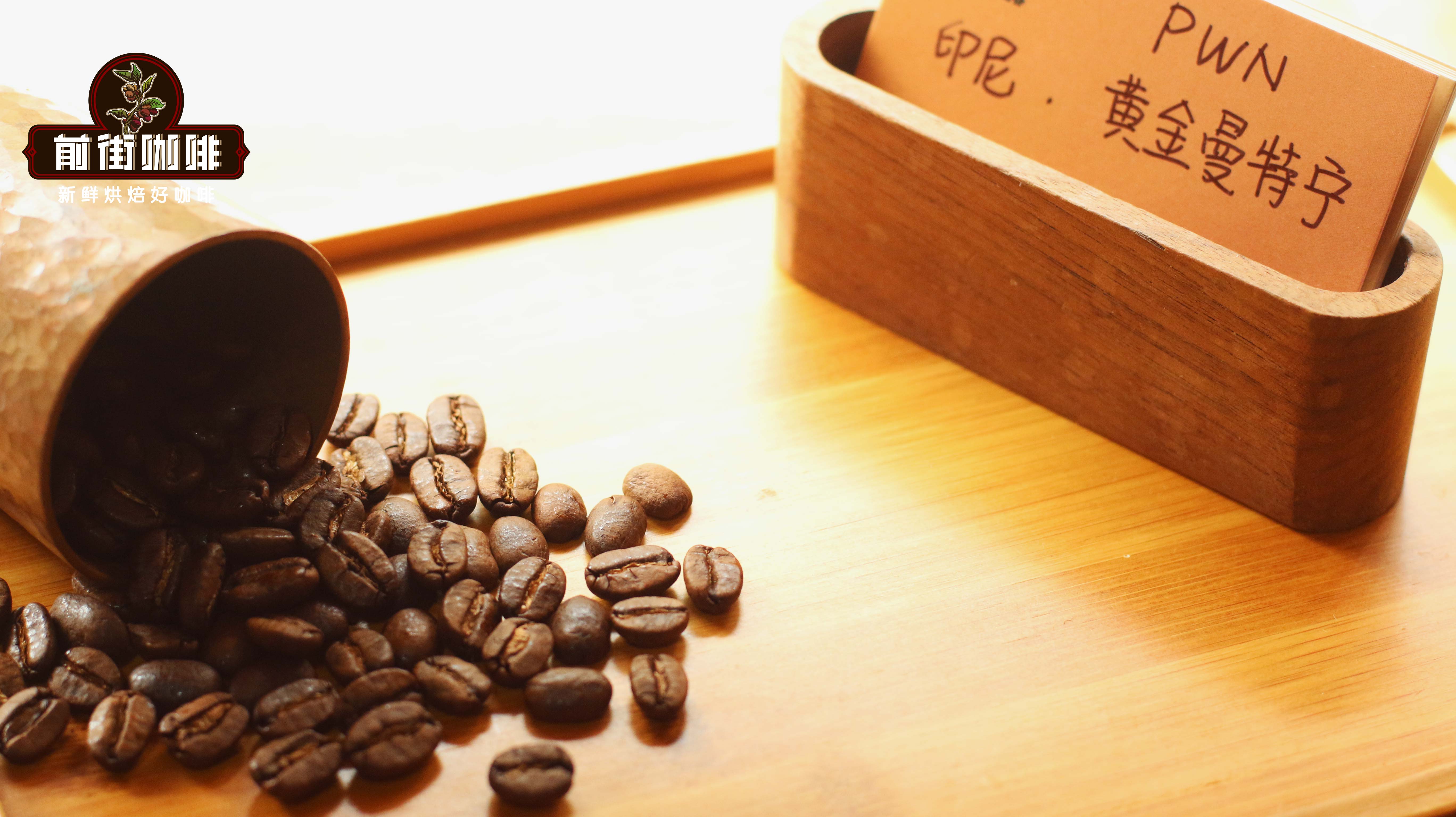
Before getting started, selecting the right coffee beans is crucial. This article uses Indonesian Golden Mandheling, which features plump and uniform beans. This not only aids in stable extraction but also showcases the intense chocolate, nutty, and subtle cedar aromas characteristic of dark roasts. Because this bean is dark roasted, using traditional hot pour over methods with high temperatures and fine grinds can easily amplify its inherent heaviness. However, through the low-temperature slow extraction of cold pour over, its rich depth and delicate layers can be highlighted.
Compared to regular hot pour over, the total water volume used in cold pour over is usually significantly reduced. For a single serving of 15 grams of coffee, hot pour over might use 225 milliliters of hot water (a coffee-to-water ratio of about 1:15), while cold pour over only requires 150 milliliters (a ratio of about 1:10). While this design reduces extraction time, it can also lead to under-extraction and result in a thin flavor. Therefore, it’s recommended to extend the overall extraction time by increasing the number of pours and controlling the pouring speed, while avoiding overly concentrated release of flavor compounds.
This demonstration uses 20 grams of coffee, 100 grams of ice, and a total of 200 milliliters of hot water, with a coffee-to-water ratio of 1:10 and an ice-to-water ratio of 1:10:5. The suggested water temperature range is controlled between 86–87°C to avoid excessively high temperatures that could accelerate the release of undesirable substances and affect the final taste. The grind size is recommended to be adjusted to a sugar-like coarseness (approximately scale 10.5 on the Ek43s grinder), suitable for use with stable-flow filter cones such as KONO, cake drippers, or Kalita, which help control the extraction pace and flow rate.
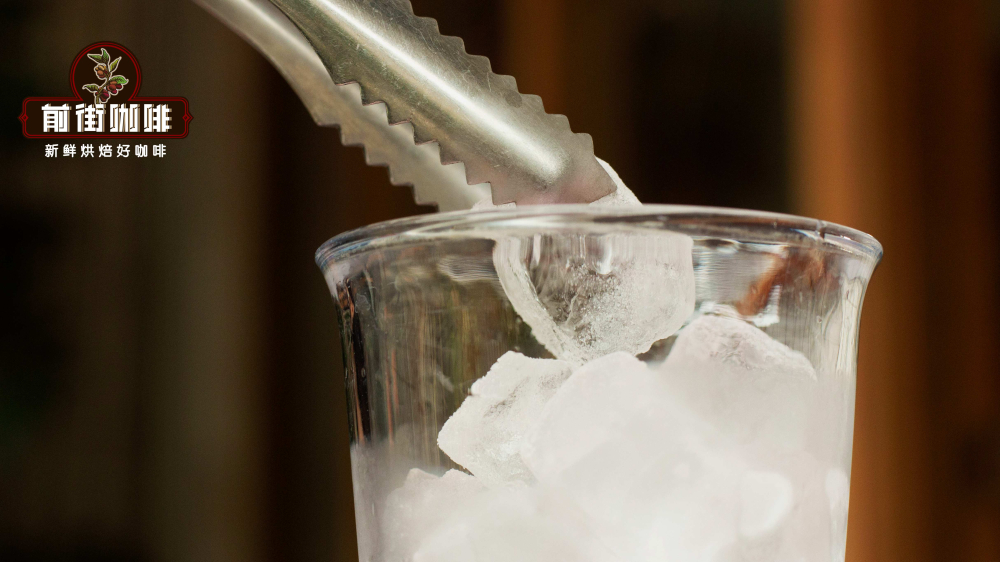
In terms of specific operation, start by placing 100 grams of ice in the lower container. The first step involves slowly pouring 40 milliliters of hot water in a circular motion, waiting about 30 seconds to allow the coffee grounds to fully bloom and form a “hamburger”-shaped expansion layer. Then, starting from the second step, switch to a small stream of water, pouring in a circle about the size of a one-yuan coin from the center outwards, pouring 40 milliliters. Be careful not to pour too high to avoid disturbing the coffee bed excessively. When slight ripples or dimples appear at the center of the liquid surface, continue using the same technique to pour the next 40-milliliter segments—five segments in total, for a combined water volume of 200 milliliters.
If you only want to brew a single serving with 15 grams of coffee, you can also adjust the total water volume to 150 milliliters, divided evenly into five segments of 30 milliliters each, following the same pouring rhythm. This segmented approach helps extend the overall extraction time, with the final drip-through time generally falling between 1 minute 55 seconds and 2 minutes 10 seconds. This effectively enhances the release of flavor compounds while avoiding over-extraction.
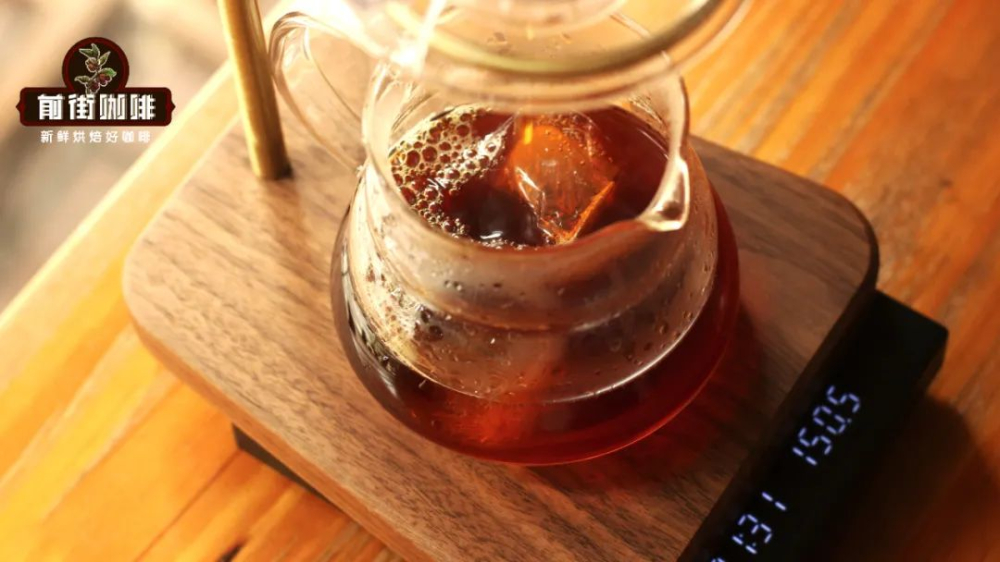
Once all the hot water segments have been poured and the coffee has completely dripped through, you can remove the filter cone. At this point, it’s recommended to gently shake the server to allow the ice and coffee to mix thoroughly, and use your hand to gauge the temperature. Once the drink reaches a suitably cool level, it’s ready to enjoy. This cold pour over Golden Mandheling has no bitterness, and at a lower temperature, highlights layered aromas of chocolate, maple, and nuts, with a mouthfeel as smooth as cream. As the ice gradually melts, the concentration naturally decreases, and the flavor becomes refreshing and soft—but the aftertaste still retains delicate notes of caramel and cedar, leaving a memorable impression.
The above content is compiled by CoffeeHunters, a coffee news website.


