







Introduction:Have you ever wondered why drinking a cup of coffee can make you feel instantly more awake? The key lies in the interaction between caffeine and adenosine in the human body. This article delves into why coffee has an energizing effect and provides a detailed analysis of the caffeine content in various types of coffee—such as espresso, Americano, pour over, French press, and cold brew—while also comparing the differences between the two major coffee species, Robusta and Arabica. This will help you choose the most suitable cup based on your daily needs.
When your body starts sending signals of fatigue, a cup of aromatic coffee often becomes a go-to pick-me-up. However, the stimulating effects of each type of coffee can vary greatly, depending on the amount of caffeine it contains and how it is brewed. Is espresso the most energizing, or does Americano take the crown? This article will explore the science behind coffee’s stimulating effects and break down the caffeine content in common coffee beverages, helping you make smarter choices for different life scenarios.
Firstly, coffee helps boost alertness mainly because it contains caffeine, which interferes with the body’s naturally produced adenosine. Adenosine is a substance that accumulates the longer you stay awake. When it binds to nerve cells in the brain, it triggers feelings of tiredness. Caffeine has a chemical structure similar to adenosine and can “disguise” itself as adenosine to bind with nerve cells, thereby blocking the real adenosine from taking effect. This tricks the brain into thinking you’re still wide awake, which is why you feel more energized after drinking coffee.
However, the caffeine content in different types of coffee varies significantly. This is not only related to the brewing method but also closely tied to the type of coffee bean used. The most commonly available coffee beans on the market fall into two main categories: Robusta and Arabica. Robusta beans generally have a higher caffeine content, accounting for about 2% to 4% of the bean’s weight, typically around 3%, giving them stronger stimulating potential. In contrast, Arabica beans have a lower caffeine proportion, ranging from 0.9% to 1.4%, with a common value around 1.2%. They usually offer a smoother and more delicate flavor but with less intensity.
Some consumers may have heard of “decaf coffee.” Here’s a quick note: so-called naturally decaffeinated coffee is still made from Arabica beans, but its caffeine content is only about half that of regular Arabica, roughly 0.6%. For those who are extremely sensitive, this may still be too much. If you want to avoid caffeine entirely, it’s recommended to choose artificially decaffeinated coffee products, which contain almost negligible amounts of caffeine.
Next, let’s look at the caffeine content in various common coffee beverages. Please note that the following data are all based on Arabica coffee beans, and brewing conditions also affect the amount of caffeine released. For example, the longer the brewing time and the higher the coffee-to-water ratio, the more caffeine is typically released. Additionally, even for coffee beverages that use espresso as a base—such as lattes, cappuccinos, and mochas—their caffeine content is actually similar to that of pure espresso, as they are usually made with a double shot of espresso.
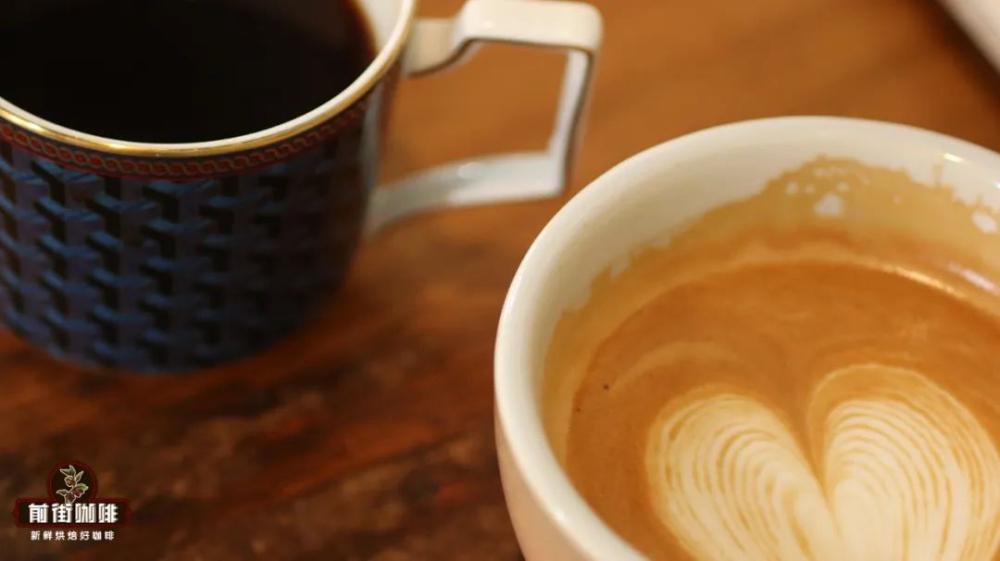
Specifically, a standard shot of espresso (using 20 grams of coffee grounds to extract 40 grams of concentrated liquid) contains about 100 milligrams of caffeine. For pour over coffee, using 15 grams of coffee grounds with 195 milliliters of water results in approximately 90 milligrams of caffeine; increasing to 20 grams of grounds and 260 milliliters of water can yield about 120 milligrams. French press coffee (using 20 grams of grounds and a 4-minute brew) releases about 135 milligrams of caffeine. As for cold drip coffee (using 20 grams of grounds over about 8 hours) and cold brew coffee (also 20 grams of grounds over 12 hours), their caffeine content is even higher, at approximately 135 milligrams and 140 milligrams, respectively.
If you opt for more convenient drip bags, a 10-gram coffee packet yields about 50 milligrams of caffeine; instant coffee per packet also contains roughly 50 milligrams of caffeine. This shows that, in terms of single-cup caffeine intake, espresso, cold drip, and cold brew provide more noticeable stimulating effects, while pour over and French press fall somewhere in the middle, suitable for those who enjoy a slower sipping experience but still want a caffeine boost. As for drip bags and instant coffee, the smaller amount of coffee used leads to relatively limited caffeine release.
Overall, if you need a quick energy boost in a short period, choosing espresso—which has a short brewing time but high concentration—or cold drip and cold brew, which have a relatively high total caffeine content, may be better options. If you prefer a milder flavor and a moderate caffeine intake, pour over or French press made with Arabica beans are gentler choices. For those who are more sensitive to caffeine but still want to enjoy the flavor of coffee, consider low-caffeine or lightly roasted Arabica coffee to reduce stimulation to your body.
No matter which type of coffee you choose, understanding its caffeine content and how it works can help you enjoy the right cup of energizing coffee at the right time and in the right way.
The above content is compiled by CoffeeHunters, a coffee news website.


