








Introduction:The Piccolo Latte is one of the lesser-discussed styles of espresso-based coffee, yet it showcases the essence of coffee flavor through its refined proportions. This article delves into the origins of the Piccolo Latte, its standard ratios, common preparation methods, and offers a detailed comparison with lattes, cappuccinos, and flat whites in terms of milk foam thickness, espresso ratio, and overall mouthfeel—helping you find the coffee that suits you best.
In the vast world of espresso beverages, lattes and cappuccinos are the go-to choices for many coffee enthusiasts. However, there is a small yet refined coffee drink that is often overlooked—Piccolo Latte—which is gradually gaining favor among those with discerning palates. "Piccolo" means "small" in Italian, and when paired with "Latte" (milk), it translates literally to "small milk coffee." After entering the English-speaking world, due to its phonetic similarity, it has also been translated as "Piccolo Latte," which carries a poetic charm.
This coffee typically uses 15 to 20 milliliters of espresso, along with an appropriate amount of steamed milk, and is finally poured into a glass of about 100 milliliters. The focus is on highlighting the aroma and layers of the coffee itself while maintaining a smooth and easy-drinking texture, making it an excellent choice for savoring the true essence of coffee.

Although the Piccolo Latte is not as widely popular as lattes or cappuccinos, its preparation philosophy is actually quite simple: using a smaller cup size and a more concentrated espresso ratio to present a more focused coffee flavor. A common method is to use one shot of espresso (about 15–20 milliliters), paired with about four times the amount of milk, keeping the overall ratio around 1:4, resulting in a flavor that is both rich and smooth.
If you don’t have a dedicated 100-milliliter Piccolo cup, you can also use a slightly larger cup (such as 150 milliliters) and adjust the amounts of coffee and milk proportionally. For example, using 30 milliliters of espresso, and adding about 120 milliliters of milk, can still maintain a similar flavor structure. Such adjustments are more practical and easier to execute for home brewing or general cafés.
When it comes to coffee bean selection, the Piccolo Latte heavily relies on the performance of the espresso component. Therefore, it is recommended to use well-blended blends or single-origin beans (SOE) with distinct flavor profiles. For instance, a classic blend might be based on Indonesian Mandheling and Brazilian beans, complemented by a small amount of Robusta to enhance crema and body, making it suitable for producing a Piccolo Latte with expressive character. Additionally, if you prefer unique flavors, you can also try medium-to-dark roasted SOEs from South America or Asia, such as Brazil Queen Estate, Colombian washed, or Golden Mandheling, all of which can bring different taste dimensions.
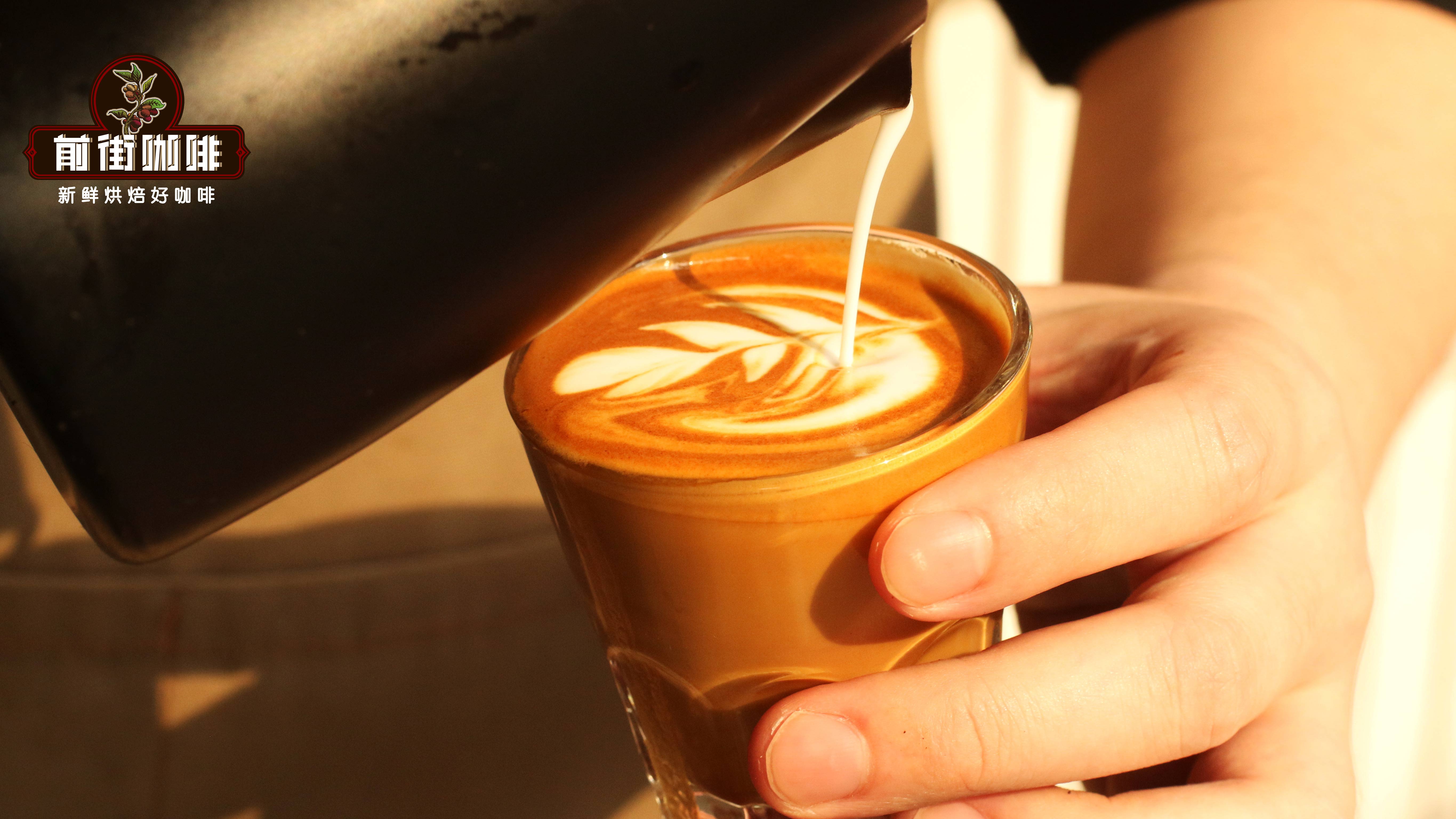
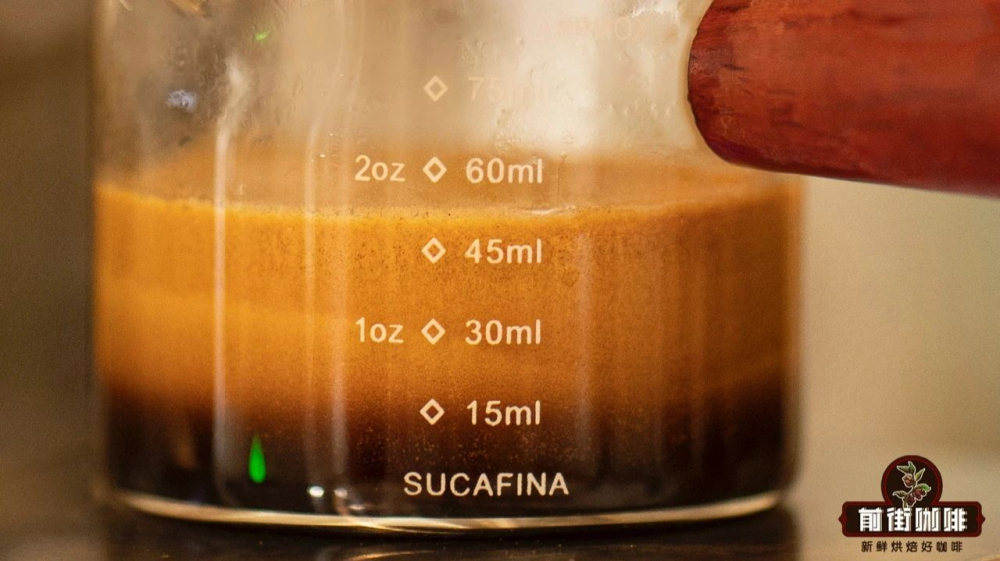
For preparation, it is recommended to use 18 grams of coffee grounds, with an extraction time controlled at around 27 seconds, to yield approximately 30 milliliters of espresso. Of course, actual extraction parameters can be fine-tuned based on your machine’s condition—the key is to consistently extract a balanced and layered shot. In addition, the temperature and texture of the milk are also crucial. It is advised to steam the milk to about 60–65°C, and create a fine, velvety microfoam, so as to highlight the coffee’s aroma without overpowering it.
So, how does the Piccolo Latte differ from the more familiar latte, cappuccino, and flat white? First, in terms of proportions, the coffee concentration in a Piccolo Latte is significantly higher than that of a latte, as it uses less milk paired with an equal or slightly greater amount of espresso. This makes the intrinsic coffee flavor of the Piccolo Latte more prominent, making it ideal for those who want to carefully appreciate the flavor profile of coffee.
Compared to a cappuccino, the milk foam in a Piccolo Latte is finer and smoother. Unlike the thick, structured foam layer of a cappuccino, it is closer in texture to the smooth mouthfeel of a latte, but with far less milk. Furthermore, although the flat white is also a small-format coffee, its milk foam is denser, the milk ratio is lower, and it typically uses a double ristretto as the base, emphasizing a strong coffee expression. It is a very popular coffee style in New Zealand and Australia. The Piccolo Latte, on the other hand, places more emphasis on the overall balance of flavors and the gentle complement of milk.
In short, the Piccolo Latte is like a perfect balance between a refined shot of espresso and milk—smooth but not excessive foam, clear yet not overwhelming coffee aroma. It is one of the entry-level choices for those wanting to deeply understand the character of coffee itself. For beginners exploring the world of coffee or enthusiasts looking to experience different ratios and flavor expressions, the Piccolo Latte undoubtedly provides a fascinating and accessible starting point.
In summary, selecting the right base coffee beans, controlling the ratio of coffee to milk, and paying attention to the texture and temperature of the milk foam are the three key elements to making a successful Piccolo Latte. If you enjoy exploring the diversity of coffee, why not start with the Piccolo and experience the wonderful interplay between the essence of espresso and the gentleness of milk.
The above content is compiled by CoffeeHunters, a coffee news website.


