







Introduction:With its low-temperature slow extraction process, cold drip coffee achieves a uniquely rich and smooth flavor with a refreshing taste, making it a top choice for coffee lovers in the summer. But how does it differ from common cold brew or Dutch coffee? How can you extract the best flavors through precise coffee-to-water ratios and drip rate settings? This article delves into the principles of cold drip coffee, the types of coffee beans that suit it, and offers practical brewing parameters and tips to help you master this art of coffee.
On a hot summer day, a cool and smooth cup of coffee can bring great comfort. Cold drip coffee, with its unique cold extraction method, not only offers a refreshing taste but also appears particularly precious due to its complex brewing process. But why is it often more expensive than regular iced coffee? And how can you make excellent-tasting cold drip coffee at home? This article will take you deep into the brewing principles, key parameter settings, and suitable coffee bean choices for cold drip coffee, helping you master this fascinating cold extraction technique.
First, let’s clarify a few commonly confused terms: cold drip coffee, cold brew coffee, and Dutch coffee. Many people think they are different brewing methods, but in fact, they all fall under the category of “cold water coffee extraction.” Among them, cold drip coffee is a technique where ice water drips drop by drop through a bed of coffee grounds, gradually extracting the coffee flavors. Compared to the direct immersion method of cold brew coffee, the cold drip process is slower and more refined.
There is a long-standing story about the origin of cold drip coffee: in the 17th century, Dutch sailors, lacking hot water, used ice water to extract coffee beans, thus creating this method. However, this story has been proven to be fabricated by Japanese coffee businesses to market cold drip brewers. In reality, the more common practice in Western countries was to steep coffee grounds in cold water for a long time — what we now know as cold brew coffee — rather than the drip-style cold drip method popular in Japan.
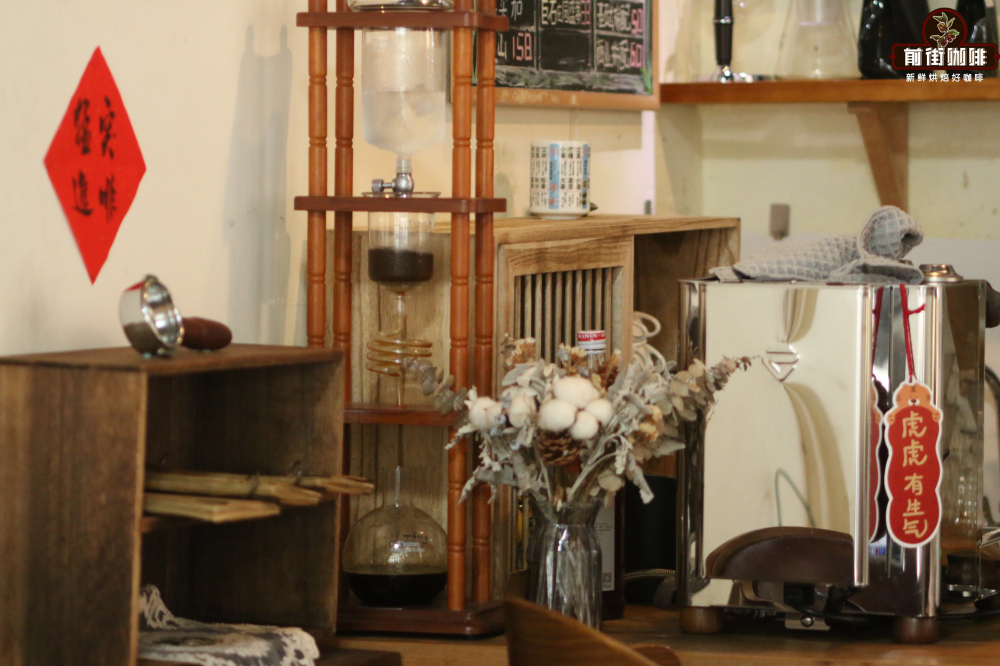
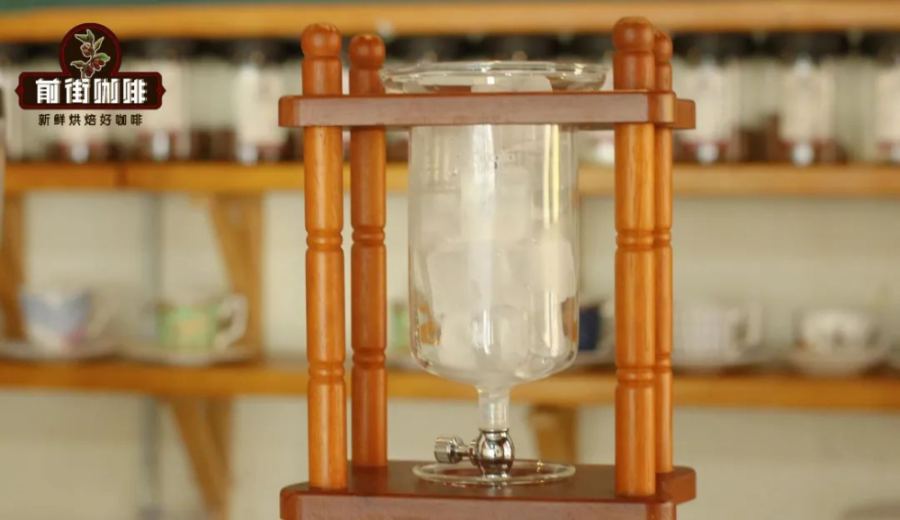
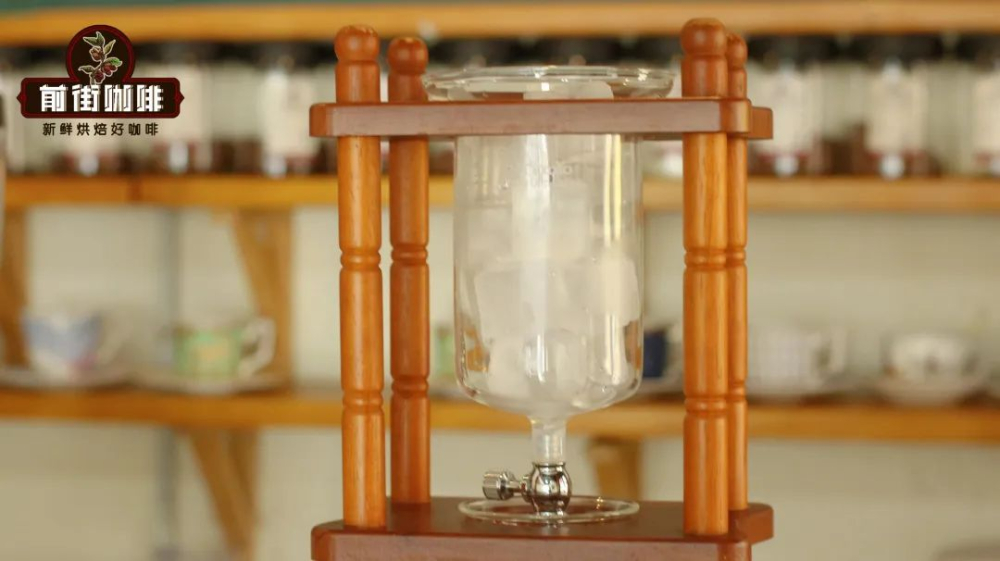
The equipment for making cold drip coffee is usually divided into three layers: the top layer holds ice water at around zero degrees, the middle layer contains finely ground coffee, and the bottom layer collects the slowly dripping coffee liquid. Since the entire process takes place in a low-temperature environment, substances in coffee that can easily cause bitterness are less likely to be released, giving cold drip coffee a rich, smooth taste without harsh bitterness. Additionally, after a period of refrigerated aging, its flavors subtly change over time, becoming even more rounded and smooth.
The optimal tasting period for cold drip coffee is generally between 24 to 72 hours after extraction. Although the flavor may become richer if left longer, the aroma will gradually diminish over time. Therefore, to enjoy the most balanced flavor, it is recommended to consume it within three days of brewing. If stored properly in the refrigerator, it can be enjoyed up to a week later, though the flavor profile may vary slightly.
When selecting coffee beans for cold drip, because it uses low-temperature extraction, dark roasted beans are not suitable. The high-boiling-point compounds in dark roasts are difficult to fully release at low temperatures, which can lead to a thin or flat flavor. Therefore, it is recommended to choose medium-light to medium-roasted beans. These beans retain more acidic compounds and small-molecule flavor substances, allowing the long, low-temperature extraction to bring out fresh and sweet fruit acids, floral and fruity aromas, as well as delicate sweet aftertastes.
When making cold drip coffee at home, it is recommended to use medium-fine ground coffee (about 75% of the fineness that can pass through a Chinese No. 20 sieve, similar to fine sugar), and place circular filter paper on top of the coffee grounds to ensure even water distribution. Then, place the ice-water mixture (it is recommended to use a 1:1 ratio of ice to water) in the upper chamber. Before starting the drip, make sure the coffee grounds are fully pre-wetted to avoid channeling effects that could impact the overall extraction uniformity.
Controlling the drip rate is one of the keys to the success of cold drip coffee. Too fast a flow rate may result in under-extraction, making the coffee taste too light; too slow a rate may lead to over-fermentation, producing unpleasant sourness or vinous notes. Practical experience suggests controlling the drip rate to about 7 drops per 10 seconds, which helps balance flavor and strength.
In terms of coffee-to-water ratio settings, cold drip coffee typically uses a ratio of 1:8 to 1:10. For example, if using 100 grams of coffee grounds, you would need to prepare 800 to 1000 grams of ice-water mixture, which can be fine-tuned according to personal taste preferences. The entire extraction process usually takes 3.5 to 12 hours, depending on the amount of coffee grounds and the drip rate.
After extraction, it is recommended to pour the coffee liquid into a clean, sealed glass container and place it in the refrigerator. Refrigeration not only helps stabilize the flavors but also makes the sweetness and delicate aromas of the coffee more pronounced, further enhancing the overall drinking experience.
In summary, the charm of cold drip coffee lies in its meticulous craftsmanship and the unique flavor layers revealed through low-temperature extraction. As long as you master the coffee-to-water ratio, drip rate, and suitable types of coffee beans, you can also easily make cold drip coffee at home that rivals café-quality, enjoying a refreshing and pleasant summer.
The above content is compiled by CoffeeHunters, a coffee news website.


