







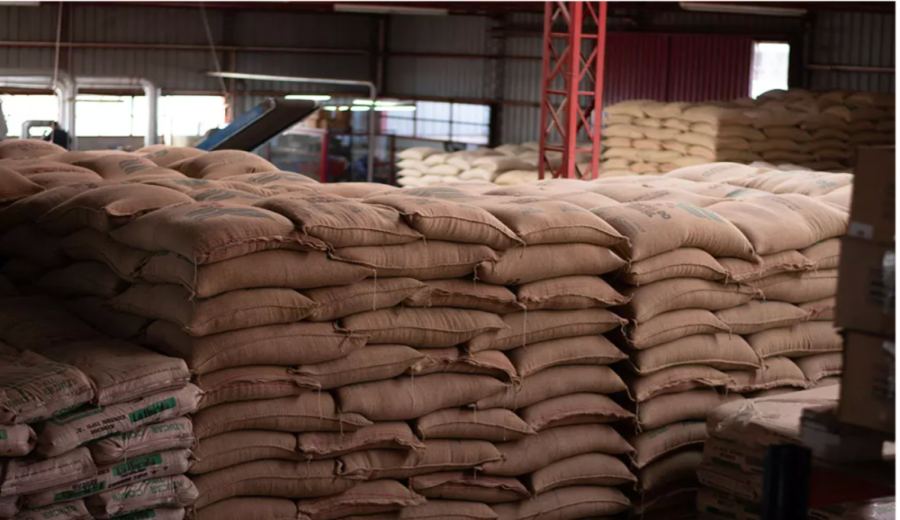
Introduction:Brazil is the world’s largest coffee producer, known for its full-bodied, balanced profiles, low acidity, and nutty characteristics. This article delves into the unique terroirs of Brazil’s three premium coffee regions—Cerrado Mineiro, Sul de Minas, and Mogiana—and explores how the semi-washed (pulped natural) processing method shapes their clean and sweet flavor attributes. Featuring Yellow Bourbon from Fazenda Rainha as an example, it also provides practical pour-over parameters and a three-stage pouring technique to help you master the brewing essentials of this classic bean.
When Brazil comes to mind, most people think first of football and samba passion. But this South American giant is also the kingdom of coffee. No matter which blend you enjoy, chances are it contains beans from Brazil. Brazilian coffee is known for itslow acidity, richnutty and chocolate flavors, and smooth, velvety body, making it a popular daily choice.
This article will not only introduce you to the history and major coffee regions of Brazil but also take a deep dive into its iconicsemi-washed processing method, as well as how proper brewing can highlight the unique charm of specialty beans like Yellow Bourbon from Fazenda Rainha. At the end, you’ll find detailedpour-over parameters and a three-stage pouring guide, so you can brew an authentic and smooth Brazilian cup at home.
Brazil isn’t just the world’s top coffee producer, contributing about 30% of global coffee output annually—it also has a coffee culture deeply embedded in everyday life. Brazilian coffee often featuresmild acidity, abundantnutty aromas, and a comfortingbalanced taste. Just like the widely loved Red Fruit Coffee, it frequently boasts intense notes of nuts, chocolate, and cream, making it a favorite among consumers.
As early as 1729, coffee was introduced to Brazil from French Guiana, where it quickly took root and spread. The varieties grown in Brazil include both Arabica and Robusta, with Red Bourbon, Yellow Bourbon, Mundo Novo, and Catuai being the most renowned. Yellow Catuai is a new variety developed by Brazil’s Agricultural Research Institute, resulting from a cross between Mundo Novo and Caturra. It offers strong disease resistance, thrives at high altitudes, and presents delicate acidity with a clean flavor profile.
Mundo Novo is a natural hybrid of Bourbon and Typica, discovered in 1943 in São Paulo State, Brazil, and was first planted in the region of Urupês. These varieties together create the diverse yet harmonious flavor spectrum that defines Brazilian coffee.
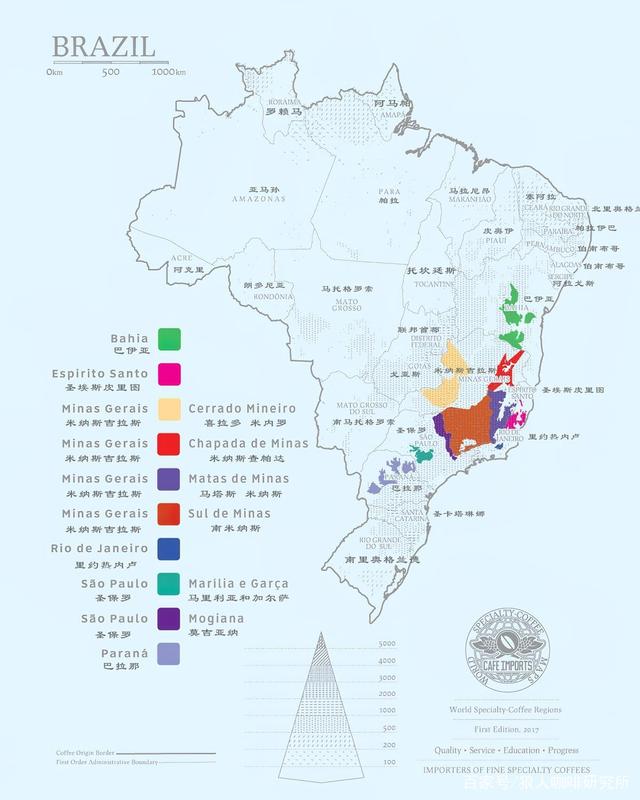
Though Brazil has many coffee-growing regions, its four primary ones—Minas Gerais, São Paulo, Bahia, and Espírito Santo—account for over 90% of national production. Among these,Sul de MinasandCerrado Mineiroin Minas Gerais, as well asMogianain São Paulo, benefit from higher altitudes and favorable climates, becoming key sources of specialty coffee.
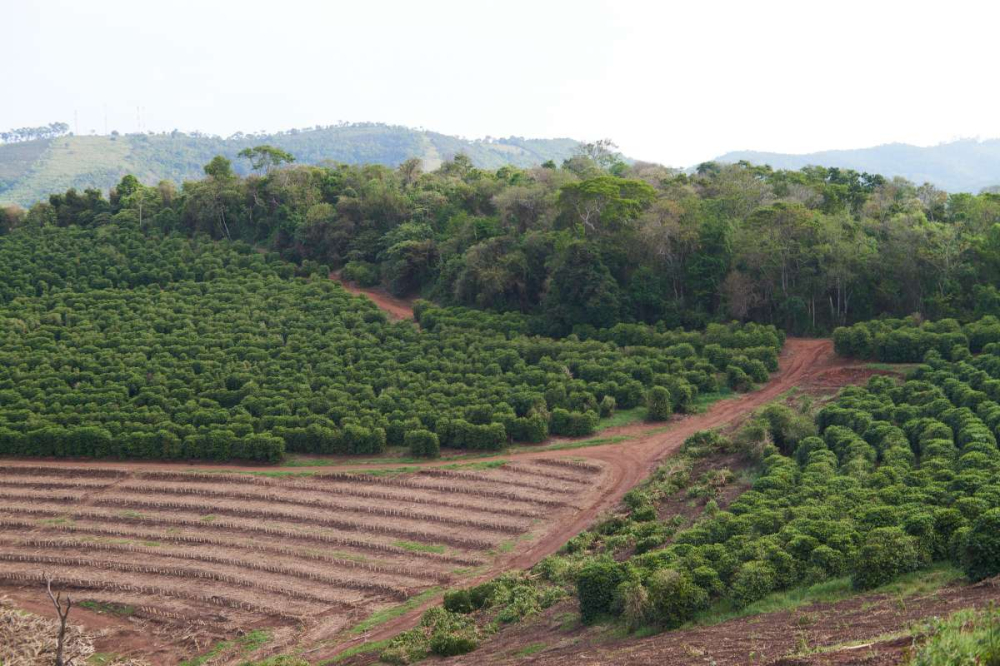
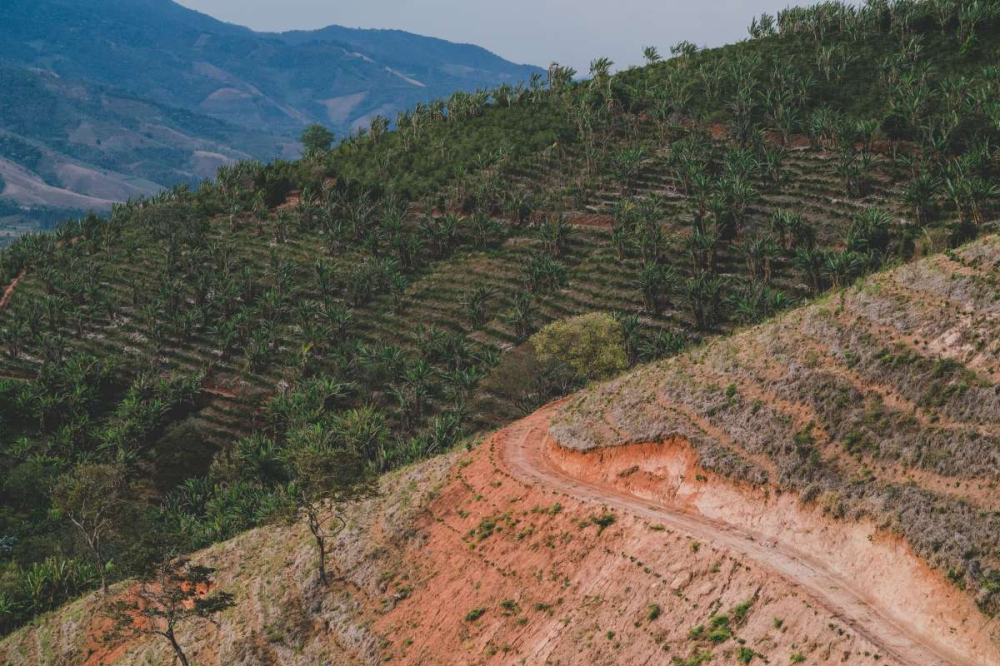
Sul de Minas lies in a high-altitude zone with varied terrain, distinct wet and dry seasons, and significant day-night temperature variations—conditions ideal for cultivating Bourbon and Yellow Bourbon varieties. Some estates, such as the Divine Tree Estate, insist on completely manual processes from harvest to processing, preserving the coffee’s original character. The diversity of microclimates here often results in uniquely layered cup profiles.
Cerrado Mineiro is known for its vast highland savannahs, but not all coffee grown here qualifies as “Cerrado coffee.” Only beans cultivated between 1,100 and 1,300 meters above sea level can claim this designation. Coffees from this area typicallyfeature a full body without earthy undertones, symbolizing the region’s consistent and high-quality standards. For instance, the well-known herb plantation not only holds origin certification but also benefits from volcanic soils and ample sunshine and rainfall, making it one of Brazil’s coffee benchmarks.
Mogiana is located in southern Minas Gerais, combining traditional large-scale farms with modern smallholder operations, and extensively using high-tech planting equipment. Thanks to this diverse background, coffees from this region often exhibita sugarcane-like sweetness, with high sweetness levels and excellent balance. Fazenda Rainha is a representative farm here, focusing on high-altitude hand-picked Bourbon varieties with low yield but high quality—embodying the essence of Brazilian specialty coffee.
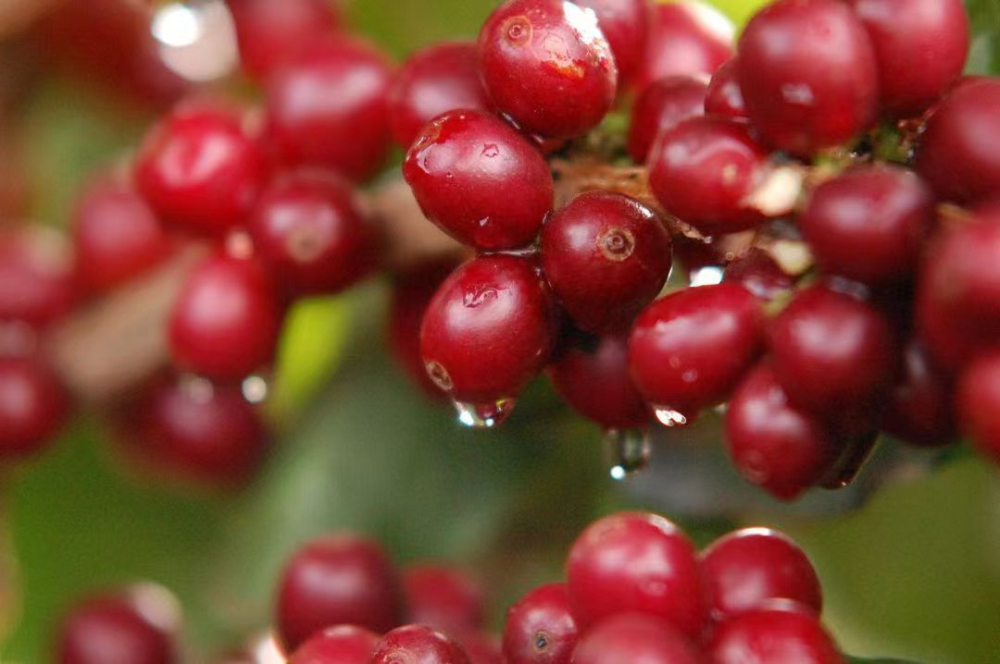
What makes Brazilian coffee truly remarkable is itslow acidity, full body, and nutty and chocolatey foundation. Though it may lack the vibrant fruit acids or floral notes found in some African or high-altitude Central and South American coffees, itsapproachable and consistent profilemakes it a foundational component in many blends, as well as a great entry point for coffee beginners.
When it comes to Brazilian coffee processing methods, the country’s uniquesemi-washed (pulped natural) methodmust be mentioned. Since most Brazilian regions have relatively low altitudes and abundant sunlight, traditional sun-drying risks over-fermentation or moldy flavors. As a result, Brazil developed the semi-washed process, which significantly reduces mucilage drying time and skips certain fermentation stages—thereby enhancing the coffee’scleanliness and sweetness. This approach allows Brazilian coffee to maintain its soft, full-bodied, and nutty character even in dry environments.
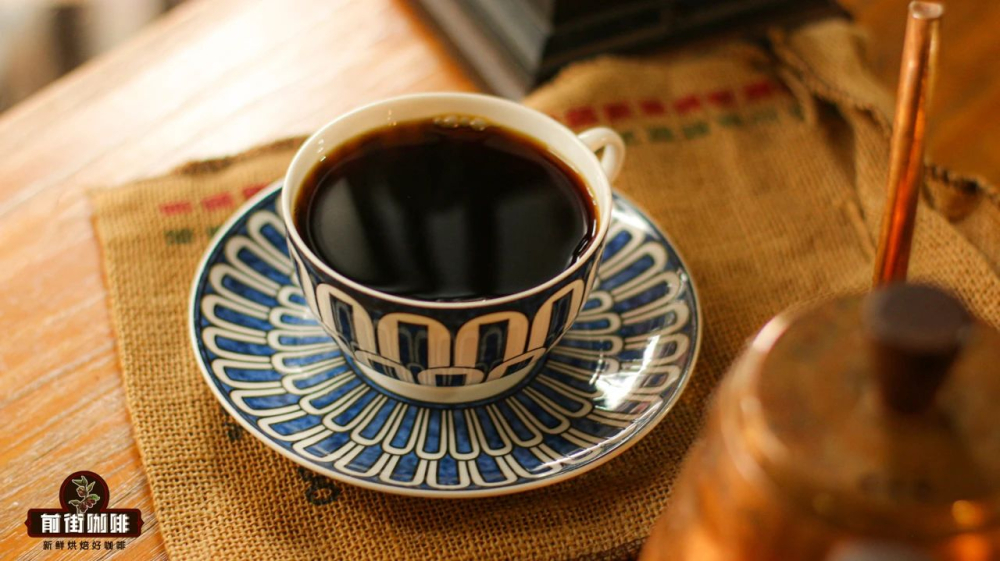
To experience the charm of Brazilian coffee firsthand, Yellow Bourbon from Fazenda Rainha is an excellent choice. This premium bean, grown in the Mogiana region of São Paulo State at altitudes of 1,400 to 1,950 meters, is hand-picked and processed via the semi-washed method. Its flavor profile is clear and expressive: a bright yet gentlesweetnessas the base, with subtlecitrus aromaand richnutty tones, leading to a lingering finish of captivatingdark chocolate. The overall mouthfeel is round and multi-dimensional.
For brewing, we recommend usingmedium-roastedYellow Bourbon from Fazenda Rainha, as this highlights itssugarcane-like sweetness. Optimal flavor typically emerges around the 7th day post-roast, so be sure to select beans roasted within the last 5 days to ensure peak flavor.
Recommended pour-over parameters are as follows:
- Coffee dose:15 grams
- Brew ratio:1:15
- Grind size:Medium-coarse grind, 75% passing through a #20 sieve
- Water temperature:88°C
Three-stage pouring steps suggestion:
- First stage: pour30mlwater for blooming, for about30–40 seconds
- Second stage: pour in small circles100ml, and when the water level drops to just expose the coffee bed
- Third stage: pour again95ml, keeping total extraction time around2 minutes
Using this brewing method helps fully express the nutty sweetness and chocolatey finish of Yellow Bourbon from Fazenda Rainha, allowing you to enjoy a smooth and balanced Brazilian-style pour-over coffee.
The above content is compiled by CoffeeHunters, a coffee news website.


