







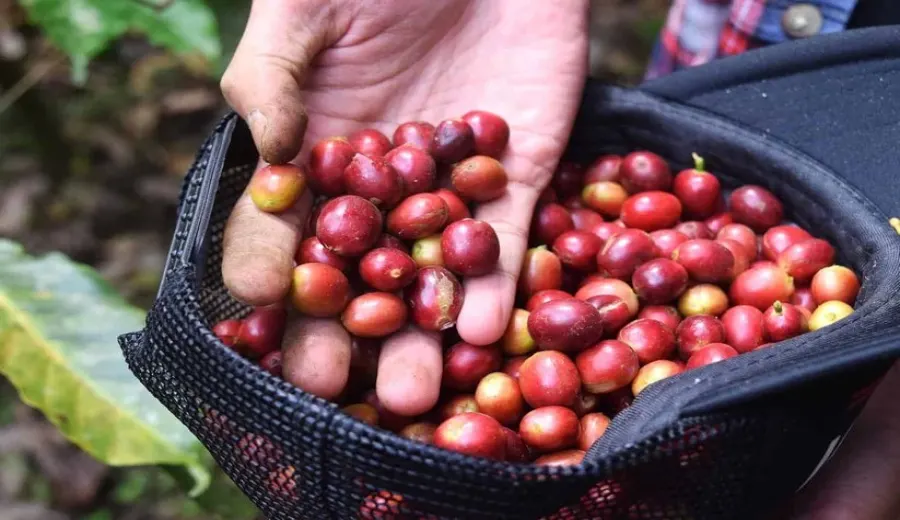
Introduction:Although coffee from West Java in Indonesia is not as well-known as Sumatra’s Mandheling, it boasts a unique tropical fruit character and gentle acidity. This article delves into the geographical environment of the West Java region, the origins of its coffee cultivation during the Dutch colonial period, the contributions of the ICCRI institute to variety improvement, and provides a detailed look at the characteristics of the S795 (Jember) variety and honey processing. It concludes with professional brewing parameters and flavor profiles to help you fully appreciate this nuanced Indonesian specialty coffee.
When it comes to Indonesian specialty coffee, many people immediately think of Sumatra’s Mandheling, with its intense herbal and earthy flavors leaving a lasting impression. However, the West Java region on the western side of Java Island produces a distinctly different style of Arabica coffee — one that lacks the heavy spice notes typical of traditional Indonesian beans and instead showcases a bright, sweet-tart profile of tropical fruits. This article will take you deep into the unique charm of West Java coffee, covering everything from regional geography and planting history to main varieties and honey processing techniques. With a honey-processed bean as an example, we’ll analyze its flavor characteristics and offer practical brewing suggestions.
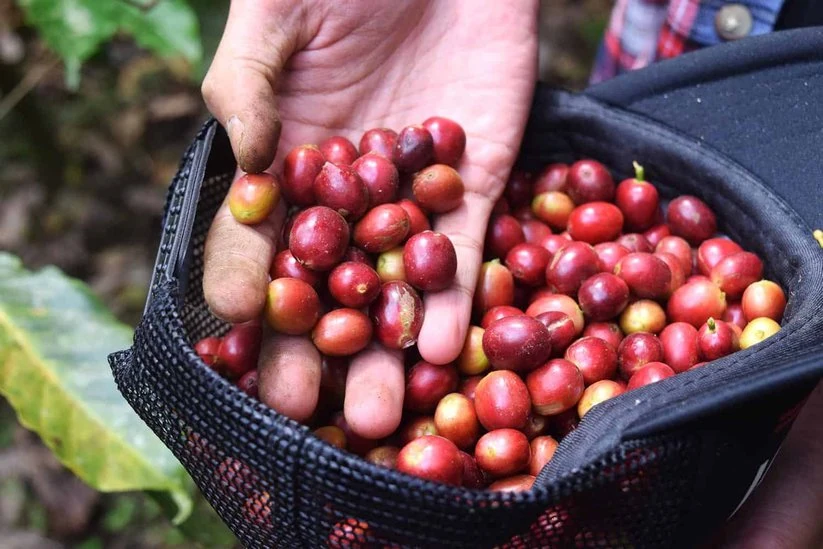
As a first-level administrative region of Indonesia, West Java is located on the western part of Java Island, bordered by the Java Sea to the north and the Indian Ocean to the south, covering an area of approximately 46,300 square kilometers. The region features a typical tropical rainforest climate, with high temperatures and humidity year-round. Particularly in the northern coastal plains, temperatures are noticeably higher than in the inland mountainous areas. The climate is significantly influenced by monsoons: from November to March of the following year, the northwest monsoon prevails, bringing abundant rainfall and high cloud cover; from April to October, it’s the southeast monsoon season, characterized by mostly sunny and dry weather, which is ideal for coffee growth. Taking the capital Jakarta as an example, the average annual rainfall is about 1,760 millimeters, with daytime temperatures ranging between 23°C and 30°C. In high-altitude areas such as Tosari (at 1,735 meters above sea level), temperatures are significantly lower, with large diurnal temperature variations. Additionally, due to frequent volcanic activity on Java Island, the soil is rich in volcanic ash nutrients, providing excellent natural conditions for coffee cultivation.
The history of Indonesian coffee is inseparable from Dutch colonialism. As early as 1699, the Dutch introduced coffee seedlings from India to Java Island and exported coffee to Europe for the first time in 1711. Within just ten years, exports exceeded 60 tons per year, making Indonesia the third country in the world to engage in large-scale coffee cultivation after Yemen and Ethiopia. The Dutch East India Company (VOC) monopolized the coffee trade for over sixty years (1725–1780), and the early Typica variety was mostly imported from Ceylon (now Sri Lanka). Over time, the Dutch expanded coffee cultivation from Batavia (now Jakarta) to Sumatra, Sulawesi, and other regions, and through introductions via Amsterdam and the Palace of Versailles in France, laid the foundation for New World coffee.
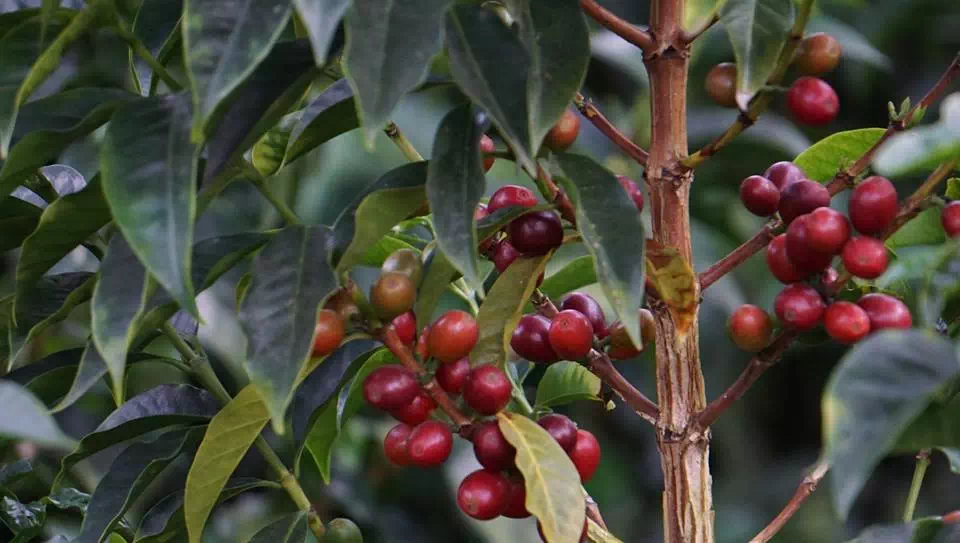
However, the devastating coffee leaf rust epidemic of 1876 dealt a heavy blow to Indonesia’s coffee industry, nearly wiping out the Typica variety. In 1911, the Indonesian Coffee and Cocoa Research Institute (ICCRI) was established to continue the research system from the Dutch era, focusing on breeding disease-resistant varieties and improving processing techniques. The institute employs over 300 professionals, including 36 researchers (12 PhDs, 7 masters, and 17 college-level researchers), organized into ranks such as principal scientists and research scientists, providing technical support to smallholder farmers and the industry chain. Thanks to the efforts of ICCRI, Java gradually transitioned into an Arabica-producing region dominated by large estates, commonly using washed processing and promoting selected varieties such as S795 (locally known as Jember).
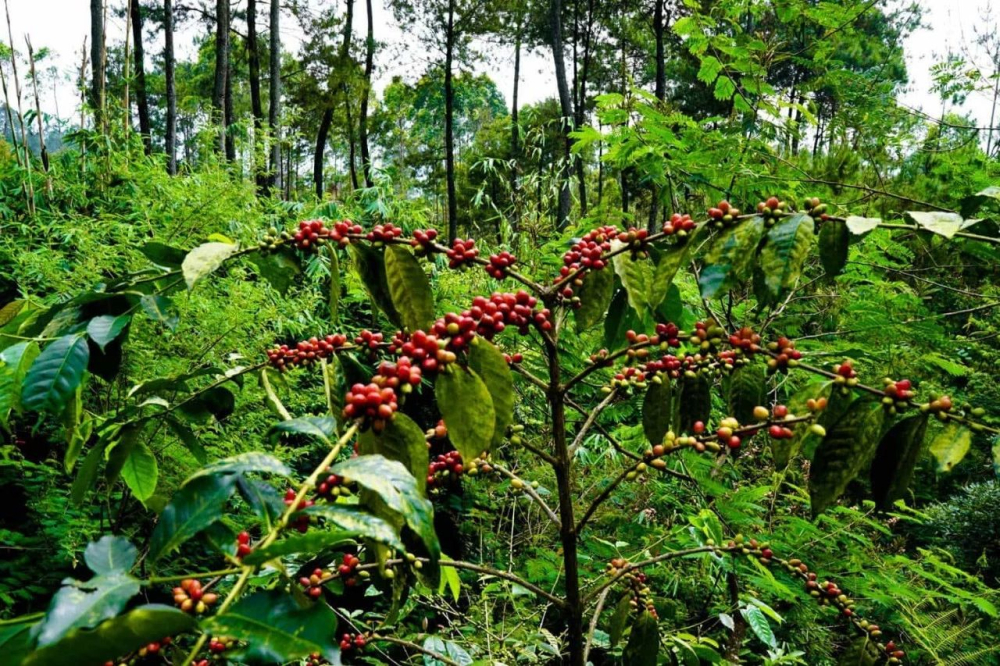
Coffee varieties in Java can be divided into six main categories, including Typica originating from Ceylon and its mutations Bergandal and Sidikalang, as well as hybrid varieties such as Hibrido de Timor (HDT), the Linie S series (e.g., S-288, S-795), and Ethiopian series (e.g., Rambung, Abyssinia). Among them, S795 is an outstanding variety developed through multiple hybridizations by Indian botanists. Its parentage includes Typica and Liberica, and after multiple rounds of selection, the earthy taste was removed while retaining disease resistance and a sweet flavor. This variety was introduced to Java by the Jampit Coffee Research Center in East Java. Since it originated from the Jember region in East Java, local farmers simply call it Jember.
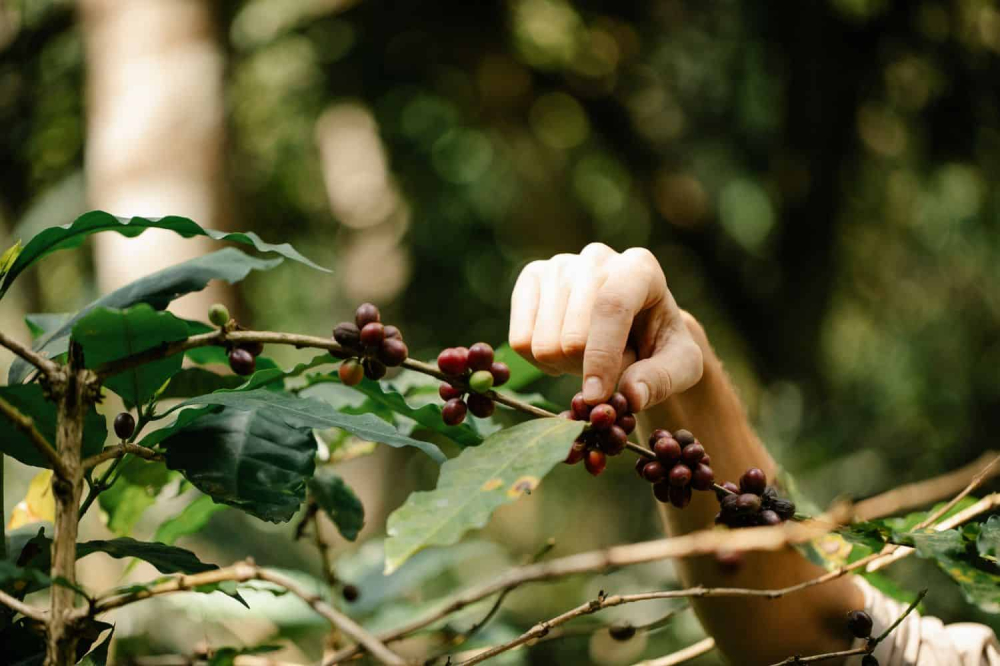
West Java’s honey-processed coffee is represented by the S795 variety from the Amanie Estate (located in Mount Tugu, at an altitude of 1,400–1,600 meters), which uses the red honey process (Golden Honey) to retain part of the mucilage layer, enhancing sweetness and body. The key to honey processing lies in precisely controlling the drying time and temperature — first, defective beans are removed, then the outer skin and pulp are stripped, leaving the mucilage-rich, sugar- and acid-laden inner skin. The beans are then slowly dried (usually for 10–14 days), allowing the sweetness of the mucilage to penetrate the bean core. This technique combines the cleanliness of washed processing with the intense fruity aroma of sun-drying, resulting in a coffee that offers the sweetness and juiciness of tropical fruits with a subtle wine-like finish.
For brewing, given the higher density of West Java’s honey-processed beans, it is recommended to use a medium-light roast to highlight the fruit characteristics. Using an EK43 grinder as an example, you can set it to 10 clicks (granulated sugar size, about 80% passing rate on a #20 sieve), with a 1:15 coffee-to-water ratio and water temperature controlled at 90–91°C. The specific method involves three pour phases: the first pour of 30 grams of water for a 30-second bloom, followed by pouring 95 grams (totaling about 125 grams) of the main extraction over about 1 minute. When the water level drops to two-thirds of the coffee bed, pour the remaining 100 grams (totaling about 225 grams) to complete the extraction, with a total brew time of about 2 minutes. These parameters balance sweetness and acidity, highlighting the bright flavors of tropical fruits like mango and jackfruit, along with a subtle wine fermentation layer.
The above content is compiled by CoffeeHunters, a coffee news website.


