







Introduction:Want to distinguish the flavor differences between Mandheling and Yirgacheffe? This article provides an in-depth analysis of the characteristics of two classic regional coffees — Sumatra’s Golden Mandheling and Ethiopia’s Yirgacheffe. From origin altitude and processing methods to roasting and pour over recommendations, along with comparisons to representative beans such as Kenya and Brazil, it offers a complete flavor profile and practical extraction parameters to help coffee enthusiasts find the option that best suits their taste.
Among the many types of coffee beans, how to choose the one that best matches your palate is often a common question for both novice and advanced coffee drinkers. Common selection directions can generally be divided into two categories: one includes beans known for their pronounced fruit acidity and fresh floral-fruity profiles, such as Ethiopia’s Yirgacheffe; the other features options that are rich, full-bodied, low in acidity, and characterized by nutty and chocolatey notes, such as Indonesia’s Sumatran Mandheling. This article will detail representative beans of these two classic styles and extend the comparison to the personalities of different regions like Kenya and Brazil, while also providing practical roasting advice and pour over parameters to give you a more comprehensive understanding of each bean’s characteristics.
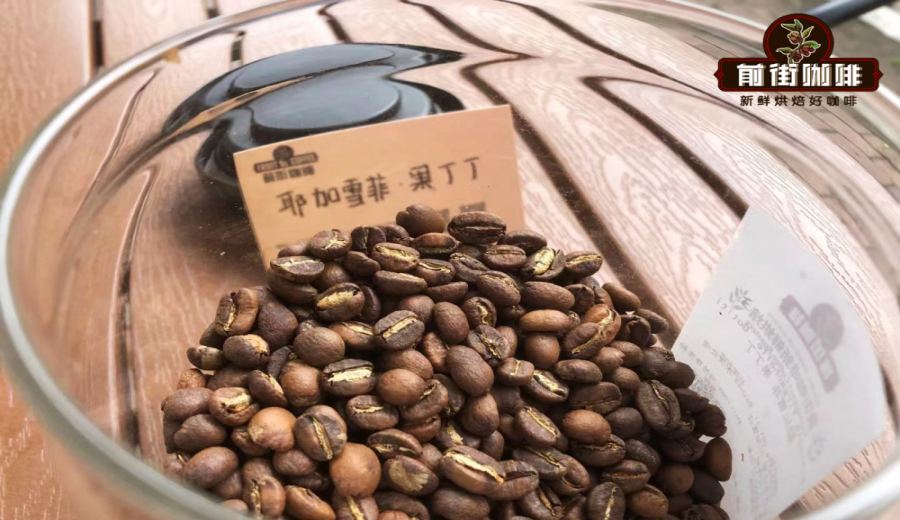
When it comes to coffee beans with outstanding acidity, Ethiopia’s Yirgacheffe Guji Dingding is the top recommendation. Yirgacheffe is located in the southern part of the country, at an altitude between 1900 and 2300 meters, making it one of the world’s highest-altitude specialty coffee regions. In the ECX (Ethiopia Commodity Exchange) classification system, the region’s coffees are mainly divided into four sub-regions: Wenago, Yirgacheffe, Kochere, and Gedeb. This Yirgacheffe Guji Dingding is graded G1, processed using the washed method, and is of the heirloom variety. Its flavor profile is distinct, featuring bright acidity with citrus and lemon notes, while the finish reveals layers of black tea, cream, and caramel, ending with a mild almond aftertaste. The well-known “Yirgacheffe flavor” that many are familiar with is precisely this combination of intense floral notes and bright fruit acidity, and Guji Dingding adds an extra layer of black tea undertones, resembling a lemon black tea with floral notes — clean and bright in flavor.
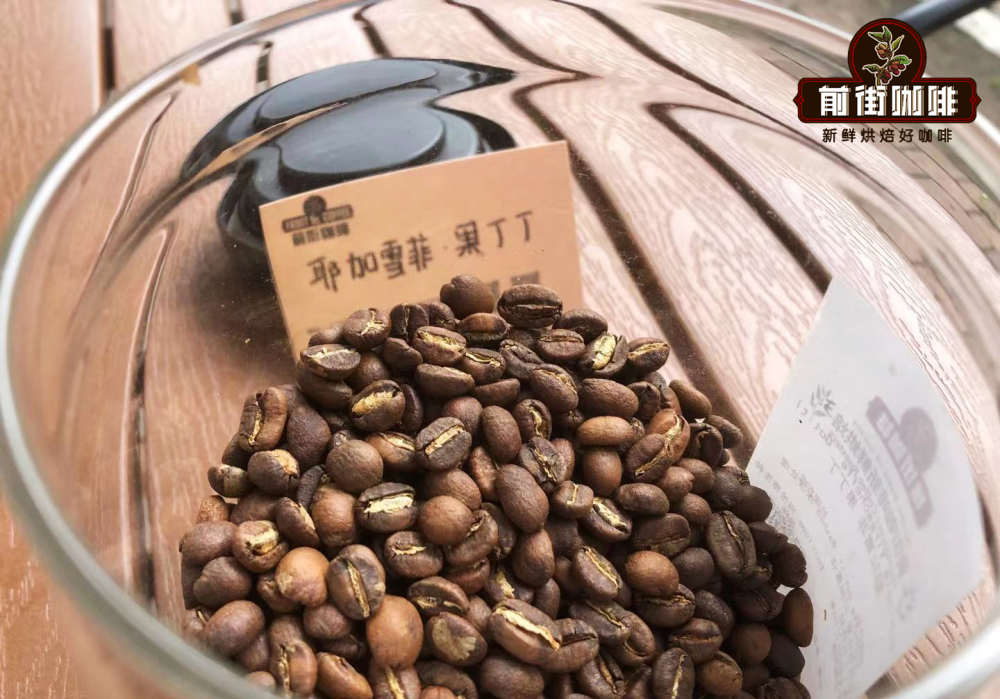
In terms of roasting recommendations, to preserve its bright fruit acidity and clean texture, a light roast is usually employed. Taking the Yangjia 800N roaster as an example, the charge temperature is set at 180°C, the turning point reaches 149.9°C at around 5 minutes, first crack occurs at 8 minutes and 42 seconds at 183.8°C, and roasting continues until 1 minute and 48 seconds after first crack at 193.5°C when it is dropped. For pour over, a V60 filter cone is recommended, using a 1:15 coffee-to-water ratio, 15 grams of coffee, a water temperature of 90°C, and a grind size with 80% passing through a #20 sieve. Extraction is done via a three-stage pouring method: the first stage is a 30-second bloom with 30 grams of water, the second stage involves pouring in a small circular motion up to 125 grams then pausing, waiting for the water level to drop before pouring up to 225 grams, with a total extraction time of about 2 minutes. These parameters fully bring out its bright acidity and fruity-floral aromas. Upon tasting, citrus and black tea flavors are prominent, and as the temperature changes, the latter part reveals sweetness with notes of cream, caramel, and almond, resulting in an overall clean and sweet mouthfeel.
If you prefer beans with more personality and stronger acidity, Kenya Little Tomato is also a great choice. Kenyan coffee, having developed rigorous breeding and washed processing techniques during the British colonial period, is known for its distinctive flavor profile. This Kenya Little Tomato is processed using the washed method with an extended fermentation time of 72 hours, significantly enhancing its acidity. The flavor is distinctly marked by cherry tomato and dark plum characteristics, with bright acidity and a solid structure. While flavors may vary slightly across different Kenyan regions, overall they all exhibit a juice-like balance of acidity and sweetness with a berry aftertaste. Roasting also employs a light roast to preserve its lively acidity and fruity notes. For pour over, it is recommended to use a high-temperature, fast-flow filter cone similar to that used for Yirgacheffe, such as V60 or Kono, to fully extract its fresh qualities.
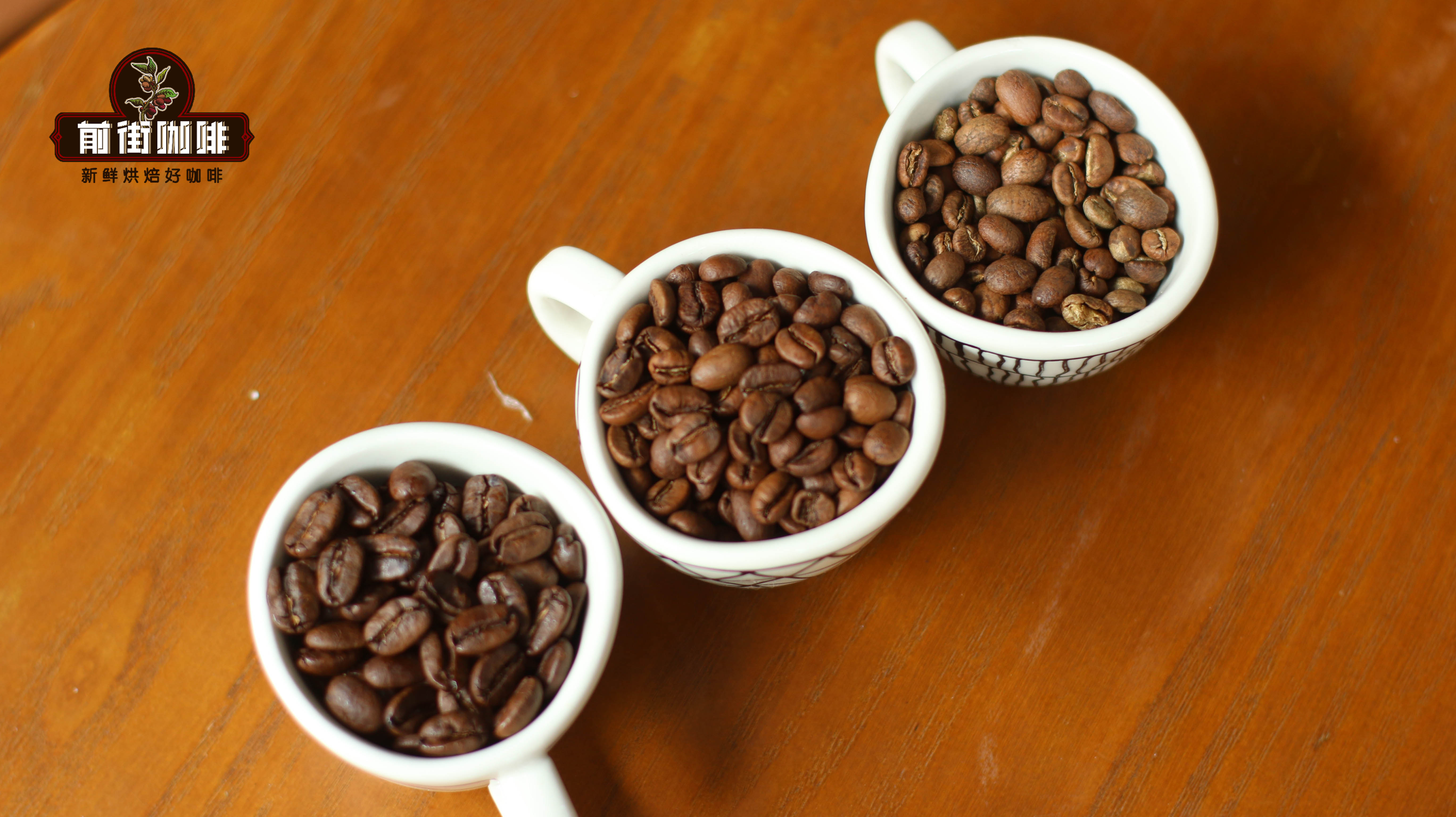
Turning to fuller-bodied coffee beans, Brazil’s Queen Estate is a classic representative. Brazilian coffee has rapidly developed since its introduction in the 18th century and has become one of the world’s major coffee-producing regions. Queen Estate is located in the Cerrado region, at an altitude of approximately 1550 to 1750 meters, primarily planting varieties such as SL28 and SL34. It uses the K72 washed processing method, and its flavor profile presents cherry tomato, berry aromas, and noticeable acidity, along with a brown sugar sweetness and tea-like quality. This bean, when roasted to a medium-dark level, can highlight the rich, full-bodied traits of nuts and dark chocolate, while maintaining a sweet and rounded mouthfeel. For roasting, the Yangjia 800N machine is recommended, with a charge temperature of 200°C. First crack appears at 9 minutes and 14 seconds at 188.9°C, and the roast continues for 1 minute and 48 seconds after first crack until it is dropped at 197.5°C. For pour over, it is suggested to switch to a filter cone with slower flow and better immersion, such as Kono, with the water temperature slightly reduced to 88°C and the grind size adjusted to 70–75%. A three-stage pouring method is also used to fully bring out its full-bodied and nutty characteristics, with an aftertaste that carries notes of dark chocolate and a hint of lemon, delivering an overall balanced and layered performance.
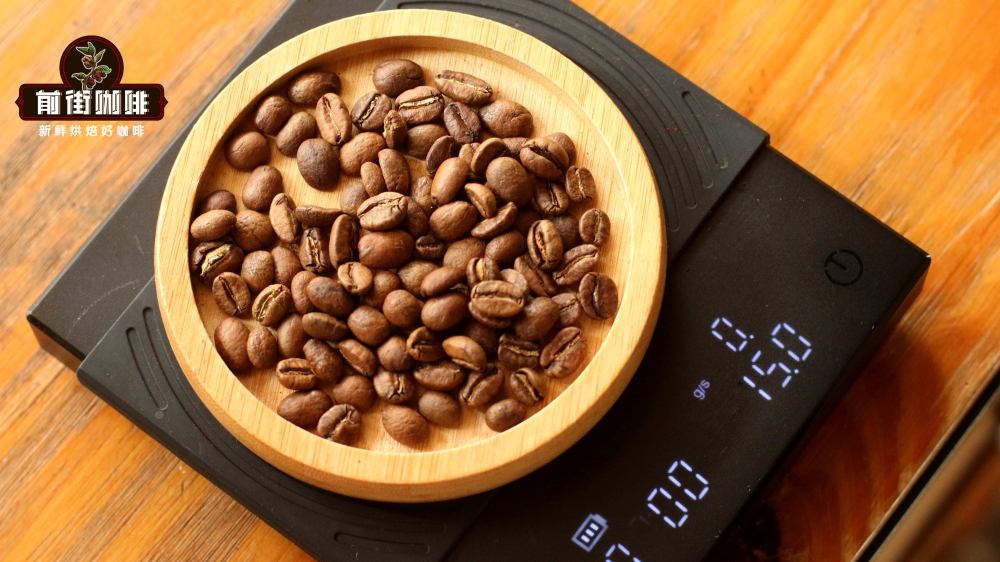
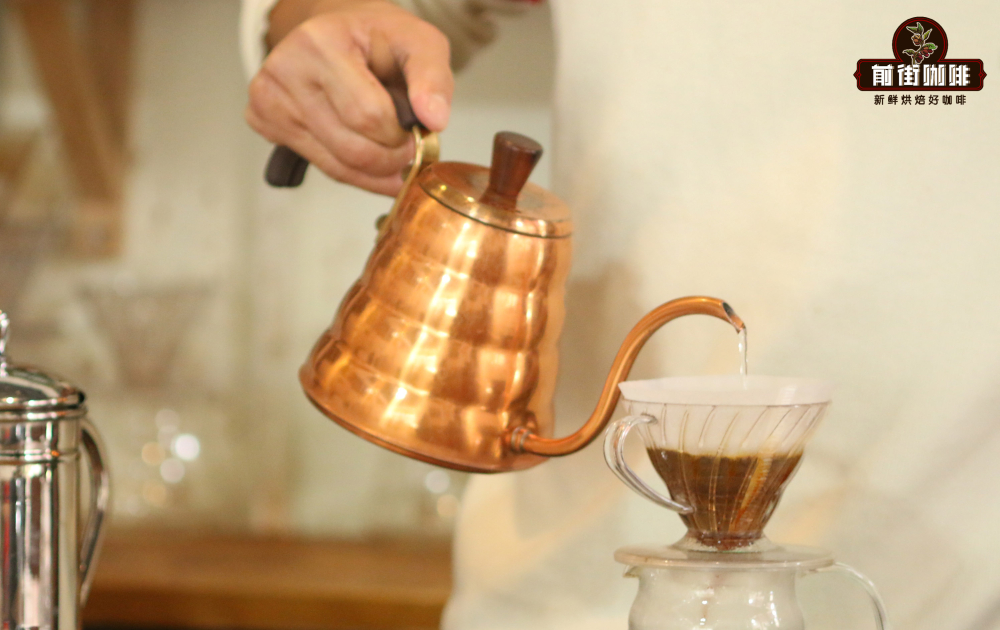
As for Indonesia’s Sumatran PWN Golden Mandheling, it is a typical representative of the rich and full-bodied style. Sumatran coffee cultivation history dates back to the 17th century, and Mandheling is the most iconic product of the region. Golden Mandheling uses the Typica variety and combines it with Indonesia’s unique wet-hulled (Giling Basah) processing method, which quickly removes the mucilage layer, reduces over-fermentation, and thereby enhances the coffee’s full-bodied and earthy flavors. Its flavor profile includes intense notes of nuts, chocolate, and spices, along with hints of fruit and caramel aromas, and a long-lasting, multi-layered finish. For roasting, a medium-dark roast is recommended to bring out its rich aromas and full-bodied taste. Using the Yangjia 800N machine, the charge temperature is 200°C, with special attention needed during the drying phase. First crack occurs at 9 minutes and 54 seconds at 191.2°C, and the roast continues for 3 minutes and 30 seconds after first crack until it is dropped at 204.5°C. For pour over, it is recommended to use slower-flow filter cones such as Kono or three-hole Kalita, with a water temperature of 88°C and a grind size of 70–75%. The same three-stage pouring method is used to effectively extract its multiple flavors of nuts, chocolate, and spices, presenting a balanced and rich mouthfeel experience.
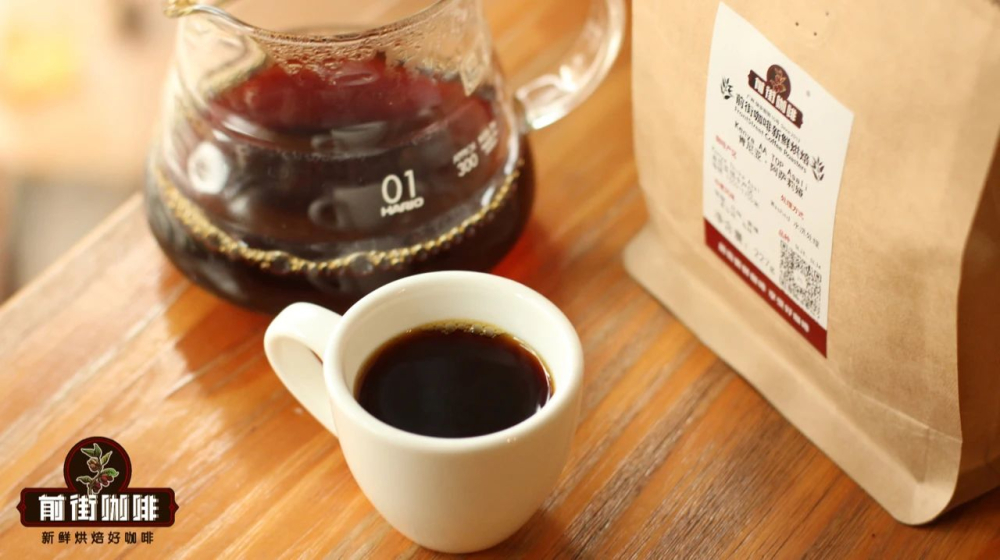
In summary, Yirgacheffe and Mandheling represent two distinctly different coffee flavor directions: the former excels in bright acidity and floral-fruity aromas, making it suitable for those who prefer a refreshing taste; the latter stands out with its full-bodied stability, low acidity, and richness, appealing more to consumers who favor deeper flavors. By understanding the terroir conditions, processing methods, and roasting strategies of each region, along with selecting appropriate pour over parameters, you will be able to more accurately choose and brew the coffee experience that best matches your personal taste.
The above content is compiled by CoffeeHunters, a coffee news website.


