







Introduction:The Geisha coffee from Panama’s Finca El Bosque (Emerald Estate) is renowned for its rigorous grading system. The three major grades — Red Label, Green Label, and Blue Label — not only represent differences in altitude and processing methods, but also showcase unique flavor profiles. This article delves into the distinctions among the three in terms of plot distribution, planting altitude, bean blending, and processing methods, and provides professional roasting recommendations as well as optimal pour over brewing parameters to help you select the most suitable Geisha grade based on your preferences.
Panama’s Finca El Bosque is globally recognized as a benchmark for specialty-grade Geisha coffee. Its meticulous grading system not only makes it easier for consumers to understand different quality levels, but has also become a model for many other estates. Within Finca El Bosque’s system, Geisha is subdivided into three major grades: Red Label, Green Label, and Blue Label. The main differences lie in planting altitude, origin, whether beans are blended, and processing methods — each grade presents distinct layers of aroma and taste.
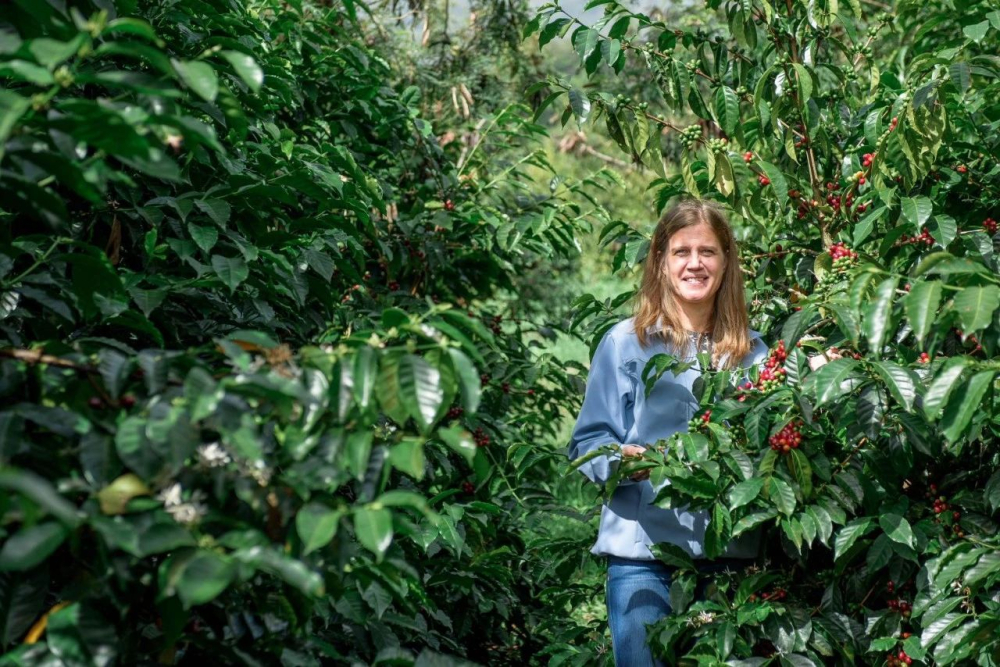
The history of Finca El Bosque dates back to 1964, when it was purchased by American banker Rudolph Peterson in the Boquete region and was initially used for livestock farming. It wasn’t until 1987 that his son, Price Peterson, abandoned his medical career to engage in agricultural management. He introduced the Caturra and Catuai varieties and established a washed processing facility in 1994. After merging with Jaramillo Estate in 1996, the farm won the prestigious Panama Cup (BOP) in 2004 with the Geisha variety, ushering in the golden era of Geisha at Finca El Bosque.
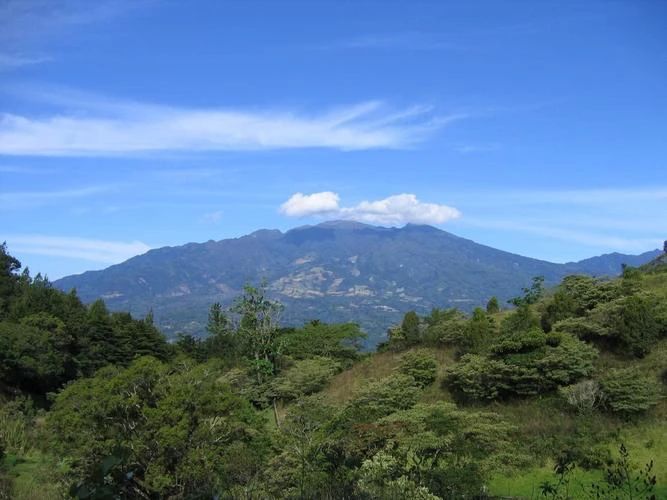
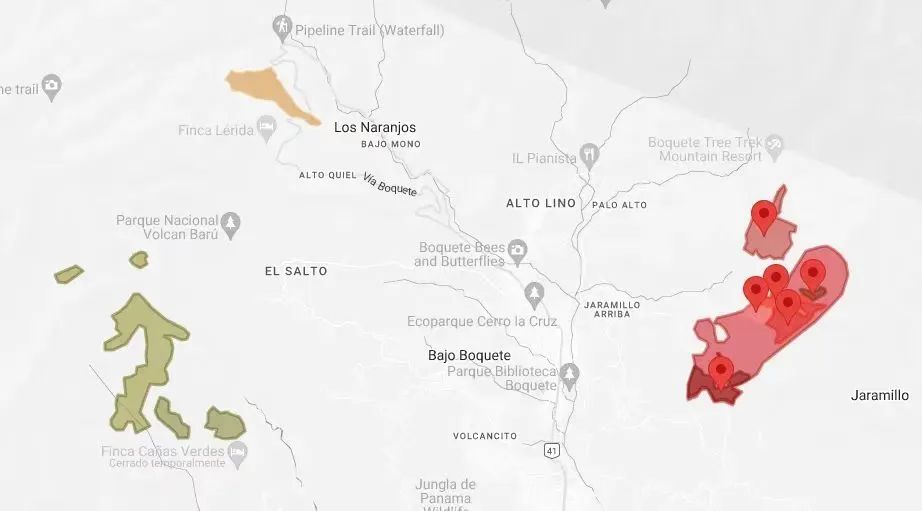
Finca El Bosque is located in Panama’s Boquete region, renowned for its diverse microclimates and high-altitude terrain, and is home to many top-tier coffee estates. In cultivating Geisha, Finca El Bosque is particularly meticulous. The estate’s Geisha mainly comes from three core plots: Jaramillo, Cañas Verdes, and the more recently acquired El Velo. Among them, Jaramillo and Cañas Verdes are particularly well-suited for Geisha due to their altitude, soil, and microclimate, making them the primary sources for Red Label and Green Label.
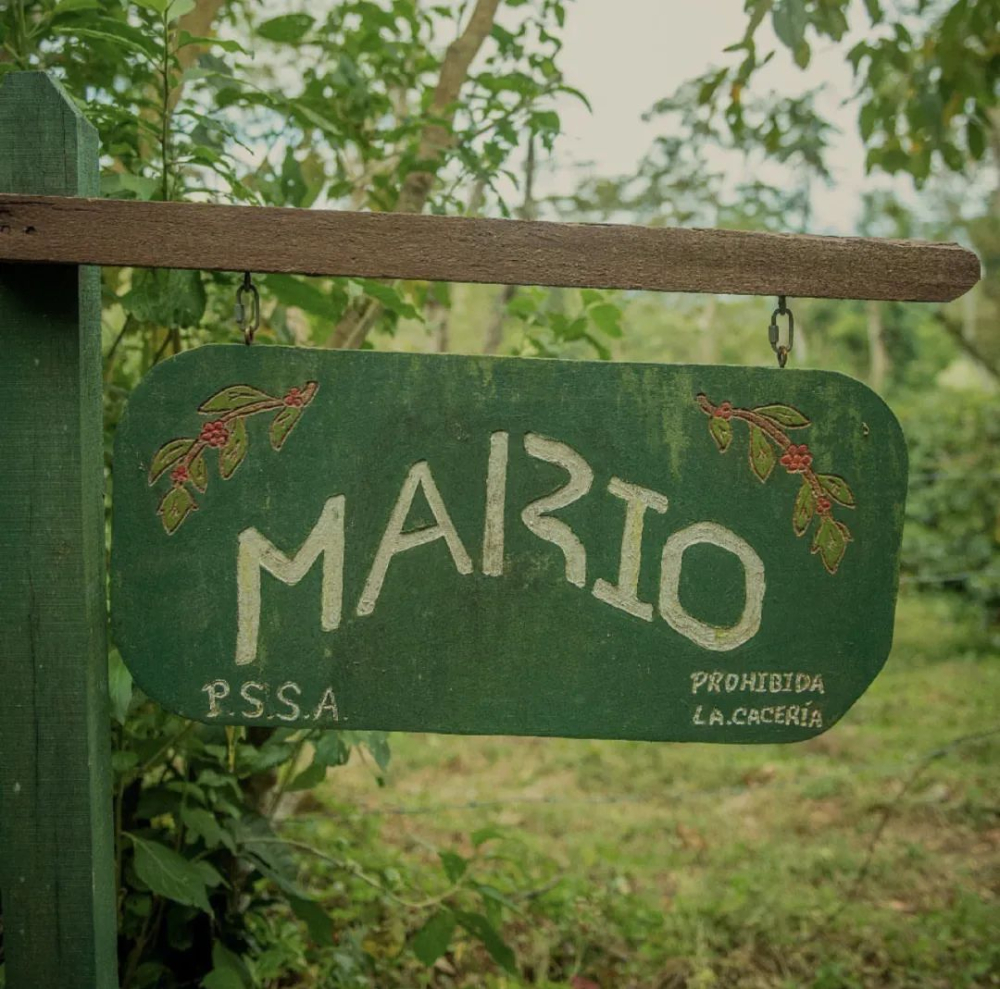
The Jaramillo plot sits at an altitude of 1,600 to 1,700 meters, with an average annual temperature of 19–25°C, significant day-night temperature variation, and annual rainfall reaching 4,000 mm. It is further divided into five sub-plots: Mario, Ferris Wheel, Queen, Forest, and Buenos Aires. The Cañas Verdes plot is even higher, at around 1,600 to 1,800 meters, with 3,500 mm of annual rainfall, and is subdivided into nine smaller plots such as Flax, Coronation, and Founder. The youngest El Velo plot is located at 1,700 to 1,900 meters and features a more diverse range of planted varieties, including not only Geisha but also Catuai, Laurina, and Pacamara.
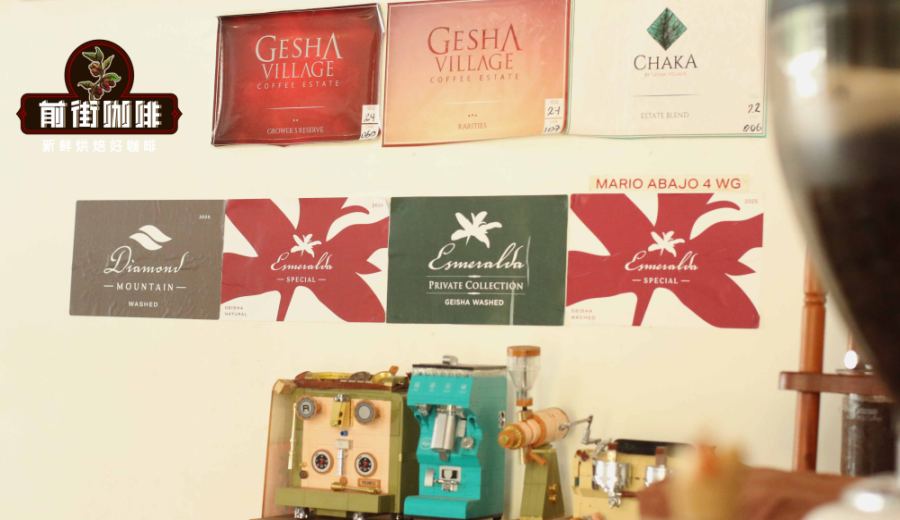
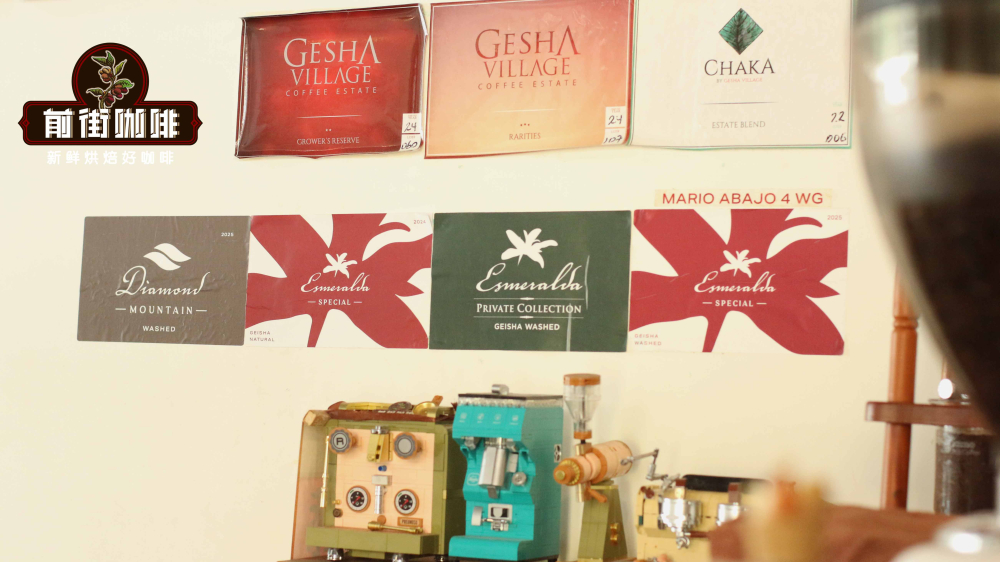
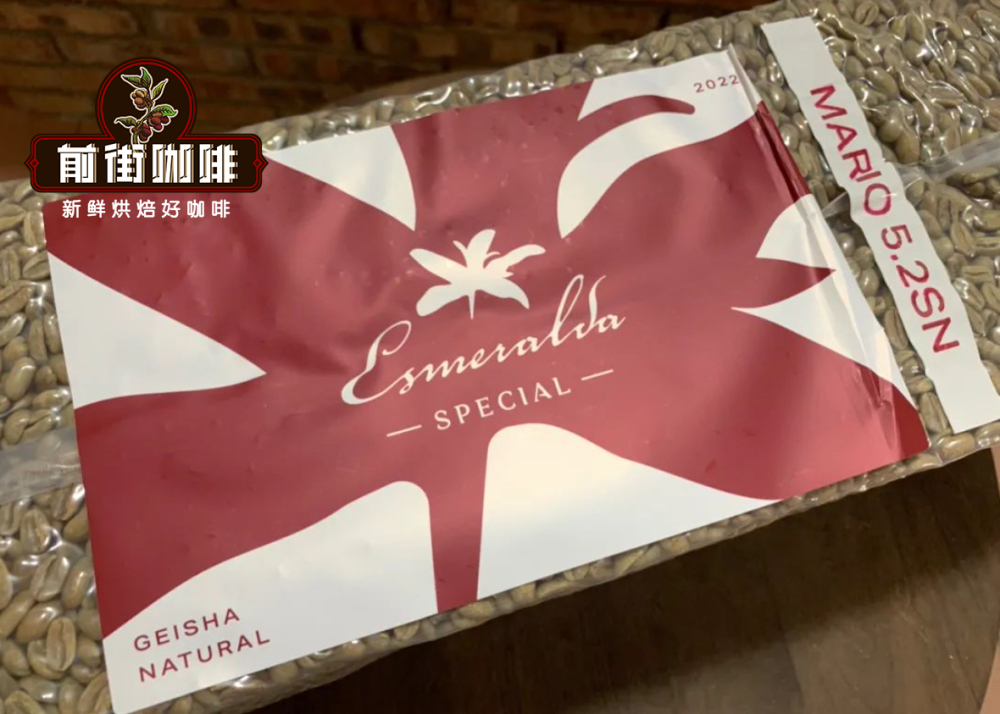
Finca El Bosque’s Geisha grading falls under three commercial brands: Red Label belongs to “Esmeralda Special,” Green Label is part of “Private Collection,” and Blue Label is categorized under “Geisha 1500.” These three grades differ significantly in terms of planting altitude, plot origin, and processing methods.
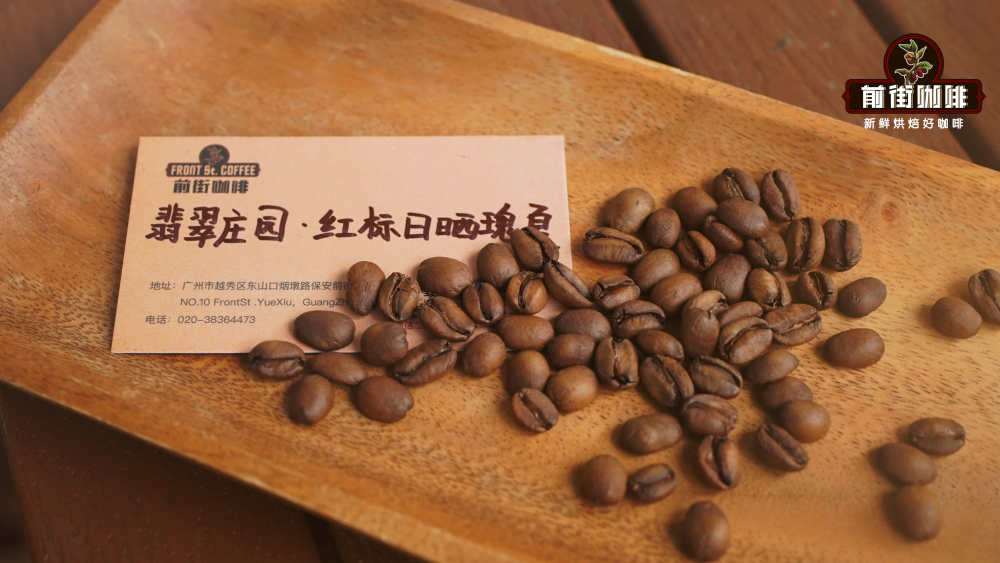
Red Label Geisha is selected from the Jaramillo and Cañas Verdes plots at altitudes of 1,600 to 1,800 meters. It must pass strict cupping evaluations, typically scoring above 90 points, and comes from specific growing blocks.No blending of beans is performed.Red Label beans often appear in Finca El Bosque’s exclusive auctions and are widely recognized as the pinnacle of Geisha on the market.Processing methods can be either natural (sun-dried) or washed.The flavor profile is bright, often featuring floral notes, citrus tones, and complex fruity aromas such as berries, apricots, and honey. The acidity is vibrant and layered.
Green Label belongs to the “Private Collection” brand and also comes from altitudes of 1,600 to 1,800 meters, butconsists of a blend of multiple micro-lots,without being limited to a single plot. As a result, it does not participate in exclusive auctions. Although it does not indicate detailed origins like the Red Label, Green Label still exhibits classic Geisha characteristics such as pronounced floral notes, fruit acidity, and juicy body, often with citrus, berry, and creamy textures. Green Label processing includes both washed and natural methods, and the overall flavor profile is stable, making it suitable for consumers who appreciate classic Geisha flavors.
Blue Label Geisha belongs to the “Geisha 1500” brand and is thelowest-altitude product (1,400–1,500 meters)among the three grades. The beans are selected from a blend of plots in Jaramillo, Cañas Verdes, and El Velo, and alsodo not come from a single designated plot.Blue Label previously only offered washed processing, but starting in 2020, a natural version was also introduced. Its flavor is milder, featuring soft acidity of lemon and grapefruit, along with aftertastes of oolong tea, honey, and cane sugar. The mouthfeel is relatively refreshing, making it suitable for consumers who are new to Geisha.
In terms of roasting recommendations, Finca El Bosque’s Geisha beans have a plump shape with pointed ends, belonging to the medium-sized bean category. To highlight their bright acidity and fruity-floral aromas,a light roast is recommended.However, even within the same variety, the roasting curves for Red Label, Green Label, and Blue Label still need to be fine-tuned according to the beans’ characteristics. Roasters typically adjust heat and time based on bean density, moisture content, and processing method to preserve the maximum amount of original flavor.
For brewing suggestions, professional shops commonly recommend using a Hario V60 filter cone, with water temperature controlled at around 90°C, a coffee-to-water ratio of 1:15, and a grind size advised to be medium-fine (similar to fine sugar, with a target of 80% passing through a #20 sieve).It is recommended to pre-sift the coffee groundsto ensure uniform grinding and avoid uneven extraction due to inconsistencies in particle size. If no sifting tool is available, you can also adjust the grind coarseness by observing the flow rate during pouring — if the flow is too fast, the grind may be too coarse; if too slow, it may be too fine.
For actual pour over technique, a three-stage extraction method is recommended: start with a 30-second bloom using 30 grams of water, then pour in a small circular motion until reaching 125 grams for the first pour. Once the water level drops, pour again up to 225 grams before stopping. The total extraction time is about 2 minutes. This method helps achieve even extraction and highlights the layered and delicate flavors of Geisha.
In terms of flavor profile, Red Label Geisha is dominated by bright rose and citrus notes, complemented by berries, apricots, honey, and grain-like aromas reminiscent of rice. The balance of acidity and sweetness is rich and layered. Green Label showcases intense jasmine floral notes paired with citrus, citrus peel, honeydew, and a creamy fruit texture, with a fresh and lingering aftertaste. Blue Label opens with gentle acidity from lemon and grapefruit, followed by a lingering finish of oolong tea, honey, and cane sugar. The overall mouthfeel is refreshing and balanced, making it suitable for those who prefer lighter flavors.
The above content is compiled by CoffeeHunters, a coffee news website.


