








Introduction:Costa Rica is renowned for its honey-processed coffees, especially the pulped natural (grapefruit pulp) honey process, which gives its beans a high level of sweetness and intense fruity aroma. This article delves into the characteristics and flavor profile of this processing method, covering representative beans such as Bach, Chopin, and Mozart, and provides practical pour over and extraction tips to help you choose the Costa Rican specialty coffee that suits your taste best.
Costa Rica’s coffee cultivation benefits from its unique microclimates and diverse terrain, resulting in highly distinctive flavor profiles. Among the various processing methods, honey processing stands out for its high sweetness and rich fruitiness, with the grapefruit pulp honey process being an especially impressive representative. This method retains a large amount of mucilage, allowing the coffee to accumulate intense sweetness and fruity notes during drying, making it a favorite among many coffee enthusiasts.
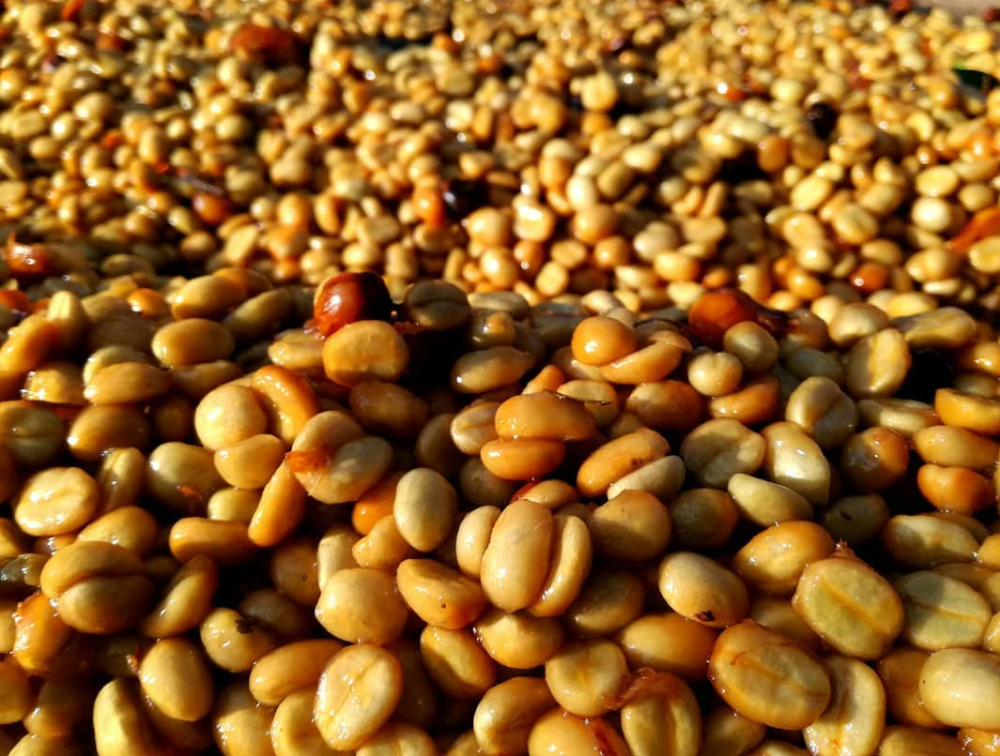
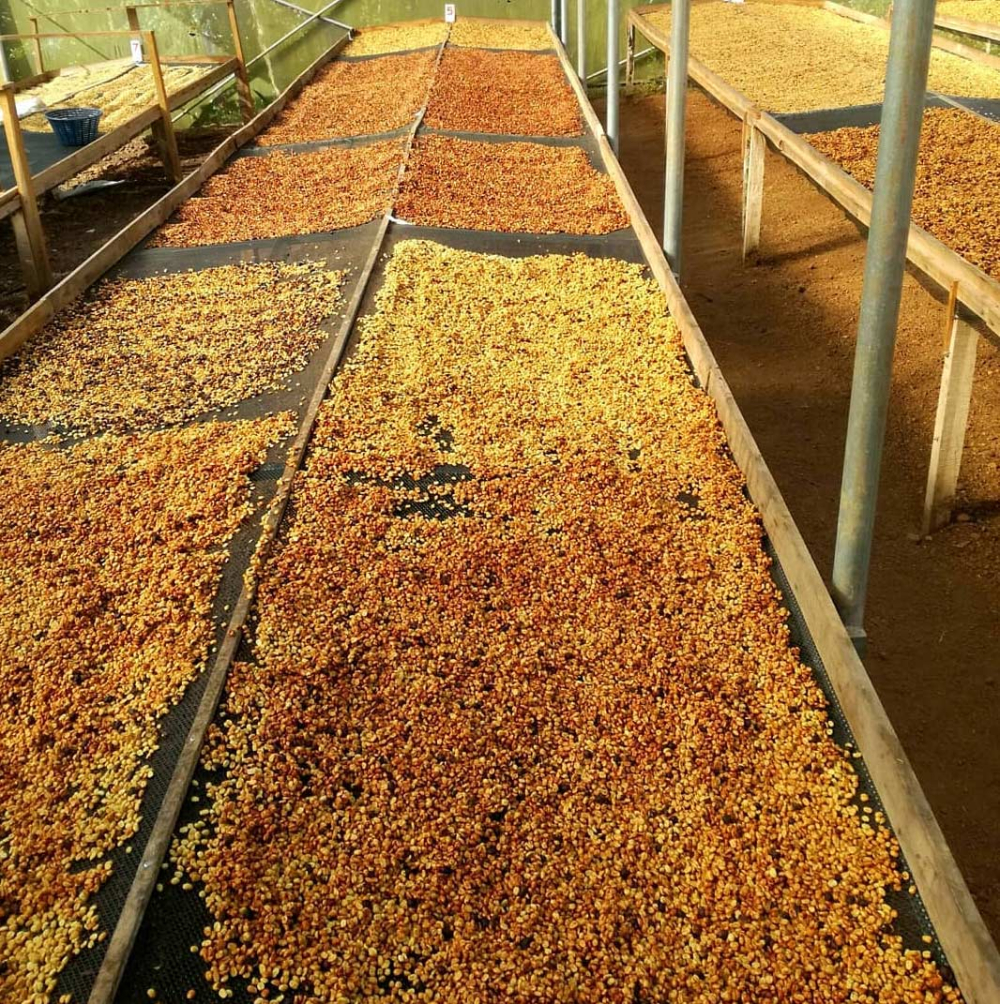
Among the various honey-processed coffees in Costa Rica, the grapefruit pulp honey process stands out because it retains nearly the entire layer of mucilage during drying, enabling the beans to develop a rich and intense sweetness profile. Common flavors include distinct layers of strawberry, grape, apple, and honey.This process is commonly found in high-altitude regions, such as Tarrazú, where the large diurnal temperature variation and abundant sunlight help stabilize the fermentation of the mucilage during the drying phase, further enhancing sweetness and complexity.
Honey processing can be divided into yellow honey, red honey, and black honey based on the degree of mucilage retention—yellow honey retains about 40%, red honey about 25%, and black honey removes almost no mucilage, retaining the highest percentage. This grading directly affects the final flavor expression:Black honey and grapefruit pulp honey processes often exhibit deeper fruity sweetness and a richer mouthfeel, making them ideal for drinkers who prefer sweet and full-bodied flavors. The supplied Bach coffee is a representative of the grapefruit pulp honey process, grown at an altitude of 1950 meters in the Tarrazú region, with the Caturra variety. Its flavor profile includes strawberry, apple, lemon, grape, and honey, showcasing a delicate and balanced character.
Costa Rica’s coffee processing methods are diverse. In addition to honey processing, washed processing is also a classic technique. Washed processing involves removing the pulp and mucilage, using water tanks for fermentation to eliminate residues, followed by sun drying, which highlights bright acidity and citrus notes. For example, Tarrazú washed coffee, primarily of the Yellow Catuai variety, offers aromas of green grape, vanilla, melon, and citrus, with a clean acidity and smooth mouthfeel, suitable for those who prefer a fresh and bright style.
When brewing Costa Rican honey-processed coffee beans, it is recommended to use medium-light to medium roast beans. The grind size can be adjusted according to the pour over method, generally a medium-fine grind (similar to fine sugar).The recommended water temperature is controlled at 90–93°C, with a coffee-to-water ratio between 1:15 and 1:16, and a pulsed pouring technique such as the three-pour or center pour method is advised. This helps achieve even extraction of the sweetness and fruity aromas released from the mucilage layer. Be mindful of pour speed and stirring intensity to avoid over-extraction, which can lead to astringency or unwanted sediment release.
The Musician Series is another popular set of Costa Rican coffee beans, featuring three varieties: Beethoven, Chopin, and Mozart, each with unique flavor characteristics. Beethoven is washed processed, of the Yellow Catuai variety, with aromas of green grape, strawberry, vanilla, and citrus, a clean acidity, and a finish with a hint of kiwi-like tartness. Chopin is grapefruit pulp honey processed, of the Catuai variety, offering layered flavors of rose, honey, cream, maple syrup, and dark chocolate, with prominent sweetness. Mozart is also grapefruit pulp honey processed, of the Catuai variety, characterized mainly by berry and dried banana sweetness, with a rich and thick mouthfeel that combines both sweetness and body.

The main coffee varieties in Costa Rica are Caturra and Catuai, both of which are adaptable, yield stable production, and offer a good balance of sweetness and acidity. Additionally, Villa Sarchi is a local native mutation known for its strong wind resistance and suitability for high-altitude planting, though it requires shaded environments. Though less common, it has unique potential for floral and fruity notes.
The government’s emphasis on the coffee industry is also one of the key factors ensuring the consistent quality of Costa Rican coffee. Through policy support and resource investment, local farmers are able to adopt refined processing techniques and are committed to quality improvement. Honey processing not only conserves water but also showcases regional terroir characteristics, making it an important hallmark of Costa Rican specialty coffee.
Overall, when choosing Costa Rican coffee beans, whether you prefer the distinctly sweet profile of honey processing or the bright and clean qualities of traditional washed processing, there are bean options that match your desired flavor expression. If you enjoy a coffee experience rich in fruity aroma and sweetness, start with the grapefruit pulp honey-processed Bach, Chopin, or Mozart, and explore your own coffee flavor map by adjusting extraction parameters.

The above content is compiled by CoffeeHunters, a coffee news website.


