







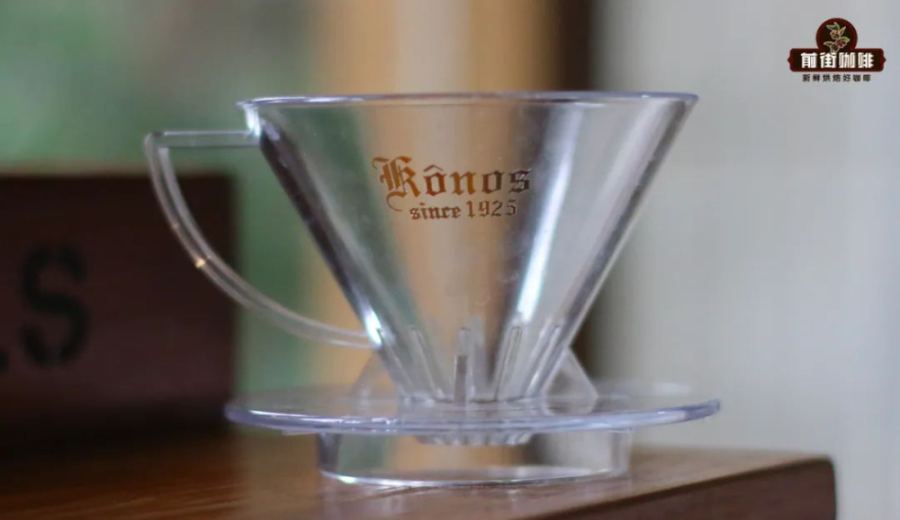
Introduction:Since its launch in 1973, the KONO dripper has been one of the go-to tools for pour over enthusiasts who enjoy dark roast coffee. With its unique semi-raised ribs and flow rate control, it brings out the body and sweetness of coffee, making it particularly suitable for medium to dark roast beans. This article will delve into the design philosophy and extraction principles behind the KONO dripper, and provide practical tips on grind size, water temperature, and pouring techniques to help you brew a round-bodied, layered pour over coffee using this classic dripper.
The KONO dripper was born in 1973. With its classic conical shape and semi-raised structure, it became a top choice for many coffee lovers seeking to explore dark roast beans. Unlike the common V60 dripper, the KONO limits the venting space inside the dripper, effectively extending the contact time between coffee grounds and water, thereby enhancing the coffee’s body and sweetness—especially appealing to those who prefer a richer cup.
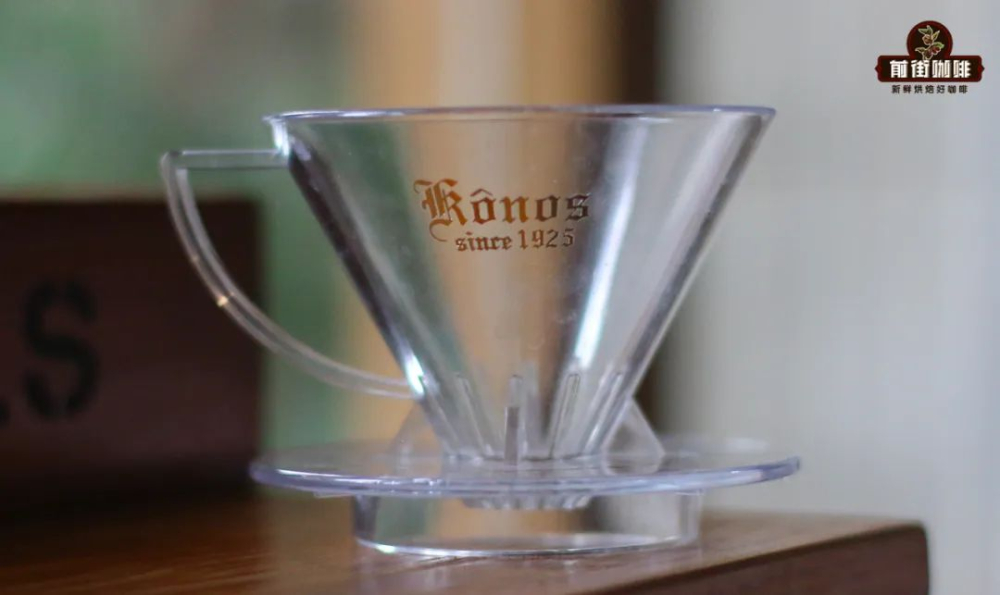
The upper half of this dripper features a smooth, arc-shaped design. Once the filter paper is wet, it adheres more tightly to the inner wall of the dripper. This structure helps concentrate the water flow, reduces bypass along the edges of the filter paper, and leads to a more focused extraction. Compared to the drip-style brewing approach of drippers like the V60, the KONO’s extraction logic is closer to immersion brewing, sharing a similar flavor profile with the siphon pot, producing a smoother and fuller-bodied coffee taste.
Japanese coffee preferences have long leaned toward the rich, aromatic depth of dark roasts, rather than the high acidity and bright flavors commonly favored in the West. To avoid excessive bitterness or off-flavors from dark roast beans during pour over brewing, early methods like the flannel drip used foam absorption and low water temperature to preserve the deep aromas of the coffee. The KONO dripper was created in this context—its original goal was to simplify the cumbersome cleaning process of flannel filters while still retaining their captivating extraction characteristics.
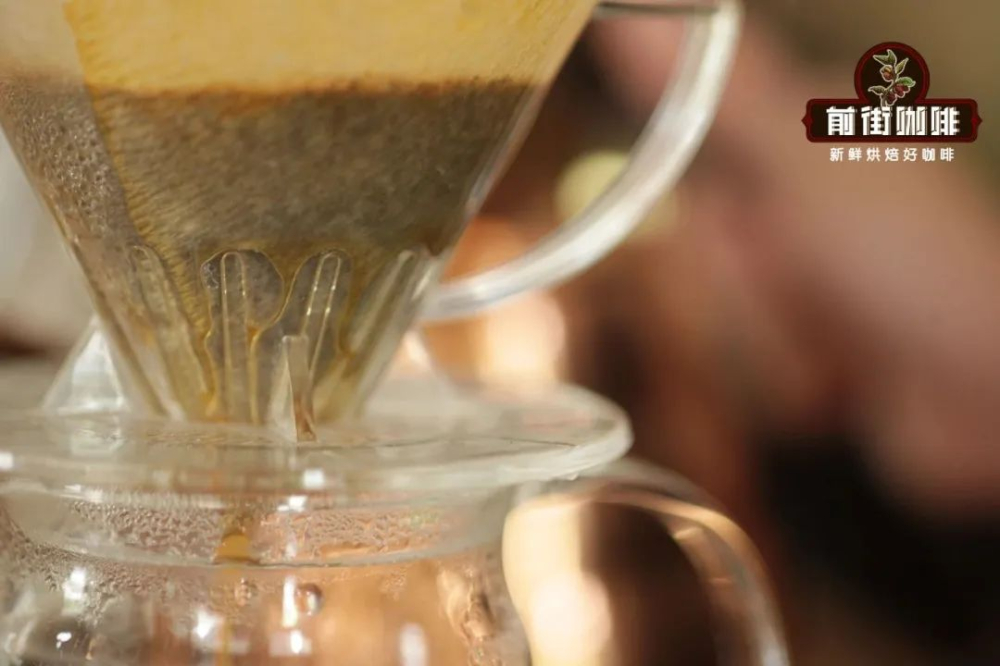
When designing the KONO dripper, Mr. Toshiro Konoe specifically adjusted the cone angle to resemble that of a flannel filter, allowing the coffee grounds to stack more densely. This helps focus the water flow and improves extraction efficiency. The bottom of the dripper features a large outlet hole to ensure the dripping speed isn’t too slow. To compensate for potential under-extraction due to the faster flow rate, the inner wall is fitted with 12 semi-length radial ribs. These ribs effectively reduce the gap between the filter paper and the dripper, further controlling airflow and the path of the water.
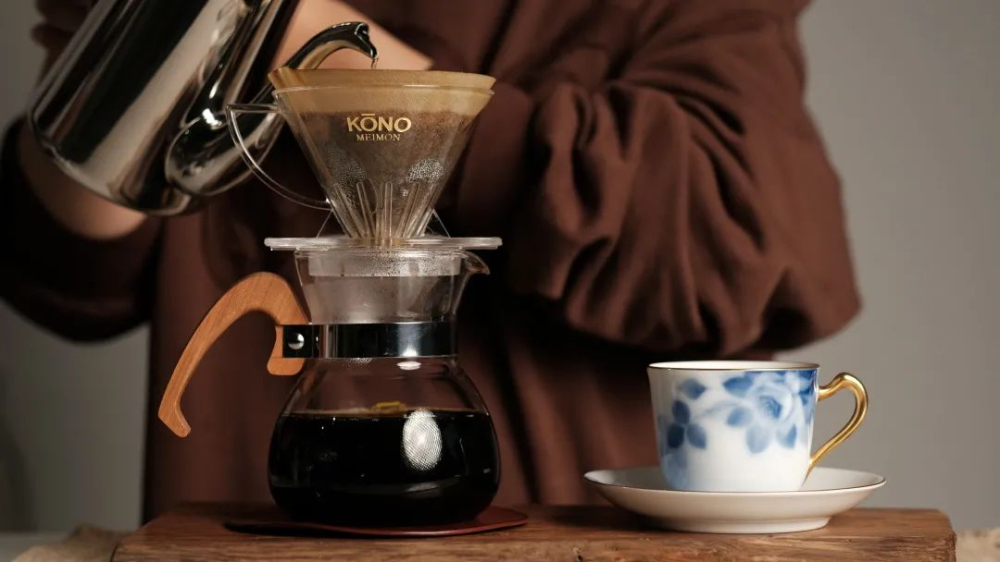
Once the filter paper adheres to the dripper wall due to moisture, the main venting channel is concentrated at the bottom outlet. This restricts air circulation, allowing the coffee grounds to absorb water and expand more fully after pouring, resulting in a more even extraction. This design means coffee brewed with the KONO dripper often exhibits more pronounced sweetness and body, with a relatively restrained flavor profile—making it especially ideal for showcasing the complex layers of medium to dark roast beans.
Taking a classic medium to dark roast bean—Jamaica Blue Mountain No.1—as an example, we can take a deeper look at how to use the KONO dripper, through precise grind size, water temperature, and pouring techniques, to bring out the best flavors of the coffee. To brew a balanced, full-bodied pour over, the following key parameters should never be overlooked.
First is the setting of grind size. The coarseness or fineness of the coffee grounds directly affects how much material is extracted during contact with water. Generally speaking, the finer the grind, the more extraction occurs, leading to a richer flavor; the coarser the grind, the lighter the cup. Baristas recommend using a Chinese No. 20, 0.85mm standard sieve for testing. For medium to dark roast beans like Blue Mountain No.1, it is advised to aim for asieving rate between 70% and 75%to avoid over-extraction that could bring out bitterness.
In practice, you can pour the ground coffee into the sieve, gently shake it, then weigh the fine grounds that pass through to calculate the sieving rate. If the sieving rate is too high, it indicates the grind is too coarse and needs to be adjusted finer; if it's too low, adjust coarser—until the ideal range is reached.
Water temperature control is equally crucial. For medium to dark roast coffee beans, it is recommended to use a water temperature of87 to 88°Cfor brewing. Too high a temperature can release excessive large-molecule bitter substances, affecting the overall balance of flavors. In contrast, lighter roasts can use a slightly higher temperature of91 to 93°Cto fully highlight their bright fruit acids and aromas.
For beginners, the three-pour method is the easiest and most stable brewing technique. Using a 1:15 coffee-to-water ratio as an example—if using 15 grams of coffee beans, the total water volume would be 225 grams—it is suggested to pour in three stages: first, pour 30 grams of water for a 30-second bloom to activate the coffee grounds; next, steadily pour up to 125 grams in the second stage, maintaining an even circular water flow; finally, when the coffee liquid level drops to about half the height of the dripper, pour the remaining 100 grams until the total extraction time reaches approximately two minutes.
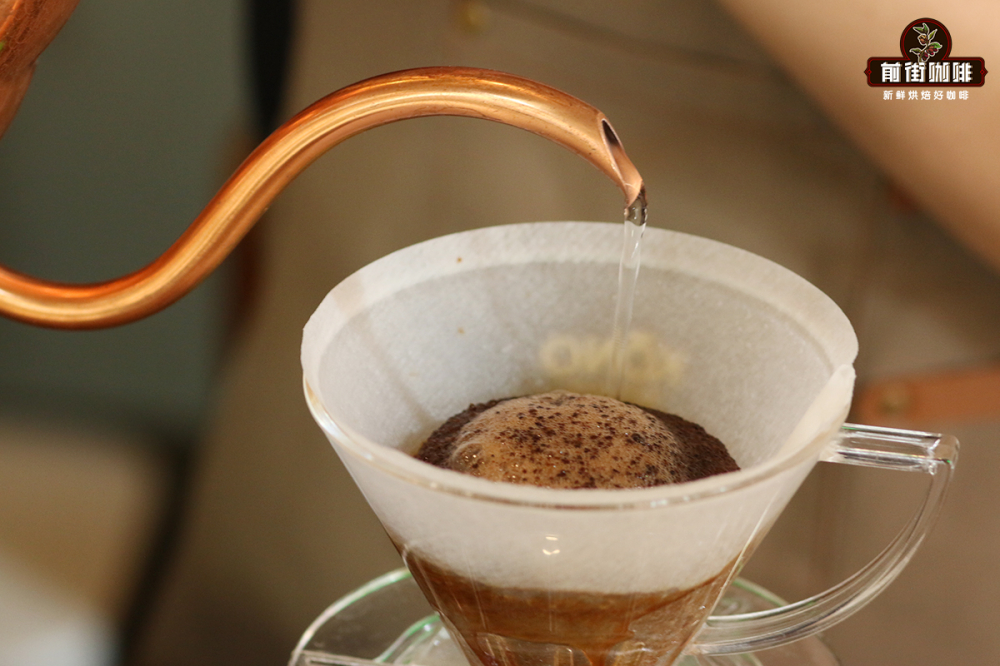
Through these precise parameters and techniques, the KONO dripper can fully showcase the potential of medium to dark roast beans. Take Blue Mountain No.1 as an example—under the right extraction conditions, at higher temperatures you can perceive intense dark chocolate aromas and a full-bodied almond aftertaste. As the temperature lowers, hazelnut and creamy sweet layers gradually unfold, with a soft acidity and caramel-like sweetness lingering in the finish. The overall flavor is round, long-lasting, and a classic combination that dark roast lovers shouldn’t miss.
The above content is compiled by CoffeeHunters, a coffee news website.


