







Introduction:Did you know that there are actually two main ways to make Americano? What’s its connection with espresso? This article delves into the origins and brewing methods of both drip-style and espresso-diluted Americanos, and offers optimal water-to-liquid ratios for hot and iced versions. It also explains key parameters, dosage, and timing settings for espresso extraction, taking you step-by-step through the full process—from distributing grounds to cleaning the group head. Whether you’re a beginner or an advanced coffee enthusiast, you’ll gain practical, professional guidance here.
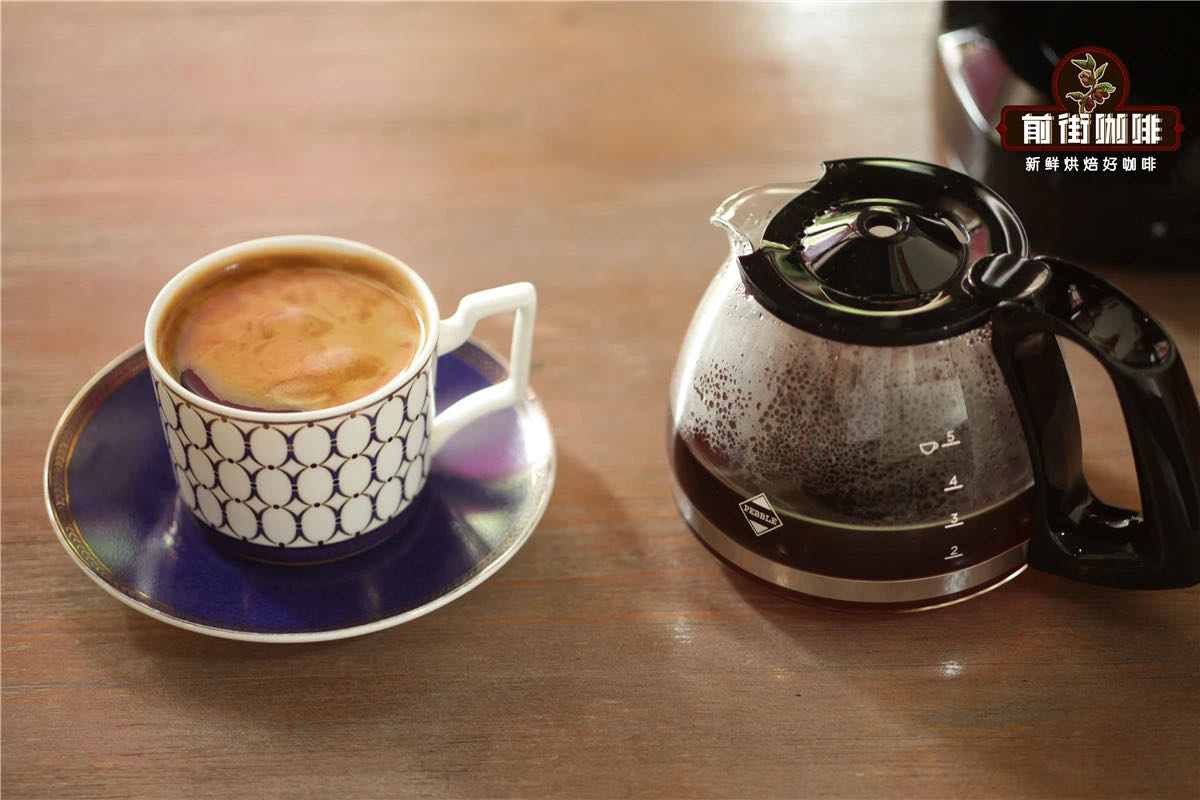
How is Americano made? Essentially, it falls into two main categories: one is directly brewed using a drip coffee maker, and the other is made by diluting espresso with hot water. Both methods have their historical backgrounds and cultural roots, contributing to the diverse expressions of Americano across different regions.
Drip coffee makers were popular in American households in the early days, producing coffee with a light flavor and noticeable wateriness—a taste many Americans grew familiar with. However, during World War II, American officers stationed in Europe first encountered espresso, whose intense and strong flavor was too overwhelming for them. To adjust the taste, they began adding hot water to the espresso, successfully replicating the softer flavor similar to drip coffee. This drinking method was later dubbed “Americano” by Europeans, and the French even mocked its texture as “sock coffee.”
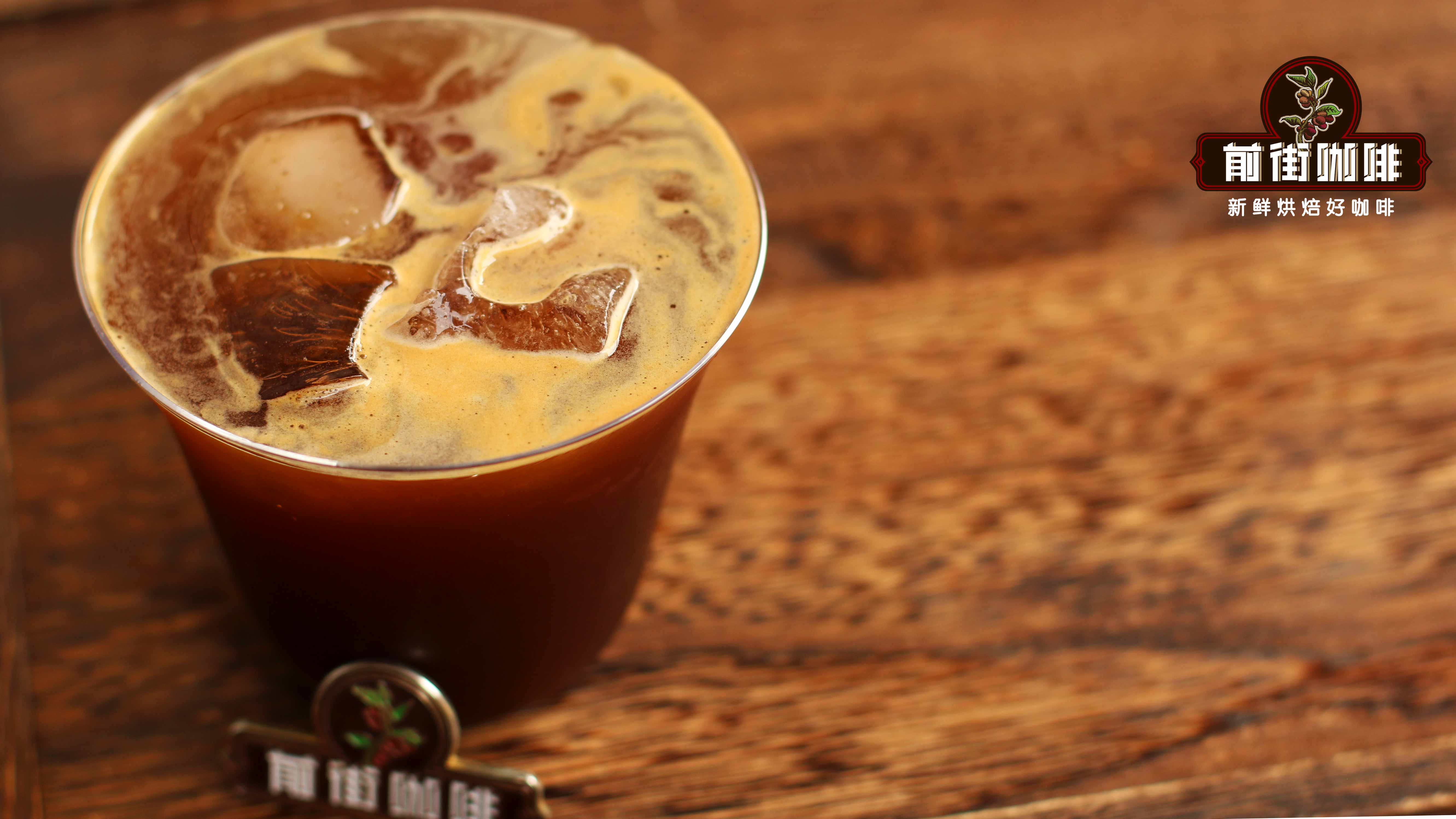
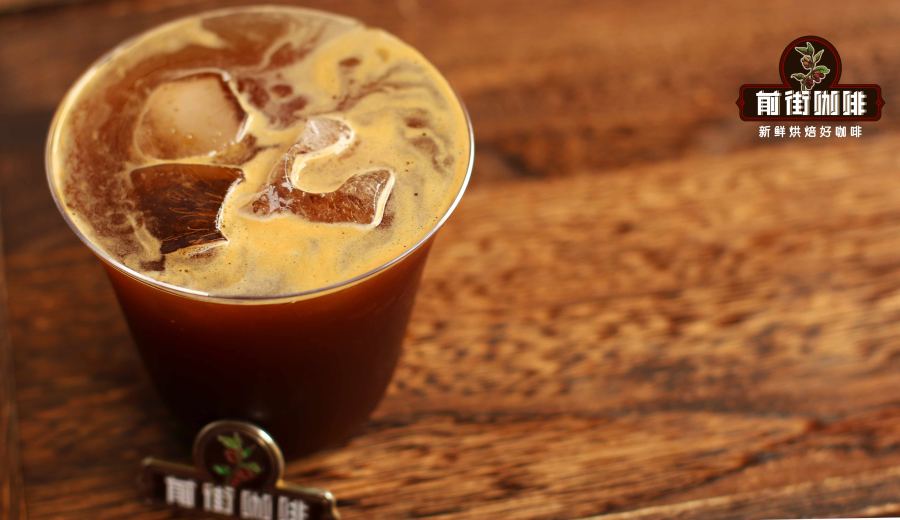
Today, most cafés prepare Americano by “adding water to espresso.” The common coffee-to-water ratio typically ranges between 1:4 and 1:9, though each shop may adjust slightly. In practice, the recommended ratio for hot Americano is 1:4.5, while iced Americano usually falls around 1:6, depending on the characteristics of the coffee beans and the serving size.
For example, some shops use their own blends to produce espresso with floral and fruity notes. When mixed with an appropriate amount of water, it can deliver a rich, full-bodied taste with a creamy smooth texture and a long-lasting chocolatey aftertaste. In contrast, iced Americano, due to its lower temperature, has a crisper mouthfeel that better highlights the original aromatic layers of the coffee beans.
If you prefer a bolder and more robust coffee experience, it’s recommended to choose a dark-roasted blended coffee, such as a mix of beans from Brazil, Indonesia, and Vietnam. With proper roasting, it can release rich caramel and nutty aromas, while extracting dense crema—making it not only ideal for Americano but also perfect for pairing with milk to create a delicious latte.
Espresso extraction follows recognized standard parameters, which every barista must master. Typically, the coffee dosage is controlled between 18 to 22 grams, with the target yield being about twice the dose—that is, 18 grams of coffee yielding approximately 36 grams of espresso. This ratio helps achieve a balanced extraction flavor. However, adjustments can be made based on needs—for instance, some shops use 20 grams of coffee to extract 36 grams of espresso, enhancing the flavor profile of subsequent Americanos or lattes.
Extraction time is equally crucial, with the ideal range being 25 to 35 seconds. If extracted too quickly, it may result in sharp acidity and a thin body; if too long, it could extract excessive bitter substances, affecting overall flavor harmony. Adjusting grind size is the primary means of controlling extraction time and optimizing flavor expression.
For readers unfamiliar with espresso machine operation, here is a common full extraction process, comprising seven basic steps:
Step 1: Wipe the portafilter basket to ensure it is dry and free of residual moisture;
Step 2: Accurately weigh the coffee grounds, preferably using an electronic scale with an error margin within ±0.1 gram;
Step 3: Distribute the grounds evenly to achieve a level surface;
Step 4: Tamp the grounds using a tamper to ensure consistent compactness;
Step 5: Lightly tap the portafilter to level the coffee bed surface;
Step 6: Attach the portafilter to the machine and press the extraction button;
Step 7: After extraction, remove the portafilter and immediately clean the group head to prevent residual coffee grounds from affecting the next extraction.
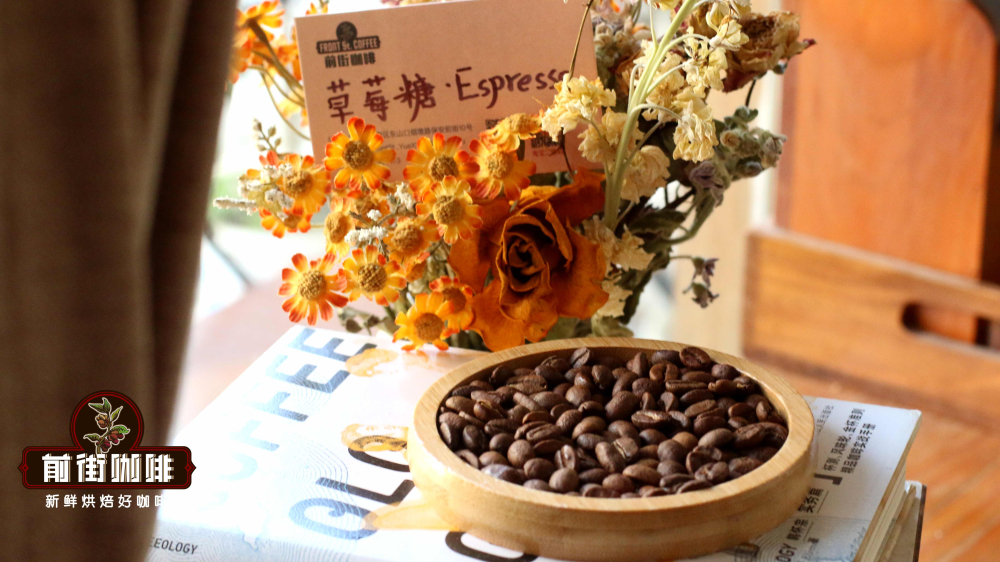
The recommended espresso extraction recipe is: 20 grams of coffee, 40 grams of yield, and an extraction time of around 30 seconds. This achieves a well-balanced, crema-rich shot that forms a solid foundation for making various coffee beverages.
Once you’ve mastered espresso extraction, making other coffee drinks becomes relatively simple. For example, iced Americano is just a matter of pouring hot espresso over ice and cold water; whereas hot lattes or cappuccinos require steaming milk with a steam wand to create microfoam—techniques that are also covered in dedicated articles for interested readers to explore further.
Many modern chain cafés use fully automatic coffee machines, which greatly simplify the process—all it takes is a push of a button to automatically complete the entire procedure from grinding to extraction. However, understanding the principles and parameters behind each step is an essential foundation for improving coffee quality, whether you’re a home user or a professional barista.
The above content is compiled by CoffeeHunters, a coffee news website.


