








Introduction:Sumatra Mandheling is renowned for its full body, low acidity, and unique spicy-herbal aroma, making it a classic origin that specialty coffee lovers worldwide shouldn’t miss. But with so many types of Mandheling available on the market, how do you choose fresh, clean beans that fit your budget? What are the clear differences between Golden Mandheling and Lintong Mandheling? This article dives deep into the flavor origins of Mandheling, Indonesia’s green bean grading system, and provides practical brewing parameters and recommendations to help you find your perfect cup of Mandheling.
As one of the world’s well-known specialty coffee origins, Sumatra Island in Indonesia has, since the 17th century when Dutch colonists introduced coffee there, maintained a solid position in the international coffee market thanks to the distinctive flavor profile of its Mandheling coffee. The island’s unique volcanic soil is rich in minerals, and its tropical rainforest climate at mid-to-low altitudes gives Mandheling its low acidity, full body, and captivating herbal and spicy notes, winning the hearts of coffee enthusiasts. However, the variety of Mandheling products on the market can be overwhelming—how do you select fresh, clean, and cost-effective beans? What are the specific differences between Golden Mandheling and Lintong Mandheling? The following will provide a detailed analysis.
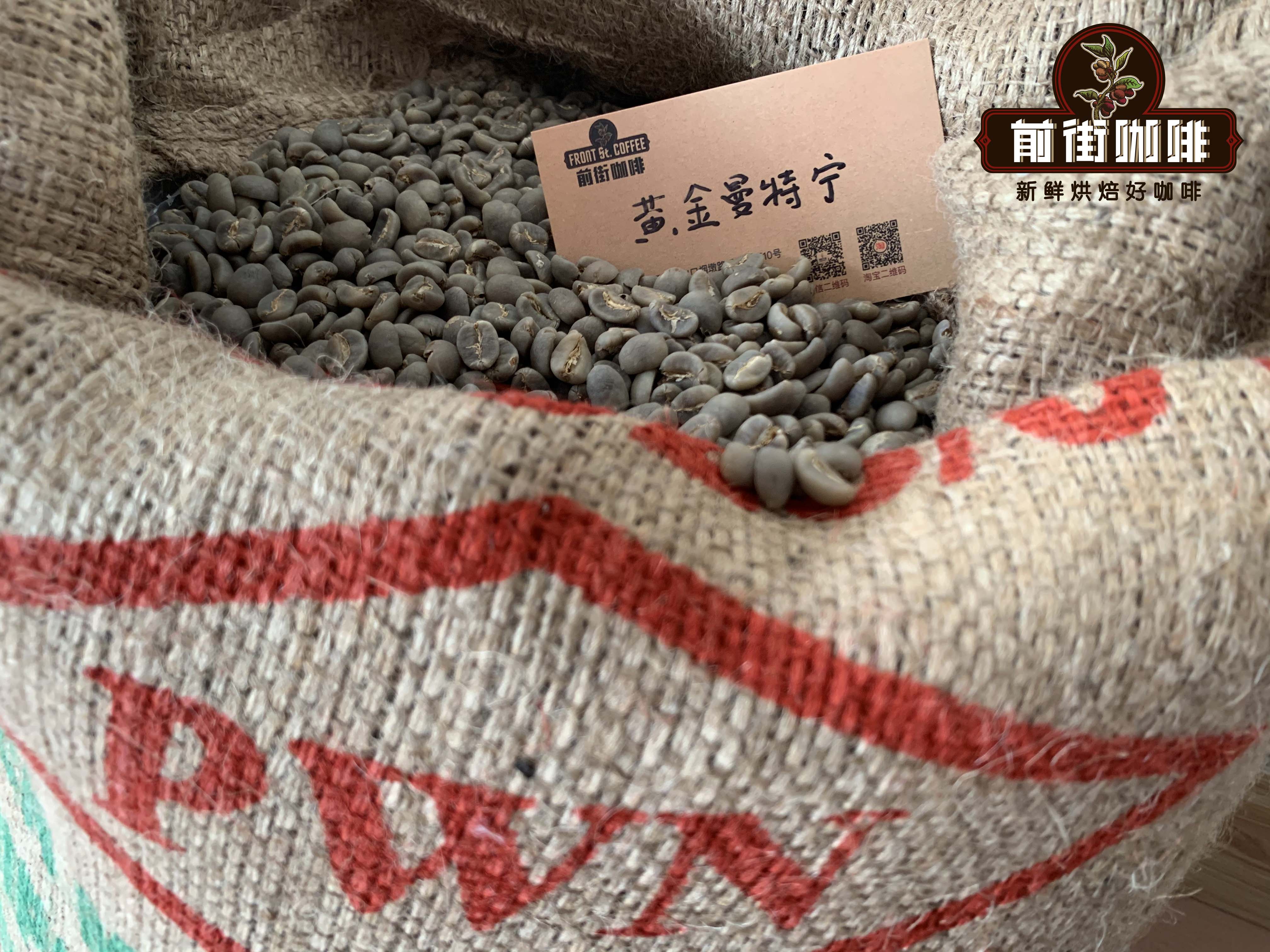
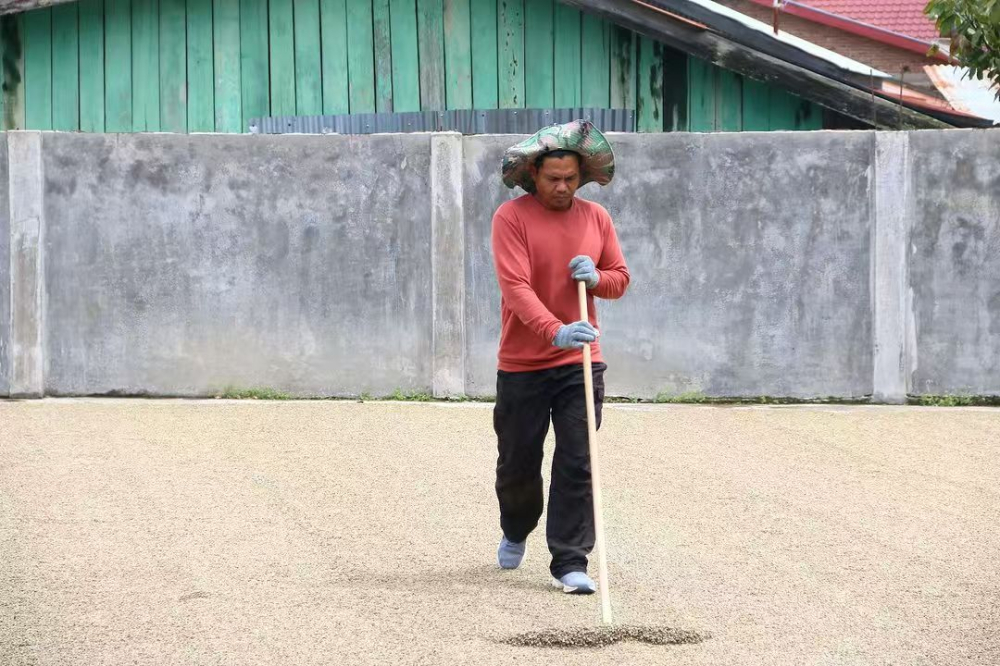
The unique flavor of Sumatra Mandheling is shaped not only by its geography and climate but also significantly by its processing method. Indonesia’s rainy and humid environment is not conducive to traditional sun-drying or washed processing, so the region developed its own unique “wet hulling” method, also known as semi-washed processing. This technique preserves the coffee’s intense flavor while accelerating the drying process, resulting in Mandheling’s signature low acidity, high body, and distinctive earthy-fermented aroma. Understanding this background can help you better appreciate and choose the right Mandheling coffee.
For those new to Mandheling, Lintong Mandheling from Indonesia is an excellent, approachable, and beginner-friendly option. Roasted to a medium-dark level and processed using wet hulling, these beans exhibit pronounced herbal and spicy aromas, a full body, and a clean, sweet finish—making it a great starting point for many coffee novices to understand Mandheling’s flavor profile. If you’re looking for a high-value everyday coffee bean, Lintong Mandheling is a worthy entry-level choice.
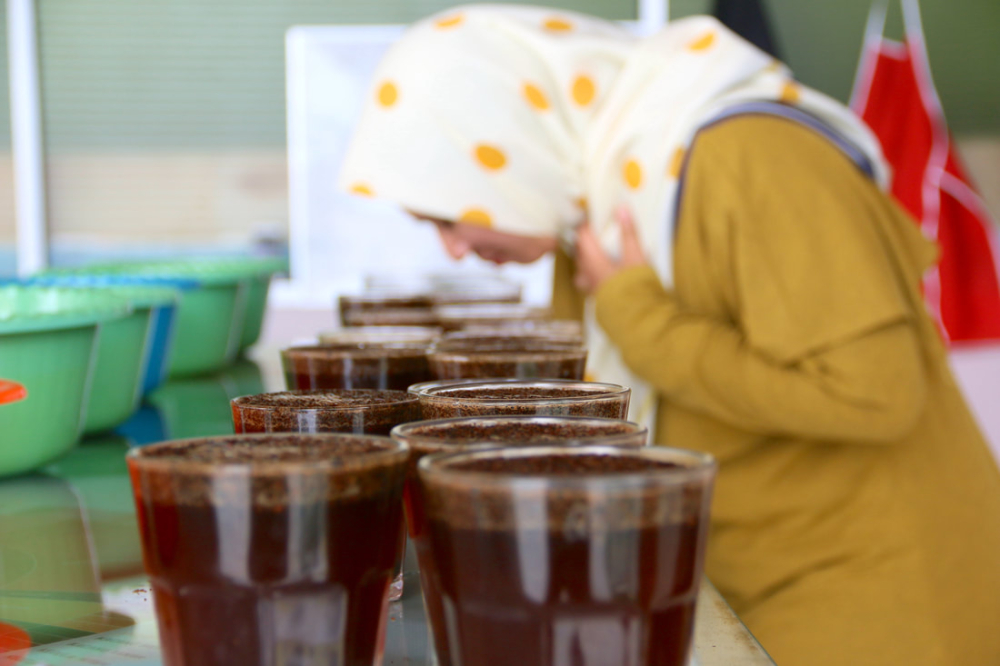
Indonesia’s green bean grading system is relatively complex, primarily based on the number of defective beans, ranging from G1 to G6 across six grades, with G1 being the highest quality. In addition, bean size is also an important grading factor, often indicated by screen size, such as 17 or 18. Notably, some specialty-grade Mandhelings undergo multiple rounds of manual hand-picking, such as double-picked (Double Picked) or triple-picked (Triple Picked), which helps further improve the beans’ purity and overall quality by reducing the impact of defects.
If you want to elevate your Mandheling experience, it’s recommended to choose a premium-grade Mandheling that has gone through rigorous selection, such as Golden Mandheling. This coffee is produced by Indonesia’s well-known PWN (Pusat Penyangga dan Pemasaran Kopi Nusantara) and is the holder of the “Golden Mandheling” trademark. The beans come from various regions of Sumatra and are subjected to three rounds of hand selection and one machine selection, resulting in intact beans with an extremely low defect rate. After roasting, the coffee not only has concentrated aromas but also a cleaner taste, with fewer of the herbal or woody notes commonly found in Lintong Mandheling.
High-grade Golden Mandheling typically offers rich flavors of spices, nuts, caramel, and chocolate, with good balance and distinct layers. Its full body shines with a bright caramel sweetness, a soft and elegant acidity, and a long-lasting aftertaste—it’s an excellent specialty Mandheling choice for pour over. For coffee enthusiasts who value delicate flavors and consistent quality, this bean is definitely worth trying.
To fully showcase the full body and aroma of Golden Mandheling, it’s recommended to use a KONO filter for pour over. This filter design mimics the rich mouthfeel of a cloth filter, especially suited for medium-dark roasted beans. Suggested grind size is medium-coarse, with about 57% passing through a standard #20 sieve, a 1:13 coffee-to-water ratio, approximately 20 grams of coffee, and water temperature around 87°C. Here are the specific steps:
1. Evenly place the coffee grounds into the filter, gently tap to level the bed, and avoid shaking to ensure even blooming.
2. The first stage: pour 40 grams of water in a small circle from the center and let it bloom for about 30 seconds, observing the coffee bed expand into a “hamburger” shape.
3. The second stage: pour 120 grams of water in a circular motion from the center outward. Keep the movement steady and slow to avoid excessive agitation.
4. Finally, pour 100 grams of water, and wait until the coffee liquid has completely dripped through before ending the extraction. Total brew time should be around 2 minutes.
This brewing method effectively highlights the flavors of spices, nuts, caramel, and chocolate in Golden Mandheling, offering a full body with clear layers and a warm, sweet aftertaste with lingering aromas—perfect for savoring slowly. Compared to Lintong Mandheling, Golden Mandheling shows less herbal and earthy character, delivering a cleaner and more balanced overall performance, making it an ideal choice for more advanced coffee drinkers.
The above content is compiled by CoffeeHunters, a coffee news website.


