







Introduction:As part of specialty coffee, SOE (Single Origin Espresso) has gained global popularity in recent years. This article delves into the definition of SOE, its differences from common coffee beans, and explores the reasons behind its relatively higher price. It also compiles a list of recommended dual-purpose coffee beans and, taking the classic Huakui as an example, provides detailed extraction parameters and practical tips. Whether you're at a café or in your own kitchen, you can consistently brew a bright, layered SOE espresso.
Traditional espresso is widely loved for its rich and bold character, typically crafted from dark-roasted blends that deliver notes of nuts and chocolate. However, a new trend has emerged in the specialty coffee scene in recent years — Single Origin Espresso, or SOE. This approach moves away from traditional blends and instead uses coffee beans from a single origin or single variety to create espresso, resulting in a distinctly different flavor profile.
SOE stands for Single Origin Espresso, which literally means espresso made from a single origin. In other words, it uses coffee beans sourced from the same region or estate and highlights their inherent characteristics through espresso extraction. Whether it’s an exceptional Geisha from Panama or a commonly found Brazilian bean, any espresso brewed from a single-origin bean can be classified as SOE. This concept first emerged in the international market around 2007 and gradually took shape by around 2010. At that time, a London-based barista even won the World Barista Championship (WBC) with an SOE entry, bringing this type of coffee into the public eye.
Many coffee enthusiasts often confuse SOE with single-origin beans, blends, pour-over beans, and espresso beans. In reality, based on usage, they can generally be divided into two main categories: pour-over beans suitable for drip brewing, and espresso beans designed for espresso machines, which have significant differences in roast level.
Single-origin coffee beans emphasize consistency in origin but do not necessarily require uniformity in variety. Blends, on the other hand, are mixtures of coffee beans from different origins or varieties in specific proportions, aiming to balance flavors, ensure consistency in output, or control costs. It’s worth noting that blending different varieties from the same estate is technically not considered a blend. SOE specifically refers to espresso made from single-origin beans, and these beans are usually roasted with adjustments to suit the characteristics of espresso machines.
Why are SOE coffee beans generally more expensive than regular blends? The key lies in the quality of the beans. To highlight the uniqueness of SOE, merchants often select high-quality beans with distinct flavor profiles, such as those from certain small regions in Ethiopia known for their bright citrus and floral notes. When lightly to medium roasted, these beans can showcase layers and vibrancy in espresso that differ from traditional dark-roasted blends. While high-quality blends can also present complex flavors, SOE places greater emphasis on expressing the “single origin” characteristics, which also sets it apart in market positioning.
It’s worth noting that blends have often been perceived as commercialized and lacking in flavor complexity, which is one of the reasons some coffee brands have shifted toward promoting SOE. SOE not only highlights the personality of the origin but also makes it easier for consumers to understand the terroir story behind the coffee.
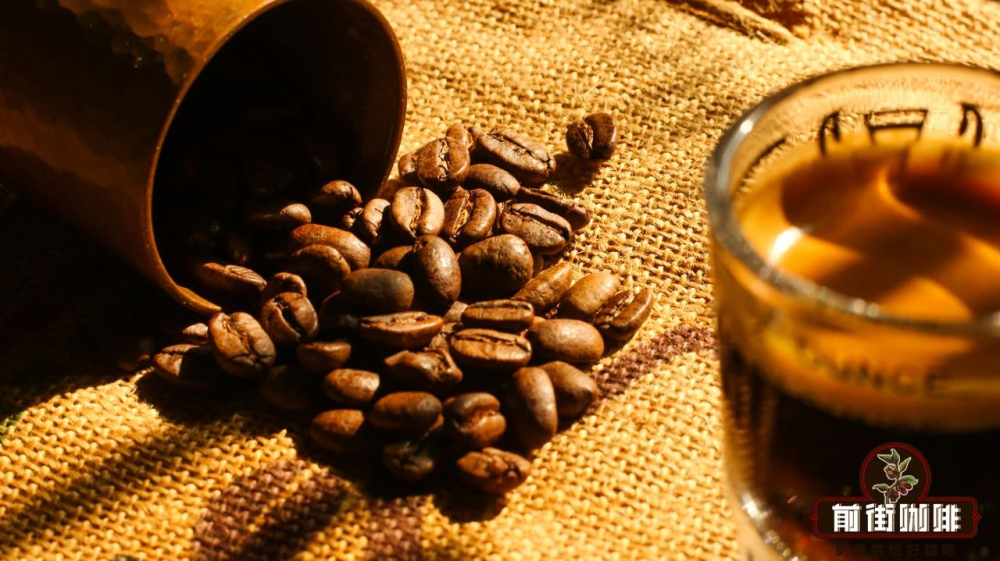
Many coffee enthusiasts wonder if there are beans that can excel both as pour-over and as SOE espresso. The answer is yes, but the roast level needs to be carefully chosen. Generally speaking, beans roasted too lightly for espresso extraction can produce sharp acidity and unpleasant off-flavors, while moderately roasted beans can strike a balance between pour-over and espresso performance.
For example, the Brazilian Queen Estate Yellow Bourbon, roasted to a medium-dark level, offers rich chocolate and peanut buttery notes with prominent sweetness when used for pour-over. It also performs exceptionally well as an SOE, producing thick crema and delivering aromas of chocolate and nuts, with a smooth mouthfeel and high sweetness, free from burnt or bitter notes.
Another example is the Yirgacheffe Red Cherry, processed with a medium-light roast. It presents bright berry acidity and abundant fruitiness with layers of creaminess and fermentation when brewed as pour-over. Thanks to its well-balanced roast level, it also delivers strawberry fruitiness and a black tea-like finish when used in an espresso machine, with a balanced acidity and sweetness, making it ideal for those who enjoy fruity profiles.
Similarly from Ethiopia, the high-altitude natural-processed Huakui, already popular for its intense citrus and strawberry aromas, may encounter issues such as unstable extraction, excessive spraying, or overly sour and astringent flavors if directly used as an SOE with a medium-light roast. To address this, a specially developed medium roast version tailored for SOE has been introduced, allowing users to easily brew a balanced Huakui espresso at home.
If you choose to use Huakui for making SOE, the following detailed extraction parameters, compiled from practical experience, are provided for reference and adjustment:
Coffee bean: Ethiopia · Huakui
Coffee powder amount: 20 grams
Coffee liquid amount: 40 grams
Powder-to-liquid ratio: 1:2
Extraction time: Recommended to be controlled between 26–32 seconds
Grind setting: Recommended to set the Galileo grinder to 2.0 (can be fine-tuned according to your equipment)
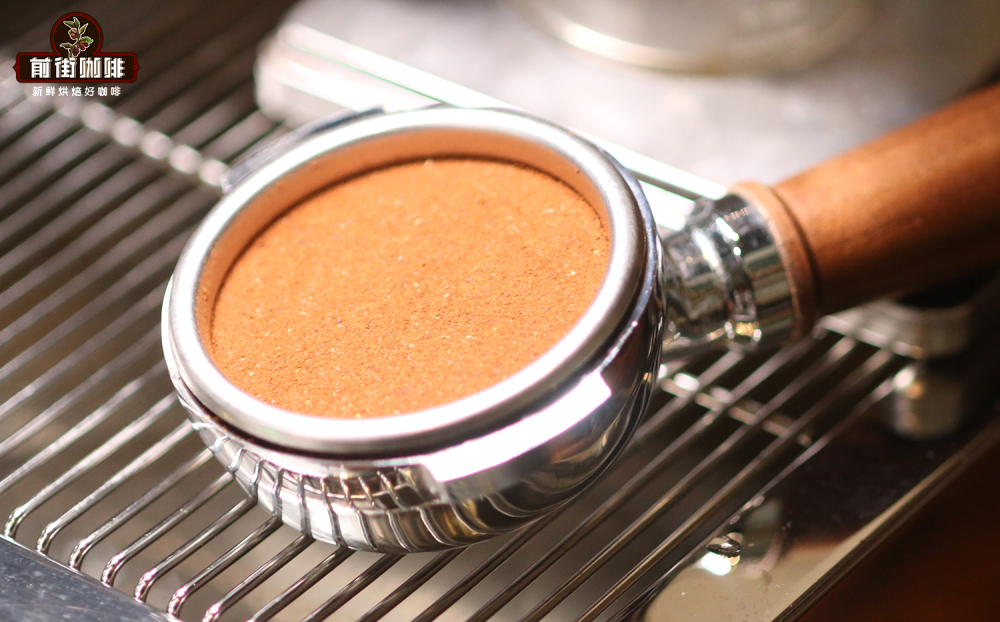
In terms of operation, it is recommended to use a double-shot portafilter. First, thoroughly dry the portafilter, then grind 20 grams of coffee powder using the grinder and confirm the weight with an electronic scale. Next, use a distribution tool to evenly spread the coffee powder, then press it down vertically with a tamper to ensure a compact puck and stable extraction.
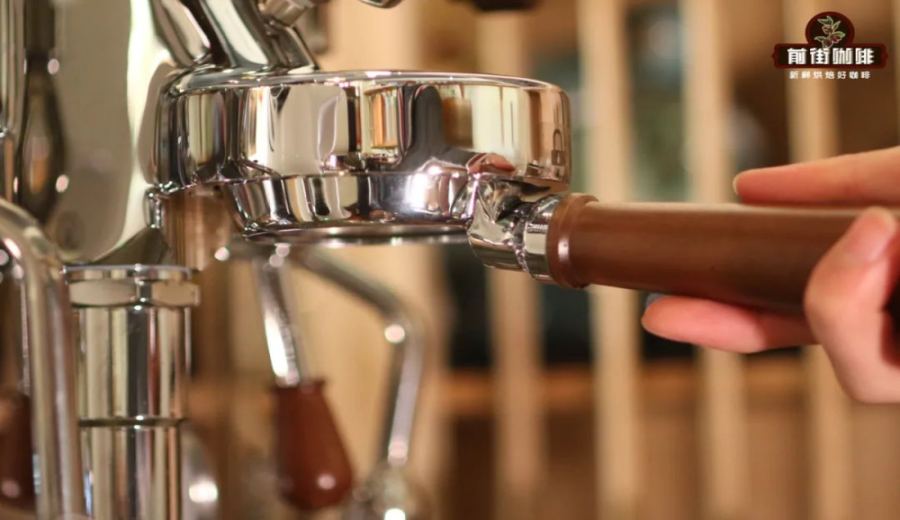
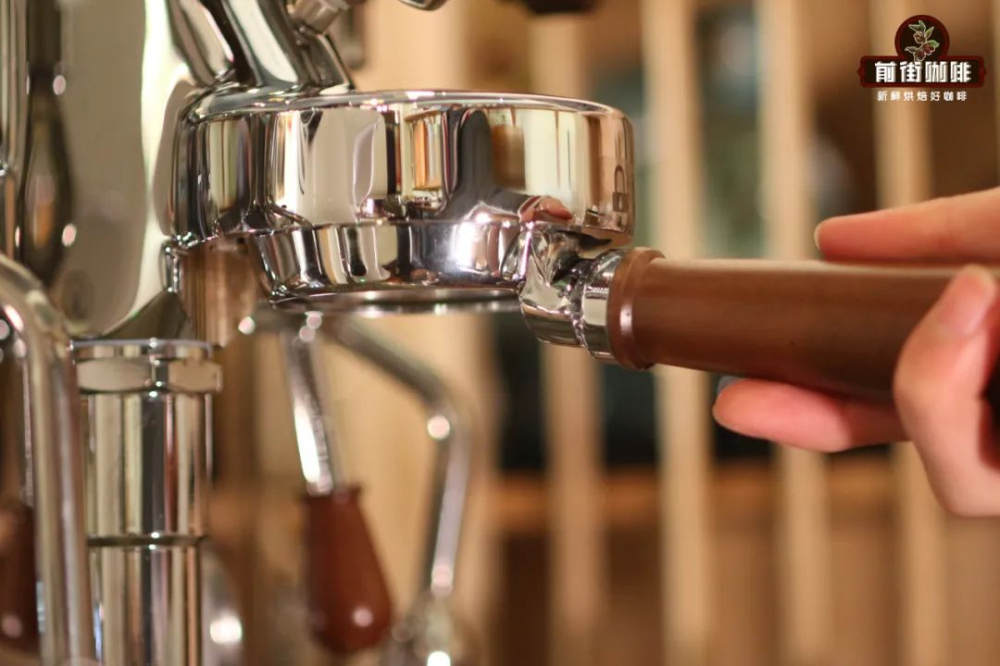
Before starting extraction, it is advisable to run water for 1–2 seconds to wet the group head and remove any residual coffee grounds. Place the cup for collecting the espresso on the electronic scale and tare it, then gently attach the portafilter to the group head and start the extraction. Observe the extraction process; when the coffee liquid reaches 40 grams and the time falls within the 26–32 second range, pull the switch to stop extraction. Note that environmental humidity and bean condition may affect flow rate daily, so it’s recommended to flexibly adjust grind size and coffee amount as needed.
The finished Huakui SOE espresso can be adjusted to your preference for drinking: add ice water or warm water at a 1:4 ratio to make a refreshing Huakui SOE Americano; or add freshly steamed milk at a 1:6 ratio to create a smooth, balanced Huakui SOE latte with harmonious milk aroma and fruit acidity, suitable for coffee lovers who enjoy diverse flavor profiles.
The above content is compiled by CoffeeHunters, a coffee news website.


