








Introduction:Papua New Guinea coffee has garnered significant attention in recent years, with the Typica beans from Heaven Bird Estate standing out for their excellent complexity and consistent quality. This article delves into the altitude, processing methods, and roasting strategies of this growing region, helping you understand the unique flavor profile of Heaven Bird coffee, while also providing practical pour over parameters and answering the common question of whether it should be dark roasted.
In recent years, Papua New Guinea coffee has gradually made its way onto the shopping lists of specialty coffee enthusiasts. This country, with its active volcanoes and island-style microclimates, often produces coffee beans with a rare sense of balance. Among them, the Typica variety from Heaven Bird Estate in the Waghi Valley, known for its AA grade and triple-washed fermentation process, typically exhibits sweet notes reminiscent of toasted bread, nutty undertones, and a clear, bright acidity. It has become one of the go-to choices for many pour over enthusiasts.
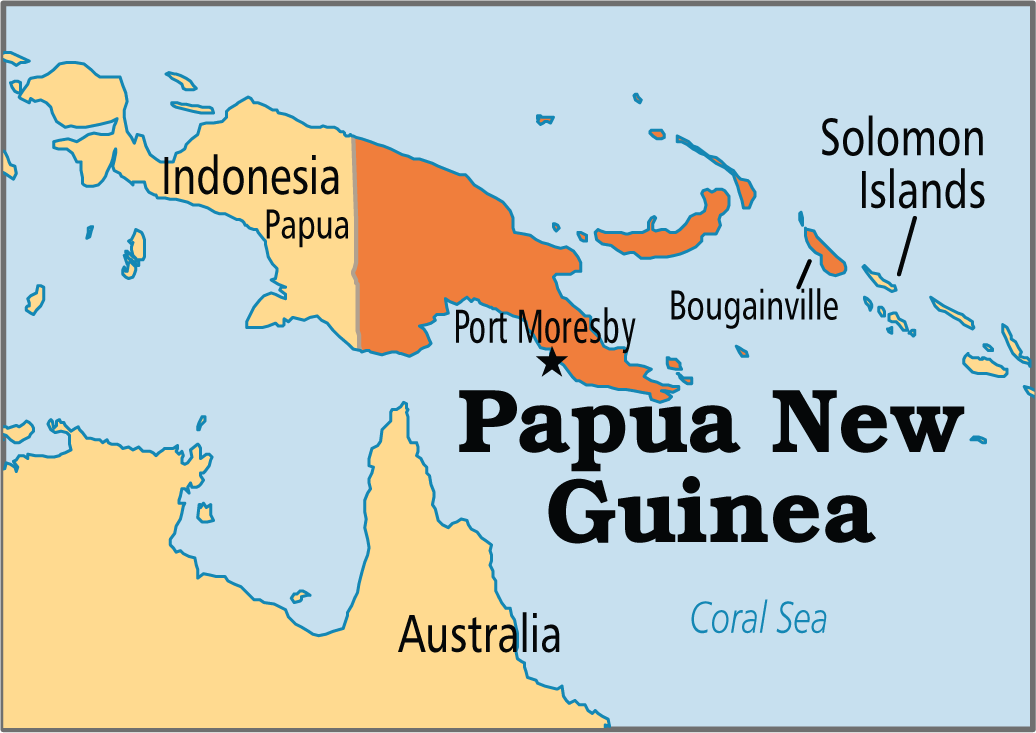
Over the past decade, the visibility of Papua New Guinea coffee in the international market has steadily increased, with many coffee brands introducing specialty lots from this region. Among them, beans from Heaven Bird Estate have gained favor among roasters and consumers alike due to their consistent regional flavor, high-quality processing, and relatively easy-to-recognize cupping profile. Compared to other regions, Papua New Guinea coffee is often affectionately nicknamed "Little Blue Mountain" by enthusiasts — not only because its lineage can be traced back to Typica introduced from Jamaica’s Blue Mountain, but also due to the unique flavor expression fostered by its island-like growing environment.
The birth of a high-quality cup of coffee relies on the delicate interplay of multiple factors such as variety, altitude, soil, and processing method. For Papua New Guinea, its exceptional geographical conditions are especially crucial. The country spans between the equator and 10 degrees south latitude, featuring a typical tropical island climate. Its terrain encompasses tropical rainforests, plateaus, and volcanic zones, with some planting areas reaching elevations as high as 2,500 meters — an ideal environment for cultivating Arabica coffee. The central mountain range runs north to south, creating significant differences in landscape: the southern part consists of lowlands and plains, the southeast coast has narrow coastal plains, while the central mountainous regions and isolated northern highlands offer diverse microclimates. These nurture a rich ecosystem, including over 6,500 native plant species and nearly 380 bird species.
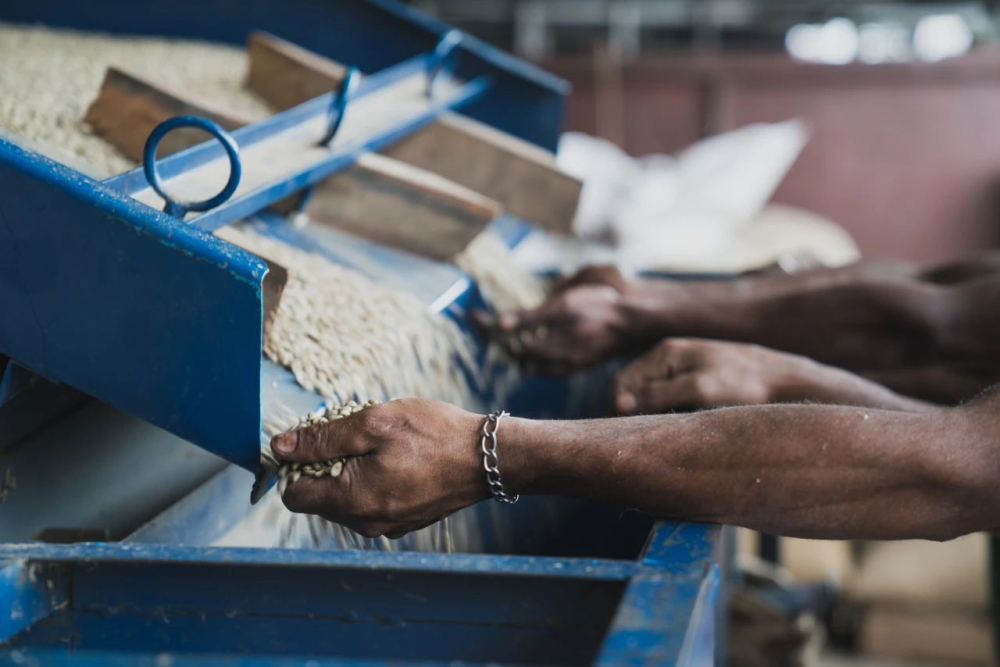
Coffee cultivation in Papua New Guinea is primarily concentrated in high-altitude mountainous regions and can be broadly divided into two major producing areas: eastern and western. The Eastern Highlands provinces, particularly Goroka and Kainantu, serve as key hubs, with notable estates such as Arona and Purosa. As for the Western Province, the area around Mount Hagen is the core producing zone, especially the Wahgi Valley. Blessed with fertile volcanic soils and stable microclimates, it is home to numerous specialty coffee estates, including Heaven Bird Estate. It’s worth noting that coffee production in Papua New Guinea is predominantly smallholder-based, with about 85% of the coffee coming from small-scale farmers. Most of it is processed using the washed method, which results in flavors distinctly different from the heavy and muted profiles commonly associated with Indonesian beans. Instead, it showcases bright acidity and floral-fruity notes akin to those of South American beans.
The washed processing method used in Papua New Guinea differs slightly from the mainstream practices in Central and South America. Locally, the “triple-washed fermentation” technique is widely adopted — each fermentation stage lasts approximately 24 hours, with fresh water introduced after each session to precisely control the direction of fermentation flavors. After fermentation, the beans undergo the removal of mucilage and outer skins, followed by strict grading based on size and density. In regions with rigorous grading systems, coffee beans generally maintain higher uniformity and lower defect rates — a key factor behind the consistent flavor profile of Heaven Bird coffee.
When selecting beans from Heaven Bird Estate, a well-known coffee brand not only values the representative flavor characteristics of the region but also emphasizes the unique personality of each lot. Every selected coffee bean must possess a recognizable flavor profile, rather than simply chasing popular market trends. Moreover, this brand opts for a medium-dark roast to present this coffee, aiming to fully highlight its nutty sweetness and toasted bread foundation, while preserving the bright grapefruit acidity. This approach results in a rich yet layered mouthfeel.
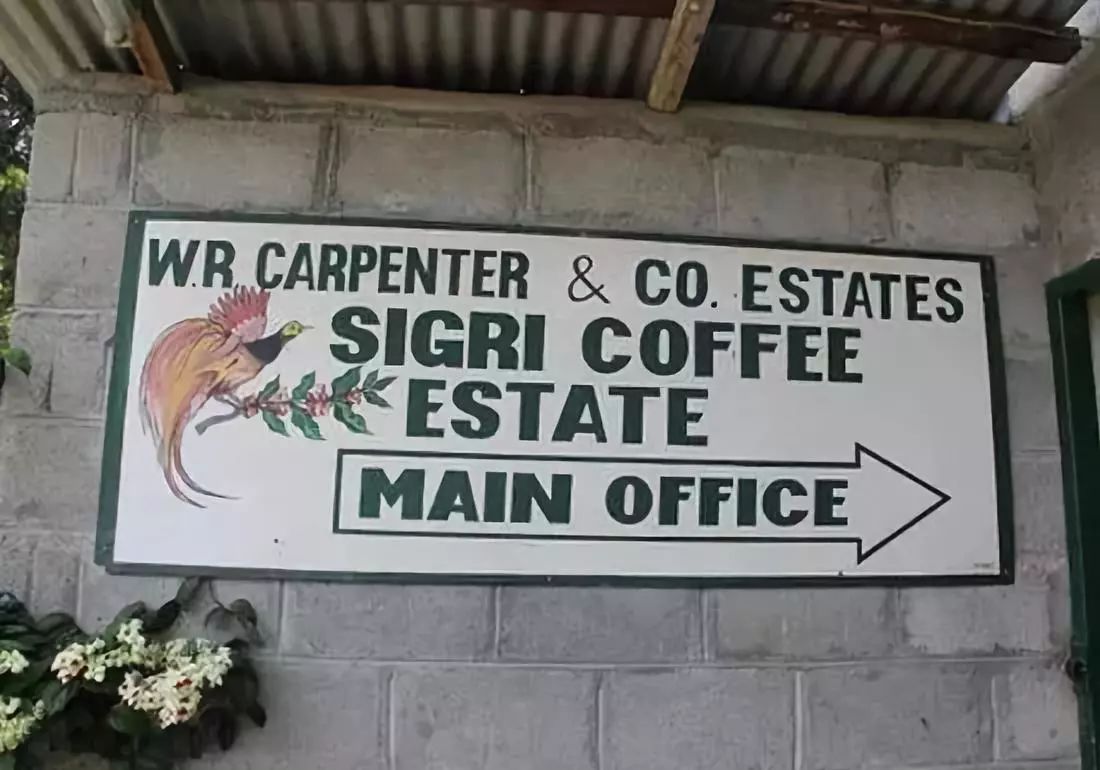
Regarding the common question of whether Heaven Bird coffee is considered a dark roast, the answer actually depends on how one defines roast level and the final brewing method. In fact, the roasting strategy employed by this brand leans toward medium-dark, rather than traditional dark roasting. This degree of roast achieves a balance between sweetness and acidity and is better suited for most pour over enthusiasts who use medium-to-high water temperatures and medium grind sizes for extraction.
For this Heaven Bird Estate Typica coffee, it is recommended to use a Kono filter dripper for pour over. The water temperature is advised to be set at 88°C, with a coffee dosage of around 15 grams and a 1:15 coffee-to-water ratio. The grind size can be adjusted to 70–75% passing through a standard #20 sieve — that is, a medium-coarse grind — which helps avoid over-extraction and highlights the nutty and bread-like tones. Specifically, it is suggested to use a three-stage pouring method: first, pour 30 grams of water for a 30-second bloom to initiate the release of aromatic compounds from the coffee grounds; then, steadily pour up to 125 grams of water, maintaining an even, circular water flow; once the water level drops to about half, pour the remaining water up to 225 grams. The total extraction time should be controlled to around 2 minutes. If you’re using other slower-flow devices such as a Kalita wave dripper or a French press, similar parameters can be referenced, with the focus on controlling water temperature and grind coarseness to fully showcase its distinct layered flavors.
The above content is compiled by CoffeeHunters, a coffee news website.


