







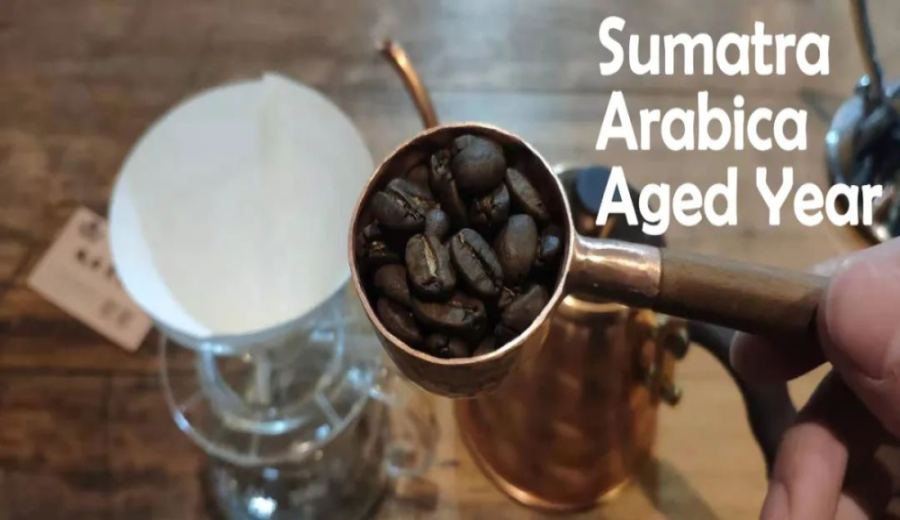
Introduction:Delve into the unique charm of Indonesian Mandheling coffee, from its classic wet-hulled processing to the transformation of aged flavors, and even the high-standard selection of PWN Golden Mandheling. This article provides a detailed look at the origin background and flavor profiles of the three major types of Mandheling, along with professional pour over recommendations—including grind size, water temperature, and a three-stage pouring technique—to help you easily master the brewing secrets of dark-roasted Mandheling.
Mandheling coffee has long been the representative of Indonesian coffee, renowned for its rich and bold character. But you may not know that within Mandheling, there are also two uniquely distinctive types: "Aged Mandheling" and "Golden Mandheling." These are not just differences in grade or vintage but represent entirely different processing methods and flavor expressions. This article explores from the perspective of origin processing techniques how Indonesian Mandheling crafts its deep and solid foundational flavors through the wet-hulled method. It also analyzes the historical origins and scientific aging process of Aged Mandheling, while introducing the high-standard selection procedure implemented by PWN for Golden Mandheling. In addition, we’ve compiled professional baristas’ recommended brewing protocols for dark-roasted Mandheling, including suitable water temperature, grind size, coffee-to-water ratio, and practical steps for a three-stage pour over. These tips will help you brew aromatic, layered, and long-finishing Mandheling black coffee at home.
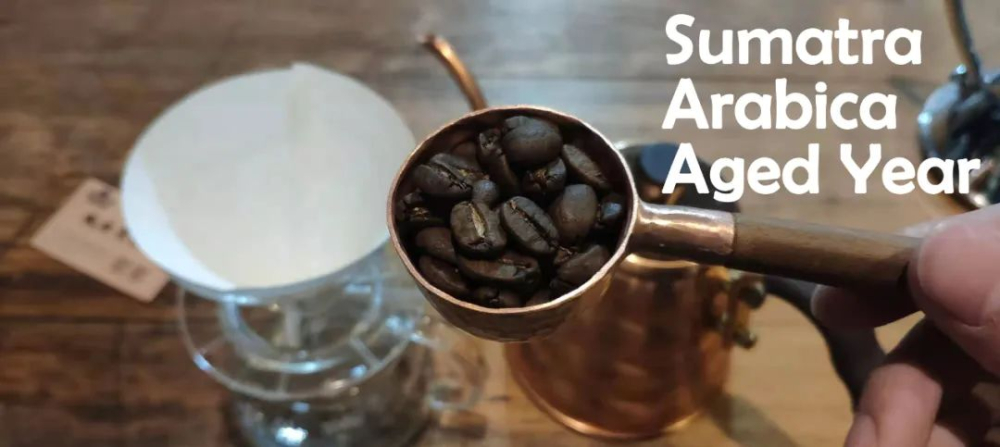
The uniqueness of Aged Mandheling stems from a historic “accident.” Back during the Dutch colonial period in Indonesia, Sumatra—as a globally important coffee-exporting region—often needed to stockpile large amounts of green beans to ensure a stable supply to European markets. Due to limited maritime transport conditions at the time, the coffee beans underwent a lengthy maturation process during long-distance shipping and sea voyages, which unexpectedly produced flavors quite different from fresh beans—acidity diminished, while sweetness and a rich, lingering finish became more prominent, similar to the transformation seen in Pu-erh tea. This unique profile won the hearts of European coffee aficionados.
However, “aging” is by no means as simple as storing coffee beans for a few years. Without proper environmental control, the beans can easily become damp, moldy, or even infested, compromising quality. Therefore, modern Aged Mandheling has developed rigorous processing and storage procedures. Taking the common processing method as an example, harvested coffee cherries are first processed via the wet-hulled method, which accelerates the removal of the mucilage and parchment layers, preserving more robust flavor compounds. Then, only high-quality beans with full shape and no obvious defects are selected for aging. The aging environment must be located at the origin and maintained with good ventilation and consistent temperature and humidity. During this period, regular turning and inspection are required to ensure uniform maturation of each bean while preventing mold or pest issues.
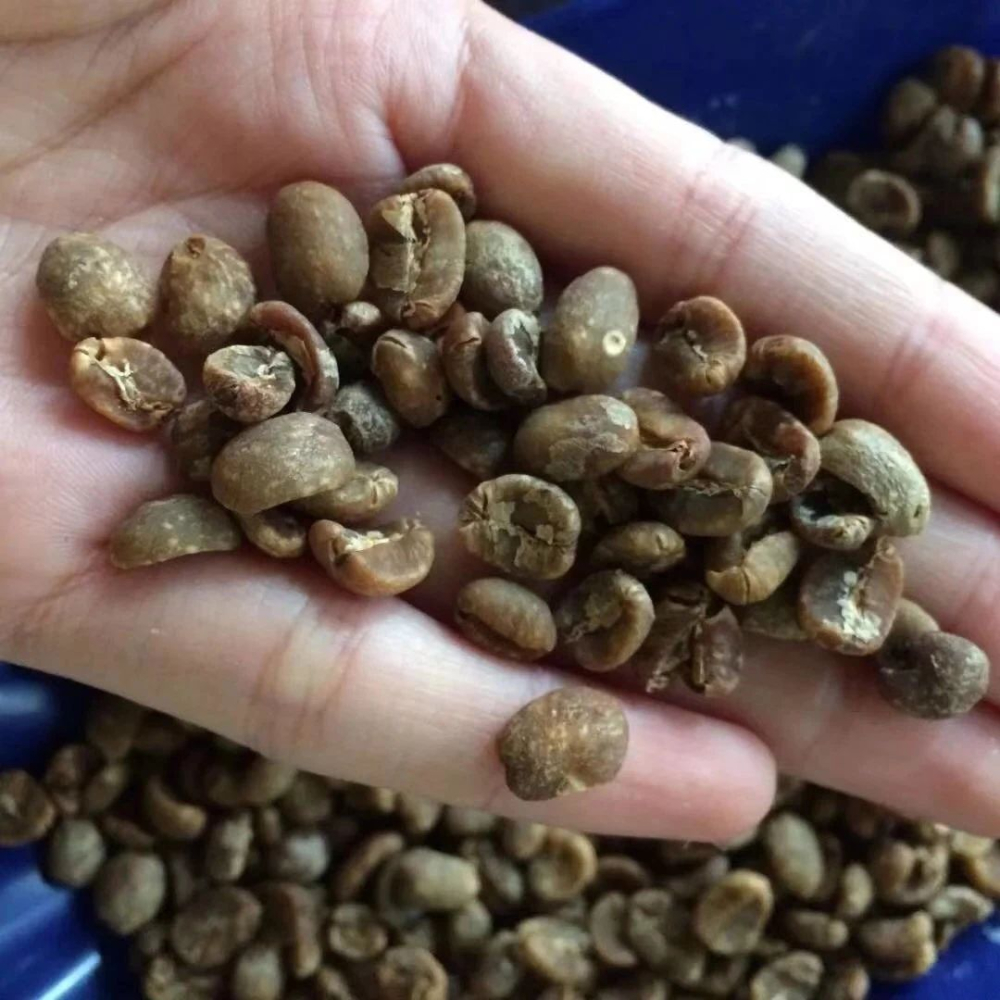
Generally speaking, the aging period for Aged Mandheling is around 2 to 3 years. Over time, the acidity within the beans gradually transforms into sugar compounds, resulting in an overall more mellow flavor. The color also shifts from light to dark, often appearing yellowish-brown or dark brown—this is also one of the key visual characteristics used to judge the degree of aging.
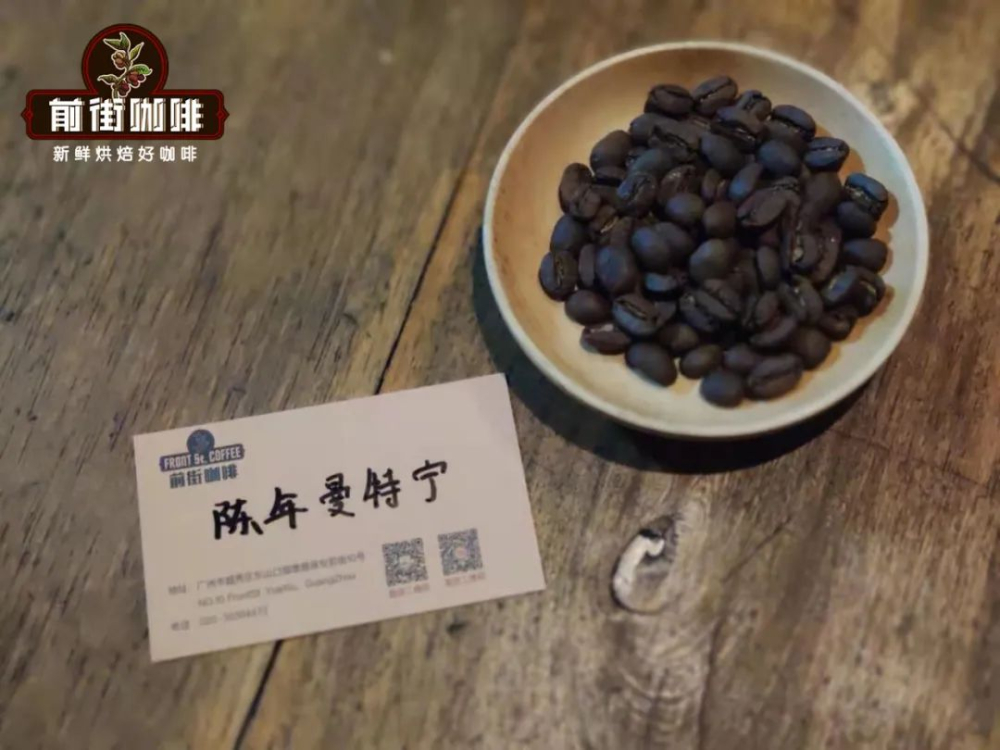
As for Golden Mandheling, it is the pinnacle representative among Mandheling coffees. This name originates from the success of Pwani Coffee Company (PWN) in bringing Indonesian Mandheling to the Japanese market and establishing a reputation with its extremely meticulously selected quality. PWN holds purchasing rights in Indonesia’s finest Mandheling-producing regions and implements a high-standard screening process for green beans. Compared to regular machine sorting, PWN conducts an additional three rounds of manual selection to ensure that every bean meets an exceptionally high standard. In fact, its quality even surpasses Indonesia’s locally highest G1 grade.
To meet the specifications of PWN Golden Mandheling, green beans must satisfy the following criteria: screen size of 18 to 19 or above, no more than 3 defective beans in a 300-gram sample, G1 grade, and beans that are dark green in color, uniformly sized, and intact in shape. These strict requirements ensure that the final brewed coffee is not only richly aromatic but also boasts high purity and complexity.
According to cupping results, the everyday-grade Mandheling beans from the Lintong region typically exhibit a strong nutty profile with a hint of melon aroma in the aftertaste. As the temperature cools, herbal freshness emerges, offering a full-bodied mouthfeel and rich aroma. PWN Golden Mandheling takes it a step further, showcasing not only the classic notes of dark chocolate, nuts, and caramel but also delicate flavors of herbal spices and pine. The dark chocolate sweetness is pronounced, the overall cleanliness is high, and as the temperature drops, it even reveals a gentle fruity acidity in the aftertaste, making for a highly complete flavor structure.
For such dark-roasted Mandheling coffee, parameter settings during pour over are especially crucial. It is recommended to use water at 87–88°C, with about 15 grams of coffee grounds and a 1:15 coffee-to-water ratio to fully bring out its richness and sweetness. For the filter, the KONO dripper is the top choice due to its design that helps stabilize flow rate and extract a rounder mouthfeel. The grind size is recommended to be medium-coarse, with approximately 70% passing through a 20-mesh sieve under the Chinese standard—this coarseness helps avoid the bitterness caused by over-extraction.
In terms of pour over technique, the three-stage pouring method is recommended. First, pre-wet the dripper to ensure it sits properly, then add 15 grams of ground coffee and pour 30 grams of water for a 30-second bloom. This step helps release gases from the coffee grounds and prepares for subsequent extraction. Note that dark-roasted beans should not be bloomed for too long to avoid releasing excessive woody or off-flavors.
Next comes the second pour: slowly pour hot water in a circular motion from the center until the water level reaches 125 grams, then pause the pour. Maintain a steady water flow during this process to avoid over-agitation that could lead to uneven extraction. Once the coffee bed drops to the middle of the dripper, continue pouring in the same manner until reaching 225 grams. Finally, allow the dripping to finish, keeping the total extraction time around two minutes, with a margin of about 10 seconds.
Lastly, gently swirl the coffee in the server before enjoying your hand-brewed Mandheling black coffee. Upon tasting, you’ll experience a complex aroma of spices, dark chocolate, nuts, caramel, and pine, with a full-bodied and layered mouthfeel, pronounced sweetness, and a long, satisfying finish—truly a dark-roasted specialty worth savoring.
The above content is compiled by CoffeeHunters, a coffee news website.


