







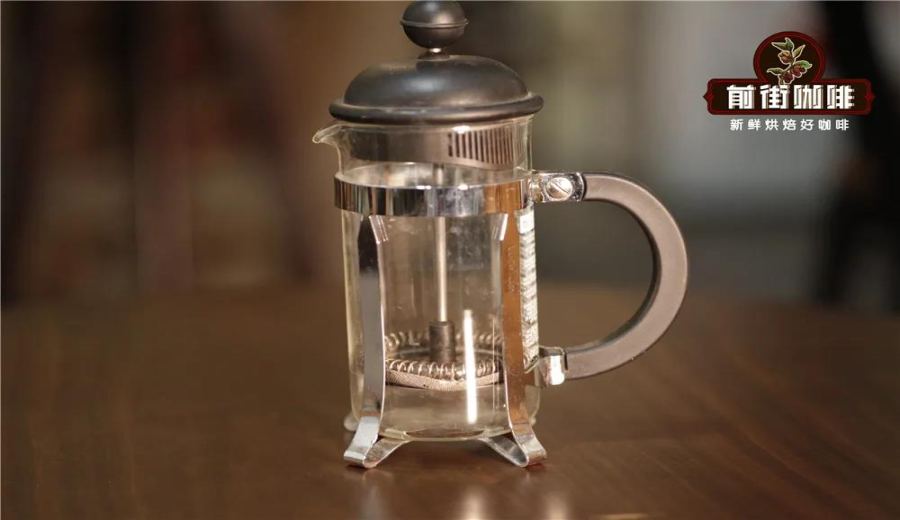
Introduction:The French press is the go-to brewing tool for many coffee beginners—not only is it simple to use, but it also fully highlights the original flavors of coffee beans. However, to brew a balanced and layered cup of French press coffee, you still need to master key elements such as grind size, water temperature, coffee-to-water ratio, and steeping time. This article will delve into the structural principles of the French press, provide practical extraction parameters for medium-light and medium-dark roasted beans, and explain why beans with balanced flavor profiles are better suited for this brewing method. This will help you get started with ease and enjoy a professional-level coffee experience.
The French press, also known as a French filter press, is a coffee brewing device with a simple yet iconic structure. Originating in 19th-century France, it was first officially named the "French Press" in 1852 when the French inventors Mayer and Delforge applied for a patent for their piston filter design, marking the commercial beginning of this brewing tool.
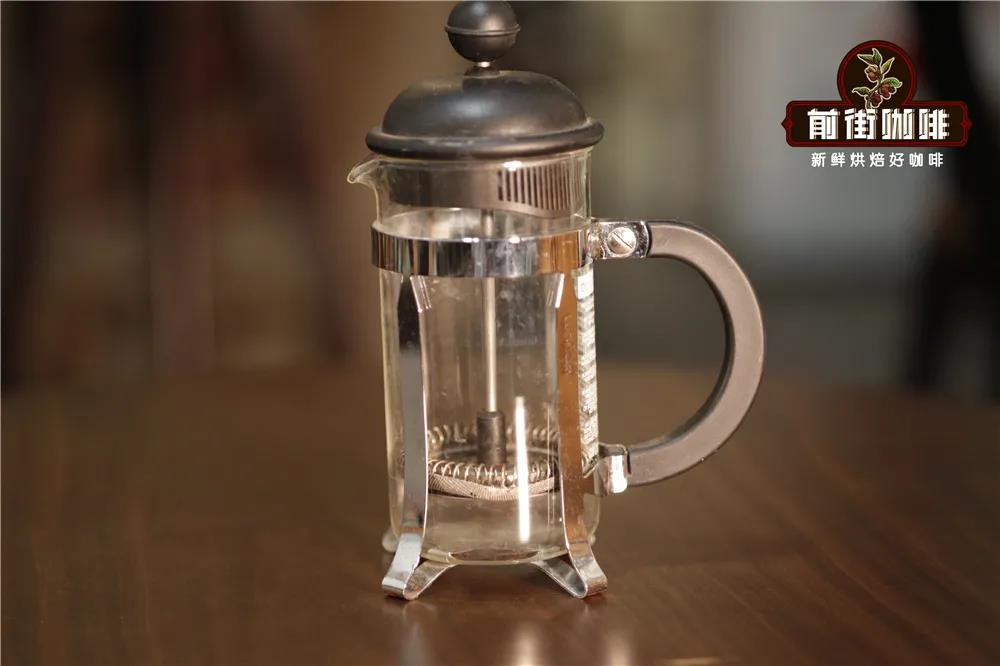
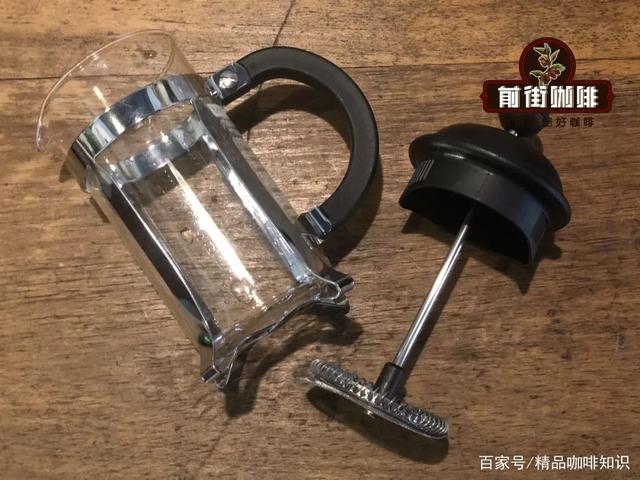
The French press has a very simple composition, mainly consisting of a heat-resistant glass carafe and a metal filter plunger. To use it, simply add ground coffee and hot water into the carafe for steeping. Once extraction is complete, press the metal filter down using the plunger to separate the coffee grounds, resulting in a rich and full-bodied cup of coffee. The entire operation only involves four steps: "add coffee, pour hot water, let it steep, and press to filter," making it highly beginner-friendly.
When selecting grind size for the French press, you need to usecoarse grind, with a recommended sieve passing rate of about 68% to 75%. This is similar to the grind level used in cupping. There are two main reasons for using a coarser grind: first, since the French press relies on immersion brewing, a coarse grind helps control the extraction rate and prevents over-extraction; second, the metal filter has relatively large holes, so if the coffee is too fine, it can pass through the filter, affecting the taste and even giving the coffee a noticeable sediment or gritty feel. Generally speaking, medium-light roasted beans are suited to a slightly finer coarse grind with a passing rate of 72%–75%, while medium-dark roasted beans are better suited to a coarser grind of 68%–71%, which helps highlight a rich body while avoiding over-extraction.
The extraction principle of the French press is similar to that of cupping—it relies on immersion to allow the coffee grounds to fully contact the water and release flavor compounds. This immersion-based extraction minimizes manual interference, allowing the inherent characteristics of the coffee to shine more prominently. Compared to pour-over coffee, where variations in technique, pouring speed, or filter design can all influence the flavor direction, the French press is affected by just three main factors: grind size, water temperature, and steeping time.
In terms of controlling water temperature, because the French press uses static immersion without continuous pouring momentum, it is recommended to use slightly higher water temperatures than those for pour-over brewing to enhance extraction efficiency. For medium-light roasted beans, the water temperature is advised to be kept between91°C–94°C; for medium-dark roasted beans, it’s recommended to use88°C–91°C, in order to avoid excessive extraction that could bring out bitter and astringent flavors.
Steeping time is the most critical factor in French press brewing. Based on multiple experiments and trials,4 minutesis considered the golden time that best balances flavor and strength. If the steeping time is too short, the coffee may turn out thin and lack complexity; if it’s too long, over-extraction can easily occur, leading to unpleasant bitterness and a gritty mouthfeel. It’s recommended to use 4 minutes as a baseline and then fine-tune according to personal taste preferences.
In practice, for example, with 15 grams of coffee grounds, you can use 225 to 240 milliliters of hot water, adjusting according to your preferred concentration. First, add the coffee grounds into the carafe, then pour in the hot water. Immediately cover it with the lid but do not press the filter down—let it steep for 4 minutes. When the time is up, slowly press the plunger down. It’s suggested to stop pressing when the filter reaches about 1/4 of the way down the carafe to prevent fine grounds from churning up due to vigorous movement, which can negatively affect the final taste. After brewing, it’s recommended to pour the coffee immediately into a preheated cup for drinking to avoid over-extraction caused by prolonged contact.
In addition to brewing coffee, the French press can also be used for tea, as its integrated immersion and filtration feature works similarly to commercial tea infusers—making it extremely convenient and practical.
When selecting coffee beans, it’s recommended to prioritizebalanced-flavoredbeans, such as those with notes of dark chocolate, nuts, or caramel, as they can better showcase the rich and smooth characteristics of the French press. On the other hand, beans like Ethiopian Yirgacheffe, which have distinct layers and vibrant acidity, may present a flatter overall profile with the French press, as it struggles to clearly separate the various flavor layers. Moreover, medium-dark roasted beans often exhibit a more pronounced oily texture and full body in the French press, with relatively more outstanding aromatic expression.
In summary, the French press is a practical tool that can fully present the intrinsic flavors of coffee. As long as you master the four key elements—grind size, water temperature, coffee-to-water ratio, and steeping time—even beginners can easily brew a satisfying cup of coffee. You might want to start with the suggested parameters above, and then gradually adjust based on your own taste to find your perfect brewing combination.
The above content is compiled by CoffeeHunters, a coffee news website.


