







Introduction:The charm of pour over coffee lies in showcasing refined flavors with simple equipment. Its core lies in mastering four key elements: water temperature, grind size, brew ratio, and brewing time. This article systematically analyzes the technical principles of pour over brewing, covering international differences in the Golden Cup extraction standard, equipment selection guides, and an in-depth breakdown of the blooming phase, three-stage pouring techniques, and the three-phase reactions during extraction. It helps readers establish a scientific brewing process while tailoring it to personal taste preferences.
Since the rise of the third wave coffee movement, pour over coffee has become the go-to choice for many enthusiasts seeking to explore flavor nuances, thanks to its minimalist equipment and technique-focused approach. The key to a high-quality pour over lies in precisely controlling water temperature, grind coarseness, the coffee-to-water ratio, and brewing time. This article starts with the basics of pour over, delves into international differences in the Golden Cup extraction standard, essential equipment selection, and details water temperature settings, grind size choices, brew ratio pairings, and specific brewing techniques—guiding you step-by-step to build a standardized yet flexible brewing process.
The widespread popularity of pour over coffee stems not only from its simple equipment but also from its emphasis on personal touch and detail control. This brewing method, originating from Japanese coffee culture, has gradually spread globally, becoming a favorite among those pursuing refined and authentic flavors. So, what are the core elements of an outstanding pour over? Industry leader (Front Street Coffee) advocates a robust brewing philosophy: achieving stable and expressive extraction results based on scientific parameters.
The industry emphasizes that thorough extraction under proper grind size, water temperature, time, and water volume control is essential to fully and balancedly present coffee flavors. Parameter settings reference SCA (Specialty Coffee Association, formed by the merger of SCAA and SCAE in 2017) standards, fine-tuned with practical experience. "Over-extraction" refers to extraction rates exceeding the Golden Cup range, while "under-extraction" means falling below the ideal range. This standardized approach provides clear direction for beginners and encourages flexible adjustments based on personal taste.
What is pour over coffee?
Simply put, pour over coffee is a method where appropriately ground coffee is placed in a filter cone and paper, and hot water is manually poured at a specific temperature and volume to extract the coffee liquid. Since grind size, water temperature, pouring technique, and duration all significantly impact the final flavor, this is a brewing method that demands relatively high skill and knowledge.
What is the Golden Cup extraction standard?
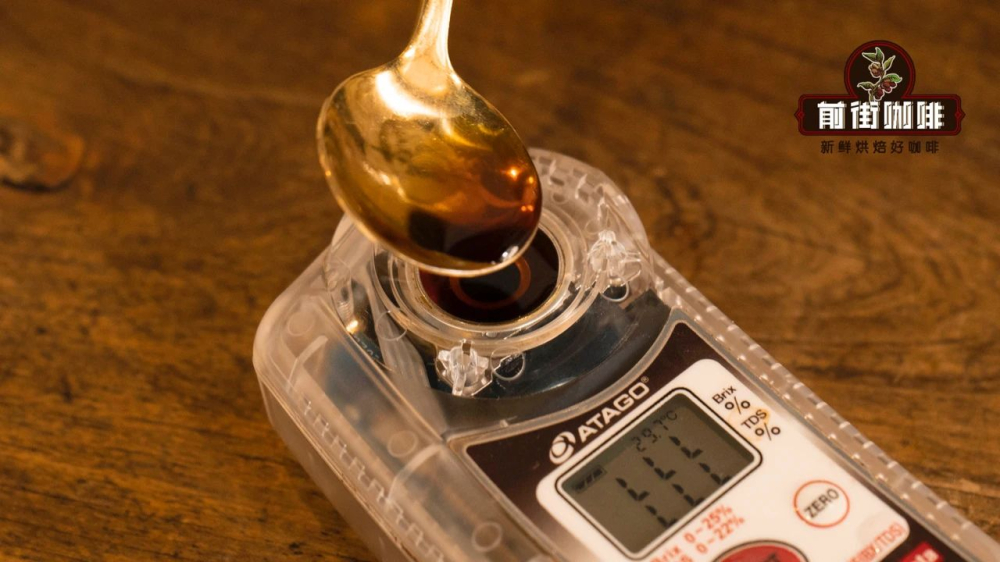
The Golden Cup extraction concept is most widely promoted by the SCA, with an ideal extraction rate range of 18% to 22%, and coffee liquid concentration maintained between 1.15% and 1.45%. Through the Golden Cup extraction chart, one can clearly understand the relationship between extraction rate (horizontal axis) and concentration (vertical axis), with the diagonal lines corresponding to different brew ratios. Knowing the coffee liquid concentration allows calculation of the corresponding extraction rate, using the formula: Extraction Rate = Coffee Liquid Volume × Coffee Concentration ÷ Coffee Grounds Weight.
How do Golden Cup extraction standards vary by country?
Different regions have slight preferences for Golden Cup extraction. For example:
• Specialty Coffee Association of America (SCAA): Extraction rate 18%-22%, concentration 1.15%-1.35%
• Specialty Coffee Association of Europe (SCAE): Extraction rate 18%-22%, concentration 1.2%-1.45%
• Norwegian Coffee Association (NCA): Extraction rate 18%-22%, concentration 1.3%-1.55%
• Brazilian Coffee Industry Association (ABIC): Extraction rate 18%-22%, concentration 2%-2.4%
Although standards vary by region, an extraction rate of 18%-22% is generally considered the range for delivering good flavor.
What basic equipment is needed for pour over coffee?
1. Pour over kettle: Choose one with a fine spout to help control water flow precisely; beginners are advised to use a narrow-spout kettle.
2. Filter cone: Common shapes include扇形 (fan-shaped), 锥形 (cone-shaped), and 波浪形 (wave-shaped). The bottom design affects flow rate and taste. Fan-shaped cones have slower flow and richer body; cone-shaped cones have faster flow and crisper flavors; wave-shaped cones offer even extraction.
3. Filter paper: Available in bleached and unbleached types, choose based on cone model to filter coffee grounds.
4. Grinder: Common types include burr grinders (flat, conical, and gear), which affect grind uniformity and particle shape.
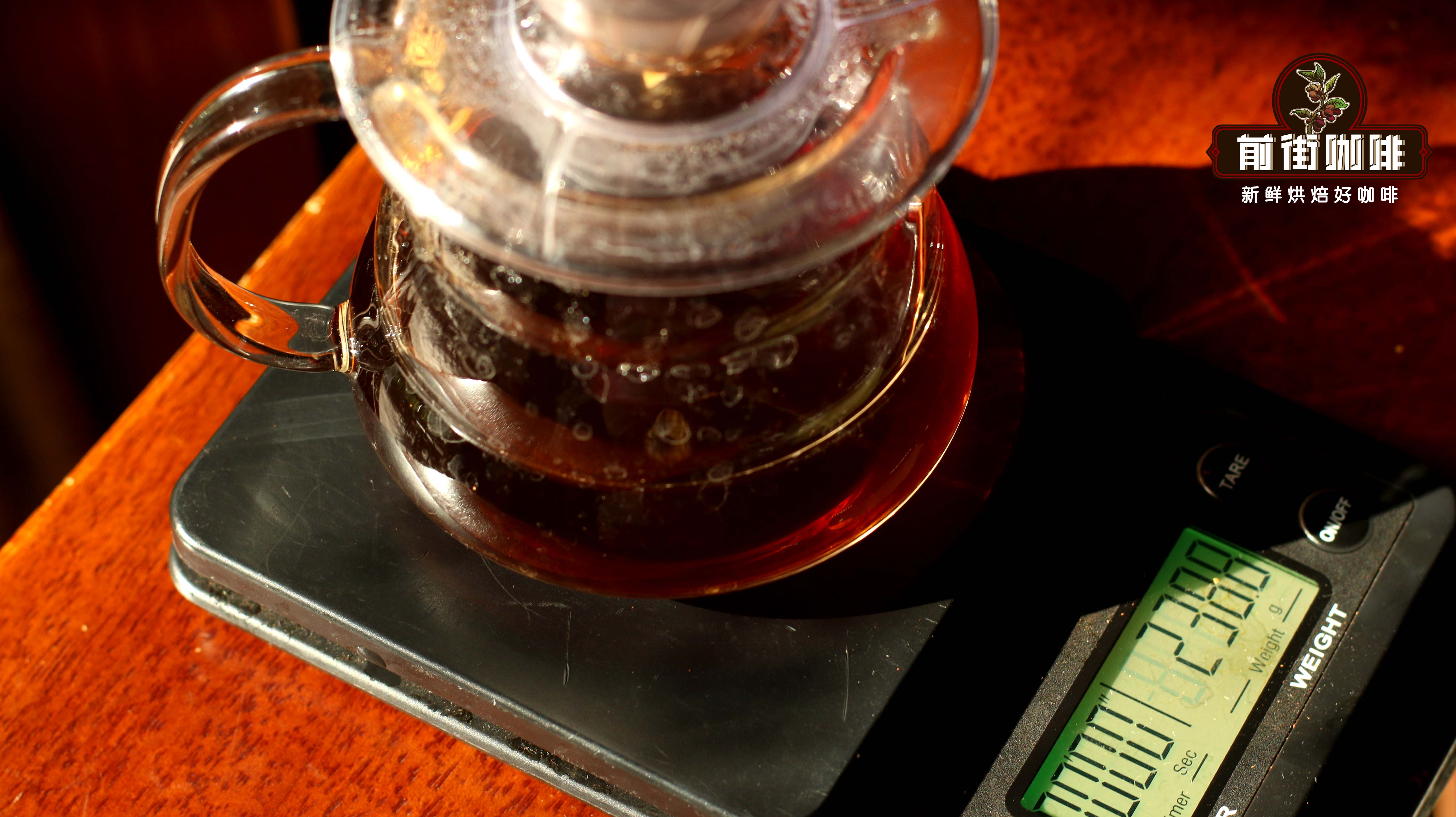
5. Thermometer and scale: Used to control water temperature and precisely calculate brew ratio.
6. Sieve: Checks if grind size is appropriate; it’s recommended to aim for 80% of grounds passing through a #20 sieve.
7. Server: Useful for observing extraction when sharing with others; for single servings, coffee can be directly dripped into a cup.
Practical Steps for Pour Over Brewing
Successful brewing requires mastering four key elements: water temperature, grind size, brew ratio, and brewing technique.
• Water temperature: Light to medium roasts suggest 90–91°C; medium to dark roasts suggest 85–87°C; different temperatures affect flavor expression.
• Grind size: A benchmark is 80% of grounds passing through a #20 sieve; too fine risks over-extraction, too coarse leads to under-extraction.
• Brew ratio: Common ratios are 1:10 to 1:16; 1:15 is recommended for balancing richness and clarity.
Three-Stage Pouring Technique Tutorial: A Key Skill to Elevate Flavor Layers
For beginners, the three-stage pour is the easiest method to master and highlights flavor layers.
Stage 1: Blooming (Releasing CO₂)
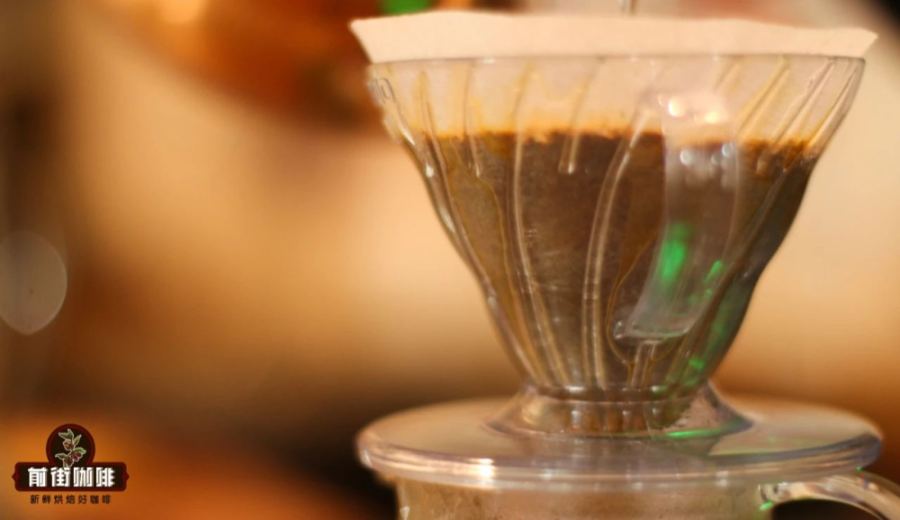
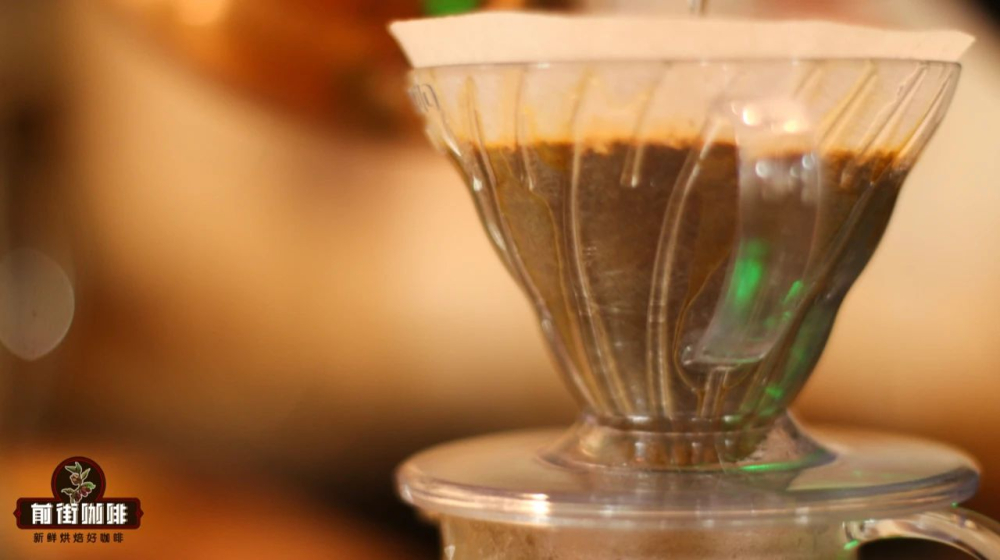
Coffee beans accumulate significant CO₂ during roasting, especially freshly roasted ones. Blooming involves gently pouring water equal to twice the coffee grounds weight for about 30 seconds, helping the grounds absorb water evenly and laying a solid foundation for subsequent extraction. Avoid letting too much liquid flow out directly to maintain even extraction.
Stage 2: Center-Focused Small Pour
Starting from the center of the cone, slowly pour a small stream in a circular motion, about the size of a one-yuan coin. Avoid too high or large streams to prevent over-extraction.
Stage 3: Continuous Pouring and Agitation
When the water level drops to the middle of the cone, pour again in a circular motion from the center. Slightly increase water volume to promote agitation of coffee particles, releasing more soluble flavor compounds. Control the rhythm to avoid excessive channeling that could cause off-flavors in the final sip.
The Science of Pour Over: Wetting, Dissolution, and Diffusion
The essence of pour over is extracting flavor compounds from coffee cells, which occurs in three stages:
1. Wetting: Hot water contacts coffee grounds, releasing CO₂ and causing the grounds to expand. Pause briefly before continuing to pour.
2. Dissolution: Acidic, aromatic, sweet, and bitter molecules from coffee cells sequentially dissolve into the water, shaping the final flavor profile.
3. Diffusion: Dissolved substances spread into the water through osmosis, forming the coffee liquid we taste.
The above content is compiled by CoffeeHunters, a coffee news website.


