







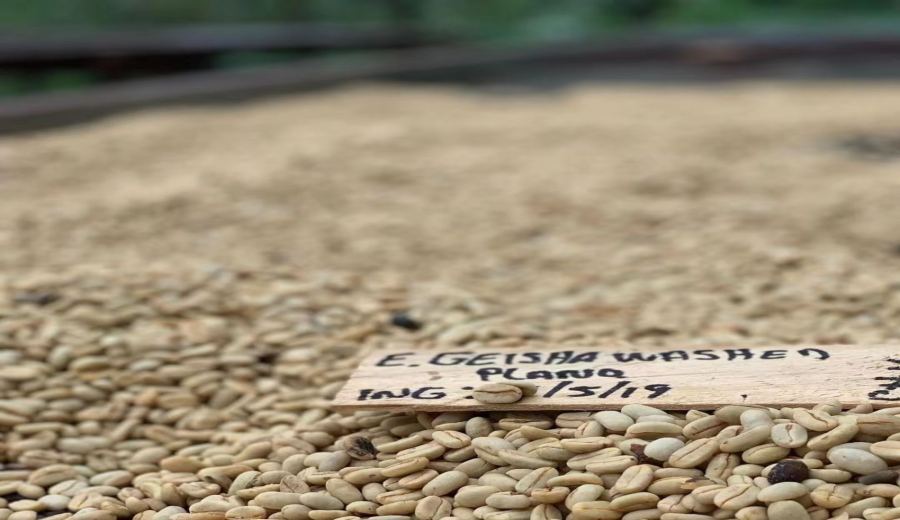
Introduction:Want to understand how Panama’s Geisha from Hacienda Esmeralda evolved from an Ethiopian wild variety into one of the world’s top coffees? This article delves into the regional differences, processing methods, and flavor profiles of the three main grades — Red Label, Green Label, and Blue Label — and provides expert pour over recommendations to help you better appreciate the layers and charm of this legendary coffee.
Have you ever wondered about the journey a uniquely flavored cup of coffee takes from farm to cup? Panama’s Hacienda Esmeralda Geisha coffee stands out in the specialty coffee world with its distinctive floral aromas and bright acidity. But did you know it originally comes from a wild variety in Ethiopia? This article will detail how Geisha traveled from the Kaffa forests to the world stage, and how Hacienda Esmeralda categorized it into Red Label, Green Label, and Blue Label — each with distinct growing altitudes, processing techniques, and flavor expressions.
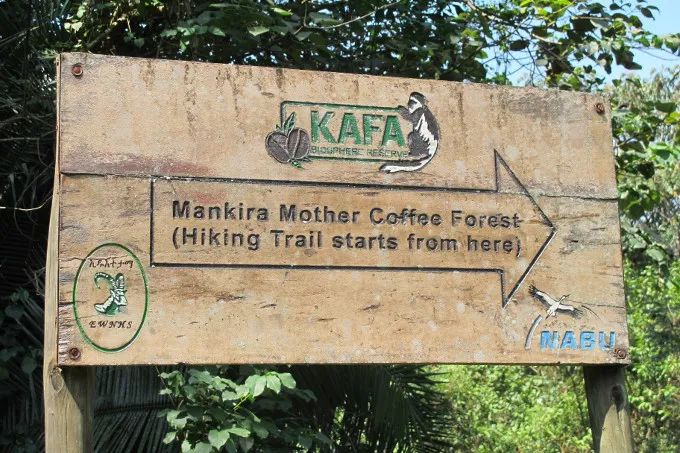
The journey of Geisha began in 1931, when researchers discovered this variety in Ethiopia’s Kaffa Forest. It was named after nearby Mount Gesha. These seeds were later sent to Kenya, Uganda, and Tanzania for trial planting, and in 1953 they were introduced to CATIE research center in Costa Rica under the code T2722. However, due to its fragile branches and low yield, it remained overlooked for a long time. It wasn’t until the 1960s, when T2722 was brought to Panama, that it started to take root. In the 1990s, Daniel Peterson, founder of Hacienda Esmeralda, noticed that Geisha had a certain resistance to coffee leaf rust after taking over the Jaramillo farm, leading him to gradually expand its cultivation at higher altitudes, thus laying the foundation for its premium quality.
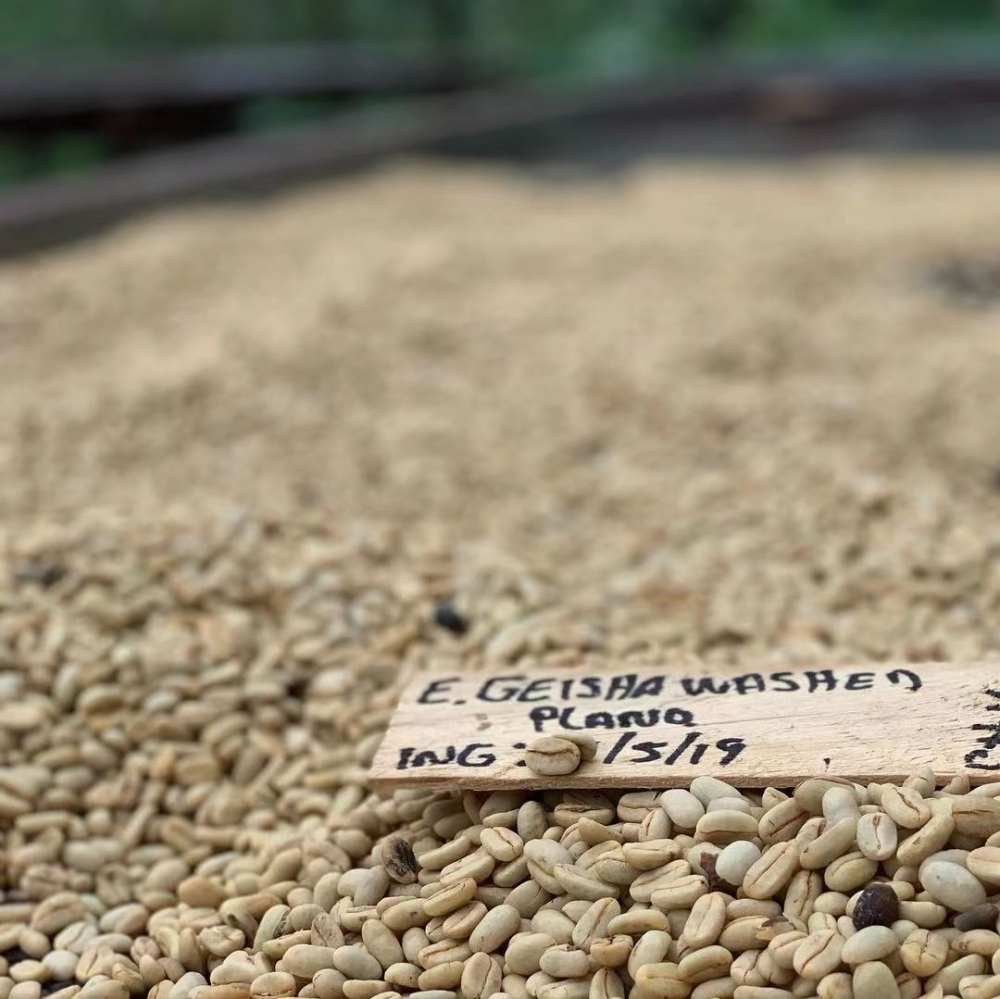
In 2003, Hacienda Esmeralda first cupped Geisha and was amazed by its intense floral aromas and clean profile. It then participated in the Best of Panama competition in 2004 under the official name “Geisha,” gaining international fame. Today, Hacienda Esmeralda classifies Geisha into three grades — Red Label, Green Label, and Blue Label — based on growing altitude, cupping scores, and processing methods, with each grade offering unique flavor characteristics.
Red Label GeishaRepresenting the flagship offerings of renowned farms, Red Label Geisha is grown at elevations between 1600 and 1800 meters, primarily from the high-altitude Jaramillo and Canas Verdes farms. Its cupping scores often exceed 90 points. These beans are only available through annual global auctions and are processed using either natural or washed methods. The flavors are dominated by white floral notes and citrus tones, complemented by layers of tropical fruits and berries, with a long-lasting finish. One shop’s natural Red Label lot even showcases intense tropical fruit aromas. The natural processing method involves: harvesting ripe cherries and placing them directly on patios to dry, turning them evenly daily, sun-drying on concrete patios for 3 to 5 days (8 hours per day), followed by 72 hours of rotation in a dryer, and finally removing the pulp to ensure concentrated and clean flavors.
Green Label GeishaAlso grown at altitudes of 1600 to 1800 meters, Green Label consists of micro-lots blended from the Jaramillo and Quiel farms. Though not auction-grade, its flavors remain outstanding, featuring clear floral and fruity notes along with vibrant citrus acidity and a juicy body. This grade is available in both washed and natural processes — one shop uses a washed Green Label, which presents a cleaner, more refreshing fruitiness with balanced sweetness and acidity. The selection criteria for Green Label Geisha are equally strict, picking only optimally ripe coffee cherries to ensure flavor consistency.
Blue Label Geisha(Also known as Volcanic Rock Geisha or Las Rocas), Blue Label is grown at 1400 to 1500 meters and is a blend from the Jaramillo, Canas Verdes, and El Velo farms. Its flavor profile includes subtle floral notes and a distinct fermentation character, with a sweet berry-like juice sensation. While sweeter, its overall cleanliness and brightness are slightly less pronounced compared to Red and Green Labels. Between 2019 and 2022, this block of Geisha was managed by an external brand, leading to the launch of the “Las Rocas” series. Though a mid-tier grade, Blue Label still embodies the core traits of the Geisha variety and suits those who prefer more pronounced fruitiness.
In addition, the farm also cultivates other varieties such as Catuai and has launched brands like Diamond Mountain and Pamela. For example, one shop obtained Diamond Mountain beans processed naturally, offering citrus, berry, and cocoa notes — showcasing the farm’s diverse approach to variety and processing. The farm’s precision farming system, combined with Panama’s complex microclimates, results in Geisha beans that are full-bodied yet lightweight, with soft acidity and a well-balanced flavor profile.
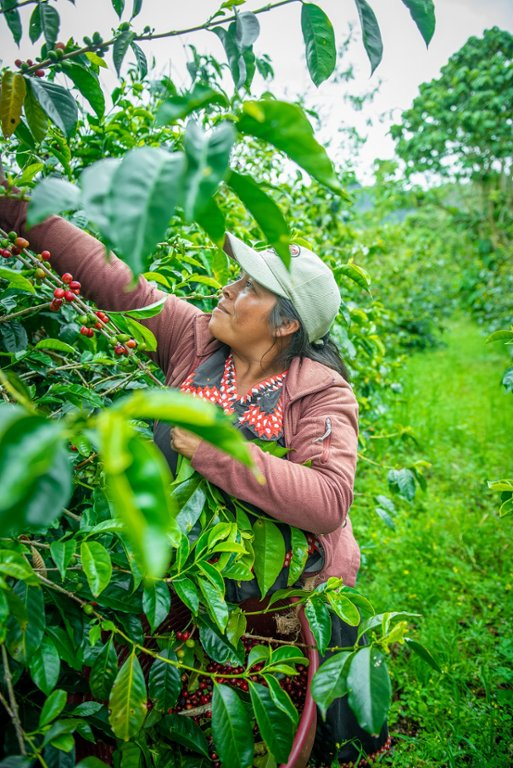
For tasting, one shop recommends a light roast to highlight Geisha’s bright floral notes and complex fruit acidity. Light roast beans have a lower solubility rate, so a higher water temperature and finer grind are advised. Use a Hario V60 filter, water temperature at 91°C, 15g coffee, a 1:15 coffee-to-water ratio, and an EK43s grind setting of 10 (80% passing through a No. 20 Chinese standard sieve). Employ a three-stage extraction: first, blooming 30g of water for 30 seconds; second, pouring in a slow circular motion up to 125g for the first pour; third, pouring up to 225g and stopping, with total extraction time around 2 minutes. These parameters help fully express Geisha’s delicate flavors.
In actual tasting, Red Label Geisha reveals rose floral notes along with rich juice-like flavors of berries and apricots, with clear layers and prominent sweetness; Green Label highlights jasmine floral tones with a higher sweetness level, leaving a persistent finish of citrus and florals; Blue Label has subtler floral aromas, a gentler mouthfeel, with honey-like sweetness in the mid-palate, and a mellow finish reminiscent of oolong tea and brown sugar. By understanding the differences among the grades, you’ll be able to select the Geisha coffee that best matches your taste and enjoy the endless charm of Panama’s top-tier coffee.
The above content is compiled by CoffeeHunters, a coffee news website.


