







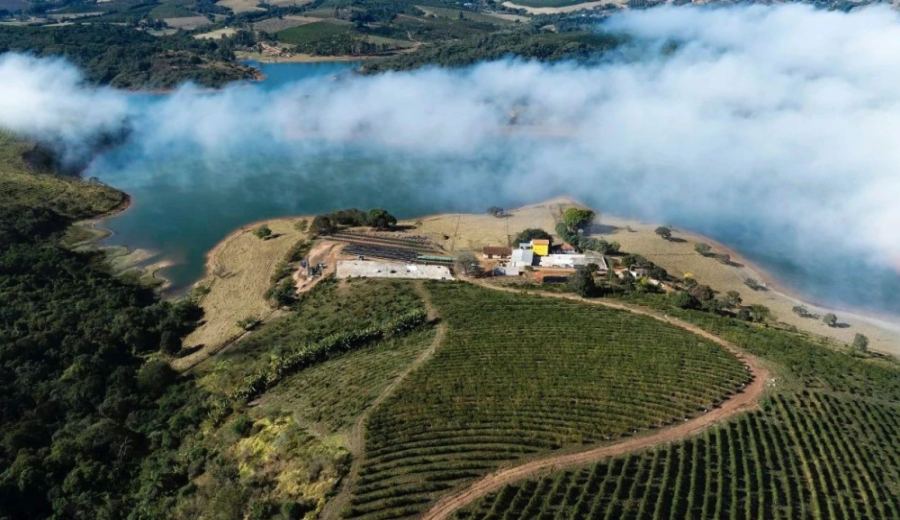
Introduction:An in-depth analysis of the regional characteristics, varietal genetics, NY grading system, and honey processing method of Brazilian Red Bourbon coffee beans, along with professional recommendations on espresso blend ratios and flavor profiles. From the high-altitude environment of Minas Gerais to roasting applications, gain a comprehensive understanding of the core traits and practical techniques of this classic commercial bean.
As the world’s top coffee producer, Brazil is renowned for its full-bodied, low-acidity beans with dominant notes of nuts and cocoa, especially appealing to those who prefer less pronounced acidity. Among these, the Red Bourbon variety from Minas Gerais stands out with its stable growing conditions and unique processing methods, making it a backbone ingredient in espresso blends. This article systematically breaks down Brazil’s geographic advantages, the evolutionary history of the Red Bourbon variety, the technical details of honey processing, and includes professional-grade blending formulas and roasting advice.
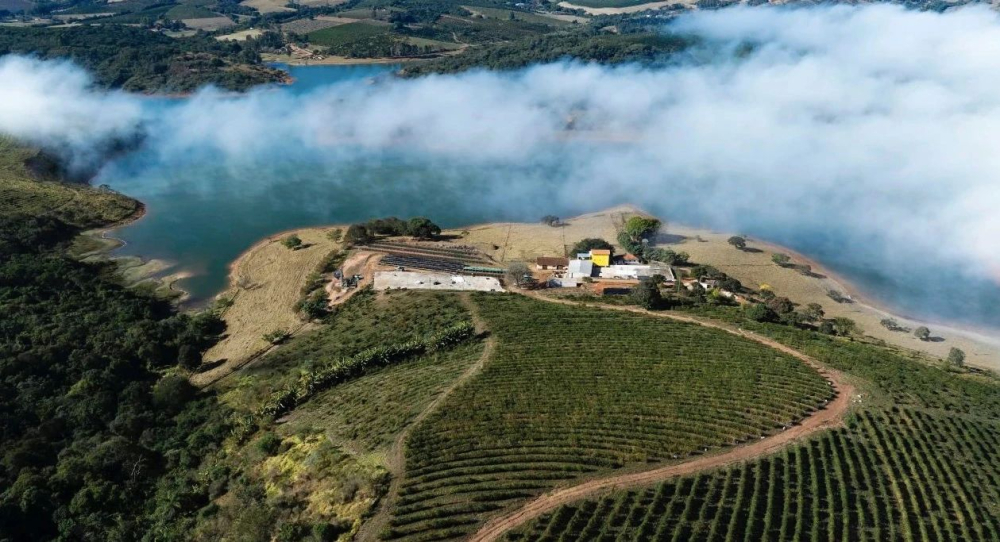
Brazil spans the eastern part of South America, with over two-thirds of its territory located in the tropical savanna climate zone. The average annual temperature remains stable between 20–25°C, coupled with abundant sunshine and distinct dry and wet seasons, creating a natural environment ideal for coffee cultivation. As a core producing region, Minas Gerais encompasses two major high-altitude zones: Cerrado and Sul de Minas. The former features flat plateaus at elevations of 750–1200 meters, while the latter is characterized by hilly terrain ranging from 700–1200 meters. Notably, since the 1999 Cup of Excellence competition in Brazil, the Sul de Minas region has consistently ranked first nationwide in the number of farms shortlisted.
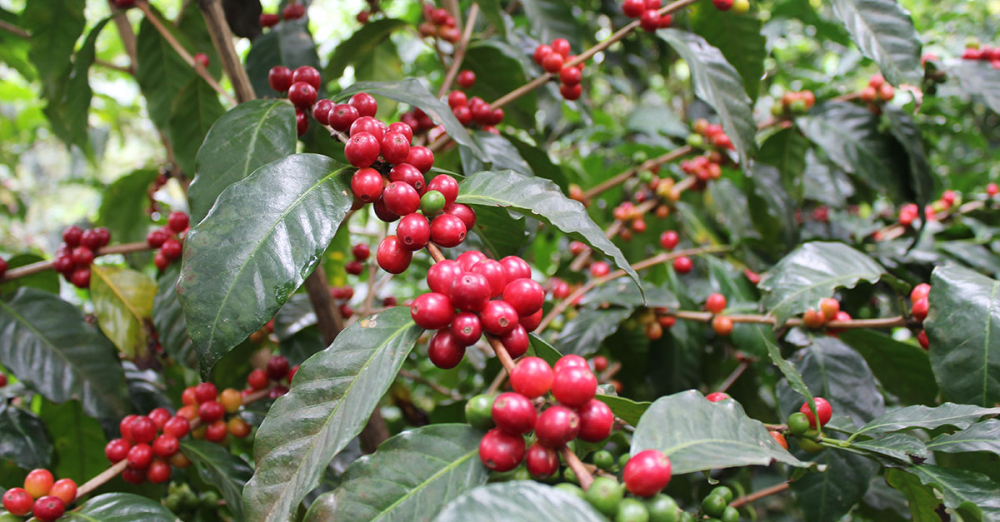
The term “Red Bourbon” does not refer to an independent variety but rather to the common phenotypic expression of the Bourbon variety (Bourbon) when its ripe fruits display a vibrant red color. This Arabica branch, originating from Réunion Island (formerly known as Bourbon Island), stands alongside Typica as one of the oldest cultivated lineages. Its fruit color transitions sequentially with ripeness: green → yellow → orange → bright red → dark red. Red Bourbon grown at high altitudes often exhibits richer aromatic layers, with some batches even showcasing berry-like notes reminiscent of red wine. However, due to Brazil’s low latitude and predominant medium-to-low altitude cultivation, the focus is primarily on enhancing body and sweetness.
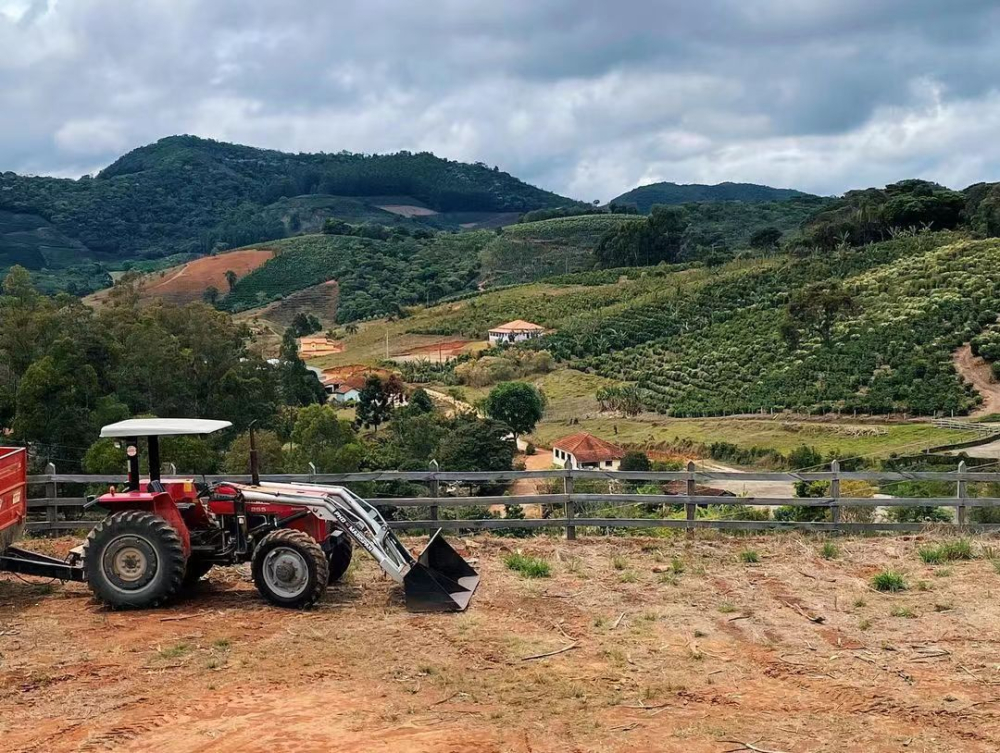
The evolution of Brazilian processing methods reflects the industry’s pragmatism. Faced with the production demands of the world’s largest coffee output, traditional washed processing is difficult to scale due to its high water consumption, and early rough sun-drying often led to inconsistent quality. The introduction of Pulped Natural (semi-washed) technology in the 1990s marked a key turning point—first removing the sticky fruit flesh via a depulper, retaining some mucilage for short-term fermentation, then drying mechanically or on patios. This method reduces impurity risks by over 30% compared to traditional sun-drying and saves approximately 40% in water usage, laying the foundation for Brazil’s beans’ balanced sweetness and cleanliness. It’s important to note that Brazil’s official grading system does not recognize a so-called “Grade 1” at all; its NY standard strictly defines NY.2 as the highest grade, with evaluation criteria including bean size (17+ mesh), defect rate (fewer than 4 Class 1 defects per 300g), and cupping performance.
In professional roasting applications, Brazilian beans often play the role of a “harmonizer.” Classic espresso blend formulas based on them include: (1) Specialty-oriented blend—30% Colombian beans + 70% Brazilian beans, roasted to a medium-dark level, yielding soft mild acidity, nutty aftertaste, and medium body, suitable for crafting well-balanced espressos; (2) Commercial-oriented blend—30% Colombian, 60% Brazilian, and 10% Robusta, leveraging Robusta’s high oil content to enhance crema, with final flavors of caramel sweetness, dominant dark chocolate, and long-lasting finish. In practice, a medium-dark roast range (Agtron 45–55) effectively suppresses potential woody off-notes in Brazilian beans while highlighting their signature toasted grain and buttery texture.
Extended application tips: When working with Pulped Natural Brazilian beans, allow a minimum resting period of 48 hours to stabilize fermentation-related residual aromas; adjust grind size based on brewing equipment—fine grind (e.g., EK43s set to 3.5–4) for espresso machines, medium-coarse (e.g., 18–20 mesh sieve passing rate) for pour over. Beginners are advised to start with Minas Gerais-produced beans featuring pronounced sweetness and low astringency, avoiding over-roasting that may lead to smoky defects.
The above content is compiled by CoffeeHunters, a coffee news website.


