







Introduction:Want to understand the difference between Mandheling and Blue Mountain coffee? These two classic coffees represent the pinnacle of flavors from Indonesia and Jamaica—one rich and bold, the other fresh and sweet. This article delves into their growing environments, processing methods, green bean appearances, as well as the practical performance and flavor profiles of pour over brewing, helping you choose the specialty coffee beans that best suit your taste.
Mandheling and Blue Mountain are often considered two of the greatest classics in the coffee world, but their flavor profiles are distinctly different. The former is represented by Golden Mandheling from Sumatra, known for its rich, bold character with prominent spicy notes; the latter originates from the Blue Mountains of Jamaica, famed for its bright balance and outstanding sweetness. This article will systematically break down the essential differences between these two top-tier coffees, from origin and processing method, to green bean appearance and pour over flavor.
[Geographical Environment and Regional Background]
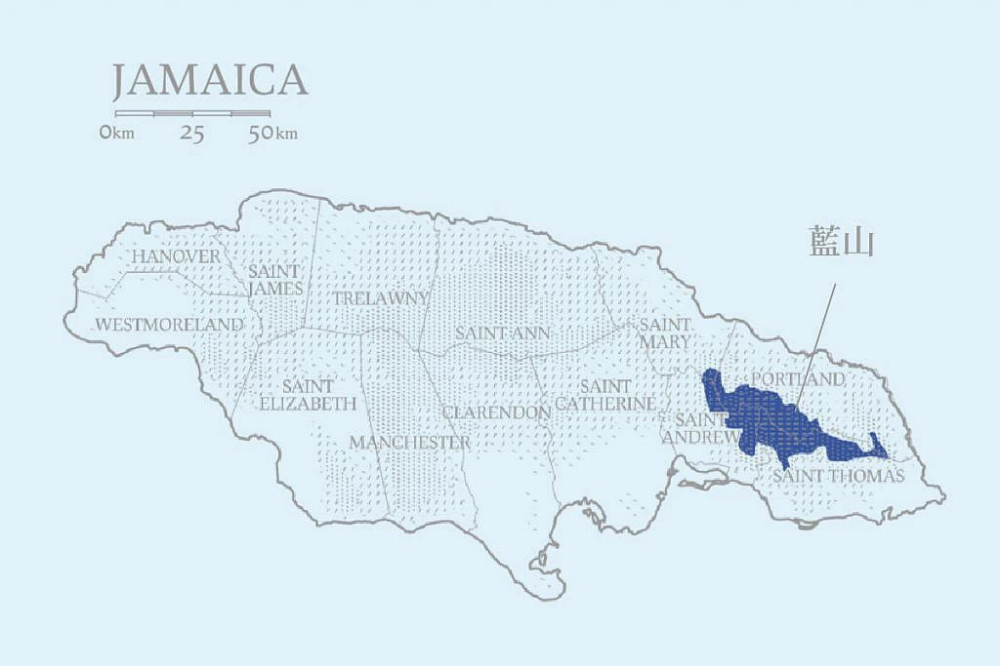
The production area of Jamaican Blue Mountain coffee is located on the island of Jamaica in the Caribbean. The island’s famous Blue Mountains have a main peak that reaches an elevation of 2,400 meters, making it the highest point in the entire Caribbean region. The area enjoys a cool climate, fresh air, and fertile soil formed from recent volcanic activity. With evenly distributed rainfall throughout the year, significant day-night temperature variations, and constant cloud cover that reduces direct sunlight, these conditions provide an ideal environment for coffee tree growth. The extended cloud coverage slows the ripening process of coffee cherries, aiding in the accumulation of flavor compounds and contributing to the delicate and layered characteristics of Blue Mountain coffee.

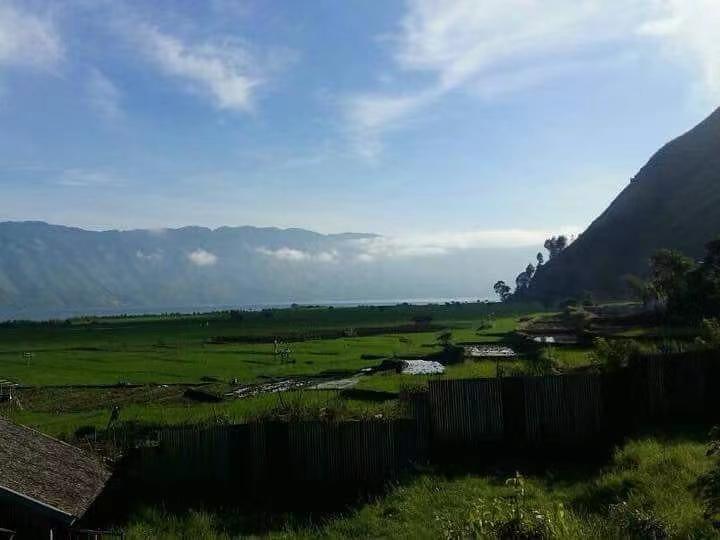
In contrast, Indonesia’s Golden Mandheling comes from the island of Sumatra, which lies within the equatorial rainy tropical climate zone. Indonesia is the world’s third-largest coffee producer, but its main variety is Robusta, while Arabica is primarily grown in Java, Sulawesi, and Sumatra. Among these, Sumatran Mandheling coffee is renowned for its full body, low acidity, and distinctive spicy and earthy notes. Within this, ‘Golden Mandheling’ is the crème de la crème of the region—belonging to the highest grade of Arabica beans with an extremely low defect rate, typically selecting only whole beans larger than 19 screen size.
[Key Differences in Processing Methods]
Blue Mountain coffee is processed using the traditional washed method. This method demands a strict environment, requiring a stable and clean water supply. After harvesting, the coffee cherries are first floated to remove unripe or overripe ones, then the pulp and fruit flesh are removed via washing. This is followed by a fermentation process of about 12 to 18 hours to remove the mucilage layer. Finally, the beans are thoroughly rinsed with clean water to ensure a smooth surface free of residue. This processing method preserves the coffee’s acidity and aroma while delivering a clean and clear mouthfeel.
Golden Mandheling, on the other hand, uses Indonesia’s unique “wet hulling” method (also called Giling Basah). This process is characterized by removing the parchment layer while the coffee beans still have a relatively high moisture content (around 20–24%), followed by initial mechanical hulling and drying. Since this is done in a semi-dry state, the beans are more susceptible to compression, often resulting in the formation of what is commonly known as “elephant ear” or “horse hoof” beans. These are not defects but rather a natural outcome of this processing technique. Wet hulling gives Mandheling its bold, full-bodied character with distinctive earthy and spicy notes.
[Key Points for Identifying Green Bean Appearance]
Blue Mountain coffee uses the Typica variety, and its No. 1 grade green beans are typically 17 screen size and above, with a moisture content of about 13%. They appear uniform, plump, and have a bluish-green hue, with an extremely low defect rate. These green beans have a premium visual appeal, consistent in size, making them easier to sort.
Golden Mandheling also uses the Typica variety, but its green beans must be 19 screen size and above, with a darker green color. The beans mostly appear as flat beans. Due to the wet hulling process being carried out in a semi-dry state, the beans are more fragile and prone to small indentations during hulling, resulting in so-called elephant ear beans. Additionally, the green beans often exhibit a deep green tone, which is a typical characteristic of this bean variety and processing method.
[Cupping Flavor Comparison]
In cupping, Blue Mountain coffee demonstrates an exceptionally high level of balance. Its acidity is delicate and bright, and the mouthfeel is silky smooth. The aroma carries subtle floral, spicy, and citrus notes, with a gentle cocoa aftertaste upon tasting. Its flavor profile is clean, complex, and mild, with no pronounced bitterness, outstanding sweetness, and a lingering finish of fruit and chocolate. The dry fragrance often includes notes of roasted peanuts, hazelnuts, and melon, while the wet aroma combines layers of oolong tea, caramel, and honey.
Golden Mandheling, on the other hand, exhibits a distinctly different flavor personality. Its cupping performance is rich and bold, immediately delivering prominent notes of nuts, chocolate, and spices, along with unique herbal and earthy undertones. The sweetness concentrates at the caramel and dark brown sugar levels, with a long-lasting finish and warm, sweet aftertaste. Though not as bright as Blue Mountain, its intensity and layered complexity make it highly favored by coffee lovers who prefer a full-bodied taste.
[Pour Over Recommendations and Actual Brewing Parameters]
For pour over brewing, it is recommended to use a KONO filter, with 15 grams of coffee, a water temperature of around 88°C, a coffee-to-water ratio of 1:15, and a grind size comparable to EK43s setting 11 (medium-coarse leaning medium). For the brewing steps, start with a 30-second bloom using 30 grams of water, then pour up to 125 grams for the first pour and pause, using a small stream with vertical circular pouring. The second pour continues to 225 grams to complete the extraction.
Brewing Blue Mountain coffee with these parameters highlights its gentle and delicate balance of acidity and sweetness, with distinct chocolate and fruit aftertastes. The mouthfeel is smooth and layered. Golden Mandheling, on the other hand, showcases a bold main profile of spices, nuts, and caramel, with a full-bodied entry, long-lasting finish, and warm sweetness—ideal for those who enjoy rich flavors.
In summary, Blue Mountain and Mandheling each represent two extremes of flavor expression in the coffee world: one bright and delicate, perfect for those seeking balance and aroma; the other bold and full-bodied, satisfying coffee enthusiasts who love depth and spice. By understanding their regional backgrounds, processing methods, and pour over characteristics, you’ll be better equipped to select the specialty coffee bean that best matches your personal taste.
The above content is compiled by CoffeeHunters, a coffee news website.


