








Introduction:Did you know? Costa Rica is actually the birthplace of Geisha, not Panama. This article delves into the Mirassou Estate Strawberry Candy Geisha Blend from the Tarrazú region of Costa Rica. Composed of Geisha and three unique varieties, this blend undergoes raisin honey processing to deliver distinctive strawberry taffy and raisin sweetness. We also break down the variety background, processing details, and V60 pour over parameters to help you better appreciate the charm of this special blend.
When it comes to Geisha, many people’s first thought is Panama, but the origin of this variety can actually be traced back to Costa Rica. As early as 1953, Geisha was introduced to Costa Rica, and it wasn’t until 1963 that Don Pachi Serracin brought it to Panama. Although Panama brought Geisha to the world stage through Hacienda Esmeralda, Costa Rica’s Geisha is equally worthy of in-depth exploration—especially when it is artfully blended with other varieties, showcasing a rich and layered flavor profile.

The industry’s “Mirassou Estate Strawberry Candy Geisha Blend” is a prime example. These beans come from the Tarrazú region of Costa Rica at an altitude of 1700 meters, and are a balanced blend of four varieties: Geisha, ET47, SL28, and MAICO, processed using raisin honey method. In cupping, this coffee exhibits pronounced jasmine floral notes, intense raisin sweetness, and a delightful strawberry taffy flavor—a specialty blend with a distinct personality.
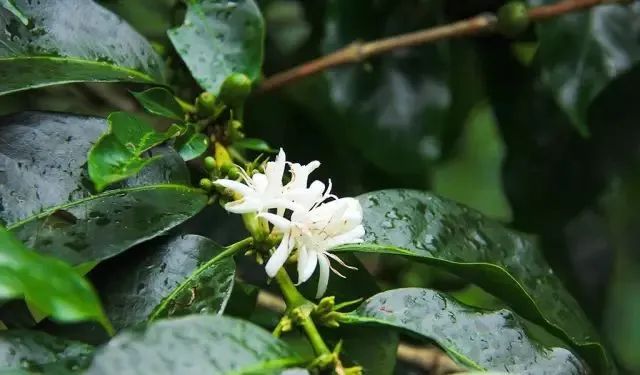
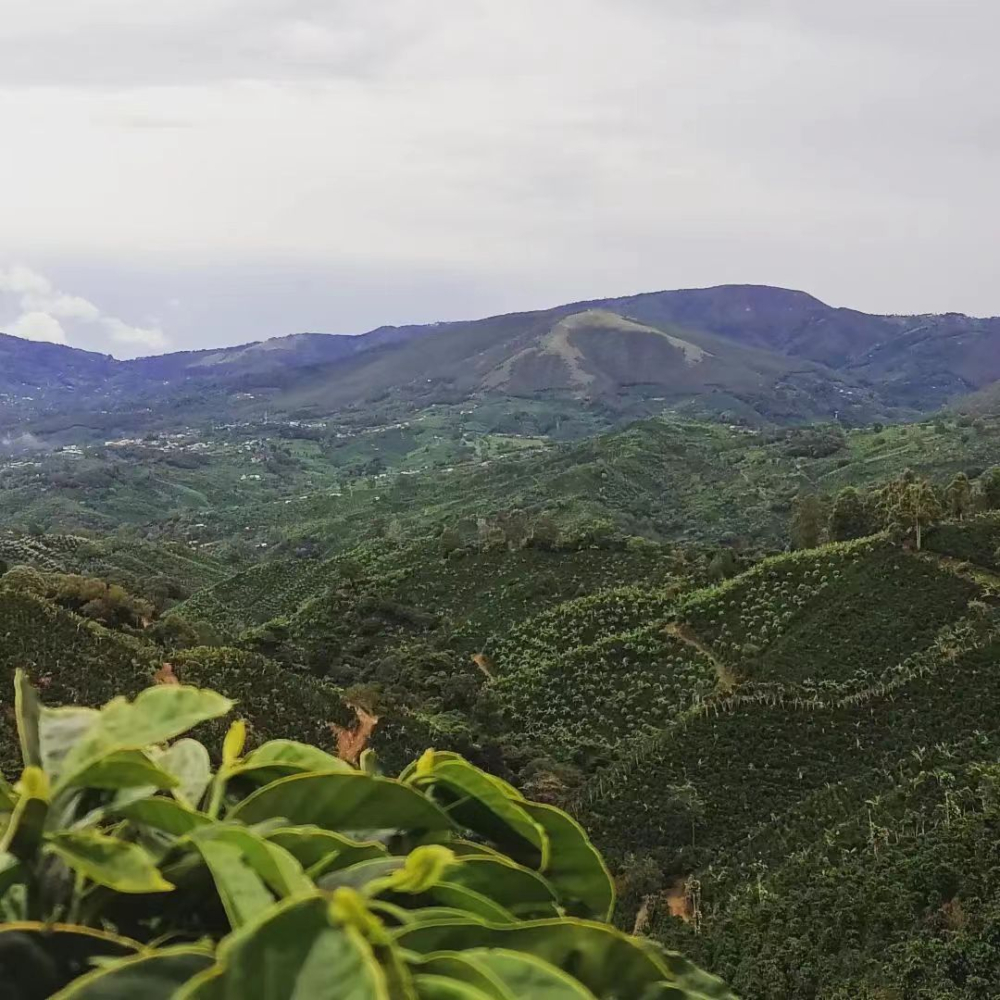
The Tarrazú region is located in central Costa Rica, boasting fertile volcanic soil, abundant rainfall, and a moderately high altitude, along with surrounding dense forests that provide excellent shade—creating optimal conditions for growing specialty coffee. Although the region has multiple estates, subtle differences in microclimate, soil, and varieties mean that each farm’s coffee has its own unique character, which is one reason to keep exploring different beans from the area.
The Mirassou Estate is managed by Esteban Sanches, who graduated from the Coffee Department of the University of Costa Rica with a solid professional background and a passion for coffee science experiments. He not only introduced Ethiopian native varieties such as ET47, but also built his own small wet processing equipment, dedicated to improving processing quality and flavor expression. This Strawberry Candy Geisha Blend is the best showcase of his experimental spirit.
This blend consists of four varieties: Geisha, ET47, SL28, and MAICO, with Geisha making up half, and the other three varieties each accounting for 25%. Geisha is widely known, originating from the Gesha Forest in Ethiopia, where it was discovered in the 1930s and later recorded by CATIE as T2722. However, due to its fragile branches, it was not highly regarded in the early days. Its floral aroma and unique fragrance, however, made it shine brightly in cupping competitions in Panama later on.
ET47 is one of the leaf rust-resistant varieties introduced by the Costa Rica Coffee Research Institute in the 1990s, named after its laboratory code. This variety is known for its round mouthfeel, clear fruit sweetness, and elegant acidity, making it a popular subject for experimentation among many specialty coffee farms. SL28 is a historically significant variety belonging to the Bourbon genetic group, celebrated for its outstanding sweetness and bright citrus notes, commonly found in East African producing regions like Kenya. MAICO, while lacking publicly detailed information, contributes additional berry-like layers to the blend.
In terms of processing, the Mirassou Estate uses the “raisin honey process,” which retains 100% of the mucilage without water washing. This method demands extremely precise control over drying. First, the coffee cherries are carefully selected, then placed on raised beds to dry for at least three days before the pulp is removed. Notably, the estate owner’s self-made depulper is capable of handling different bean varieties simultaneously, improving processing efficiency and consistency.
After the pulp is removed, the intact mucilage layer is sun-dried, during which the beans are frequently and evenly turned to ensure stable fermentation without over-fermentation. This processing method imparts a richer sweetness and fermented aroma to the coffee, often delivering fruity jam-like sweetness and a velvety mouthfeel in cupping.
For pour over enthusiasts, the industry also provides detailed V60 brewing recommendations: use a V60 #01 filter cone, 15 grams of coffee, a 1:15 coffee-to-water ratio, with water temperature controlled at around 90°C. The grind size is recommended to be medium-fine, approximately 80% extraction through a standard Chinese No. 20 sieve. The specific method involves wetting the filter paper and preheating the equipment, followed by a 30-second bloom with 30 grams of water. Then, pour water in small circles until reaching 125 grams for the first pour, wait for the water level to drop, and continue pouring to 225 grams to finish. Total brew time is about 2 minutes and 1 second.
The brewed coffee delivers pronounced jasmine floral aromas. On the palate, it first presents intense raisin sweetness, followed by a soft strawberry taffy note. The overall mouthfeel is smooth and creamy, reminiscent of nuts and butter—making it a specialty blend that is perfect for slow, mindful sipping.
The above content is compiled by CoffeeHunters, a coffee news website.


