







Introduction:Venezuelan coffee once declined due to the booming oil industry, but it is now gradually reclaiming its coffee glory. This article delves into the altitude conditions, main cultivated varieties, and harvest seasons of the country’s four core producing regions, while analyzing its unique flavor profile of “low acidity and gentle body.” By examining the historical background and regional characteristics, it helps readers fully understand the past and present of Venezuelan coffee.
The story of Venezuelan coffee began in 1730, when a Christian friar named José Gumilla introduced coffee seeds to this land. This country, known for tobacco and cacao, initially relied on slave labor for cultivation until coffee farming truly began to scale up in 1793.
Throughout the mid-18th century, coffee cultivation spread across the nation, but with the discovery of oil resources and a shift in economic focus, the coffee industry gradually became marginalized. Especially during the Great Depression in the United States from 1929 to 1938, although coffee export prices soared due to the depreciation of the U.S. dollar, the military government still chose to focus on oil extraction, causing a large number of farmers to move to cities in search of oil-related jobs, severely hindering agricultural development.
Fortunately, in recent decades, there have been signs of recovery in Venezuelan coffee cultivation. With Typica and Bourbon as the main varieties, the country has gradually rebuilt its export foundation. Currently, most coffee beans are first shipped to Russia and Colombia for repackaging, though some emerging small and medium-sized farms choose to export directly. Among them, Táchira in the southwestern part of the country is regarded as the highest-quality coffee-producing region, yet the name “Táchira” is often used generically for all Venezuelan coffee, which instead blurs its unique regional characteristics.
Western Region
Coffee from this region is mostly exported with continental regional names, such as Táchira, Mérida, or Zulia, and consumers sometimes draw comparisons to Colombian coffee.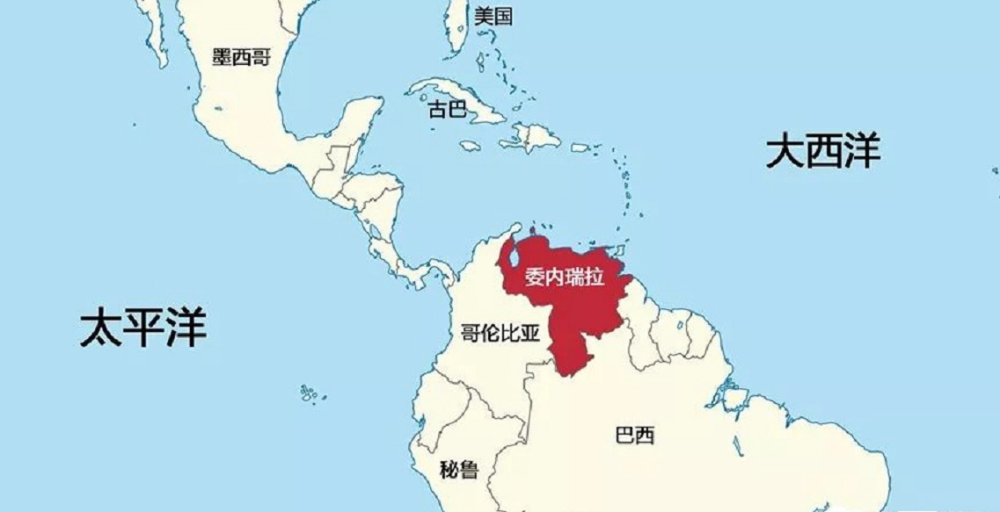 The altitude ranges between 1000 and 1200 meters, with the main harvest season from September each year to March of the following year. Cultivated varieties include Typica, Bourbon, Mondongo Novo, and Caturra.
West-Central Region
Covering the states of Portuguesa and Lara, as well as parts of Falcón and Yaracuy, this is one of Venezuela’s most promising premium coffee-producing areas. The coffee produced here is often regarded as being on par with Colombian quality and is benchmarked by the export port name Maracaibos. The altitude is also 1000 to 1200 meters, with the harvest period similarly concentrated from September to March of the following year, and the variety mix is similar to that of the western region.
Central-Northern Region
Including states such as Aragua, Carabobo, Miranda, and Cojedes, as well as federal territories, although production is not high, it still retains a traditional coffee-growing culture. The altitude and harvest season are consistent with other major producing regions, and the varieties also include Typica, Bourbon, Mondongo Novo, and Caturra.
Eastern Region
Spread across states such as Sucre, Monagas, Anzoátegui, and Bolívar, with occasional appearances of a unique coffee variety called “Caracas.” The altitude and harvest time remain at 1000 to 1200 meters and from September to March of the following year, with variety choices largely similar to other regions.
Overall, Venezuelan coffee is known for its comfortable and mild taste, with acidity significantly lower than that of many other producing regions’ coffees, creating a uniquely distinctive flavor profile. It is very suitable for drinkers who do not prefer high acidity or strong stimulation. Such coffee is not only ideal for single-origin appreciation but can also serve as a harmonizing element in blends, showcasing diverse application possibilities.
The above content is compiled by CoffeeHunters, a coffee news website.


