








Introduction:Want to dive deeper into the allure of coffee from Ethiopia’s Gesha Village? This article starts with the origins of the Gesha variety, thoroughly analyzes the terroir characteristics and flavor profiles of its three main varieties and eight unique micro-regions, and explains the grading systems such as auction, Gold Label, and Red Label. Whether you’re a coffee enthusiast or industry professional, you’ll gain key insights on selecting premium Gesha.
When discussing Gesha coffee, most people think of the high-priced auction lots from Panama. But what’s lesser known is that this legendary variety’s genetic roots actually lie deep in Ethiopia’s Gesha forest. Let’s follow the historical trail to explore how Gesha journeyed from Ethiopia’s wild forests to the heart of the global specialty coffee stage — the Gesha Village Estate in the Bench Maji region.

Many customers initially confuse the Ethiopian and Panamanian versions of Gesha. In fact, Panamanian Gesha rose to fame after winning the Best of Panama competition in 2004, but its variety originates from a wild coffee plant discovered in Ethiopia’s Gesha forest in 1931. After more than half a century of migration and evolution, these coffee trees were rediscovered in the Gori forest of the Bench Maji region, giving rise to today’s Gesha Village Estate.
The spread of the Gesha variety is like a miniature history of coffee: sampled in Ethiopia’s Gesha forest in 1931, sent to the Kenya Coffee Research Institute in 1932, spread to Tanzania and Uganda in 1936, arrived in Colombia in 1953, and didn’t reach Panama until the 1960s. Interestingly, early Ethiopian records once rated its flavor as “poor,” yet today Panamanian Gesha is world-renowned for its floral, fruity, and citrus notes.
[Ethiopia Coffee Gene Bank] As the recognized birthplace of coffee, the country’s nine major regions each have their own distinct characteristics: from the jasmine-like aroma of Yirgacheffe to the blueberry notes of Sidamo. The Bench Maji region (also known as the Bebeka region) is home to the Gesha Village Estate. This southern state area spanning 23,442 square kilometers borders Sudan to the west and the South Omo Zone to the southeast, fostering a unique microclimate.
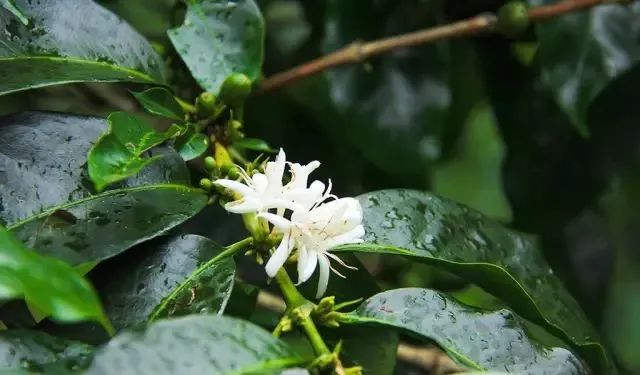
The birth of Gesha Village Estate came about by chance during a documentary shoot. In 2007, director Adam Overton and his photographer wife Rachel Samuel were commissioned by the Ethiopian government to document the coffee industry, but while visiting the Gori forest in Bench Maji, they discovered a group of wild coffee trees believed to be the original Gesha variety. With guidance from coffee expert Willem Boot, the couple confirmed in 2011 the genetic connection between these trees and Panamanian Gesha. They subsequently purchased 471 hectares of land to establish the estate, with 320 hectares dedicated to planting coffee trees at altitudes of 1900–2069 meters, using an intensive planting density of 7,000 plants per hectare and growing them in reddish-brown loamy soil.
The estate includes eight farms, each with unique flavor profiles due to microclimate differences: Bangi Farm (54 hectares) at an altitude of 1911–2001 meters features notes of honeysuckle, dark chocolate, and berries; a 28.7-hectare plot near the gold mining town of Dimma produces bright citrus acidity and stone fruit aromas; Gaylee Farm (34.8 hectares), adjacent to the Yetgordon River, showcases complex flavors of almond, hibiscus, and jasmine. Others, such as Oma Farm’s honey sweetness, Surma Farm’s strawberry notes, and even Shaya Farm’s red apple sweetness, all reflect the profound influence of altitude and soil on flavor.
Gesha Village grows three core varieties, each with distinct traits: Gori Gesha (GG) directly originates from the genetic diversity of the Gori forest; Gesha 1931 (G31) is highly similar to Panamanian Gesha through morphological selection; Illubabor Forest 1974 (IF) is a disease-resistant variety discovered in the Ilubabor forest in 1974. These three varieties form the foundational flavor profile of the estate’s products.
The grading system is central to Gesha Village’s quality control:Auction Lots(Making up only 3.7% of annual production) are available only through global auctions. In 2018, cupping scores ranged from 88.15–92.67, further divided into Champion Selection and Estate Selection;Gold Label Lots(Around 10%) — take for example batch 059 from Oma Farm — are complex and suitable for competitions;Red Label Lots(15%) guarantee a cupping score of at least 88, offering great value;Green Label Lotsprovide full traceability for single-farm and single-variety offerings;Chaka Lotsblend coffees from various producing areas throughout the year, including both washed and natural processing methods.
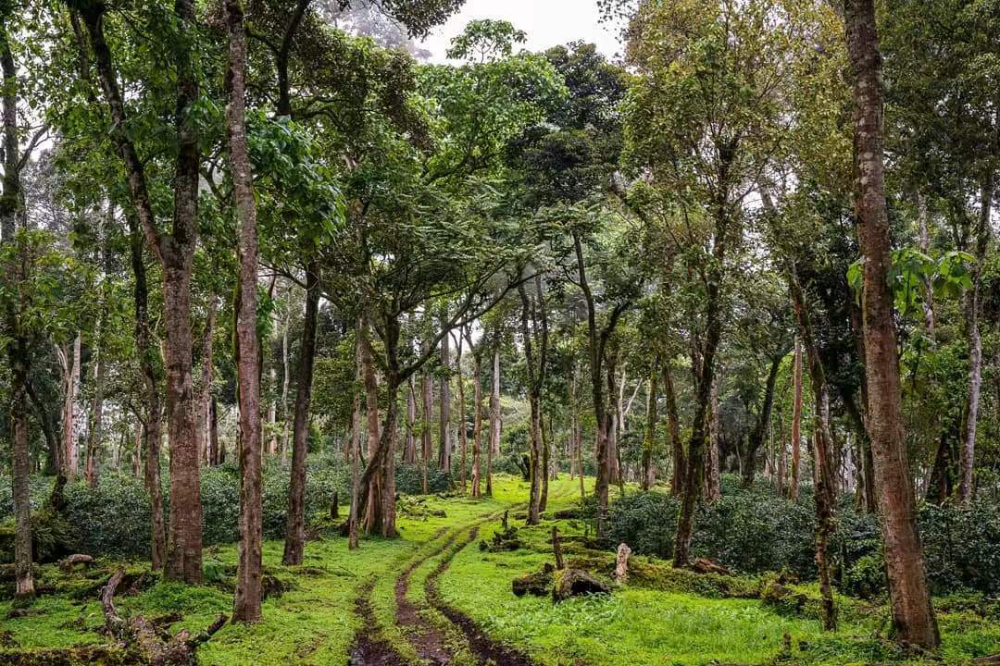
For pour over enthusiasts, it is recommended to use 15 grams of coffee, a 1:15 coffee-to-water ratio, and water at 90°C, with a grind size passing 80% through a 0.85 mm sieve. Specific steps: bloom with 30 grams of water for 30 seconds → pour in stages to 125 grams (about 1 minute) → continue pouring to 225 grams (1 minute 30 seconds), with total extraction time of 2 minutes. This parameter effectively highlights the signature floral and citrus layered notes of the Gesha variety.
The above content is compiled by CoffeeHunters, a coffee news website.


