







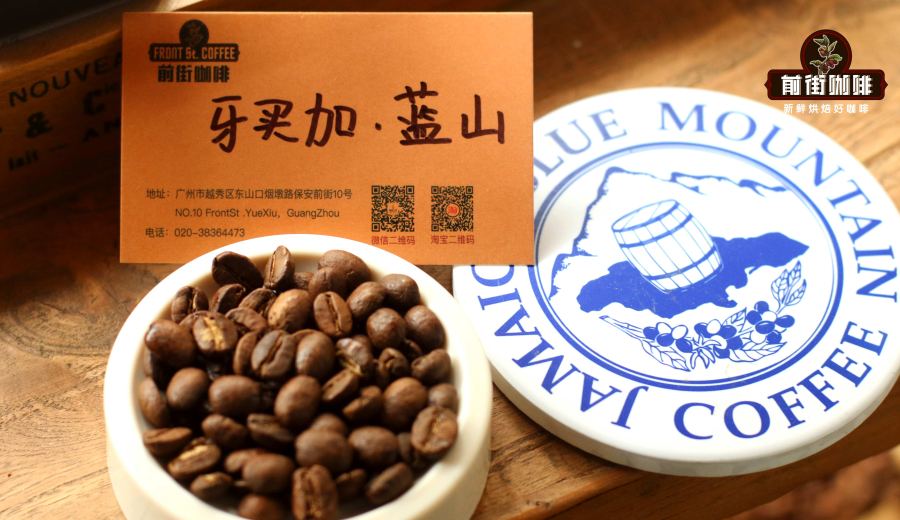
Introduction:Jamaica Blue Mountain coffee is renowned worldwide for its unique geographical environment and exquisite processing techniques, making it one of the representatives of the world’s top-tier coffees. This article will delve into the origin background, flavor profile, authenticity certification standards, and common counterfeiting methods of Blue Mountain coffee, helping coffee enthusiasts gain a comprehensive understanding of this legendary bean variety and master practical tips for selection and tasting.
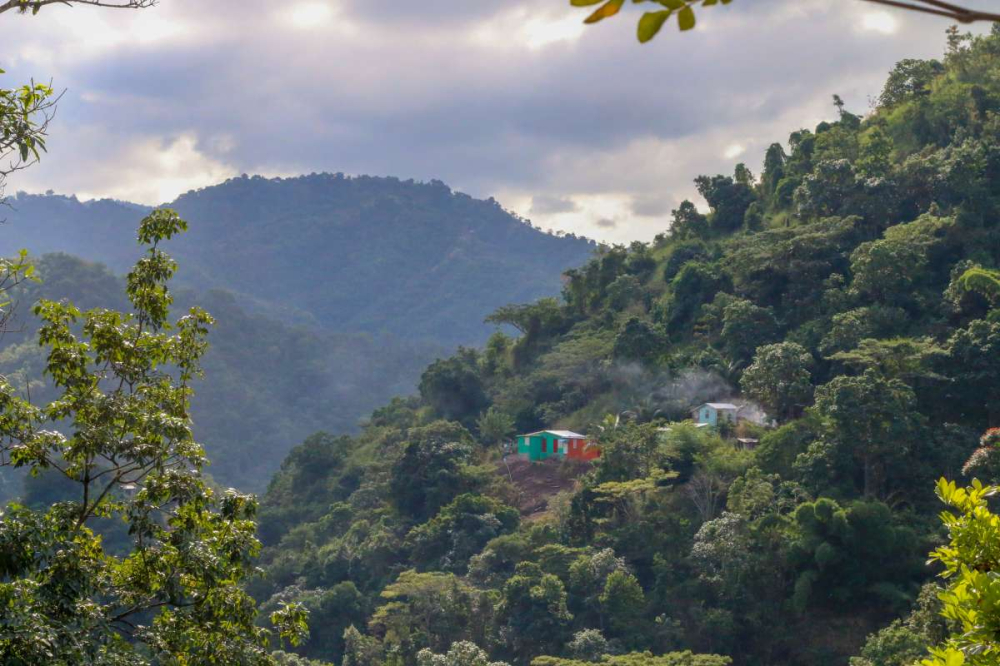
Jamaica Blue Mountain coffee is grown in the high-altitude regions of the Blue Mountains in eastern Jamaica, earning its name from the azure-blue halo reflected by the surrounding sea. Although this area shares the same lineage as Jamaica High Mountain coffee, there are significant differences in quality and price. The towering Blue Mountain range, with its highest peak reaching 2,256 meters, along with the region’s unique volcanic soil, high humidity, and frequent rainfall, creates an ideal microclimate for coffee cultivation. The Typica variety was introduced here in the 18th century, and early washed processing methods were adopted, resulting in a classic flavor that balances sweet, sour, and bitter notes with rich complexity. Currently, Blue Mountain coffee is mainly exported to Japan, Europe, the United States, and China. Its production is scarce, and its price is second only to civet coffee, making it one of the world’s universally recognized premium coffees.
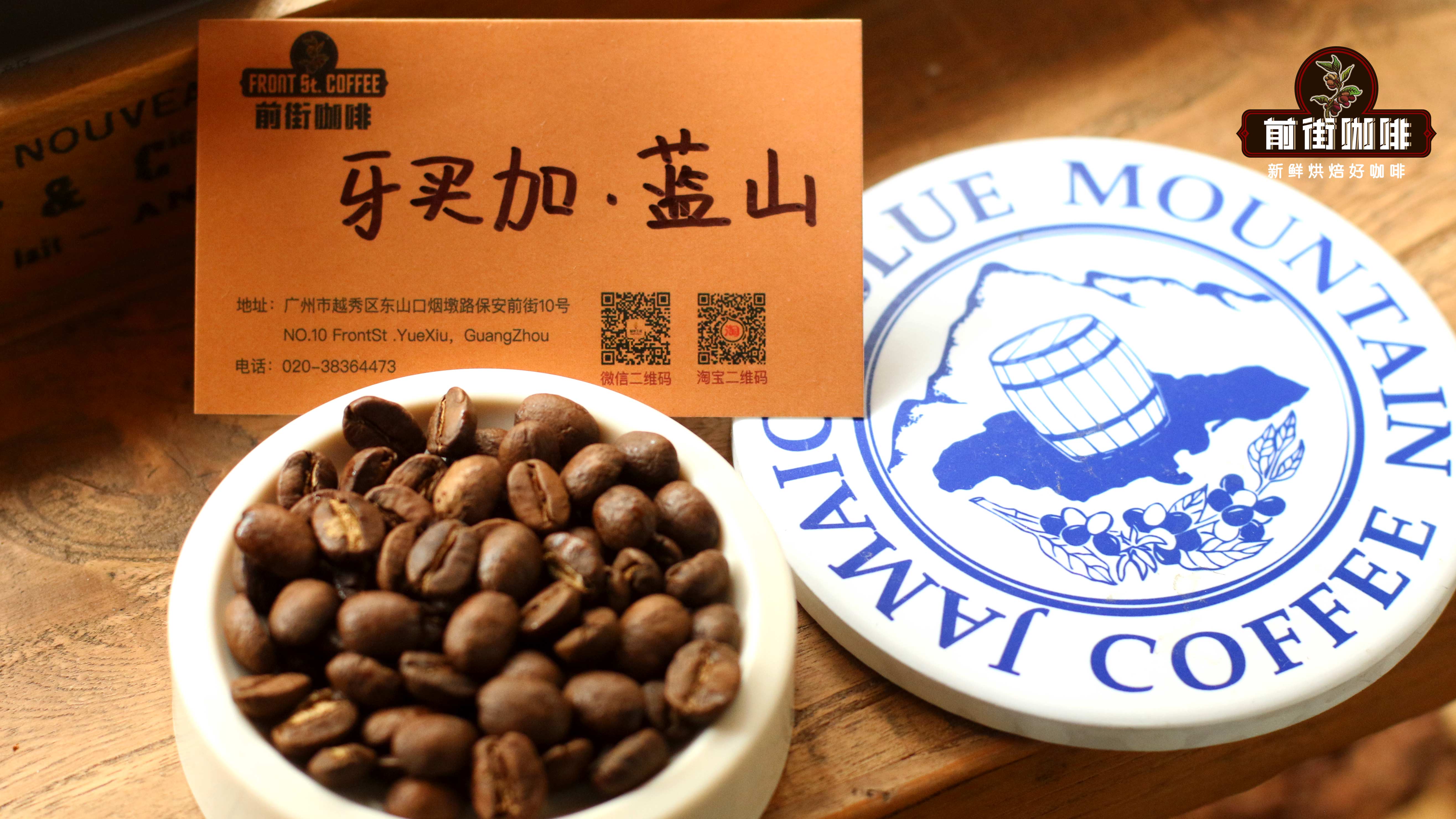
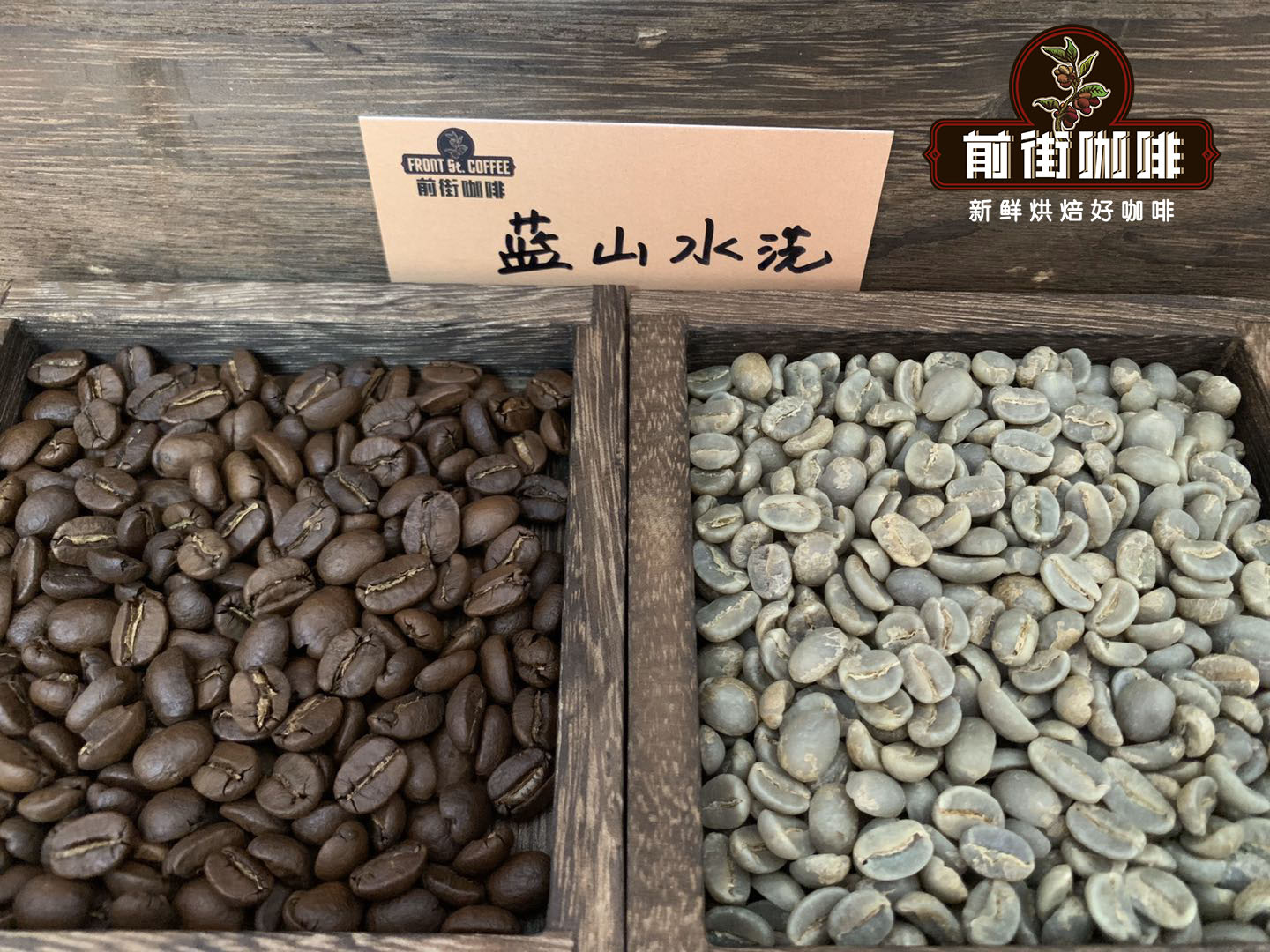
Blue Mountain coffee is categorized into different grades based on altitude and quality, with the most common being Blue Mountain No.1 and No.2. Among these, Blue Mountain No.1 is the highest grade, featuring intact, plump beans of uniform size, making it highly suitable for both light and dark roasts. For example, washed Blue Mountain beans exhibit consistent color after roasting and often emit aromas of toasted bread and almonds. Upon tasting, the flavor is rich and well-balanced, with a bright yet non-abrasive acidity, pronounced sweetness, and a gentle, restrained bitterness, delivering an exceptionally smooth overall profile. These flavor characteristics are closely tied to the coffee industry revitalization plan promoted by the Jamaican government since the 1950s, during which the Coffee Industry Board (CIB) was established to set strict quality control standards, ensuring exported products maintain consistently high standards.
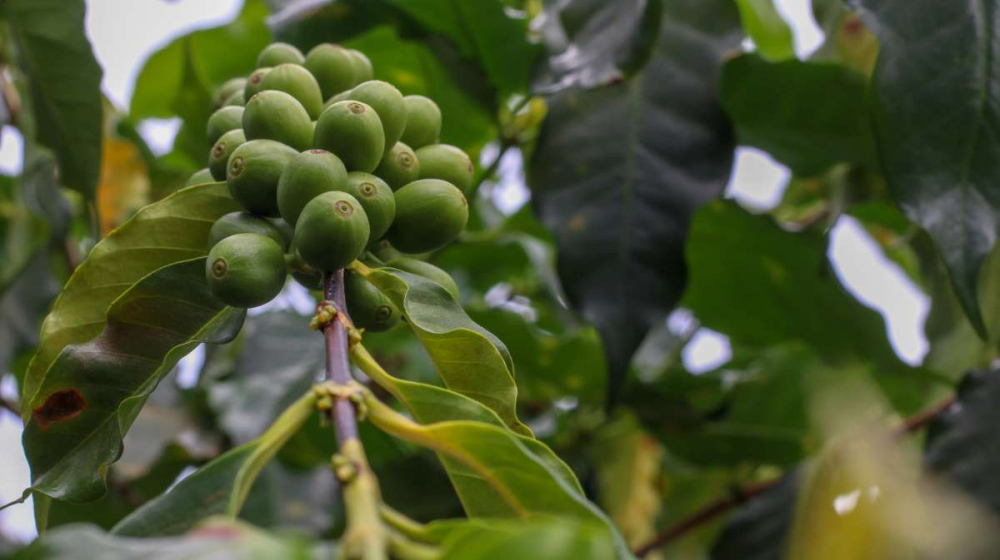
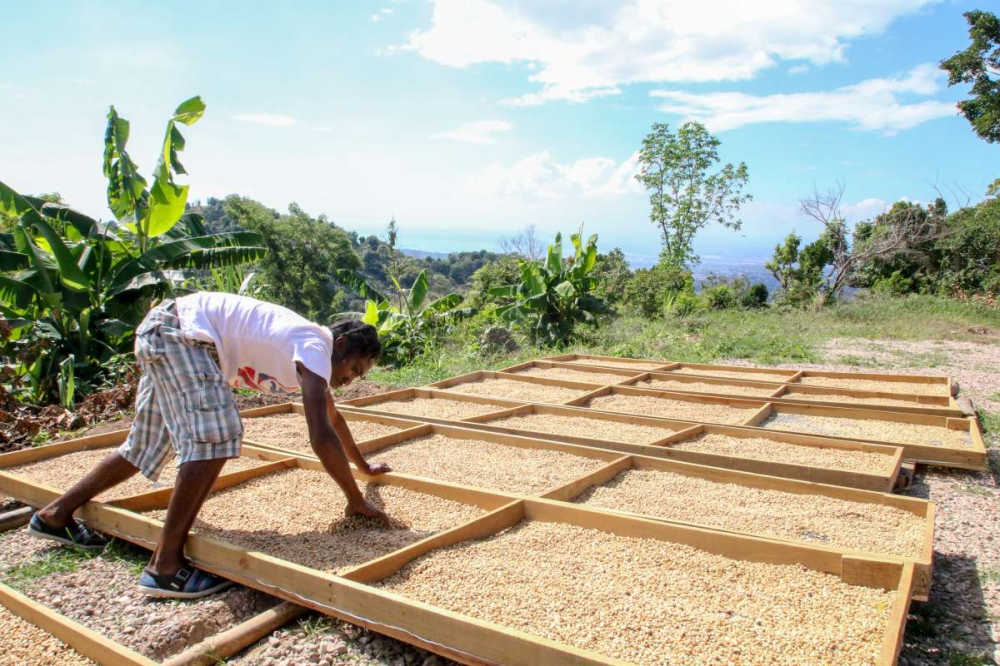
The uniqueness of Jamaica Blue Mountain coffee is directly related to its growing environment. The Blue Mountain range lies in a seismically active zone, with soil formed from ancient volcanic activity that is rich in minerals and well-drained. Coupled with year-round cloud cover, an average annual rainfall of up to 1,980 mm, and a stable temperature of around 27°C, the area offers ideal conditions for coffee tree growth. Notably, Jamaica’s island geography has kept it relatively isolated over the long term, allowing it to escape the global coffee leaf rust epidemic in the 19th century and preserving its original Typica variety to this day. Additionally, Jamaica is one of the pioneers of washed processing—a method that more effectively highlights the cleanliness and delicate flavors of coffee, and serves as a key foundation for the exceptional quality of Blue Mountain coffee.
Blue Mountain coffee has always been in high demand globally, with the Japanese market historically accounting for the largest share. As far back as 1992, Jamaica exported 688 tons to Japan, compared to just 75 tons to the United States and 59 tons to the United Kingdom, leading to the saying that “90% of Blue Mountain beans flow into Japan.” This situation was linked to long-term investments by Japanese companies such as UCC in Jamaica’s coffee industry, granting them priority purchasing rights. However, with the bursting of Japan’s economic bubble and shifts in the global economy, Japan’s procurement proportion has declined to below 60%, while emerging markets like China have gradually gained direct import channels, allowing more coffee enthusiasts to savor this legendary coffee.
Precisely because of Blue Mountain coffee’s fame, various counterfeit products have emerged in the market, and consumers need to be especially cautious when purchasing. Common fake Blue Mountains generally fall into two categories: one type is marketed under names like “Blue Mountain flavor” or “Blue Mountain blend,” but are actually made from Brazilian, Colombian, or Indonesian beans; the other type is outright counterfeit, using non-Blue Mountain region beans disguised as such. According to the regulations of the Jamaica Coffee Industry Board (CIB), only coffee grown at altitudes above 910 meters (approximately 3,000 feet) and produced by the four officially certified legal estates can be called “Jamaica Blue Mountain coffee.” Therefore, it is recommended to carefully verify the origin and relevant certifications when purchasing.
To identify genuine Blue Mountain coffee, you can focus on the following three key points: First, authentic Blue Mountain coffee is exported exclusively through export companies designated by the Jamaica National Coffee Board, and not all international channels have official authorization. Second, Blue Mountain coffee is the only region in the world that still uses wooden barrels to ship green beans—a tradition dating back to British colonial packaging methods, which helps preserve the coffee’s aroma and quality. Lastly, every legally exported batch of Blue Mountain coffee must be accompanied by a quality certificate issued by the Jamaica Coffee Board, an authorized sales certificate from the producer, and a certificate of origin. By verifying these documents and packaging details, the risk of purchasing counterfeit products can be effectively reduced.
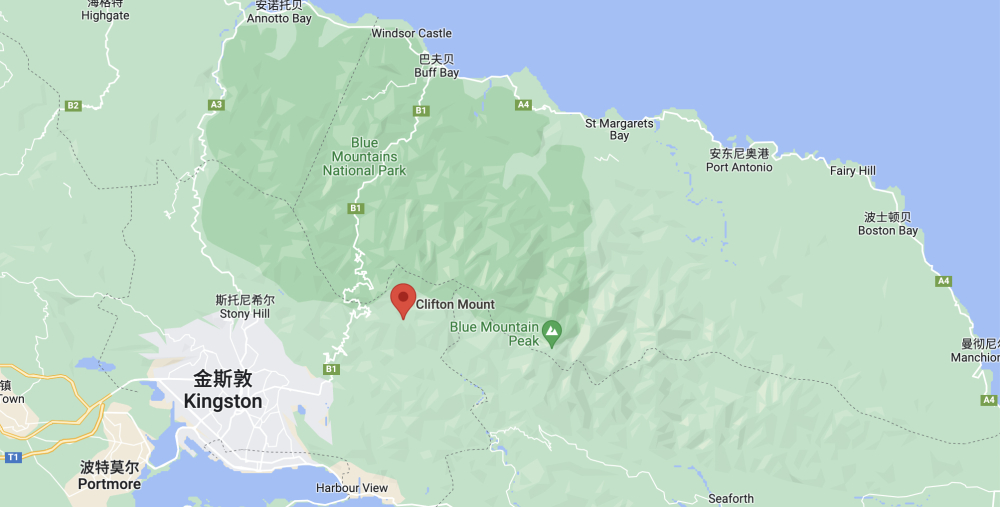
Taking the commonly available authentic Blue Mountain No.1 as an example, most of the Blue Mountain beans imported into China come from well-known producing areas such as the Clifton Estate and Silver Hill Estate, with the Clifton Estate being one of the oldest coffee estates in Jamaica. This estate not only holds the “(RFA) Rainforest Alliance Certification,” but is also the only Blue Mountain-producing area to receive this sustainable agriculture certification. Its wooden barrels clearly display the certification mark, signifying that its cultivation and processing meet strict environmental and social responsibility standards. In addition, the Jamaica Coffee Board (CIB) strictly regulates the processing procedures of Blue Mountain coffee, allowing only the four legal estates—Wallenford, Jablum, Silver Hill, and Moy Hall—to carry out centralized processing. Each package of Blue Mountain coffee will indicate the specific processing estate name, which consumers should pay attention to when making their selection.
In terms of pricing, due to its rarity and high quality, Blue Mountain coffee commands a relatively high price. Taking commonly available brands as an example, the price of Jamaica Blue Mountain No.1 roasted beans is about 158 yuan per 100 grams. While higher than that of regular specialty coffee, it remains within a reasonable range compared to other top-tier estates like Geisha. If choosing to enjoy it at a café, a cup of Blue Mountain pour over coffee typically costs around 60 yuan. For coffee enthusiasts pursuing ultimate flavor, Blue Mountain coffee is undoubtedly a classic worth trying. With the right purchasing and identification methods, one can savor the pure taste from the peaks of the Caribbean.
The above content is compiled by CoffeeHunters, a coffee news website.


