








Introduction:Cold brew coffee, with its smooth and refreshing taste and low acidity and bitterness, has become a popular choice for coffee drinks in summer. This article delves into the history, extraction principles, and flavor characteristics of cold brew, analyzes its differences from hot brewed coffee, and provides detailed home brewing steps and parameter suggestions. It also recommends several types of coffee beans that are well-suited for cold brew, helping you easily brew your own personalized cold brew coffee at home.
On a hot summer day, a cup of smooth and refreshing cold brew coffee can always bring a good start to your day. Whether you're new to coffee or a coffee enthusiast, understanding the history, flavor characteristics of cold brew, and how to easily make it at home can deepen your appreciation for it. This article not only introduces the origin and evolution of cold brew, but also explains in detail its extraction principles, flavor profile, and storage advice. It will guide you step by step — from selecting beans, grinding, to brewing — to create your own unique cold brew coffee. It also recommends several high-quality coffee beans that are ideal for cold brew flavors for your reference.
The Origin and Historical Evolution of Cold Brew Coffee
When it comes to cold brew coffee, many people may become interested after seeing the uniquely shaped ice drip brewer. However, although both cold brew coffee and ice drip coffee (Ice Drip Coffee) belong to low-temperature extraction methods, they are two different brewing techniques. Cold brew involves mixing ground coffee with room temperature or cold water, then letting it sit in a cool environment for several hours before filtering out the coffee liquid. In contrast, ice drip involves slowly dripping ice water through a bed of coffee grounds, extracting the coffee drop by drop. Both methods emphasize low temperature and time, which can significantly reduce the acidity and bitterness of coffee while preserving more delicate flavors.
The history of cold brew can be traced back to seventeenth-century Europe. At that time, Dutch sailors, wanting to enjoy coffee during long sea voyages, tried soaking coffee grounds in cold water. They unexpectedly discovered that this method not only reduced bitterness but also made the coffee easier to store and carry, hence the name "Dutch coffee." With the development of maritime trade, this immersion extraction method spread to Japan, where it evolved further during the Edo period into the slow-dripping ice drip extraction technique, also giving rise to the intricate designs of ice drip brewers.

Unique Flavor Characteristics of Cold Brew Coffee
The oils and compounds in coffee beans are released to varying degrees at different temperatures. Generally speaking, the darker the roast, the richer the oils and the more intense and bold the flavors tend to be; lighter roasts, on the other hand, showcase more floral, fruity notes, and bright acidity. Compared to traditional hot water high-temperature extraction, cold brew uses low-temperature slow extraction, which effectively suppresses the release of tannins and impurities, resulting in significantly reduced acidity and bitterness, and a smoother, more layered mouthfeel.
In addition, cold brew can faithfully reflect the processing method and roast level of the coffee beans. Since the low-temperature environment reduces the extraction of undesirable flavors, well-processed beans often exhibit more prominent delicate qualities such as fruitiness, floral notes, and fermented wine-like aromas in cold brew. However, because small-molecule volatile substances are prone to loss, subtle floral notes in cold brew may gradually weaken over time in the refrigerator. It is recommended to consume the coffee within five daysafter brewing and store it in an airtight container to maintain optimal flavor.
Simple Steps to Make Cold Brew at Home
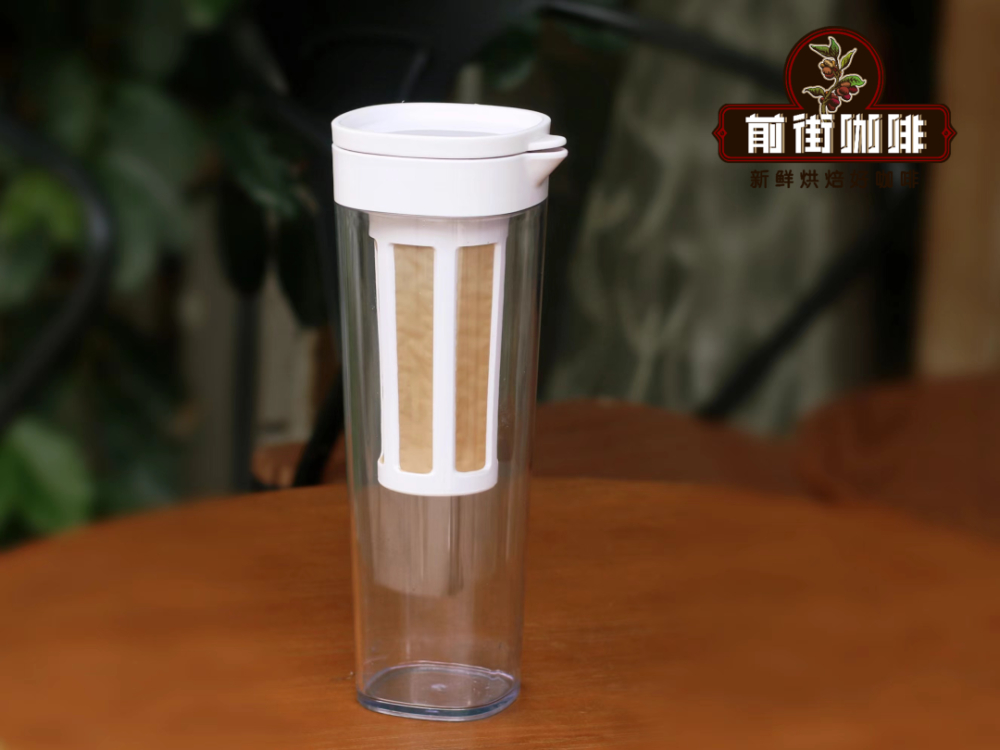
Want to easily enjoy a high-quality cup of cold brew coffee at home? With just simple tools and basic steps, you can make it yourself. First, prepare a sealable container to use as a cold brew maker. If you don’t have a specialized cold brew bottle, a regular glass jar or thermos with plastic wrap can also work as a substitute. Next, choose your favorite coffee beans. It’s recommended to use freshly roasted beans that are within their prime flavor window (approximately 4–7 days after roasting) for the best flavor performance.
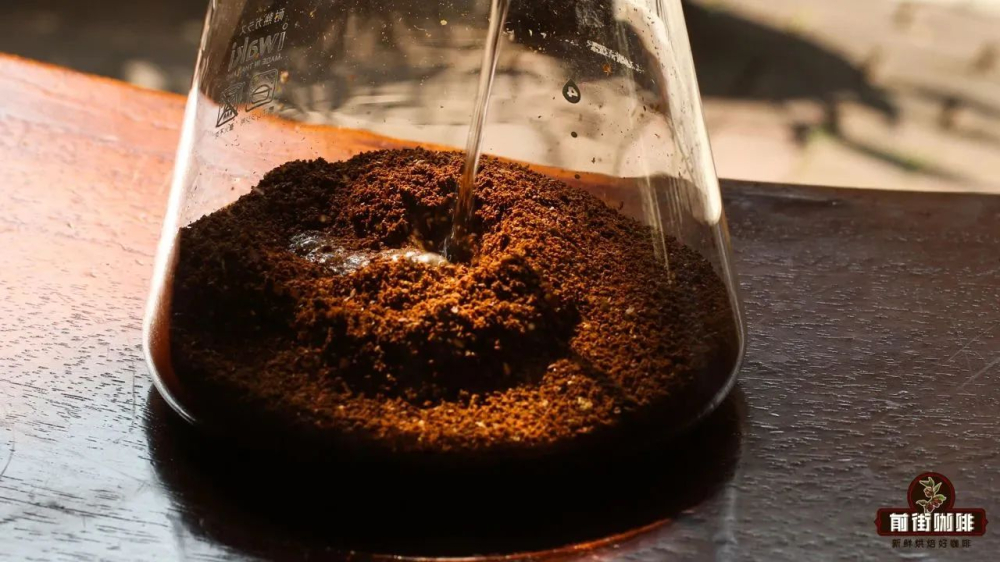
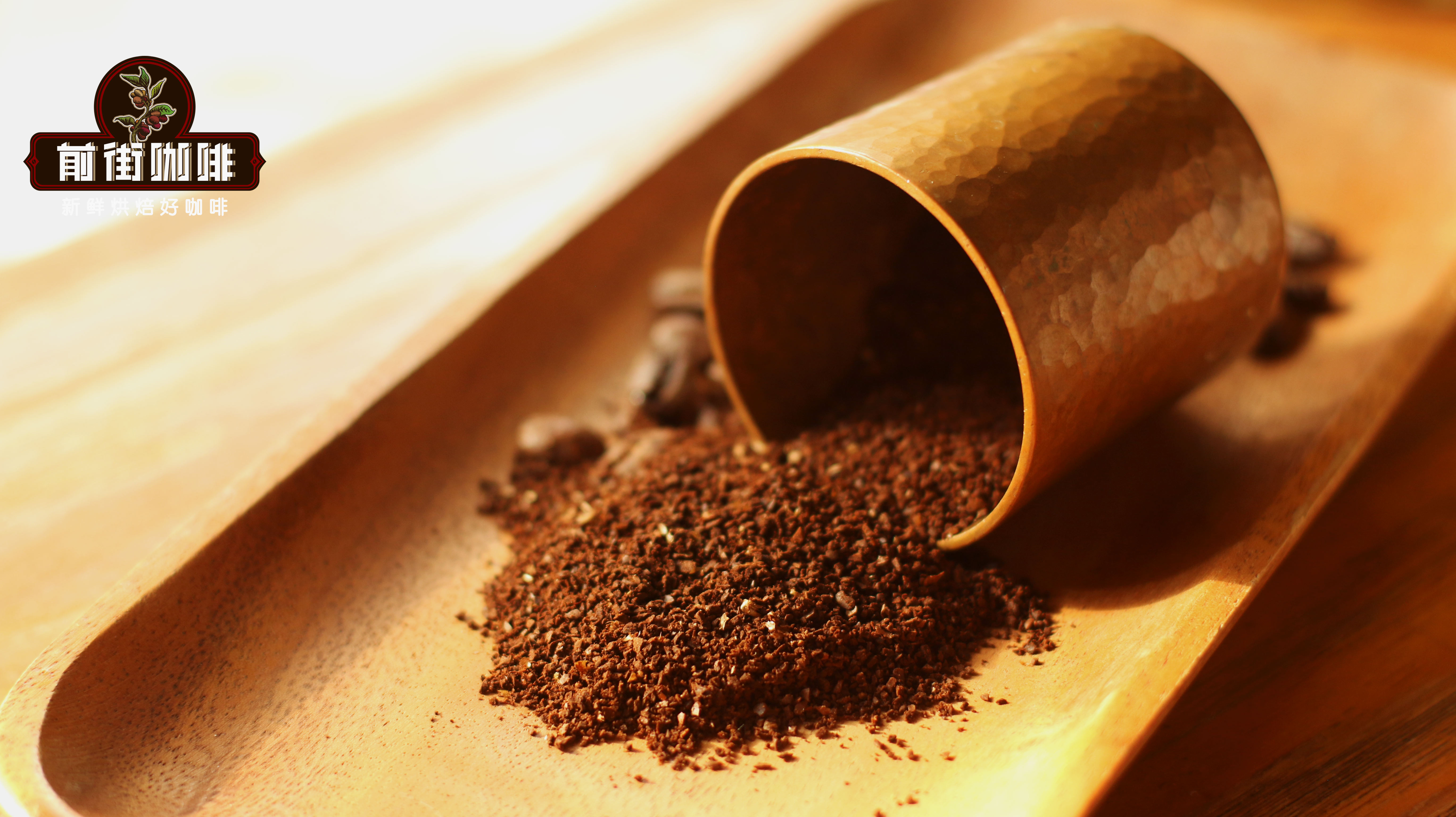
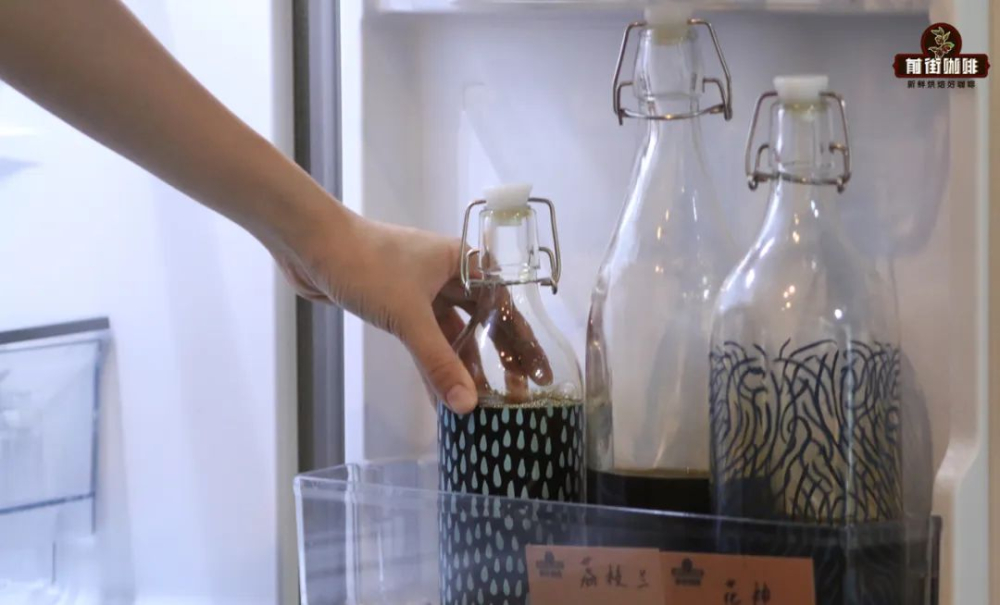
Grind the coffee beans to a coarseness slightly finer than that used for pour over, roughly close to 85% through a #20 sieve in fineness, adjusting slightly based on your equipment and bean conditions. Use a 1:12 coffee-to-water ratio(for example, 50 grams of coffee grounds to 600 milliliters of water) as a base, which can be adjusted according to your taste preferences for strength. Place the coffee grounds into the container, slowly pour in room temperature or cold water, ensuring the grounds are fully saturated. Then tightly seal the lid and place it in the refrigerator for at least 8 hours,with a recommended duration of 12–14 hours for a more robust extraction.
After extraction, filter the coffee grounds using filter paper or a filter mesh. You may filter it again to ensure a clear taste. If you prefer a colder taste, you can add ice cubes or slightly dilute with water before drinking. Note that during the cold brew process, avoid high temperatures and direct light, and also avoid storing it in an environment mixed with other food odors, in order to preserve the original aroma of the coffee.
Which Coffee Beans Are Suitable for Cold Brew?
The characteristics of cold brew make it particularly well-suited for showcasing coffee beans with fruity, floral, and fermented flavors. If you prefer a refreshing and sweet-tart taste, you can choose washed processed beans, such as the Ethiopian Flower Top TOH Washed Champion beans, which offer bright citrus and pomelo-like floral and fruity aromas. When brewed cold, they present a refreshing taste similar to pomelo tea. If you enjoy rich fruitiness and a tea-like body, the Yirgacheffe Hambela Kochere Heirloom natural-processed beans are an excellent choice. Their high-sugar fruit pulp, after sun-dried fermentation, brings lively berry and passion fruit notes, with a soft black tea-like finish.
Additionally, readers who prefer wine-like aromas and rich sweetness might want to try the Mozart coffee beans, which are processed using raisin honey. These beans release complex aromas such as ripe pineapple, osmanthus, sweet orange, and raisins when cold brewed. They are especially suitable for making ice drip or long-steeped cold brew coffee, delivering a dessert-like layered experience. No matter which beans you choose, remember to select freshly roasted beans that suit your personal taste preferences to fully appreciate the unique charm of cold brew.
The above content is compiled by CoffeeHunters, a coffee news website.


