







Introduction:As a classic representative among coffee varieties, Typica is renowned for its elegant and balanced flavor profile and iconic red-tipped appearance. However, its challenging cultivation and susceptibility to diseases have made it a rare and treasured gem. This article delves into Typica’s physical characteristics, flavor profile, cultivation challenges, and highlights several representative Typica coffees—such as Jamaica Blue Mountain No.1 and Panama Elida Natural—to help you understand their unique charm and brewing recommendations.
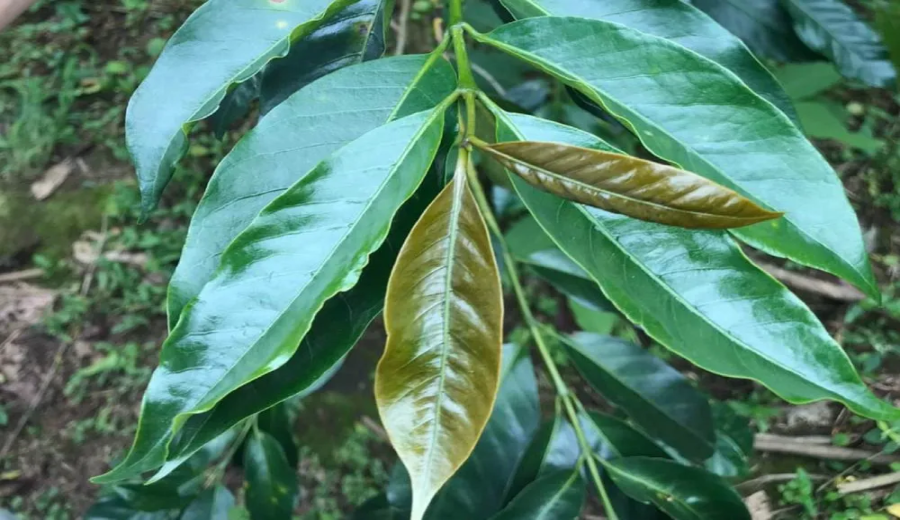
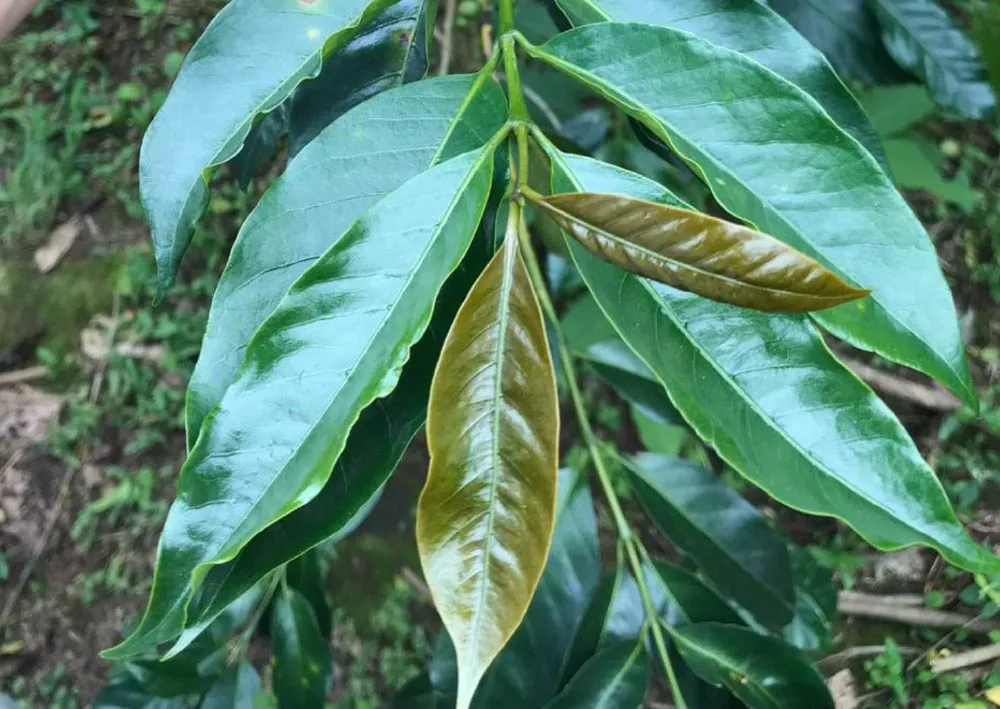
Typica (Typica) is one of the oldest and most iconic coffee varieties in the world, widely recognized for its distinctive "red-tipped" appearance. The so-called red tip refers to the unique bronze-red hue of its newly emerged top buds, which contrasts sharply with the usual green young leaves. Beyond this prominent feature, Typica trees typically exhibit a conical shape, with side branches forming an angle of approximately 50 to 70 degrees with the main trunk. The trees have slender trunks and grow relatively tall, thus requiring wider spacing during cultivation to facilitate healthy growth.
This variety, originating from ancient traditional cultivation, is known for its clean and bright flavor, gentle acidity, and sweet aftertaste—qualities that have made it a classic favorite among many coffee enthusiasts. However, cultivating Typica comes with significant challenges. Not only does it yield relatively low, but it also has very weak resistance to diseases, especially common ones such as leaf rust, against which it offers almost no defense. These diseases can lead to yellowing and dropping of leaves, ultimately affecting fruit development and even causing the death of the entire coffee plant.
For this reason, regions capable of growing high-quality Typica must possess ideal climates and highly refined management techniques. Every step—from soil conditions and altitude to harvest ripeness and post-harvest processing—must be strictly controlled to bring out the delicate and complex potential of Typica. Due to the high barriers in both cultivation and processing, high-quality Typica coffee beans are generally rare on the market and come with relatively high price tags.
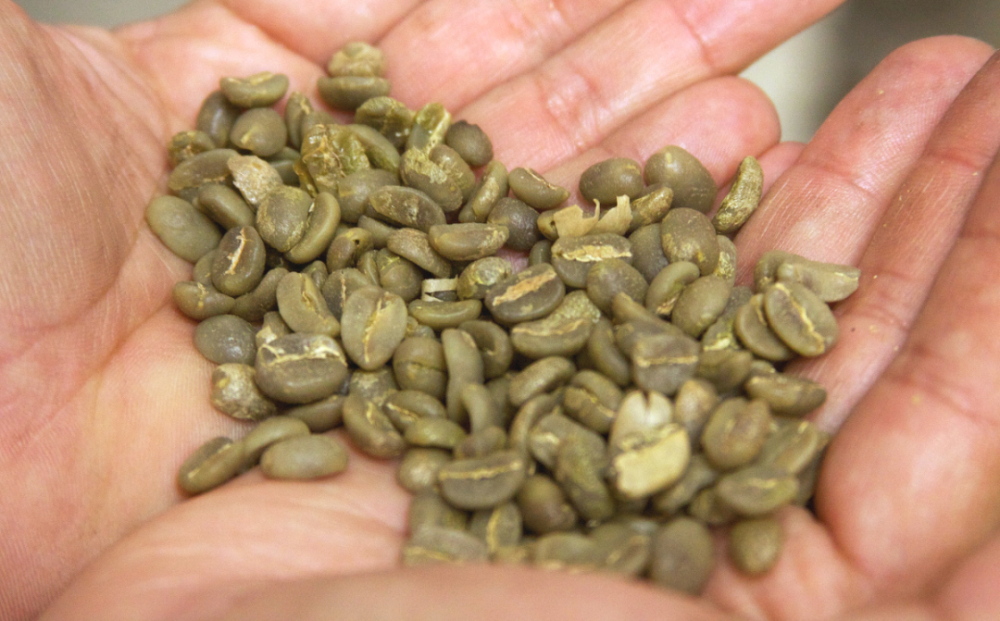
Typica coffee beans also have unique physical characteristics: they are elongated in shape with slightly upturned ends, tend to be larger in size, and are sometimes described as resembling eggs. Once roasted, Typica often exhibits a soft citrus-like acidity, light bitterness, and a refreshing, layered mouthfeel. The overall profile is clean and balanced, making it one of the benchmarks of coffee flavor.
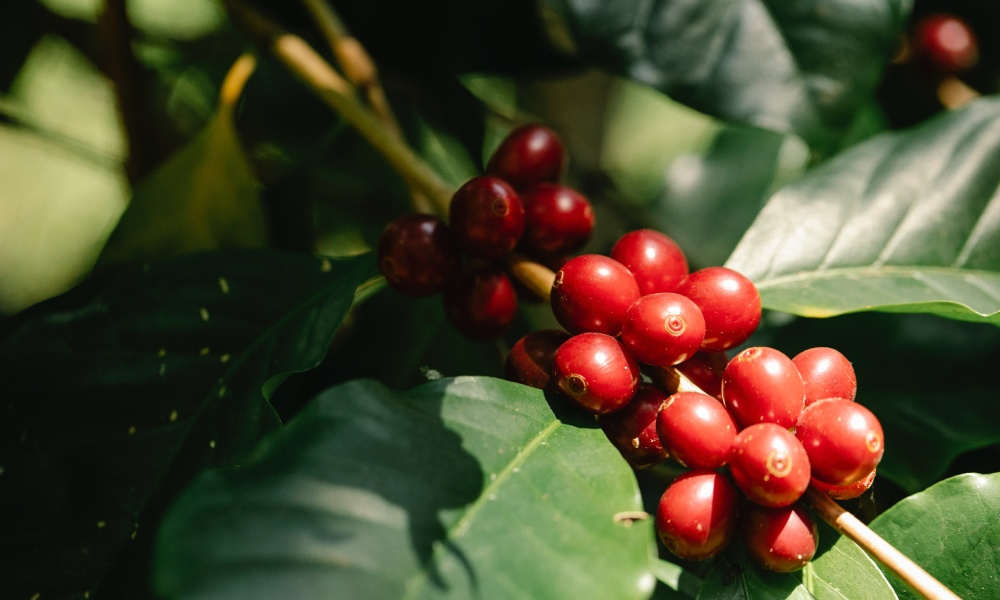
Despite the numerous challenges, some uniquely advantaged regions around the world have successfully produced remarkable Typica flavors. Examples include Jamaica Blue Mountain No.1, Papua New Guinea Highland Naturals, Panama Elida Estate Natural, and the 2013 vintage Typica Natural—each a highly representative offering. These regions, through varying altitudes, microclimates, and post-harvest processing methods, have endowed Typica with diverse flavor expressions—ranging from rich chocolate and nutty notes to bright fruit and floral layers—all leaving impressive impressions.
Among them, Jamaica Blue Mountain No.1 stands out as the pinnacle of Typica. Grown in the unique microclimate of the Blue Mountains and processed using the washed method, it achieves an unparalleled aroma and taste. During processing, the coffee cherries are handpicked, then first subjected to floatation to remove unripe or overripe fruits. They undergo a 12 to 18-hour pulping and fermentation process, followed by sun drying to ensure stable moisture content. The result is an exceptionally clean cup with remarkable aromatic purity.
In terms of roasting, medium-dark roasting is the best choice to highlight the flavors of Blue Mountain. This level of roast balances acidity, sweetness, and bitterness, bringing out aromas of chocolate, nuts, and caramel while retaining Typica’s signature gentle acidity and sweetness—resulting in a round, layered mouthfeel. Cupping records show that freshly roasted Blue Mountain No.1 emits aromas of nuts, melon, and chocolate in the dry stage. When brewed with hot water, it releases a complex blend of oolong tea, honey, and dark chocolate. On the palate, it reveals rich dark chocolate, roasted hazelnuts, and a creamy texture, with a long and stable aftertaste.
If you’d like to try brewing Blue Mountain No.1 at home using pour over, here are professional-grade reference parameters: It is recommended to use a KONO filter, with water temperature controlled at 88°C, a coffee-to-water ratio of 1:15, approximately 15 grams of coffee grounds, and a grind size comparable to EK43s setting 10.5 (approximately 75% extraction through a #20 sieve). First, pre-wet the filter to ensure a proper seal, then add the coffee grounds and perform a 30-second bloom (using about 30 grams of water). Subsequently, pour water in small circles centered around the grounds until you reach 125 grams for the first pour, then wait for the coffee bed to lower to the middle of the filter before pouring again to 225 grams using the same technique. Finally, allow the dripping to complete before enjoying.
In summary, as a classic among coffee varieties, Typica may present significant challenges in cultivation and yield, but its elegant and clear flavor profile and unique cultivation history have secured its irreplaceable place in the hearts of coffee enthusiasts. Whether it’s the classic washed process of Jamaica Blue Mountain or the natural processes found in Panama or Papua New Guinea, Typica showcases its diverse and captivating potential. If you’re seeking a coffee experience that is delicate, clean, and richly layered, Typica is definitely worth exploring and savoring.
The above content is compiled by CoffeeHunters, a coffee news website.


