







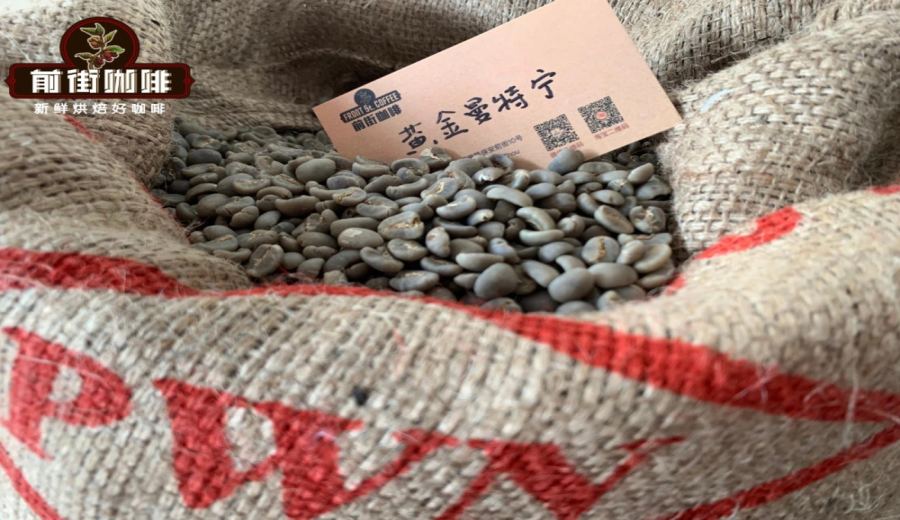
Introduction:Indonesian coffee is renowned for its rich, bold flavors and distinctive herbal aromas, with Golden Mandheling being especially regarded as a classic among specialty coffees. This article delves into Indonesia’s coffee grading system, the origins and characteristics of the wet-hulling process, explores how the terroir of Sumatra shapes the unique profile of Mandheling, and provides pour over parameters and practical tips for medium-dark roasted Mandheling to help you fully appreciate the charm of this classic bean.
Indonesian coffee, with its bold flavors and unique spicy notes, holds a notable place in the specialty coffee market, and Golden Mandheling is its quintessential representative. Produced through a rigorous triple hand-selection and high-standard quality control process by PWN (Pusat Penyangga dan Pemasaran Kopi), this coffee offers a clean, full-bodied, and layered flavor profile. What exactly is true Golden Mandheling? Where do its unique flavors come from? This article will take you on a comprehensive journey through Indonesian Mandheling’s allure—from green bean grading and processing methods to brewing techniques.
What is True Golden Mandheling?
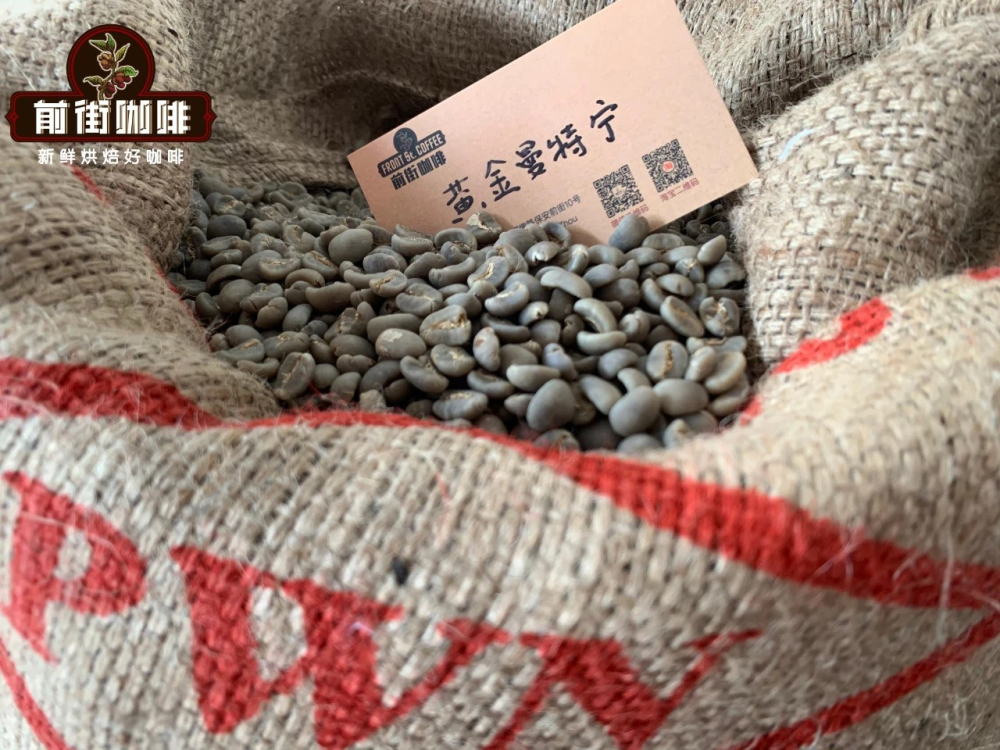
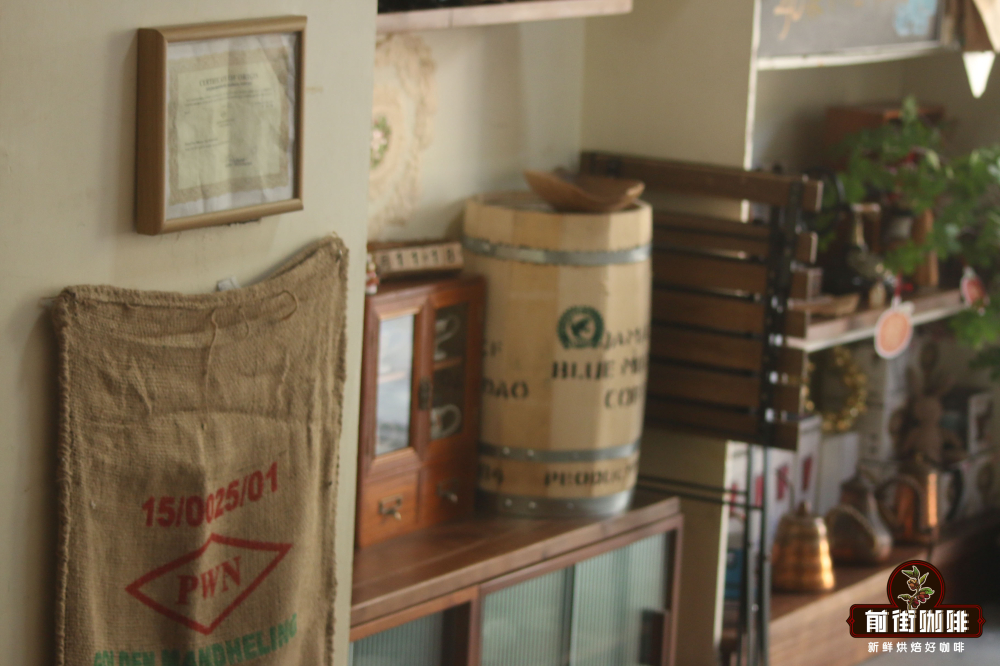
Among the many Mandheling products, the “Golden Mandheling” under PWN is the only authentic version with official trademark certification. The English name “Golden Mandheling” has been registered by PWN, so only beans produced by PWN can be called genuine Golden Mandheling. To identify the authentic product, look for green bean sacks bearing the PWN logo or check the accompanying origin certification documents issued by PWN. This information can usually be verified in person at the physical stores of specialty coffee shops.
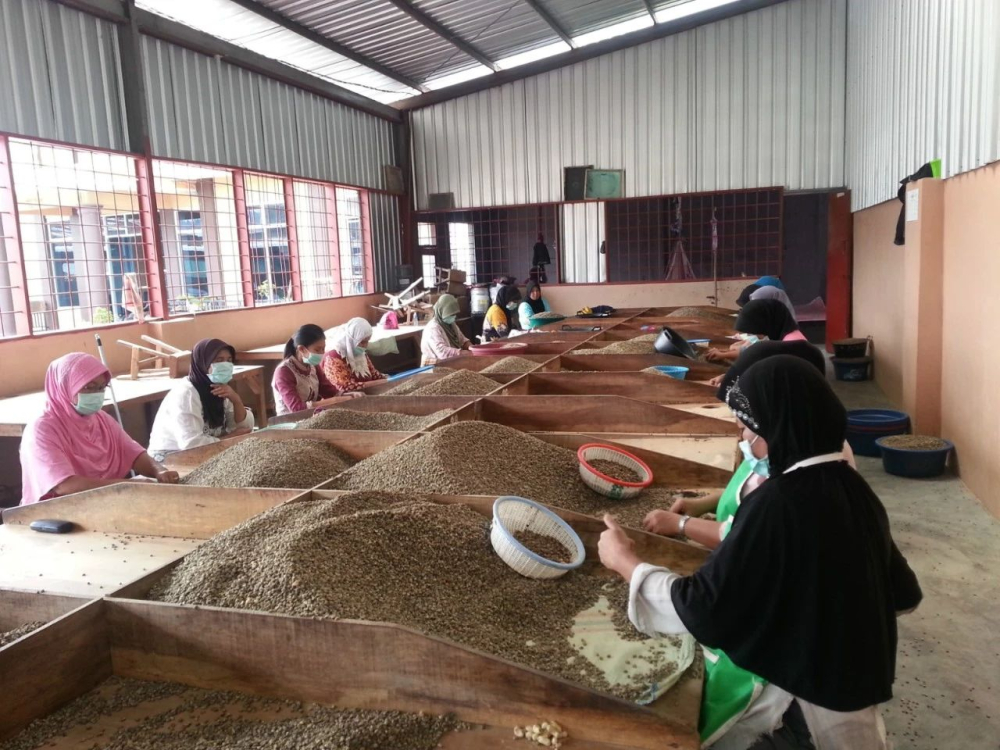
The “Triple pick” and “GRADE 1” labels on Golden Mandheling green bean sacks indicate that these beans have undergone three rounds of manual selection and belong to the highest grade of Indonesian green beans. In fact, Indonesian green bean grading primarily uses the number of defective beans as the main criterion, supplemented by bean size. Grade 1 requires no more than 11 defective beans in a 300g sample, excludes live insects and moldy beans, with moisture content controlled below 12.5% and impurity rate under 0.5%. On top of the Grade 1 standard, PWN performs multiple additional screenings to significantly improve cleanliness and sweetness, and ensures uniform quality of each green bean through density and color sorting.
Sumatra: The Cradle of Mandheling Flavor
When talking about Mandheling, Sumatra Island is unavoidable. Though the island has several provinces, its main Arabica coffee-growing regions are concentrated in the high-altitude areas of Aceh and North Sumatra. These regions are perennially shrouded in mist, with a humid climate, and are surrounded by volcanic lakes such as Lake Tawar and Lake Toba, providing an ideal environment for cultivation. Especially in the Gayo Mountains area, where organic farming is commonly practiced and the long history of cultivation has contributed to the superior quality and flavor expression of the Mandheling grown here.
Sumatra has a tropical rainforest climate, with air humidity consistently maintained between 70% to 90%, posing significant challenges to coffee processing. Traditional washed processing is difficult to implement here, leading to the development of thewet-hulling method, well-suited to the humid environment.
Wet-Hulling: The Key to Mandheling’s Unique Flavor
Wet-hulling is a semi-washed processing method that takes much less time than traditional washed processing, often completed within just a few days. The process includes removing the skin and pulp, brief fermentation, drying until the beans reach a semi-dry state, then removing the parchment layer (known locally as the husk), and continuing to dry until the moisture content is around 12%. Due to Indonesia’s humid climate, this method accelerates the drying process but also makes the green beans more susceptible to absorbing ambient moisture, thereby influencing the flavor profile.
Although wet-hulling is more prone to moisture absorption and mold, when done correctly, it can impart intense woody, spicy, and herbal characteristics to the coffee. Compared to the clean and bright profile of washed beans, wet-hulled Mandheling typically exhibits a deeper and more complex flavor profile, which is one of the sources of its unique charm.
Flavor Profile and Brewing Recommendations for Medium-Dark Roasted Mandheling
To showcase the classic flavors of Golden Mandheling, many baristas opt for a medium-dark roast to enhance its body while suppressing excessive acidity. At this roast level, Mandheling often presents aromas of spices, herbs, and pine, accompanied by the rich bitterness of dark chocolate, nuts, and caramel, with a sweet fruity finish. The overall profile is layered and well-balanced.
For brewing, it is recommended to use a Kono filter cone with a slightly coarser grind size (approximately 70–75% passing through a #20 sieve) to control the extraction flow rate and enhance the body. Specific parameters are as follows:
- Water temperature: 88°C (slightly lower than for light roasts, to avoid extracting excessive off-flavors)
- Coffee dose: 15 grams
- Brew ratio: 1:15
- Grind size: 70–75% passing through a standard #20 sieve
Brewing steps suggestion: Start with a 30-second bloom using 30 grams of water, then pour in a circular motion with a slow stream until reaching 125 grams for the first pour. After the water level drops, continue pouring to 225 grams. Remove the filter cone just before the water level is about to run out, with total brew time controlled to around 2 minutes. This method effectively highlights the richness and sweetness of Mandheling while avoiding over-extraction and unwanted off-flavors.
Additionally, for the best flavor experience, it is recommended to use freshly roasted beans within 5 days of roasting and store them properly to maintain their aroma and taste. By understanding the origin of the green beans, the processing techniques, and the appropriate brewing methods, you will be better able to appreciate the deep character and unique personality of Indonesian Mandheling.
The above content is compiled by CoffeeHunters, a coffee news website.


