







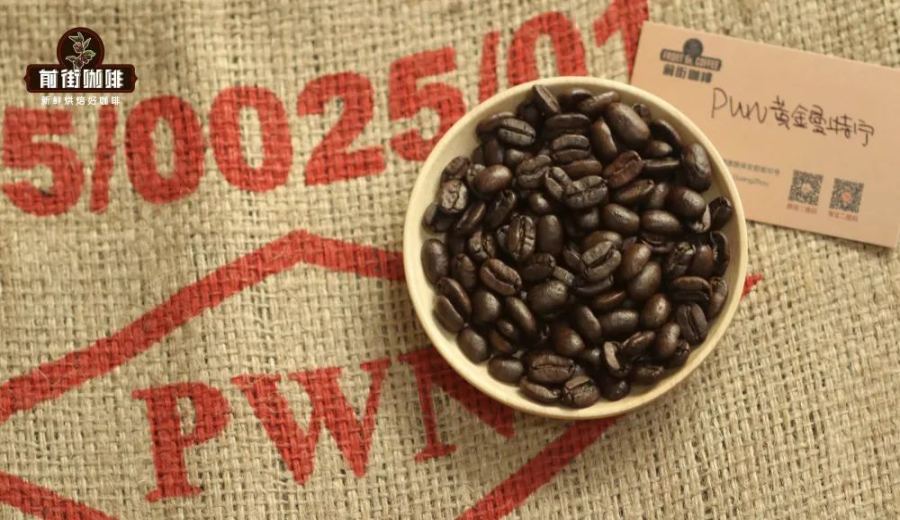
Introduction:Sumatran Mandheling coffee is renowned for its low acidity, full-bodied flavor, and rich notes of earthy wood and herbs—qualities that are closely tied to the region’s unique wet hulling processing method. This article delves into the practical steps of wet hulling, explores how the local geography influences flavor, and examines the aging process and key parameters of aged Mandheling, offering a comprehensive understanding of this classic Southeast Asian coffee.
Mandheling coffee from Indonesia’s Sumatra region has long been favored for its low acidity, full body, and intense notes of woody depth and herbal complexity. These distinctive flavor characteristics are inseparably linked to the area’s hot, rainy, and humid climate, as well as the wet hulling processing technique employed. This article begins with the background of the producing region, then breaks down each step of the wet hulling process, explores the reasons behind the formation of regional flavor profiles, and further analyzes the aging techniques and storage requirements of aged Mandheling.
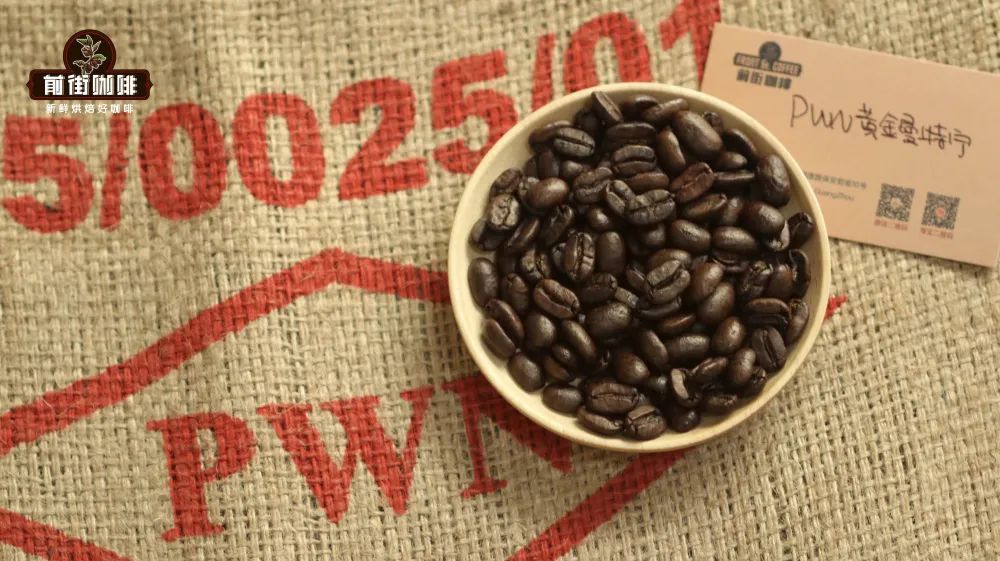
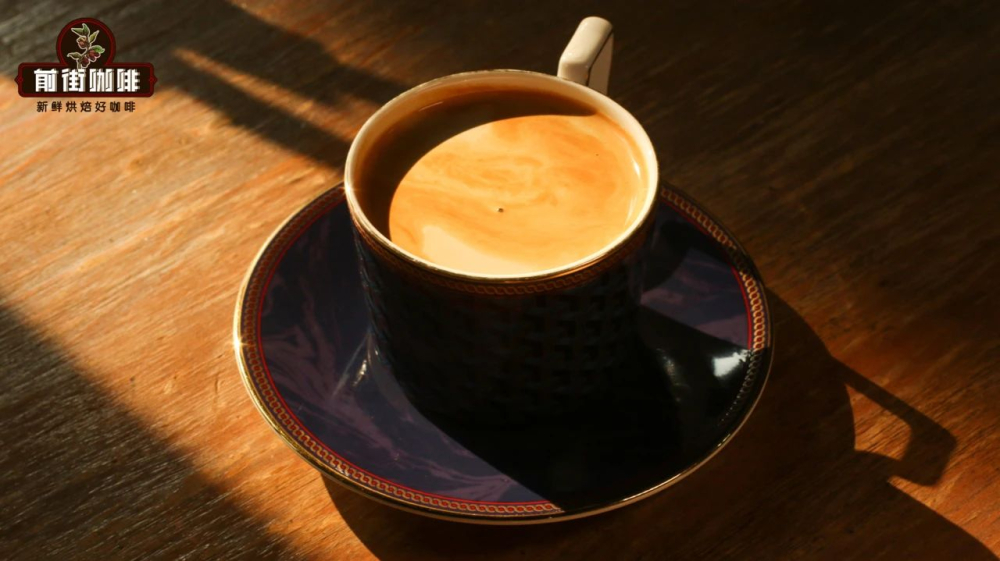
In the world of specialty coffee, Mandheling is often presented in dark roasts, showcasing deep notes of caramel, chocolate, and nuts. It delivers a rich, full-bodied mouthfeel with low acidity but retains subtle sweetness and a long, lingering finish. Especially under dark roasting, it emits a unique smoky richness—the very “Sumatran signature” cherished by many coffee enthusiasts.
So why can Mandheling, even when roasted to medium-dark levels, display such a distinctive aromatic profile? The answer lies in its origin—Sumatra Island—and the wet hulling processing method used there.
Sumatra is one of Indonesia’s eight provinces, but the regions truly suitable for growing Arabica coffee are primarily the high-altitude areas of Aceh and North Sumatra. The climate here differs greatly from other well-known coffee-growing regions: it is hot and humid year-round, with humidity levels consistently between 70% and 90%, and extremely high annual rainfall exceeding 2000 mm. Weather changes are dramatic, alternating between sunny skies and sudden downpours, with frequent typhoons, making traditional sun-drying methods highly challenging.
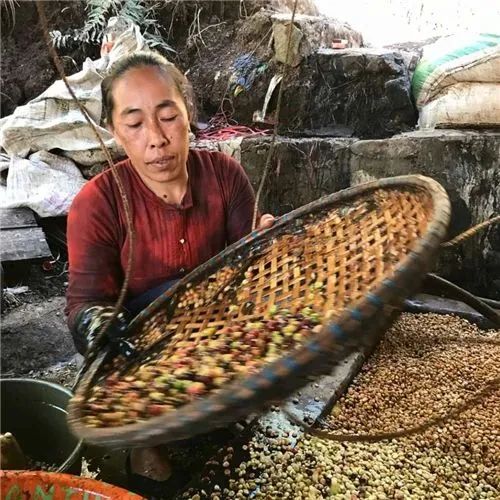
In earlier times, some regions in Indonesia also tried a method similar to Brazil’s semi-washed process—removing the outer skin of the coffee cherry, allowing the parchment-covered beans to undergo brief fermentation, washing off the mucilage with water, and then sun-drying. However, Sumatra’s humid weather makes it difficult to dry the parchment beans outdoors continuously; they could typically only be dried for one or two days before the risk of mold became too high. As a result, the region developed its own unique wet hulling method, known in Indonesian as “Giling Basah.”
The most distinctive feature of this method is that the outermost layer of the parchment (the silverskin layer) is removed before the parchment beans are fully dry, exposing the green beans directly to the air for subsequent drying. When the moisture content of the parchment beans drops to 30%–50%, farmers send them to processing facilities where specialized machinery is used to scrape off the parchment. At this stage, the beans are still semi-hard and semi-soft, and delaying the process can easily lead to off-flavors due to over-fermentation.
Due to the unique timing of processing and the greater friction required by the machinery to remove the moist parchment, the beans are often compressed, resulting in small indentations at both ends resembling hoof prints—this is why the so-called “elephant hoof beans” are relatively common. In addition, the process releases white or greenish viscous liquid, which further affects the appearance and texture of the beans, leaving them gray-green in color with often puffed and softened surface features.
Notably, wet hulling skips the step in traditional processing methods where the parchment layer is retained until the very end of drying. This exposes the beans to sunlight and air while they are not yet fully stable. Not only does this significantly shorten the overall processing time, but it also increases the likelihood of producing defective beans.
Due to natural damage during harvesting, mechanical pressure during husking, transportation in humid conditions, and irregular drying processes, the beans may undergo uneven fermentation or mold growth. Therefore, high-quality Mandheling often requires multiple rounds of hand-sorting to eliminate defects and discolored beans, ensuring the purity of the final flavor.
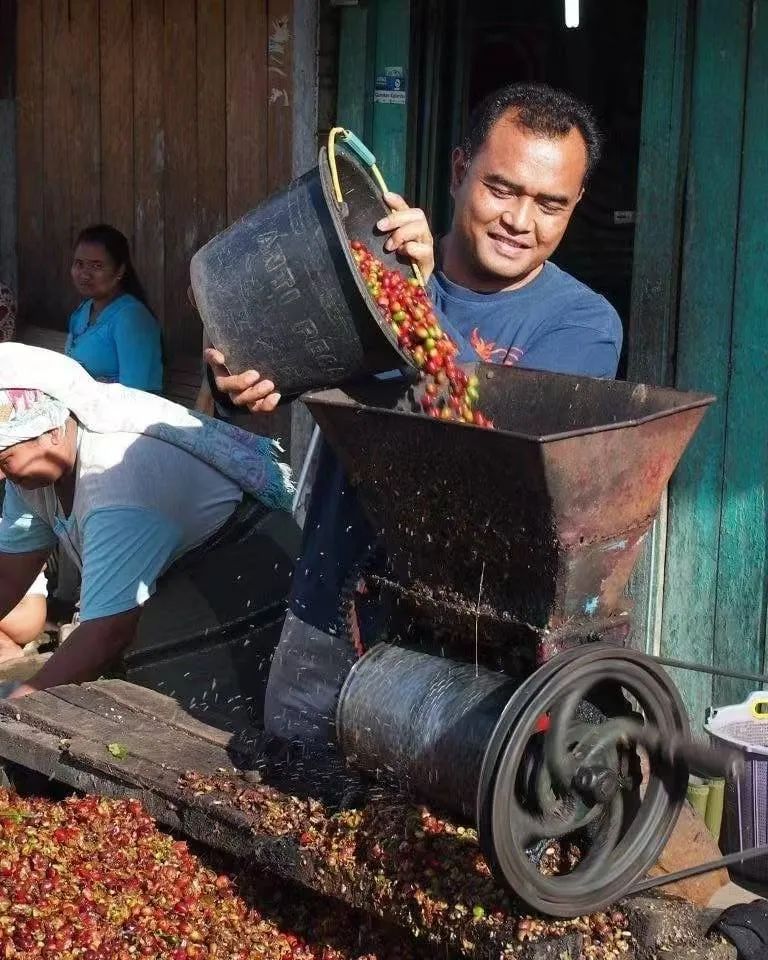
Interestingly, this seemingly “imperfect” processing method also gives Sumatran coffee its unique “regional character.” Under the interaction of high temperature, humidity, and microbial activity, some mold activity actually contributes complex aromas such as woodiness, spice, earthiness, and grassiness. Further enhanced through roasting reactions like Maillard and caramelization, these elements ultimately form a rich, distinctive, and recognizable smoky aroma.
Beyond the processing method, the aging process of aged Mandheling is also a key factor in shaping its flavor. Generally, aged Mandheling is made from high-quality parchment beans or already hulled green beans that have been carefully selected via wet hulling, and it undergoes long-term storage at the origin. The ideal aging environment requires good ventilation and humidity control, typically stored in ventilated warehouses with regular turning and inspection to prevent mold and pest infestation.
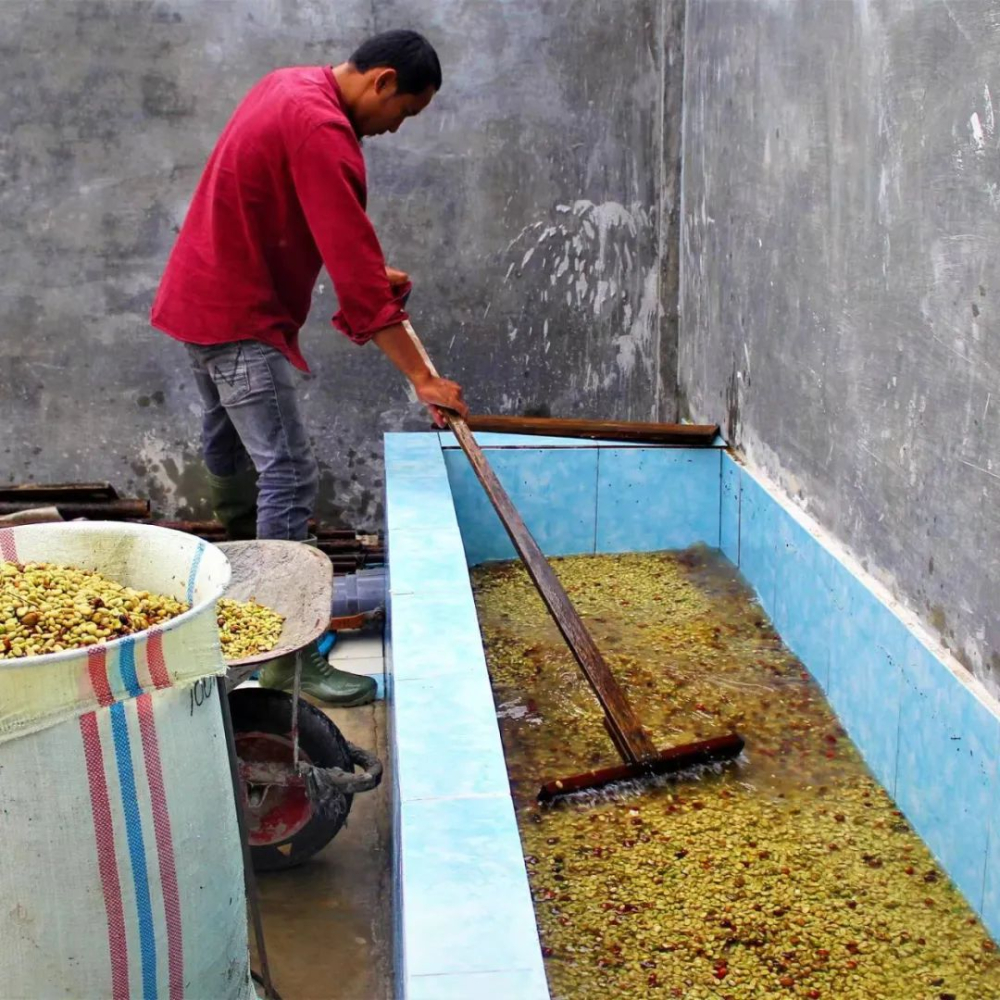
The aging period for Mandheling usually lasts 2 to 3 years. Over time, the acidity in the beans gradually transforms into a smoother sweetness and sugar-like notes, while the color deepens from light to dark, often turning yellowish-brown or dark brown. This aging process not only tempers the roughness brought by wet hulling but also leads to a more balanced and profound flavor profile, making it a classic favorite among many coffee aficionados.
The above content is compiled by CoffeeHunters, a coffee news website.


