







Introduction:Jamaican Blue Mountain coffee is renowned worldwide for its rarity and exceptional quality, but most "Blue Mountain-flavored" drinks on the market are far from the real thing. This article delves into the origins of the Blue Mountain name, the official CIB grading standards, introduces the background of the representative Clifton Mount Estate in the Blue Mountains, and details its historical roots and methods for authenticating the genuine product. It also provides professional pour-over brewing recommendations and flavor profiles to help you fully grasp the essence of this legendary coffee.
The reputation of Blue Mountain coffee is almost unparalleled in the coffee world. However, many consumers encounter "Blue Mountain-flavored" drinks in supermarkets or vending machines that have no connection whatsoever to authentic Jamaican Blue Mountain coffee. So, what exactly constitutes genuine Blue Mountain coffee? Where does its name come from? How is it graded? Which estates in the Blue Mountains are the most representative? This article will take you on an in-depth exploration of the world’s top-tier coffee, covering its historical background, regional characteristics, official grading system, and an introduction to the Clifton Mount Estate. The article concludes with professional pour-over brewing advice and flavor descriptions to help coffee enthusiasts more fully appreciate the unique charm of Blue Mountain coffee.
The Origins and Historical Background of Blue Mountain Coffee
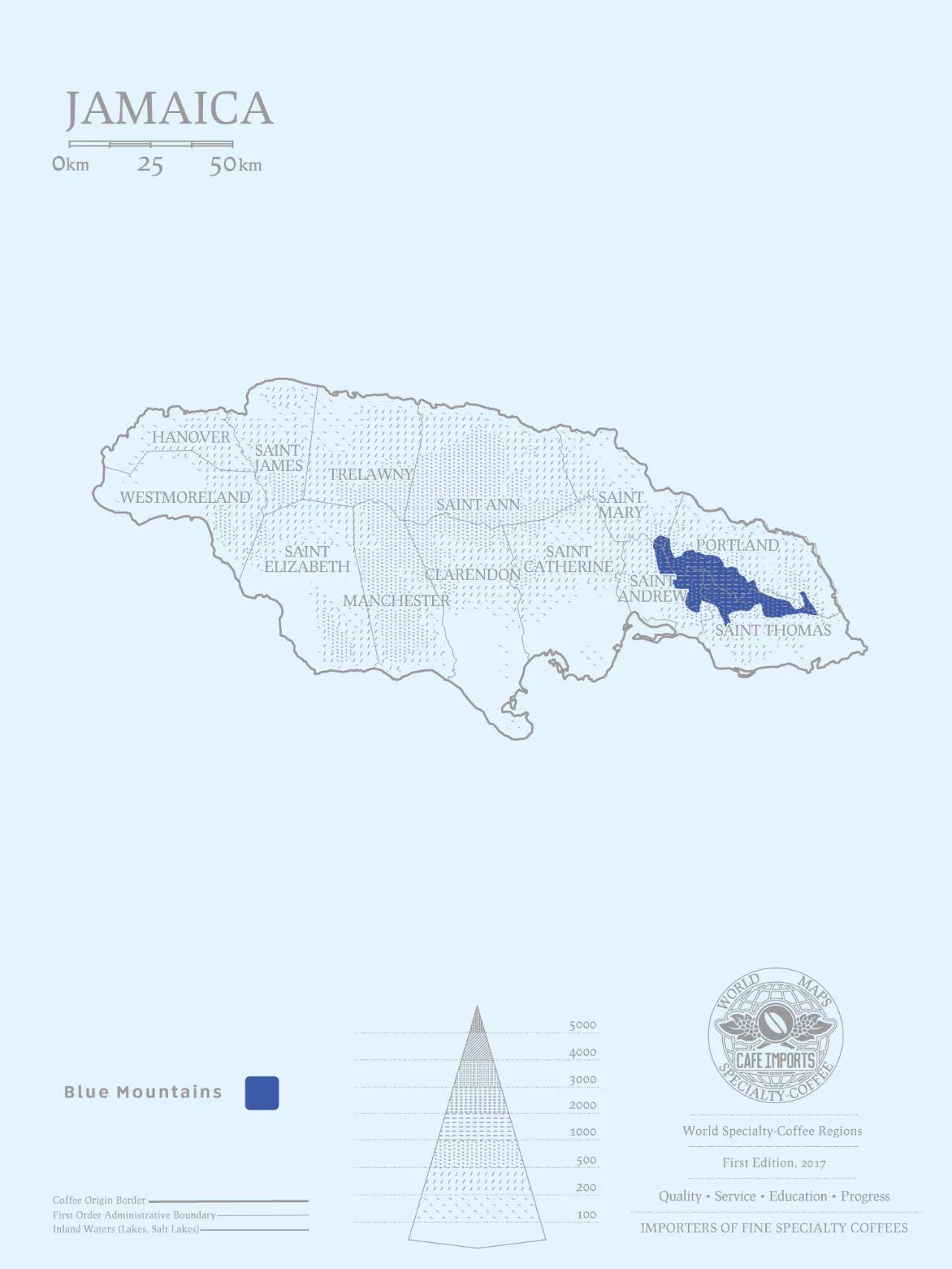
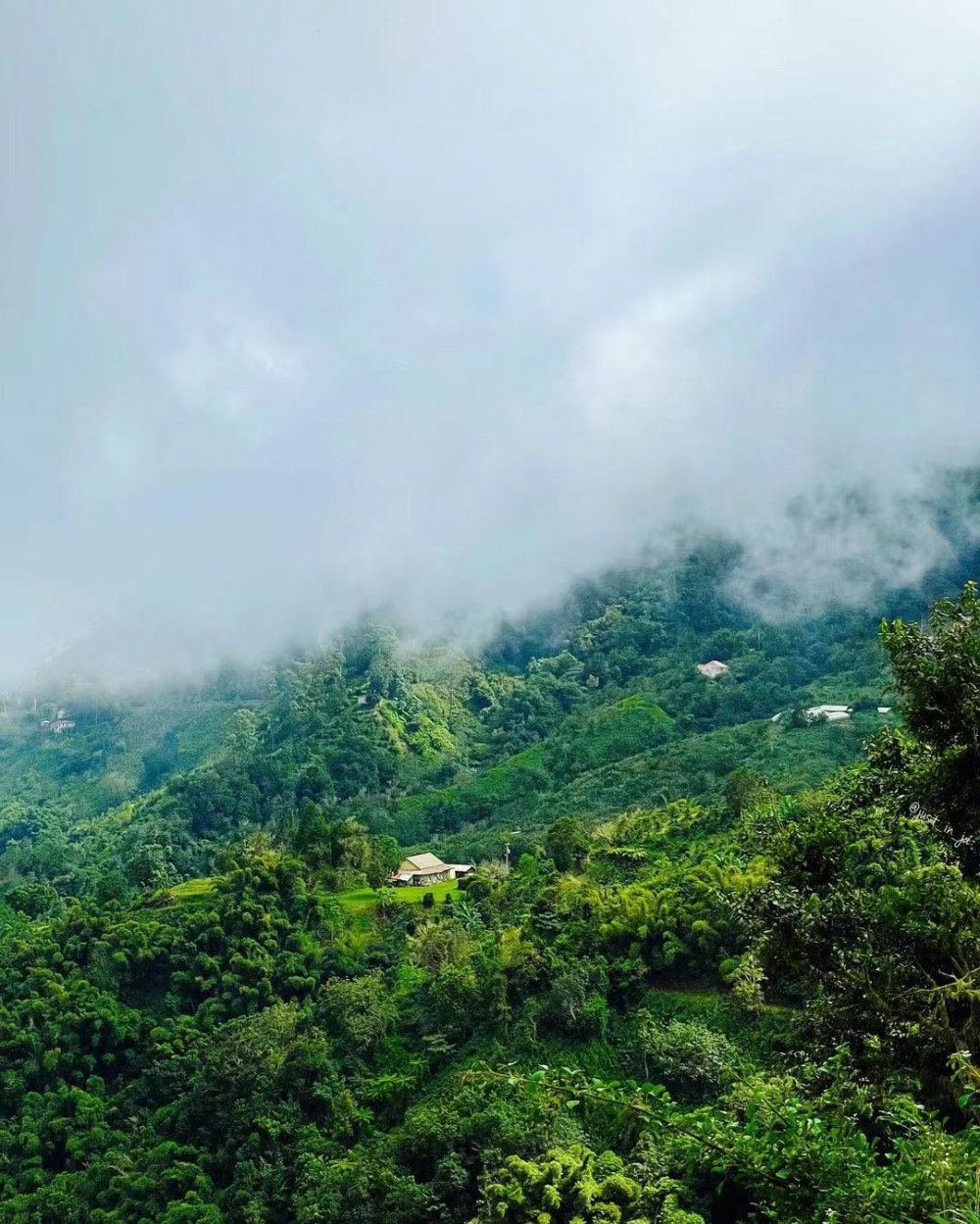
Blue Mountain coffee is grown in the Blue Mountains of Jamaica, and its name derives from the region’s magnificent mountain landscapes—particularly the enchanting blue haze that envelops the peaks under sunlight, hence the name "Blue Mountain." Historical records indicate that Blue Mountain coffee dates back to the 18th century, when British colonists introduced Typica coffee plants to Jamaica and cultivated them in the Blue Mountain area. Thanks to the region’s high altitude, persistent cloud cover, fertile soil, and moderate temperature variations, Blue Mountain coffee developed its unparalleled flavor characteristics.
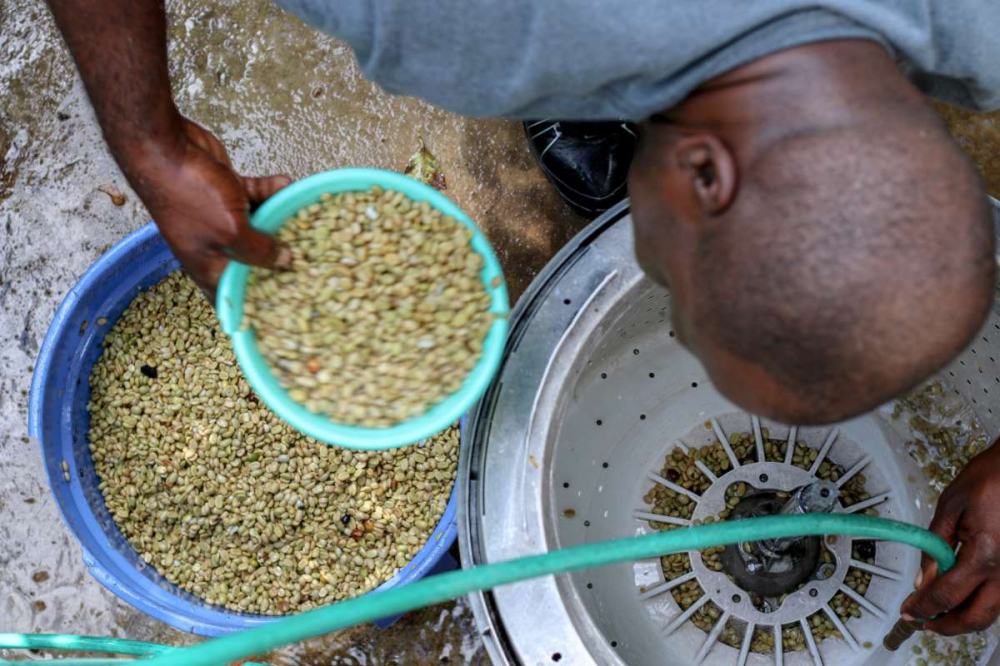
In the early 19th century, Jamaican Blue Mountain coffee gained the favor of European royalty for its exceptional quality, and its cultivation reached its peak during that time. However, following the abolition of slavery and subsequent labor shortages, coffee production began to decline. It wasn’t until the mid-20th century, when the Jamaican government stepped in by establishing centralized wet processing facilities and later the Coffee Industry Board, that the quality and international reputation of Blue Mountain coffee were gradually restored and elevated.
Authenticity and the CIB Grading System
Due to its stellar reputation, the market is flooded with counterfeit products. To safeguard the authenticity of Blue Mountain coffee, the Jamaican government established the Coffee Industry Board (CIB), the world’s only government body solely dedicated to managing coffee production and quality. The CIB strictly stipulates that only coffee beans grown at elevations of910 meters (approximately 3,000 feet)or above in the Blue Mountains can be called "Jamaican Blue Mountain coffee."
Blue Mountain coffee is divided into four main grades based on bean size, defect rate, and processing refinement, ranked from highest to lowest as: NO.1, NO.2, NO.3, and PB (Peaberry, or pea berry). Among these,NO.1 is the highest grade,requiring at least 96% of the beans to be of 17/18 mesh size, with a defect rate not exceeding 3%, and a moisture content of around 13%. These stringent standards ensure the rarity and high-quality positioning of Blue Mountain coffee in the market.
Clifton Mount Estate and Other Representative Producing Areas
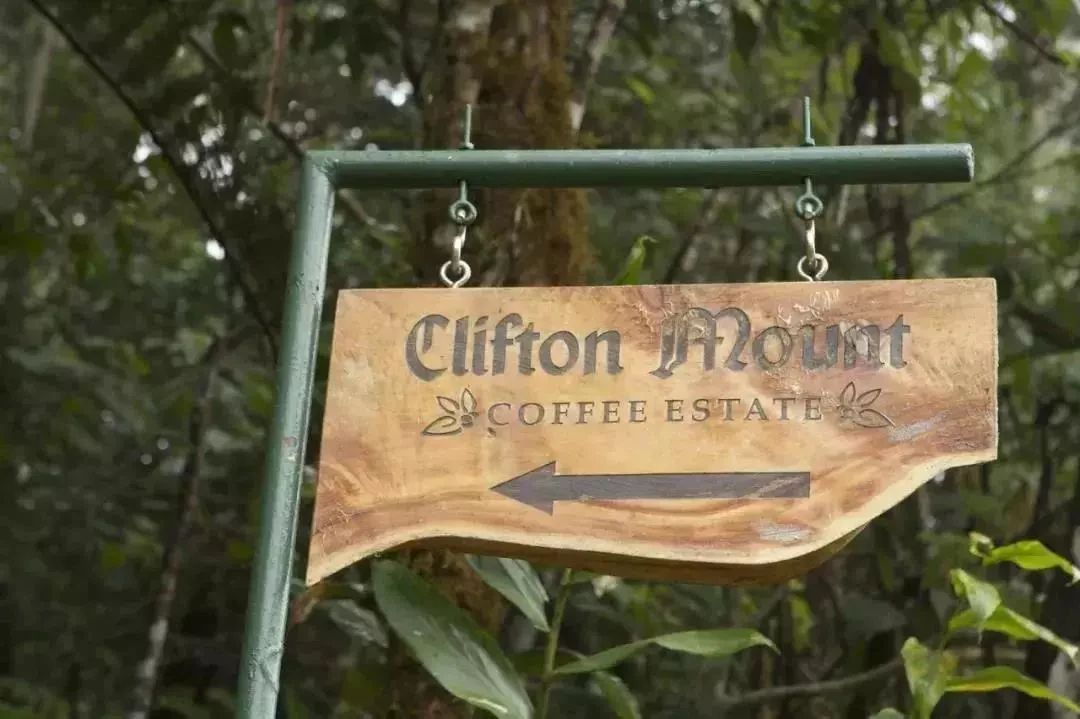
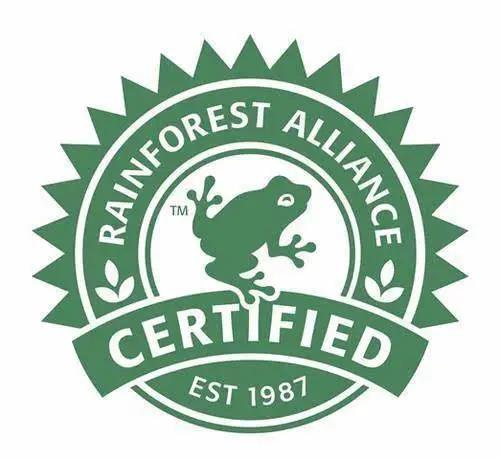
Within the Blue Mountains, there are several well-known coffee estates, among whichClifton Mount Estateis one of the oldest and most representative, and a significant source of high-quality Blue Mountain coffee.The image 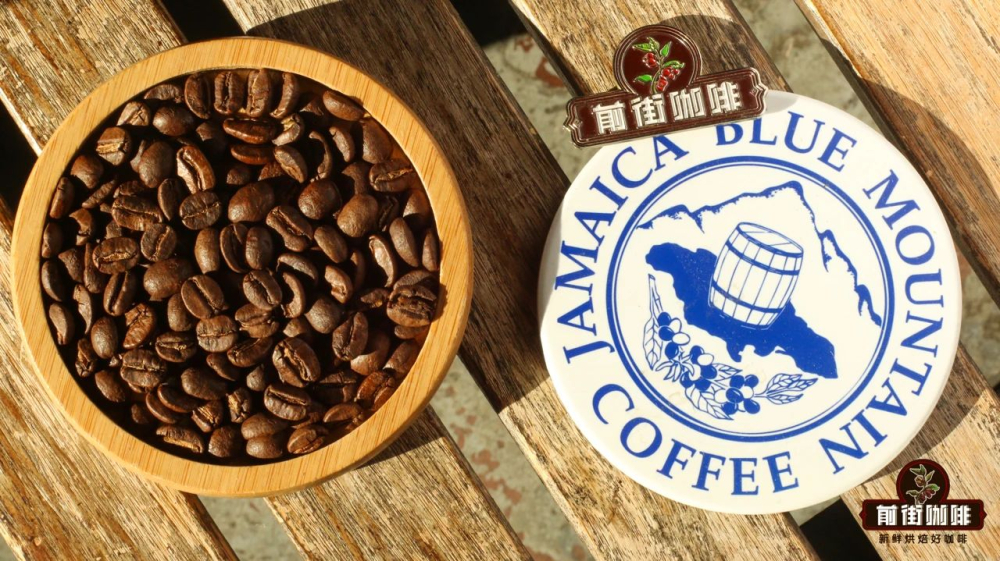 shows relevant information about this estate.It is worth mentioning that Clifton Mount Estate is the only coffee estate in Jamaica to have received "Rainforest Alliance Certification," represented by a green frog logo. Barrels bearing this logo indicate that the coffee batch has passed strict sustainability and ecological protection standards, serving as an important mark of authenticity.
In addition, the Mavis Bank Coffee Factory is currently the largest coffee processing facility in the Blue Mountain region, with barrels labeled M.B.C.F. It is also one of the key producing areas of Blue Mountain coffee. The barrel packaging format of Blue Mountain coffee is unique among global coffee-growing regions, representing not only tradition but also a symbol of quality assurance.
Flavor Characteristics and Pour-Over Brewing Recommendations
Genuine Blue Mountain coffee is celebrated for its balanced flavor profile, featuring gentle acidity, pronounced sweetness, and complex layers of caramel, nuts, and dark chocolate, with a long and smooth aftertaste. Blue Mountain No.1 (NO.1) grown at elevations of 1,310 meters in the Blue Mountains is particularly outstanding, showcasing a distinct brown sugar sweetness and berry-like acidity, with nutty and cocoa aromas emerging in the mid-to-late stages, and a velvety-smooth mouthfeel.
For brewing recommendations, using a KONO filter cup can fully highlight the richness and sweetness of Blue Mountain coffee. The suggested parameters are as follows: 15 grams of coffee grounds, a 1:15 coffee-to-water ratio, and water temperature controlled at88-89°C[temperature value to be inserted], with a medium-coarse grind (approximately 75% passing through a #20 sieve). Brewing technique suggestion: start with a 30-second bloom using 30 grams of water, then pour in a small circular motion up to 100 grams, followed by a larger stream to reach 165 grams total, aiming for a final brew weight of 195 grams with a total extraction time of about 1 minute and 50 seconds, to bring out the fullest aroma and layered flavor profile of Blue Mountain coffee.
Conclusion
Jamaican Blue Mountain coffee is not just a symbol of coffee quality, but also a bearer of culture and history. From its naming origins, rigorous grading system, to its rare growing regions and meticulous processing, every step reflects an uncompromising pursuit of excellence. Understanding the stories and details behind it not only helps consumers identify true Blue Mountain coffee but also adds depth and meaning to every tasting experience.
Image placeholder: ,
 ,
 (corresponding to the thematic illustrations in each section of the text, retaining the original layout arrangement of the images)
The above content is compiled by CoffeeHunters, a coffee news website.


